Quick Answer
If your bra straps keep slipping, tighten the sliders so the strap sits flat without digging, then check the band: a band that rides up is usually the real cause. If the band is loose, the straps have to do work they were never designed for. Fix the band fit first, and most slipping straps stop slipping.
You tighten the straps, they feel fine for an hour, and then one slides off your shoulder again. It is one of the most common bra fit problems, and it is rarely solved by tightening alone.
The fix depends on why the strap is slipping. Sometimes it is a simple adjustment you can make in ten seconds. Sometimes it is a sign the band size or cup size is wrong. Here is how to tell the difference and what to do about each one.
Why Bra Straps Slip in the First Place
Straps are designed to hold the cups in place, not to carry the weight of your bust. That job belongs to the band, which should sit firmly around your ribcage and stay level at the back. When the band is too loose, it rides up and the straps take over the load. Over time they stretch, loosen, and slide off your shoulders.
A cup that is too small can also push the straps outward and off your shoulders, because your breast tissue is looking for room. And some strap styles simply do not suit certain shoulder shapes, no matter how well the bra fits otherwise. The key is to separate the symptom from the cause before you start adjusting.
- Check the band first: it should feel snug on the loosest hook when new, and stay level all the way around.
- If the band rides up at the back, go down a band size and up a cup size rather than tightening the straps.
- Straps should sit flat on your shoulders with no more than a finger's width of give when you pull them gently.
How to Adjust Bra Straps Correctly
Start with the bra on and the band fastened on the loosest hook. Slide the adjusters up or down until each strap sits flat against your shoulder without pressing into the skin. You should be able to slide one finger under the strap comfortably, but not two. If you have to tighten the straps until they dig in to keep them up, the band is not doing its job.
Adjust both straps to the same length, then move your arms around, reach forward, and roll your shoulders. If a strap slips during normal movement, tighten it by one small step and test again. If it still slips after two adjustments, stop tightening. More tension will not fix a band or cup problem, and it can cause shoulder grooves and neck strain.
- Adjust straps while the bra is on, not while it is off, so you can feel the real tension.
- If the straps are already at the shortest setting and still loose, the bra has reached the end of its adjustable range.
- For racerback or convertible styles, check that the strap is threaded correctly through the slider before adjusting.
When the Problem Is the Band, Not the Straps
A simple test: fasten the bra on the loosest hook and try to pull the band away from your back. If you can pull it more than about 5 cm (2 inches), it is too loose. A band that is too big will ride up, and the straps will slip no matter how tight you make them. In that case, the right fix is a smaller band size, not a tighter strap.
If the band is snug but the straps still slip, check the cup. A cup that is too small can push the straps outward, and a cup that is too shallow can do the same. If you are between sizes, try the sister size: one band size down and one cup size up. This keeps the cup volume similar while giving you a firmer band.
- Band riding up at the back is the clearest sign you need a smaller band size.
- If the centre front of the bra does not sit flat against your chest, the cup is likely too small.
- Sister sizing works for many people, but always try both sizes if you can.
Quick Fixes That Help in the Meantime
If you are not ready to replace the bra, a few temporary fixes can keep straps in place. A strap clip or a small safety pin pulling the straps together at the back can stop them falling off your shoulders for the day. A silicone strap grip or a piece of fashion tape on the shoulder can also add friction. These are short-term solutions, not permanent ones.
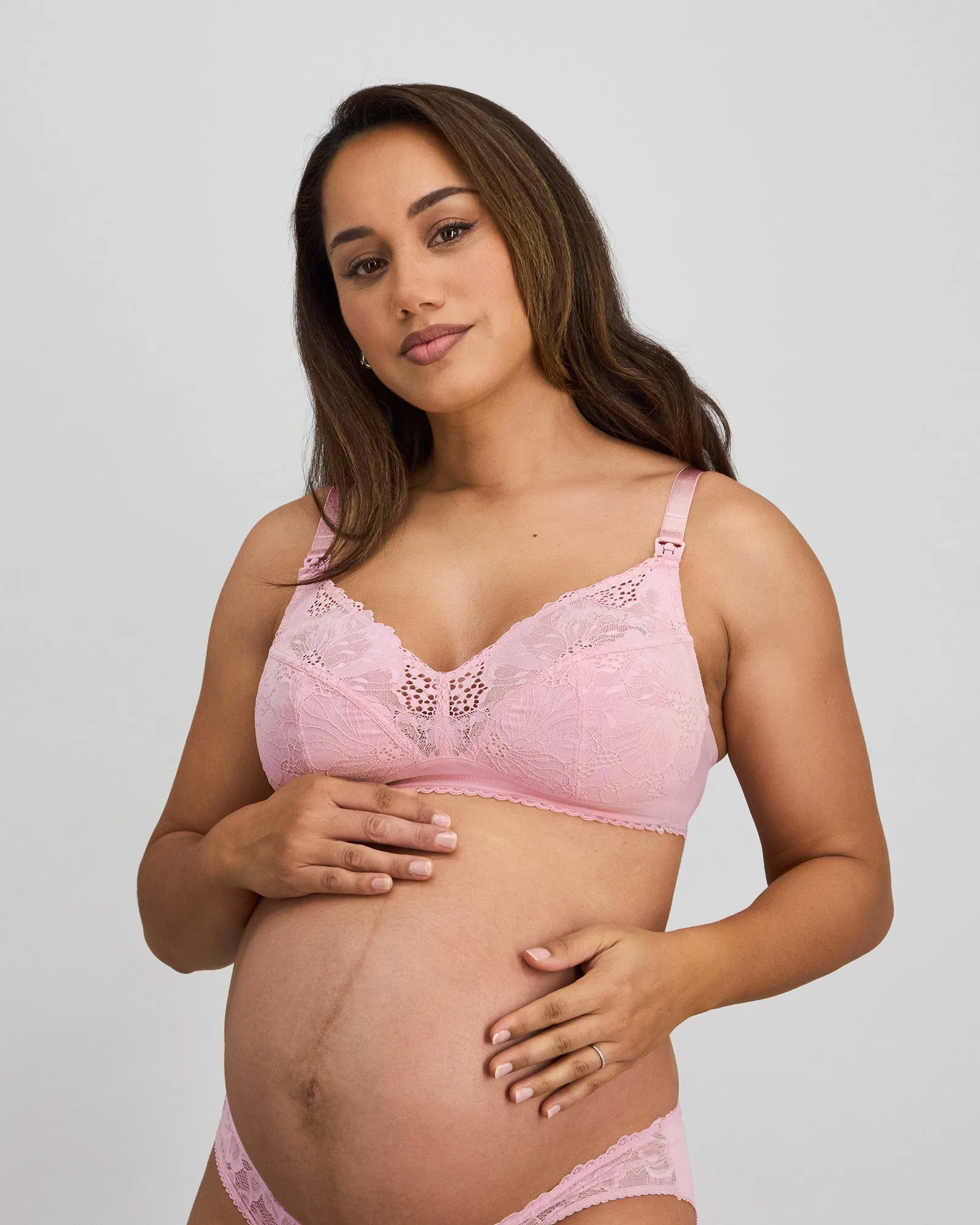
Another option is to switch to a style that suits your shoulder shape better. Full-cup and balconette styles often have straps set closer together, which helps if your shoulders slope. Racerback styles keep straps from sliding sideways. If you are nursing, a maternity bra with drop-down clips and a wirefree design can be more comfortable and stay in place better than a standard bra with tightened straps.
- Strap clips and silicone grips are temporary fixes, not replacements for correct fit.
- If you have sloping shoulders, look for bras with straps set closer to the centre back.
- For nursing, a wirefree maternity bra with drop-down clips can reduce strap slipping and pressure.
Strap Slipping Diagnosis: Find Your Fix
- Symptom: Straps slip only when you move your arms or shoulders.: Likely cause: The straps are slightly too loose or the band is a little too big. Corrective action: Tighten each strap by one small step and test again. If it still slips, check the band fit. If the band is snug and the straps are adjusted correctly, this should solve it.
- Symptom: Straps dig in and still fall down.: Likely cause: The band is too loose, so the straps are carrying the weight. Corrective action: Stop tightening. Try a smaller band size, or a sister size with a larger cup. If a smaller band feels too tight, you may need a different cup size or style.
- Symptom: Straps slip off even when the band and cup fit well.: Likely cause: Your shoulder shape or the strap placement does not suit this style. Corrective action: Try a racerback, balconette, or a style with straps set closer together. A strap clip can help temporarily. If you have tried two or three styles without success, a professional fitting can identify the right shape for you.
Bras and Briefs That Help With Fit and Comfort
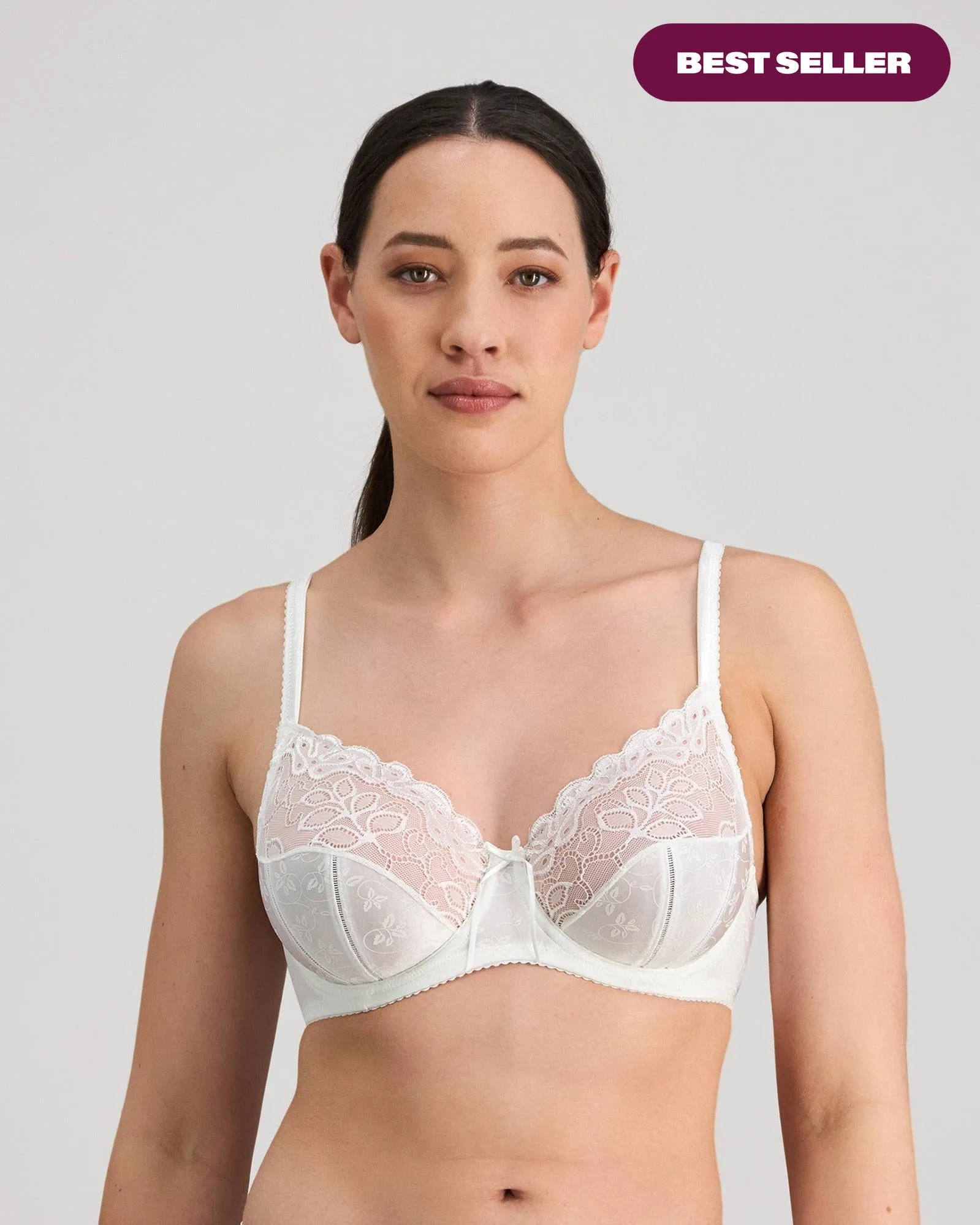
- https://bendonlingeriecim.com/products/bendon-yvette-underwire-bra-white-75-547-a0950e253cfee11363856b58-1319344Yvette Underwire Bra - White: Four-piece cup gives great shape and support, while sophisticated laddered stitch offsets the beautiful lace. Detailed microfibre back strap provides additional support and comfort. A four-piece cup and a supportive back strap help distribute weight more evenly, which can reduce the pull on the shoulder straps and keep them in place.
- Bendon Nurture Maternity Bra: Extra soft wire free, marshmallow pad providing ultimate comfort that moves and flexes with the body to ensure an accommodating fit for all shapes and sizes. Drop down front clips for easy access whilst nursing. If you are nursing, a wirefree bra that flexes with your body can stay comfortable and in place without needing to overtighten the straps.
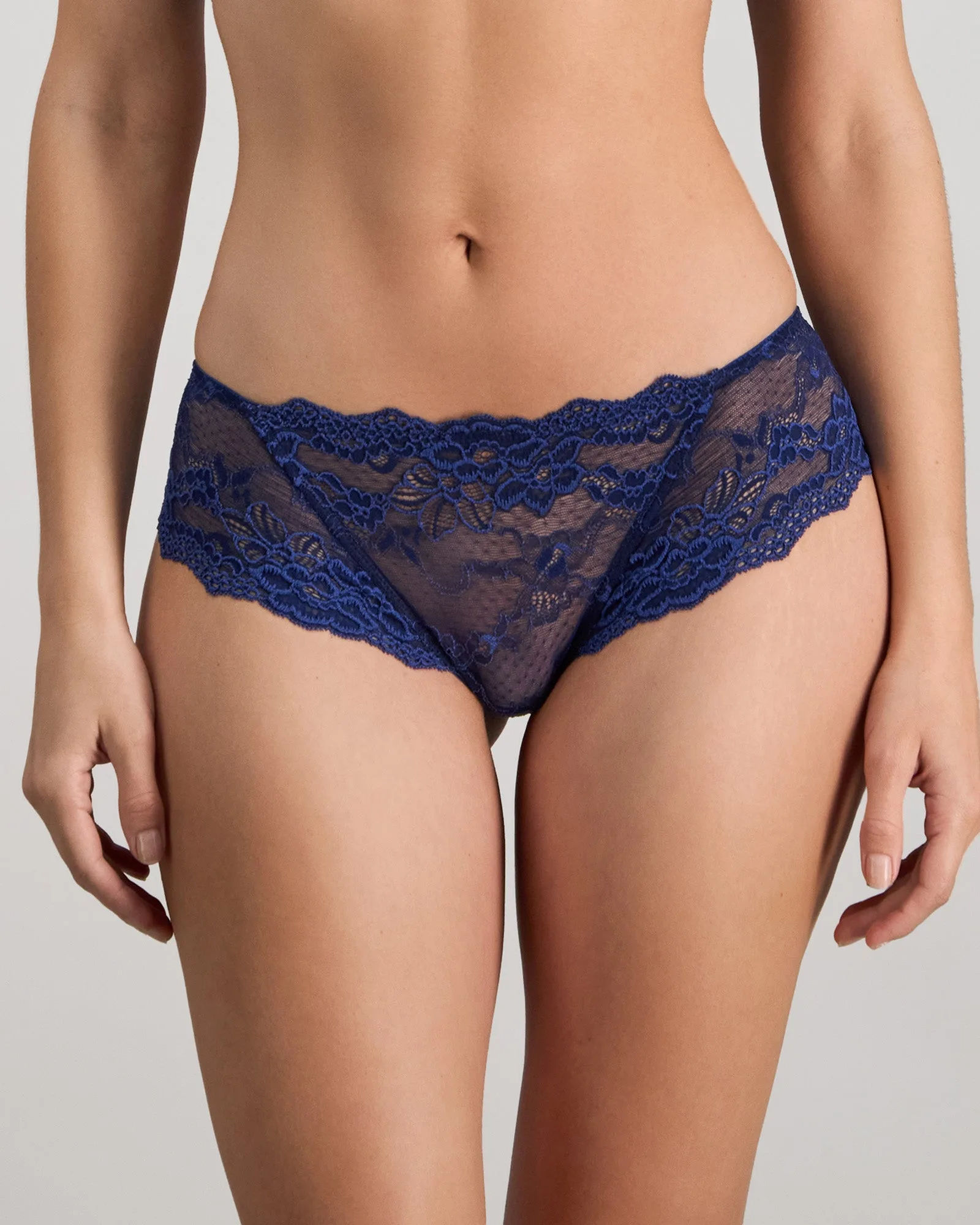
- My Fit Lace Midi: Delicate full lace front and cheeky back in the new Pleasure State Brazilian brief profile. All day comfort from deeper sides and mid rise style. A well-fitting brief with deeper sides and a mid rise stays put and complements a correctly fitted bra, so you are not adjusting both all day.
Slipping straps are usually a sign that the band or cup needs attention, not that you need to tighten harder. Adjust the straps correctly, check the band, and if the problem continues, try a different style or size. A bra that fits properly should stay put with minimal adjusting.