Quick answer
Cats scratch to mark territory and shed claw sheaths, so the goal is redirection, not punishment. Give your cat a tall, stable post with a sisal surface, place it right next to the furniture they target, and reward them for using it. Most cats accept a new post within one to two weeks if you keep the spot consistent and never punish scratching.
Why your cat picks the sofa over the post
Scratching is a normal behavior, not a discipline problem. Cats scratch to stretch, to shed the outer layer of their claws, and to leave both visual and scent marks in a spot that feels safe and prominent. A sofa or chair arm sits at the right height, has a firm surface, and is in the middle of the household action, which is exactly what a cat looks for.
That explains a common failure: a small, wobbly post tucked in a corner gets ignored because it does not match what the cat is already using. Height, stability, and location matter more than the number of posts you own.
Set up the replacement before you block the old spot
Place the new scratching surface next to the furniture your cat already scratches, not across the room. Once the cat uses it reliably, move it a few inches at a time toward where you want it to live. If you cover the sofa first, the cat may simply switch to a different piece of furniture.
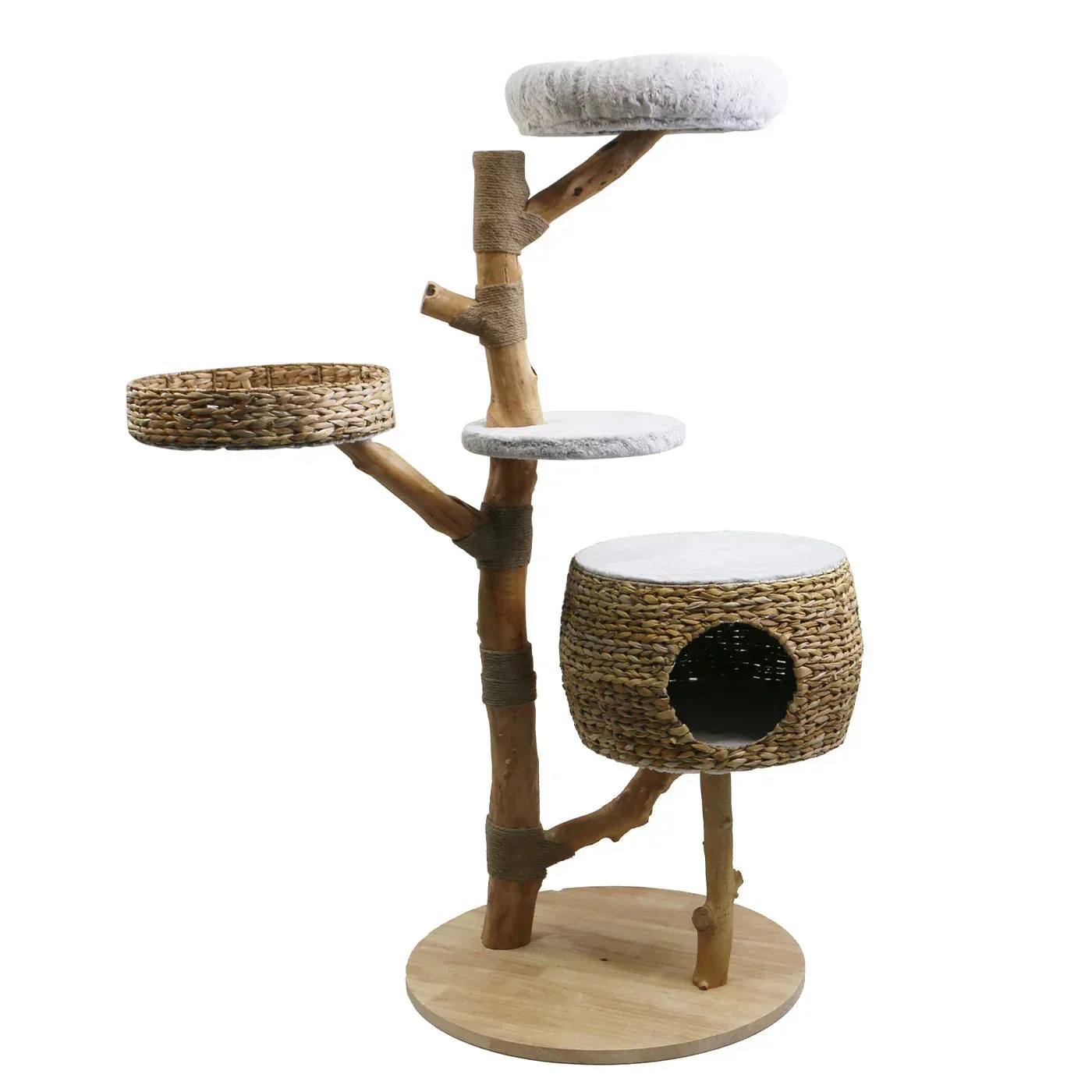
For a multi-level option, the Back To Nature Penthouse Cat Tree by Lords & Labradors combines four raised levels with a covered wicker hideaway, three open resting positions, and sisal-wrapped scratching sections across a 153cm branch-led structure on a circular base. The height and variety give a cat several scratching and resting zones in one footprint, which suits households where floor space is tight.
Match the surface to your cat's preference
Most cats prefer sisal rope or sisal fabric to carpet because it offers resistance without snagging claws. If your cat scratches a wooden door frame, they may prefer a firm, flat surface rather than a post. Watch where they scratch and copy that texture.
Keep a mix available at first: one sisal post, one flat cardboard pad, and one vertical surface. Once you see which one gets used, buy a second of that type rather than guessing.
Make the post more inviting than the furniture
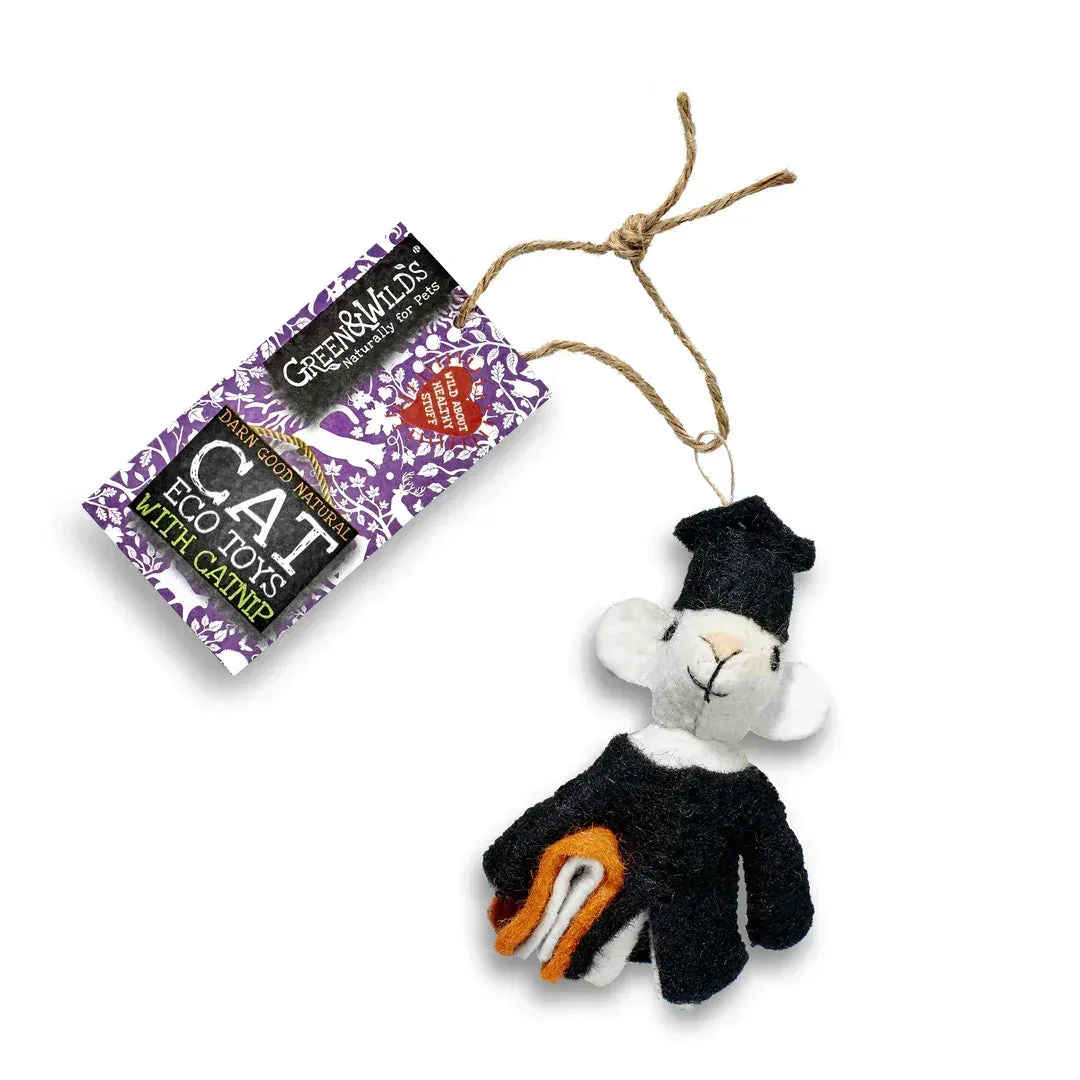
Rub a small amount of catnip or silvervine on the post and play with a wand toy around it so the cat associates the area with positive activity. A toy that stays available between play sessions helps maintain that association. Green & Wild's Archibald Mouse Eco Cat Toy With Catnip combines a mouse-inspired design, catnip, and wool felt for independent batting and carrying, and it can be placed near the post to draw the cat into that zone.
Do not hold the cat against the post or move their paws over it. That creates stress and can make the post feel like a punishment.
Trim claws and protect the furniture you cannot move
Trim just the clear tips of the front claws every one to two weeks with a proper cat clipper. Shorter, blunt tips do less damage during the transition period. If your cat resists, ask your vet or a groomer to show you a two-person hold.
For furniture you cannot relocate, use a tightly fitted throw, a double-sided sticky strip, or a temporary panel while the new post is being accepted. These are short-term barriers, not a permanent solution, and they work best alongside an attractive post rather than instead of one.
Keep the routine consistent for two weeks
Set a fixed daily routine: a short play session near the post, a treat or praise when the cat scratches it, and a calm redirection if they go for the sofa. Consistency matters more than intensity. If nothing changes after two weeks, move the post rather than replacing it, since location is the most common reason a good post gets ignored.
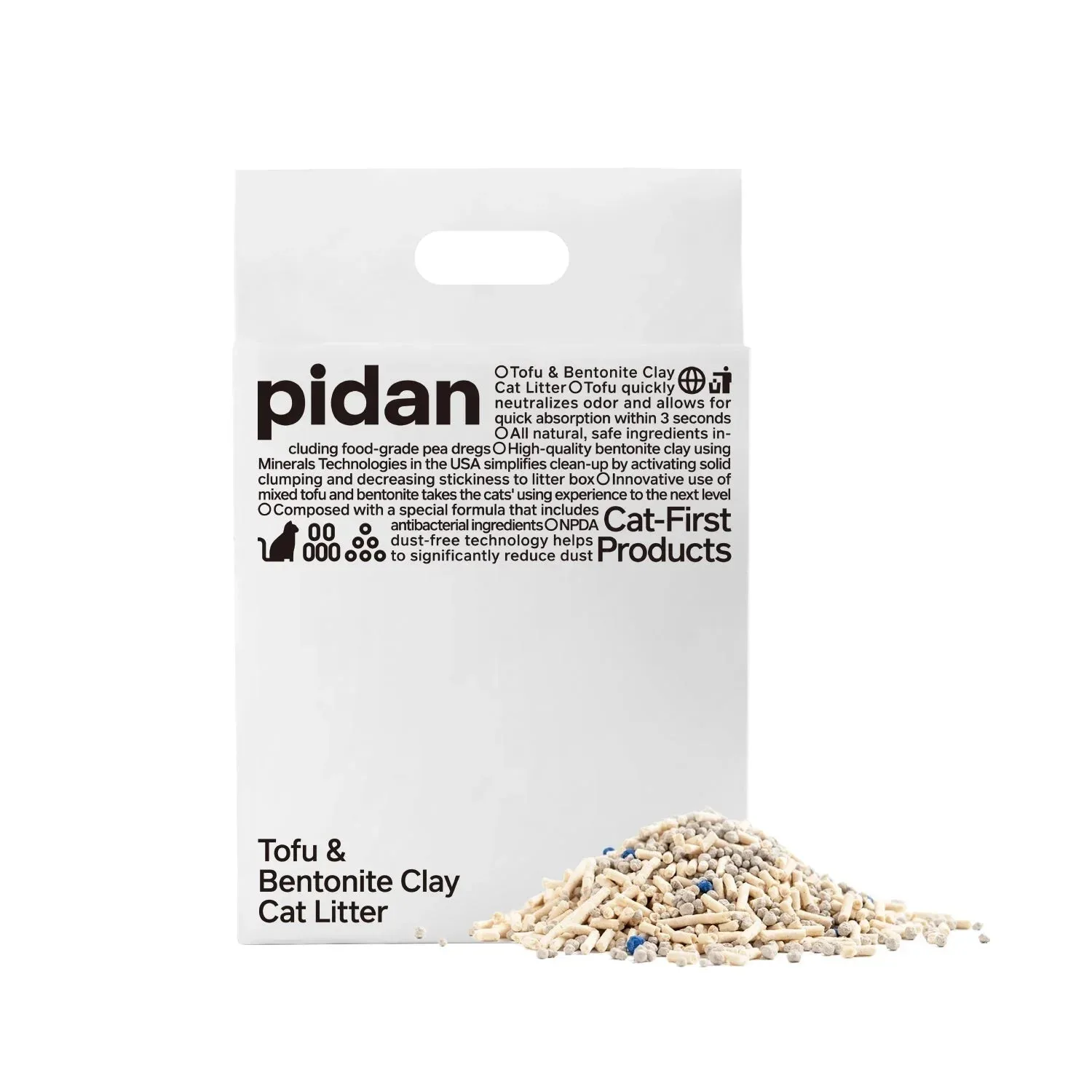
Litter box maintenance also affects scratching. A cat that feels stressed by a dirty tray may scratch more, so keep the box clean and topped up. pidan Mixed Tofu Cat Litter blends 70% organic tofu mix with 30% bentonite for fast moisture absorption and firm, scoopable clumps, and the larger tofu particles with finer bentonite help improve coverage while reducing dust and tracking around the tray.
Six steps to redirect scratching
- 1. Place a tall post next to the target furniture: Put the new post directly beside the sofa or chair your cat already scratches, so the alternative is within reach of the habit. Checkpoint: the post should be tall enough for a full stretch with front paws extended.
- 2. Choose a sisal or firm flat surface: Match the texture your cat already scratches. Sisal rope or fabric suits most cats; a flat pad suits cats that scratch door frames or floors. Common mistake: buying a carpet-covered post when the cat ignores carpet.
- 3. Make the post stable: A post that wobbles will be abandoned. Tighten the base, place it against a wall, or choose a structure with a wide, weighted base. Checkpoint: press the top of the post; it should not move more than a few millimeters.
- 4. Add scent and play: Rub catnip or silvervine on the post and dangle a wand toy around it for a few minutes daily so the cat associates the area with play. Common mistake: forcing the cat's paws onto the post, which creates avoidance.
- 5. Trim claws and block the old spot: Trim the clear tips of the front claws every one to two weeks and use a temporary throw or sticky strip on the furniture during the transition. Checkpoint: barriers are temporary; remove them once the post is in regular use.
- 6. Reward and keep the routine: Praise or treat every time the cat uses the post, and redirect calmly if they scratch the sofa. Give the routine two weeks before changing the setup. Next step: if there is no progress, move the post to a more prominent spot rather than buying another one.
Products that support the redirection plan
- Back To Nature Penthouse Cat Tree by Lords & Labradors: The Back To Nature Penthouse Cat Tree by Lords & Labradors combines four raised levels with a covered wicker hideaway, three open resting positions, and sisal-wrapped scratching sections across a 153cm branch-led structure on a circular base. A tall, stable structure with multiple scratching and resting zones gives a cat a single destination for scratching and perching, which reduces the appeal of sofa arms and chair backs.
- Green & Wild’s Archibald Mouse Eco Cat Toy With Catnip: Green & Wild's Archibald Mouse Eco Cat Toy With Catnip combines a mouse-inspired design, catnip, and wool felt for independent batting and carrying. Placing a catnip toy near the new post encourages the cat to spend time in that zone, which helps the post become part of the daily routine.
- pidan Mixed Tofu Cat Litter: pidan Mixed Tofu Cat Litter uses a 70% organic tofu mix and 30% bentonite blend with larger tofu particles and finer bentonite to improve coverage while reducing dust and tracking. Keeping the litter tray clean and low-tracking supports a calmer routine, which can reduce stress-related scratching.