Quick answer
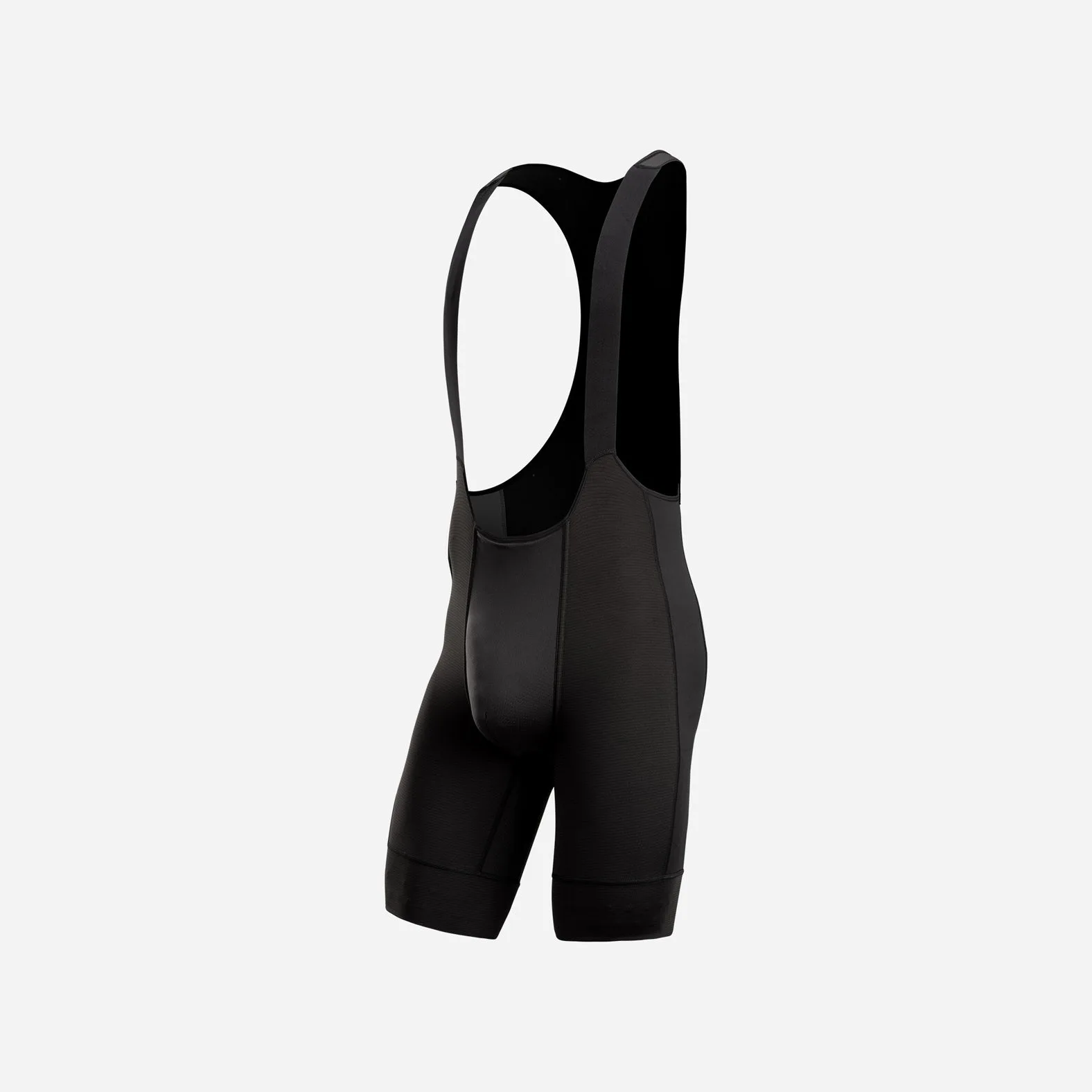
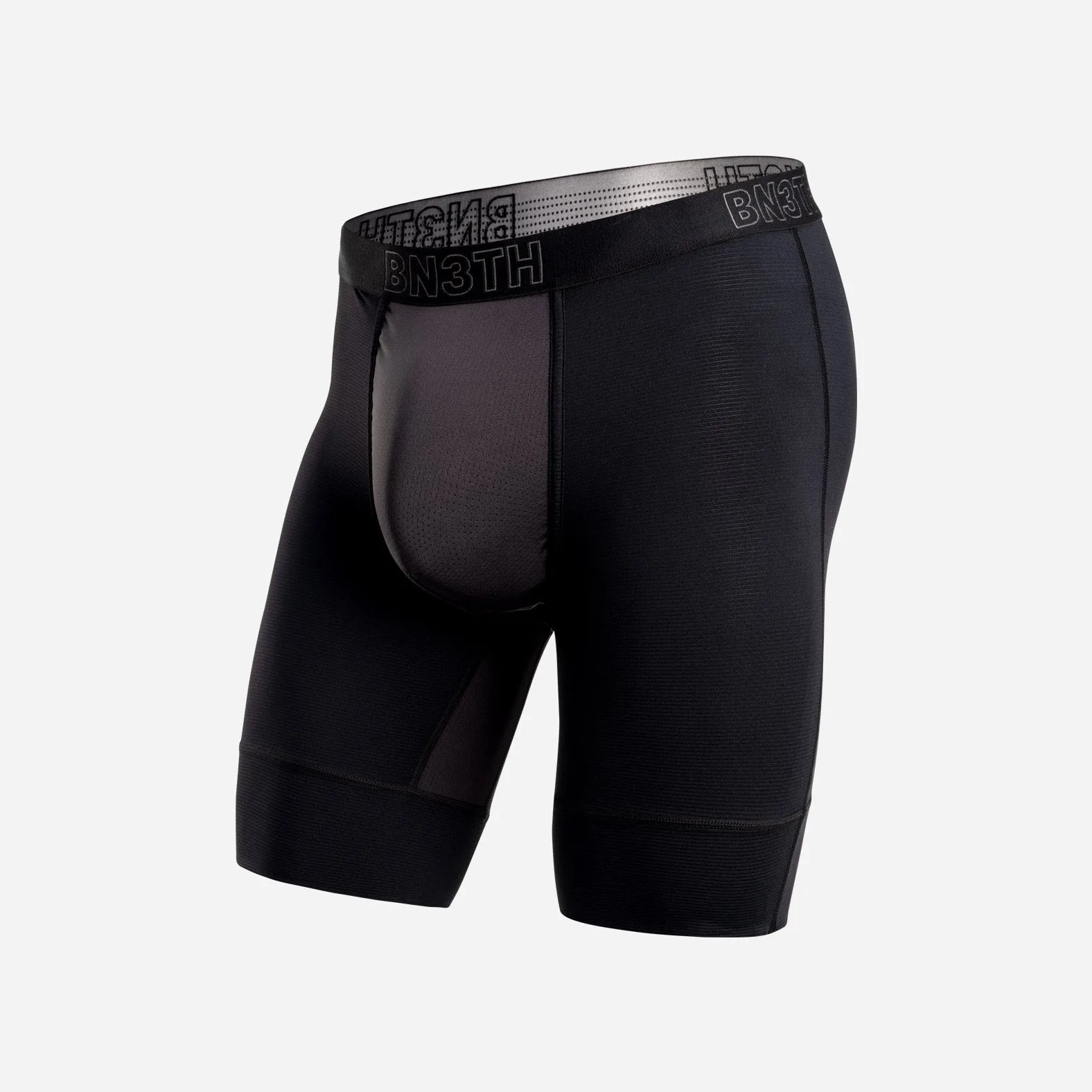
Prevent chafing on long rides by wearing a dedicated liner short or bib with a proper pad against bare skin, skipping cotton underwear, applying chamois cream only if you need it, and checking that seams and hems sit flat without bunching. The North Shore Bike Liner Short and North Shore Bike Liner Bibshort are built for this exact job, with a mountain-bike-specific pad and a pouch that keeps everything separated and secure.
Why chafing starts before you even pedal
Most chafing on long rides comes from three things: moisture, friction, and movement. If your liner or underwear bunches, twists, or traps sweat, every pedal stroke repeats the same rub in the same spot. That is why the fix is not one product but a sequence: start with the right layer against your skin, then manage moisture and friction as the ride goes on.
This guide walks through that sequence in order. Do the early steps properly and the later ones become optional insurance rather than emergency patches.
Step 1: Choose a liner short made for riding, not a random pair of shorts
A bike liner short is designed to sit against your skin under baggy shorts, with a pad shaped for the saddle and fabric that moves with you. The North Shore Bike Liner Short is made for exactly this: it is designed to be worn underneath shorts and uses BN3TH's patent-pending MTB-specific (Sea-to-Sky) STS Pad and The Original 3D Pouch to keep everything separated and secure. The fabric is 78% Polyester, 14% Spandex, and 8% Ionic+ Polyester, with permanent silver Ionic+ anti-odor technology that kills stink before it starts.
If you prefer shoulder straps and a breathable mesh back panel, the North Shore Bike Liner Bibshort uses the same pad and pouch system with lightweight elastic shoulder straps. Either way, the pad and pouch are the point: they reduce the shifting that causes friction.
Common mistake: wearing a liner over underwear. The liner is the underwear. A second layer adds seams and bulk that rub.
Step 2: Get the fit right before you ride
A liner that is too loose will slide and bunch; one that is too tight will pinch and restrict. The goal is a smooth, wrinkle-free layer with the pad centered under your sit bones and the hem sitting flat on your thigh without riding up. Both North Shore options come in Size and Color, so you can dial in the fit rather than settling for a one-size compromise.
Checkpoint: before you clip in, stand and squat. If the hem rolls, the pad shifts, or fabric gathers at the crease of your leg, adjust or size up. Fixing it now takes ten seconds; fixing it at mile 40 takes days.
Step 3: Decide whether you need chamois cream
Chamois cream is not mandatory. If your liner fits well and you are riding a normal distance for you, the pad and fabric may be enough. Cream helps when you are going longer than usual, riding in heat, or you already know a specific spot rubs. The chamois cream vs liner question is really about whether the liner is doing its job: a good liner reduces friction, and cream adds a moisture barrier on top.
If you use cream, apply it to the pad or directly to the skin at the contact points, not to your outer shorts. Use a thin layer. Too much can trap grit and make things worse.
Common mistake: using cream to compensate for a liner that does not fit. Fix the fit first.
Step 4: Manage moisture and stops during the ride
On long rides, sweat and grit are the enemy. Stand and pedal periodically to let air reach the pad, and if you take a break, do not sit in damp shorts any longer than you have to. If you carry a spare liner, change at the halfway point on very long or wet rides. The Ionic+ anti-odor technology in the North Shore liners helps with smell between washes, but it does not replace drying out or changing when you are soaked.
Checkpoint: if you feel a hot spot starting, deal with it at the next safe stop. A small adjustment or a dab of cream early is far better than waiting until it becomes a raw patch.
Step 5: Wash and care for your liners so they keep working
Wash liners after every ride. Rinse or wash cool, avoid fabric softener and heat, and let them air dry. Heat and softener can break down elastic and pad materials over time. The Ionic+ technology is permanent in the fabric, so it does not wash out, but the fit and pad integrity still depend on how you care for the garment.
Common mistake: leaving damp liners in a bag or hamper. That is how odor and fabric breakdown start.
When to consider a different liner
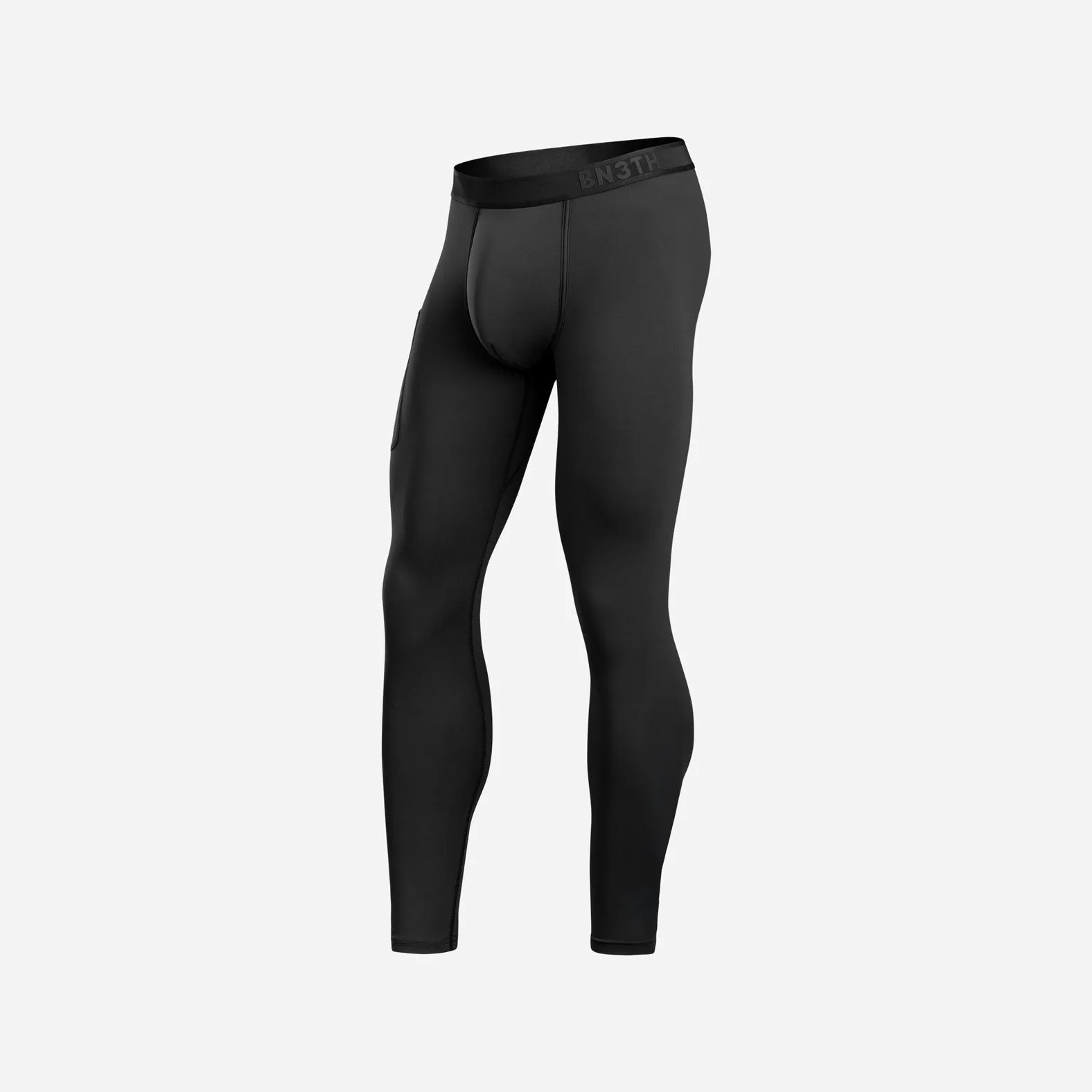
If you are doing maximum training or elite-level efforts and want a super-premium lightweight fabric that is highly breathable, supportive, and silky smooth, the Pro Ultra Liner Tight With Pocket is built for that. It uses The Original 3D Pouch to keep everything separated and supported, and adds a fold-over secure pocket that stays in place while you move. It is a tighter, more performance-oriented option than the North Shore liners, so it suits riders who want a second-skin feel and do not need the mountain-bike-specific pad.
The tradeoff is straightforward: the Pro Ultra is not a mountain-bike-specific pad, so if your riding is mostly trail and you want the Sea-to-Sky STS Pad, stay with the North Shore line.
Your pre-ride chafe-prevention checklist
- 1. Put on your liner first, against bare skin: Skip cotton underwear entirely. The liner is your base layer. Checkpoint: no extra seams or waistbands under the liner.
- 2. Center the pad and smooth all fabric: Stand, squat, and look for bunching at the crease of your leg or under the pad. Checkpoint: hem sits flat and does not roll when you pedal.
- 3. Apply chamois cream only if you need it: Thin layer on the pad or skin at known hot spots. More is not better. Checkpoint: cream is for long or hot rides, not a fix for bad fit.
- 4. Stand and air out during the ride: Periodically stand to let airflow reach the pad, and change out of damp shorts at stops. Checkpoint: deal with any hot spot at the next safe stop, not later.
- 5. Wash cool and air dry after every ride: No fabric softener, no high heat. This keeps elastic and pad materials intact. Checkpoint: never leave damp liners in a bag or hamper.
Product facts that matter for chafing
- North Shore Bike Liner Short: Black: Designed to be worn underneath shorts, the North Shore Bike Liner Short features BN3TH's first-of-its-kind patent-pending MTB-specific (Sea-to-Sky) STS Pad and The Original 3D Pouch to ensure everything is separated and secure. The pad is shaped for mountain-bike riding and the pouch reduces shifting, which lowers friction at the most common chafe points.
- North Shore Bike Liner Short: Black: Fabric: 78% Polyester, 14% Spandex, 8% Ionic+ Polyester. Permanent silver Ionic+ anti-odor technology kills stink before it starts. Spandex helps the liner move with you instead of against you, and the anti-odor treatment helps between washes on multi-ride days.
- North Shore Bike Liner Bibshort: Black: Lightweight elastic shoulder-straps and a breathable mesh back panel make this a bike bib like no other, with the same STS Pad and 3D Pouch. If your liner waistband rolls or digs, a bib keeps the pad in place without a tight waist, which removes one more source of irritation.
- Pro Ultra Liner Tight With Pocket: Black: The Pro Ultra liners are built for maximum training and elite performance, crafted from super-premium lightweight fabric that's highly breathable, supportive, and silky smooth, with The Original 3D Pouch and a fold-over secure pocket. A lighter, smoother fabric can reduce friction for high-effort road or trainer sessions, and the pocket keeps small items secure without adding bulk.