Quick answer
Cream blush usually fades because it is sitting on top of skin care or foundation that never set, or because it was applied too sheer to survive a full day. Apply blush after your base has settled, build it in thin layers, and set only the areas that actually move. If your cheeks are oily or you touch your face often, a light powder blush on top is the realistic fix.
Why your blush disappears by lunchtime
Cream formulas stay flexible, which is what makes them look like skin. That same flexibility means they keep moving with your face, your hands, and your phone. Fading is rarely one dramatic event. It is a slow transfer: product lifts onto whatever touches your cheek, and the pigment left behind looks patchy rather than gone.
The most common triggers are a slippery base, applying blush before skin care has absorbed, and sheer application that never had enough pigment to begin with. Dry skin adds a fourth: if your cheeks are flaky, cream color clings to the flakes, which shed during the day and take the blush with them.
A layering order that keeps color in place
Give skin care two to three minutes to settle before foundation. If your moisturizer or sunscreen still feels tacky, blush will slide on it. Apply foundation in a thin layer and let it sit for a minute before adding color. Cream on cream is fine, but only when the first layer has stopped moving.
Then build blush in two or three small taps rather than one swipe. Thin layers grip better than a single heavy one, and you can stop before the finish turns greasy. Finish by pressing, not sweeping, with a fingertip or a dense brush. Pressing pushes pigment into the skin; sweeping pushes it around.
Where to set, and where to leave alone
Setting powder is not all-or-nothing. Press a small amount only where blush tends to vanish first, usually the outer cheek and the area your phone or hands touch. Leave the center of the cheek unpowdered so the dewy finish survives. A translucent setting powder works better here than a tinted one, which can shift the color you just applied.
If you want to keep the cream finish but need more staying power, layer a matching powder blush directly on top of the cream while it is still slightly tacky. The cream acts as a grip for the powder, and the powder locks the color. This is the single most reliable fix for blush melting off in humid weather.
Application details that quietly shorten wear
Applying blush with a sweeping motion over foundation can lift the base underneath, creating a bald patch that reads as fading. Use tapping or pressing motions instead. Also check your tools: a brush that has not been cleaned in weeks holds oils that break down cream color faster.
Finally, watch what you touch. Resting your chin on your hand, pressing a phone to your cheek, or pulling a scarf across your face all remove product. No setting trick beats friction, so if you do these things often, plan for a midday touch-up rather than expecting a full day from one application.
Diagnose your fading before you change products
- Symptom: color is gone within two hours: Likely cause is a slippery base. Skin care or foundation had not settled, so blush never bonded to skin. Let each layer rest for a minute, then press blush in with fingertips instead of sweeping. If color still vanishes by mid-morning after this fix, your base is too emollient for cream blush and a powder layer is the next step.
- Symptom: color is patchy, not gone: Likely cause is uneven application or dry, flaky cheeks. Flakes shed and take pigment with them. Exfoliate gently, then build blush in two or three thin pressed layers rather than one swipe. Patchiness that returns within days usually means the skin, not the blush, needs attention first.
- Symptom: color transfers onto your phone or collar: Likely cause is an unset cream finish plus friction. Press translucent setting powder only on the outer cheek and the areas you touch, and keep the center dewy. If transfer continues, layer a matching powder blush over the cream while it is still tacky. That is the point where a cream-only routine stops being practical.
Product facts that affect wear
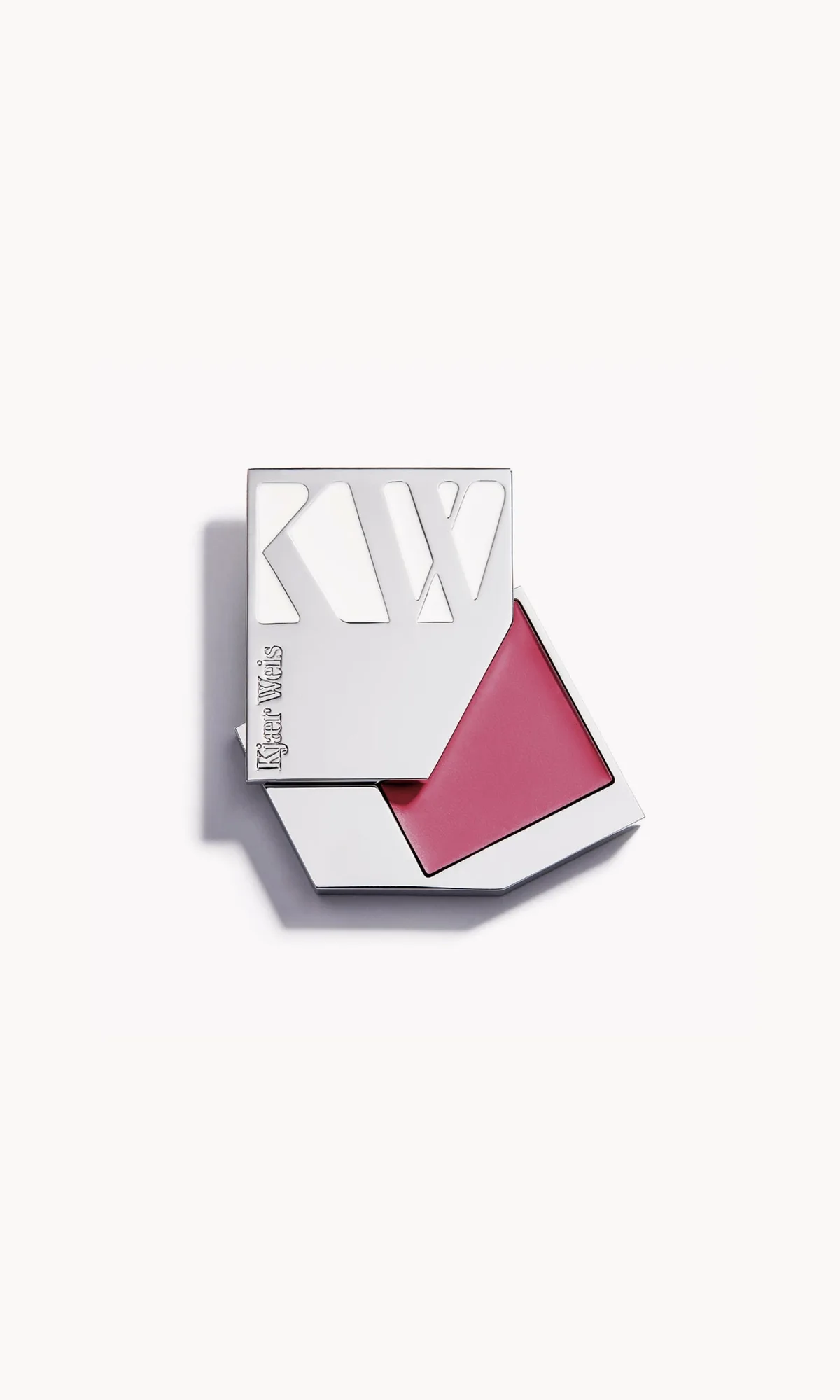
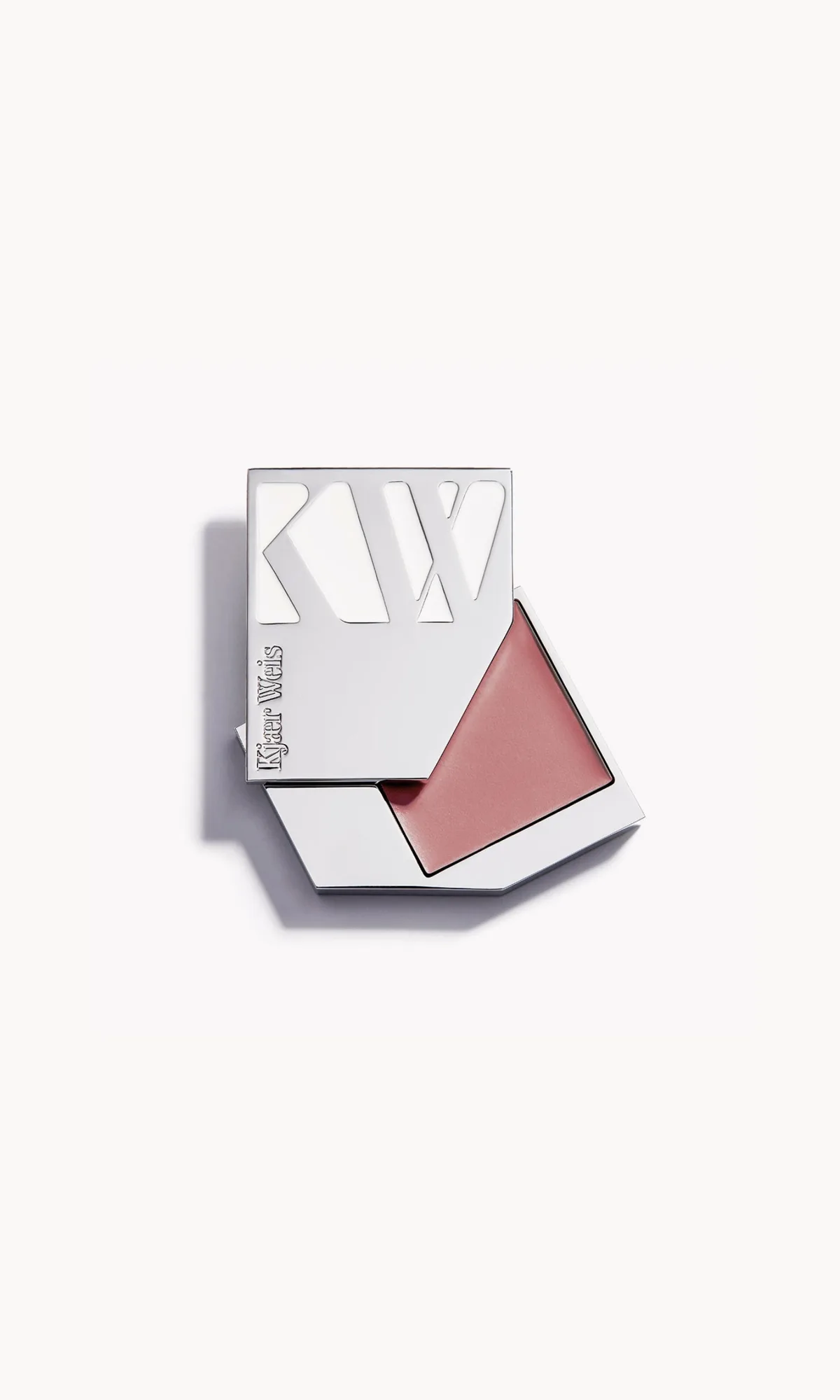
- Cream Blush / Blossoming: Cream Blush / Blossoming is a soft, warm pink with a rosy hue, described as a best-selling color that works beautifully on fair to medium-dark skin tones. A clearly visible pink makes fading easy to spot, so you can judge whether your setting method is working before the color disappears entirely.
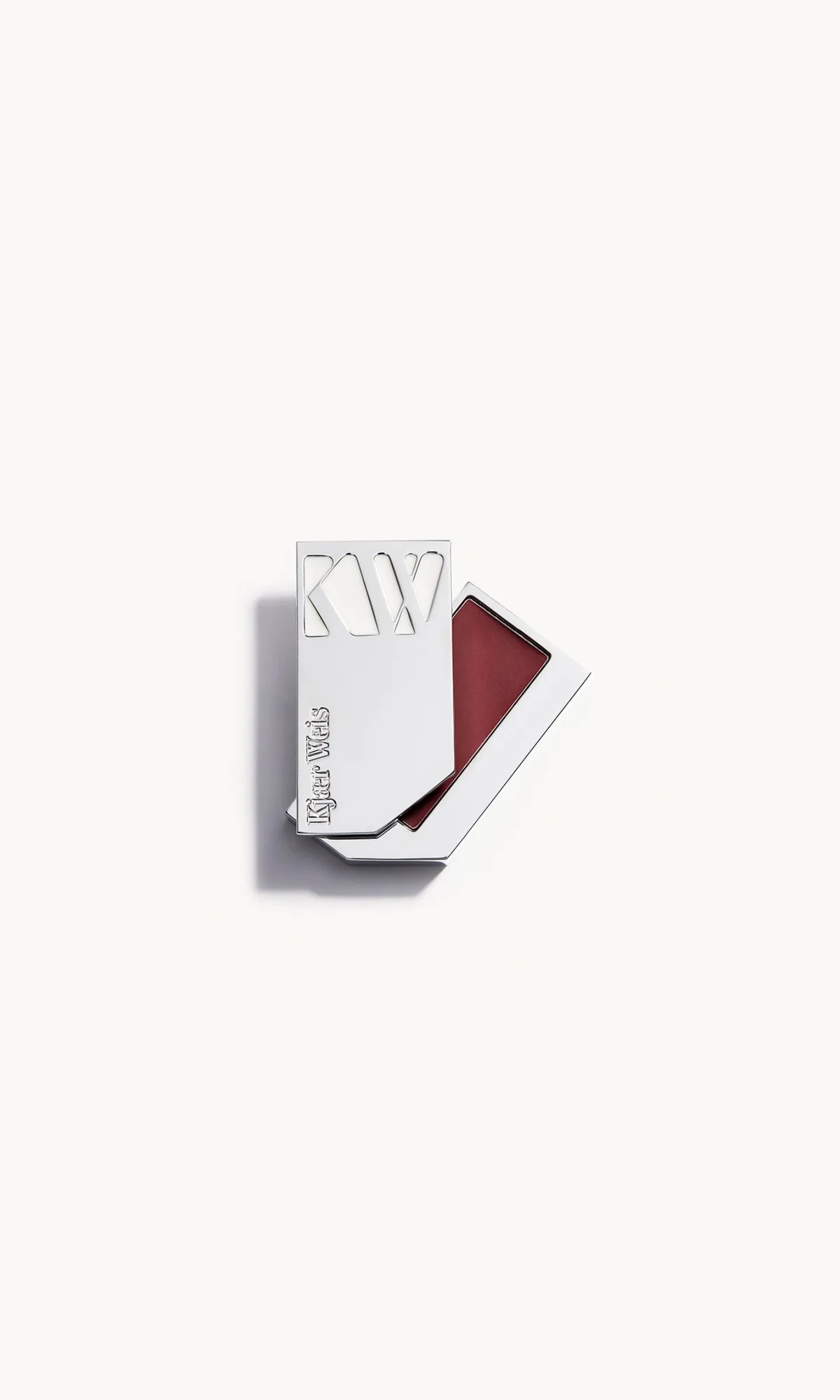
- Cream Blush / Desired Glow: Cream Blush / Desired Glow is a warm, soft neutral described as ideal for light to medium skin tones and the perfect blush to balance redness-prone cheeks. Neutral shades fade less visibly than bright pinks, which can make wear time feel longer even when the formula behaves the same way.
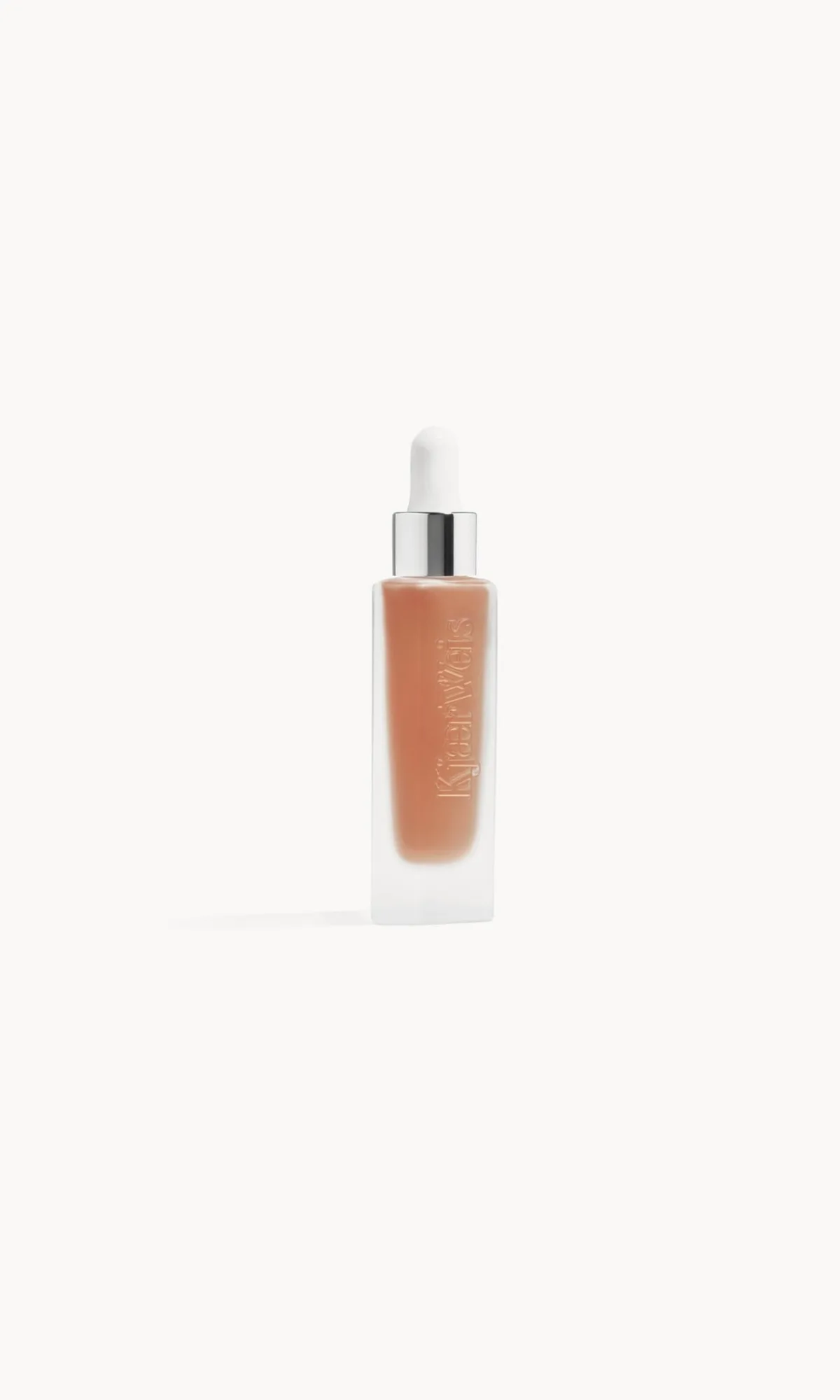
- Cream Foundation / F120 – Weightless: Cream Foundation / F120 – Weightless is a certified-organic, multi-tasking complexion product that can be used as all-over cream foundation coverage. Because it is a cream formula, it needs a moment to settle before blush goes on top, otherwise the two layers move together and color slides off.