Quick Answer
First, remove the damaged bed so your dog cannot swallow stuffing. Then match the fix to the cause: more exercise and chew toys for boredom, a chew-resistant crate pad for a confirmed destructive chewer, and a vet or behaviorist for anxiety-driven destruction. A no chew spray for dogs can help short-term, but it will not fix a dog that is chewing from stress or under-stimulation.
Symptom: What Bed Destruction Actually Looks Like
Not every chewed bed means the same thing. Look at the pattern before you buy a replacement. A dog that pulls the zipper open and spreads stuffing across the room is usually problem-solving with their mouth. A dog that chews one corner down to the fabric, then stops, may be teething or soothing gum pain. A dog that shreds the bed only when you leave the house is likely anxious, not bored.
Check the damage location too. Chewing around the crate door or the edge closest to the room usually points to separation distress. Chewing the center or the whole surface points to general chewing drive. Take a photo of the damage and note when it happened. That record will tell you which corrective action below is worth your money.
Likely Cause 1: Boredom and Under-Stimulation
If your dog destroys the bed during the day when you are home but busy, boredom is the likely cause. Large dogs need both physical exercise and mental work. A long walk alone will not tire a dog that also needs to sniff, search, or solve something.
Add two short training sessions and one food-dispensing toy to the daily routine. Rotate chew toys so they feel new. If the destruction stops within a week, you have your answer and you can keep a standard bed.
Likely Cause 2: Teething or Oral Discomfort
Puppies and adolescent dogs often chew fabric to relieve gum pain. The fix is to give them a better legal target. Offer cold, textured chew toys and keep the bed out of reach when you cannot supervise.
If your dog is past teething age and still chews fabric, oral pain or a dental issue is possible. A vet check is the correct next step before you spend money on a new bed.
Likely Cause 3: Anxiety or Separation Distress
Anxiety-driven chewing is not solved by a tougher bed. If your dog only destroys the bed when left alone, they need a behavior plan, not a product. A chew-resistant crate pad can prevent a dangerous obstruction in the short term, but it will not calm the dog.
Signs to watch: drooling, pacing, barking, or trying to escape the crate only when you leave. If you see these, talk to your vet or a certified behavior consultant. A no chew spray for dogs may reduce casual mouthing, but it is not an anxiety treatment.
Corrective Action: Match the Product to the Chewer
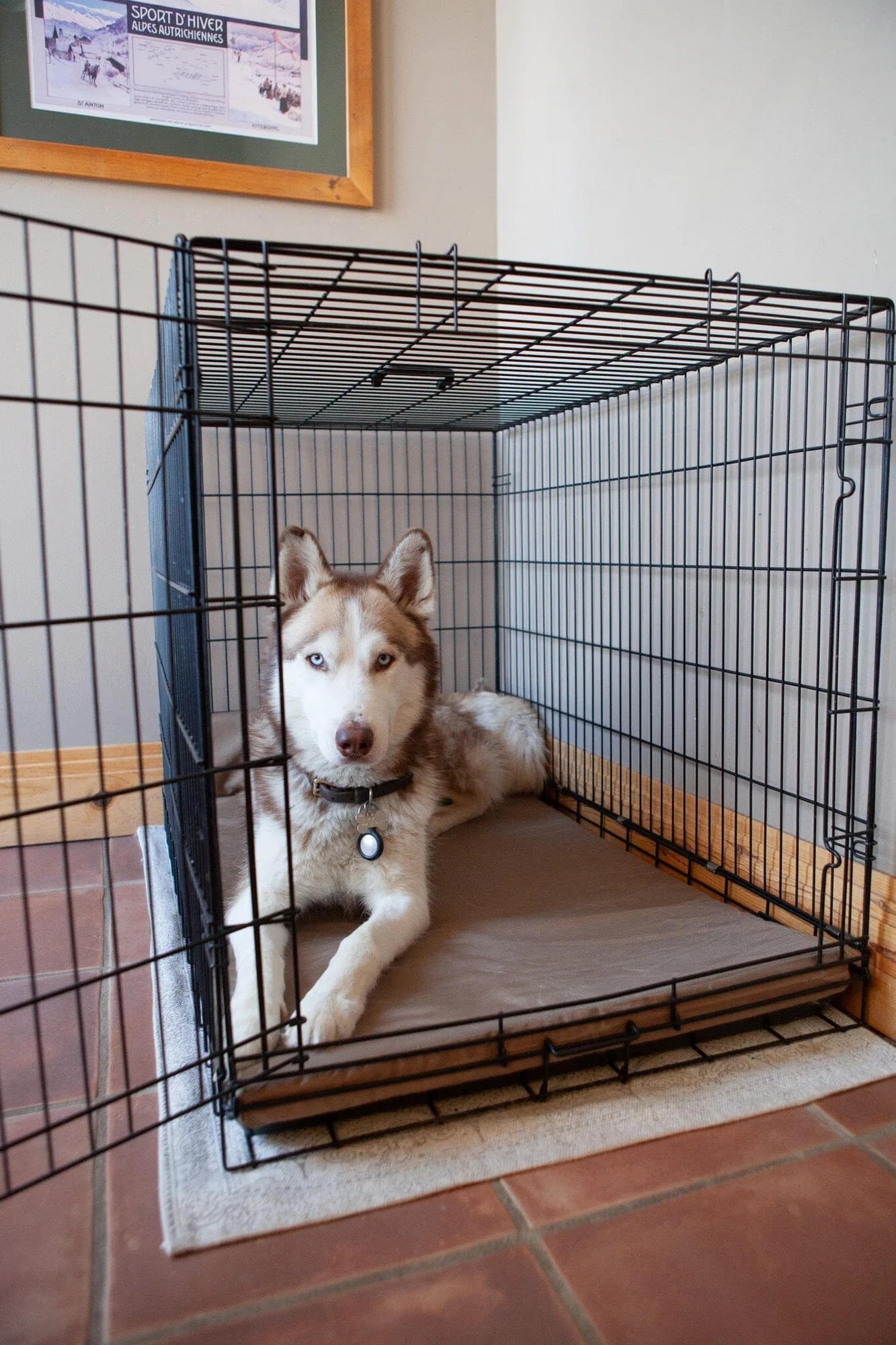
Once you know the cause, choose the right layer of protection. For a confirmed destructive chewer, a chew-resistant crate pad is the practical choice because it is designed for dogs that bite. For a dog that only chews occasionally, a chew proof dog bed cover can protect the bed you already own at a lower cost.
Do not put a standard bed back in the crate until the chewing stops. Use the crate pad alone during the retraining period so you can monitor progress without risking another destroyed bed.
When to Stop and Choose Another Option
Stop using a chew-resistant product if your dog is ingesting pieces of fabric, vomiting, or having diarrhea. That is a medical situation, not a training one. Also stop if the chewing continues after two weeks of consistent exercise, enrichment, and supervision. At that point, the issue is likely behavioral or medical, and a different product will not fix it.
If your dog has injured their mouth or broken teeth on a bed, remove all fabric bedding and consult your vet. A crate with no pad is safer than a damaged pad.
Diagnosis: Which Chewer Do You Have?
- The daytime destroyer: Chews when you are home but busy. Likely boredom. Add exercise, training, and rotating chew toys before buying a new bed. If destruction stops within a week, keep your current bed and maintain the routine.
- The puppy or adolescent: Chews corners and fabric, especially during teething. Offer cold chew toys and supervise. See a vet if the behavior continues past teething age. If gums are bleeding or the dog avoids hard food, stop and call your vet.
- The only-when-alone chewer: Destroys the bed only when left alone. This is anxiety, not a product problem. Use a chew-resistant crate pad short-term and get a behavior plan. If the dog is injuring themselves or the crate, stop and seek professional help.
- The confirmed destructive chewer: Has destroyed multiple beds and chews daily. Choose a chew-resistant crate pad or chew proof dog bed and remove all damaged bedding. If the dog swallows fabric or shows stomach upset, stop and call your vet.
Product Facts That Matter for Chewers
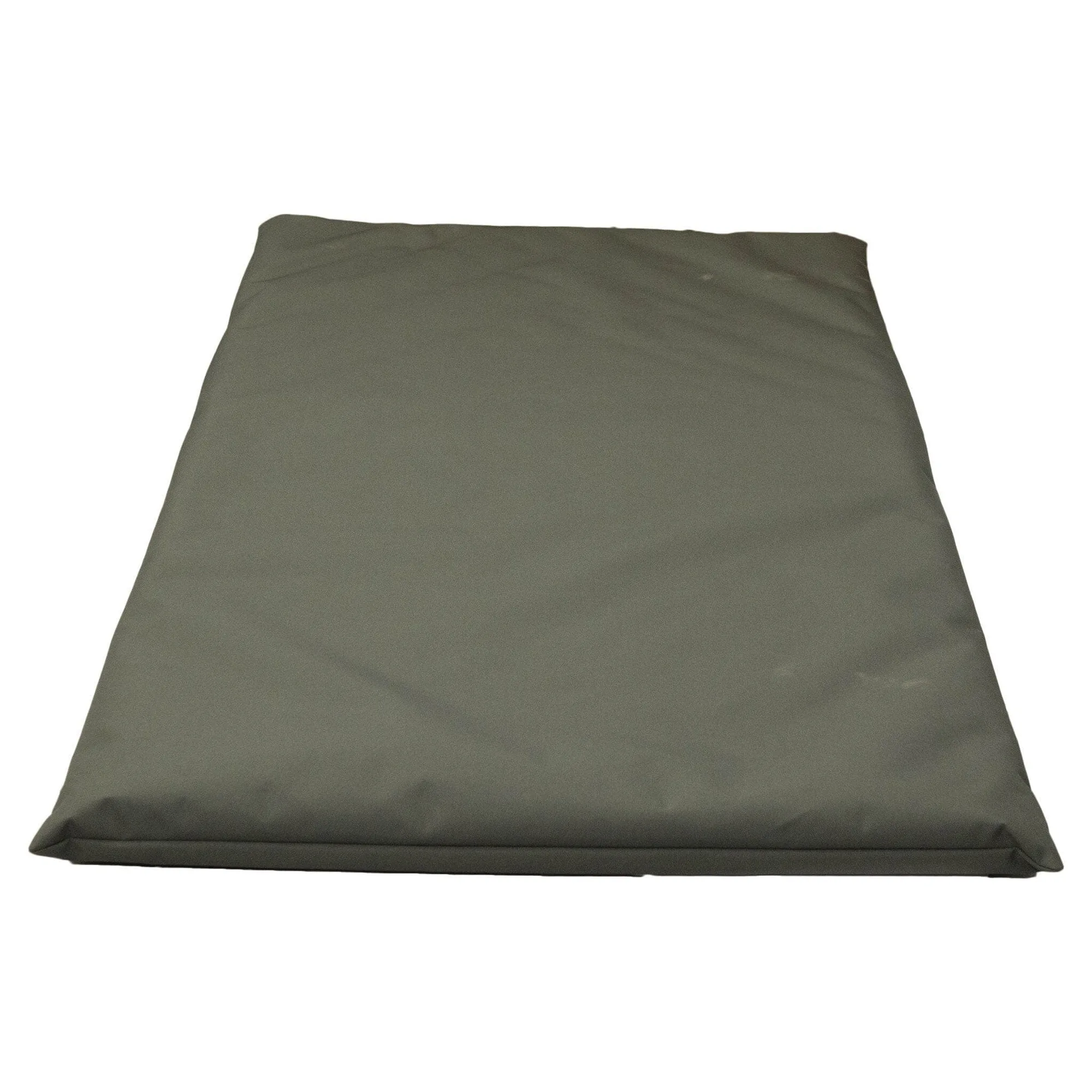
- Chew Proof Crate Pad For Dogs (with a 200 Day Guarantee): Chew Proof Crate Pad For Dogs (with a 200 Day Guarantee), available in multiple sizes and colors. The 200-day guarantee gives you a defined window to test the pad with a destructive chewer, which is useful when you are not sure whether the chewing is a phase or a habit.
- Chew Resistant Crate Pad Covers: Chew Resistant Crate Pad Covers are covers only, not a complete crate pad, and do not carry the damage replacement warranty. If you already own a chew-resistant crate pad, a cover is a lower-cost way to refresh it. If you need the chew protection itself, buy the complete pad instead.
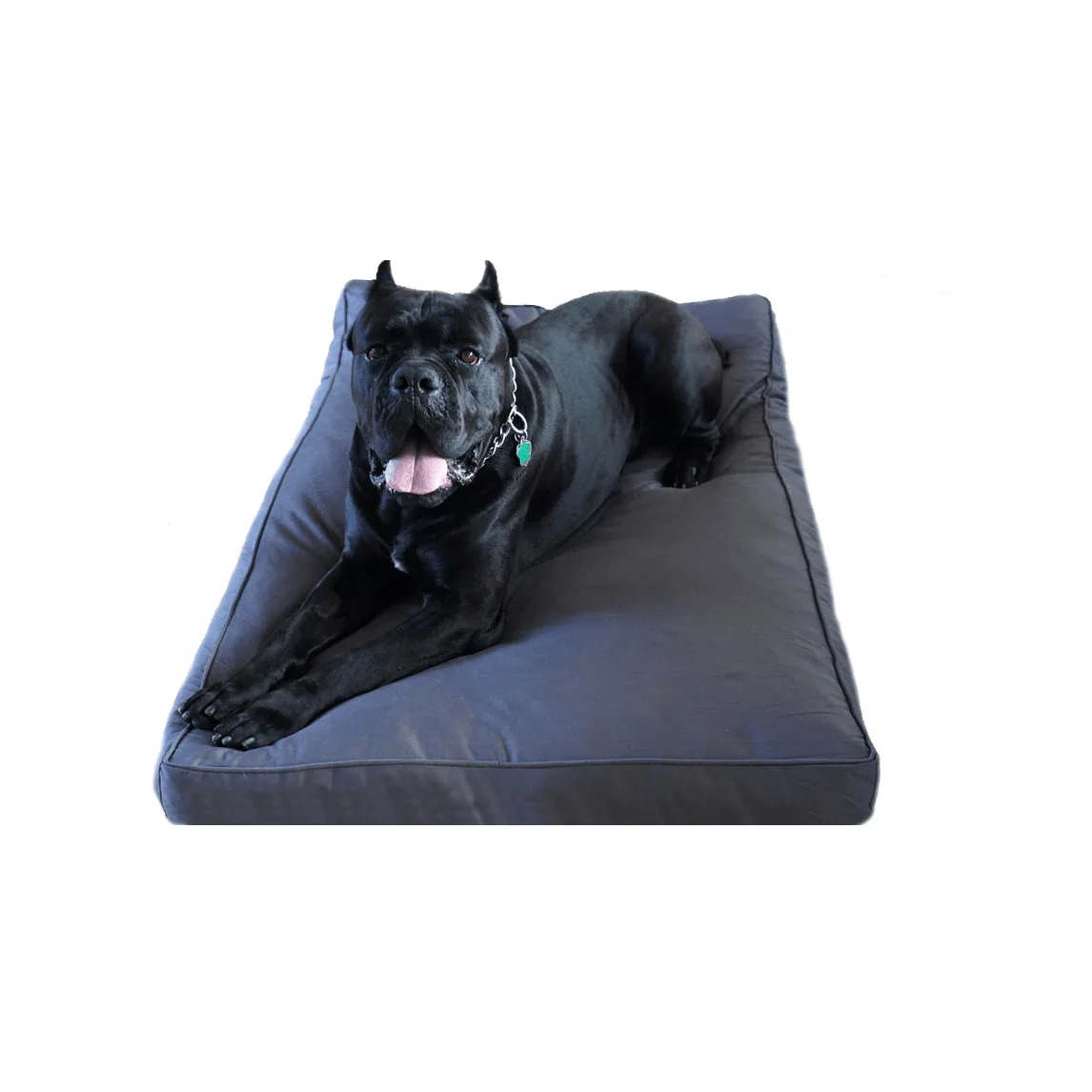
- Chew Proof Dog Bed (with a 200 Day Guarantee): Chew Proof Dog Bed (with a 200 Day Guarantee) uses strong padding and fabric resistant to wear and tear, and is available in multiple sizes and colors. This is the option for a dog that has already destroyed a standard bed and needs a full-size sleeping surface rather than a crate pad.