Quick answer
Stop dog chewing furniture by removing access when you cannot supervise, giving your dog a legal chew outlet every day, and rewarding calm behavior near the furniture. If your dog is chewing mainly when alone, the fix is enrichment and confinement, not punishment. If chewing starts suddenly in an adult dog, have your vet rule out pain or a medical cause before you change training.
A chewed sofa leg is frustrating, but it is also information. Dogs rarely destroy furniture out of spite. They chew because it feels good, because they are bored or anxious, or because nobody has taught them what to chew instead.
This guide walks through the diagnosis first, then the fix. You will learn how to tell normal teething from a dog chewing problem, how to set up a dog chew deterrent that actually works, and when the behavior is beyond a training article.
Start With the Symptom, Not the Punishment
Before you buy anything, look at the evidence. Is the damage on table legs, chair arms, and baseboards, or is it focused on one item? Is it happening while you are home, or only when you leave? Are there missing pieces of fabric, or is the surface just scored with teeth marks? These details separate a bored chewer from an anxious one.
Punishing after the fact does not work because dogs cannot connect a correction to something they did an hour ago. It also teaches your dog to chew where you cannot see. The goal is to make the wrong choice unavailable and the right choice more rewarding.
- Photograph the damage and note the time of day it happens for three days.
- Check whether the chewed item smells like food, leather, or your scent, since those attract repeat attention.
Match the Cause to the Corrective Action
Puppies under about six months chew because their mouths hurt and they explore with their teeth. For them, the fix is constant supervision, frozen or textured chews, and a crate or pen when you cannot watch. Adult dogs who chew only when alone are usually under-stimulated or mildly anxious, and the fix is a longer walk, food puzzles, and a safe confined space.
A dog who chews doorframes, windowsills, or the area near the exit is often showing separation-related distress. That is not a chewing problem, it is an anxiety problem, and it needs a different plan. If your dog also paces, drools, or destroys only in the first thirty minutes after you leave, treat it as separation anxiety and talk to your vet or a certified behavior consultant.
- Teething puppy: supervise, chill a chew, and rotate toys so nothing gets stale.
- Bored adult: add twenty minutes of sniffing or training before you leave.
- Distressed dog: stop scolding and get professional help.
Build a Daily Chew Routine
A dog who has nothing to chew will chew your furniture. Give your dog at least one appropriate chew session every day, ideally at the times they normally target the couch. Rotate three or four toys so the novelty does not wear off, and keep the toughest toys for the dogs who destroy everything else.
For power chewers, look for solid rubber toys rather than thin plastic or stuffed fabric. A toy that dispenses food also does double duty because it turns chewing into a job. Fill it with kibble or treats, hand it over, and let your dog work while you are busy.
- Freeze a stuffed toy for teething puppies to soothe sore gums.
- Pick up the toy after the session so it stays interesting.
Use a Dog Chew Deterrent Correctly
A dog chew deterrent spray or bitter gel can help, but only as a layer, not a solution. It works best on items your dog already targets, and it needs to be reapplied because the taste fades. Test it on a hidden spot first, since some products stain wood or fabric.
The bigger deterrent is physical management. Close doors, use baby gates, block the couch with an exercise pen, and crate your dog when you cannot supervise. Every unsupervised chewed chair reinforces the habit, so the goal is zero rehearsal of the wrong behavior while you train the right one.
- Reapply deterrent spray every few days until the habit fades.
- Never use a deterrent on a toy your dog is supposed to chew.
Train an Alternative Behavior
Teach your dog what to do instead of chewing the furniture. Keep a legal chew toy within reach, and when your dog heads for the couch, calmly redirect to the toy and reward the moment they take it. Repeat this every time, and your dog learns that the toy pays and the furniture does not.
You can also teach a simple 'leave it' and a mat settle. A dog who has learned to lie on a bed with a chew while you watch TV is not chewing your sofa. This takes a few weeks of consistency, not a single afternoon.
- Reward the chew, not just the absence of chewing.
- Keep sessions short and end while your dog is still succeeding.
When to Stop and Choose Another Option
Stop the DIY plan if your dog is injuring themselves, breaking teeth, or swallowing pieces of toy or furniture. Stop if the behavior started suddenly in a previously calm adult dog, since pain, dental disease, and digestive issues can all drive chewing. Stop if your dog shows panic when you leave.
In those cases, the next step is your veterinarian first, then a certified behavior consultant or trainer who uses positive reinforcement. A vet visit is also the right call if your dog has chewed something that could cause a blockage, such as string, foam, or a chunk of toy.
- Sudden onset in an adult dog: vet first.
- Self-injury or swallowed objects: vet immediately.
- Panic when alone: behavior professional, not punishment.
Furniture Chewing Diagnosis Chart
- Puppy under six months, chews everything: This is normal teething and exploration. Supervise closely, offer chilled or textured chews, and confine your puppy when you cannot watch. Expect improvement as adult teeth come in, usually by around nine to twelve months.
- Adult dog, chews only when alone: This points to boredom or low-level anxiety. Add exercise, food puzzles, and a safe confined space with a tough chew before you leave. If your dog also panics, paces, or drools, treat it as separation anxiety and get help.
- Adult dog, sudden new chewing: A sudden change in a calm adult dog can signal pain, dental problems, or a medical issue. Book a vet visit before you change your training plan. Do not assume it is behavioral until a vet has ruled out medical causes.
- Dog chews doorframes, windows, or exits: This is often escape or separation-related distress rather than a simple chewing habit. Punishment will make it worse. Contact a certified behavior consultant and avoid leaving your dog loose and unsupervised.
- Dog has chewed string, foam, or toy pieces: Swallowed material can cause a blockage. Do not wait for symptoms to appear. Call your vet or an emergency clinic right away.
Chew Toys That Fit This Plan
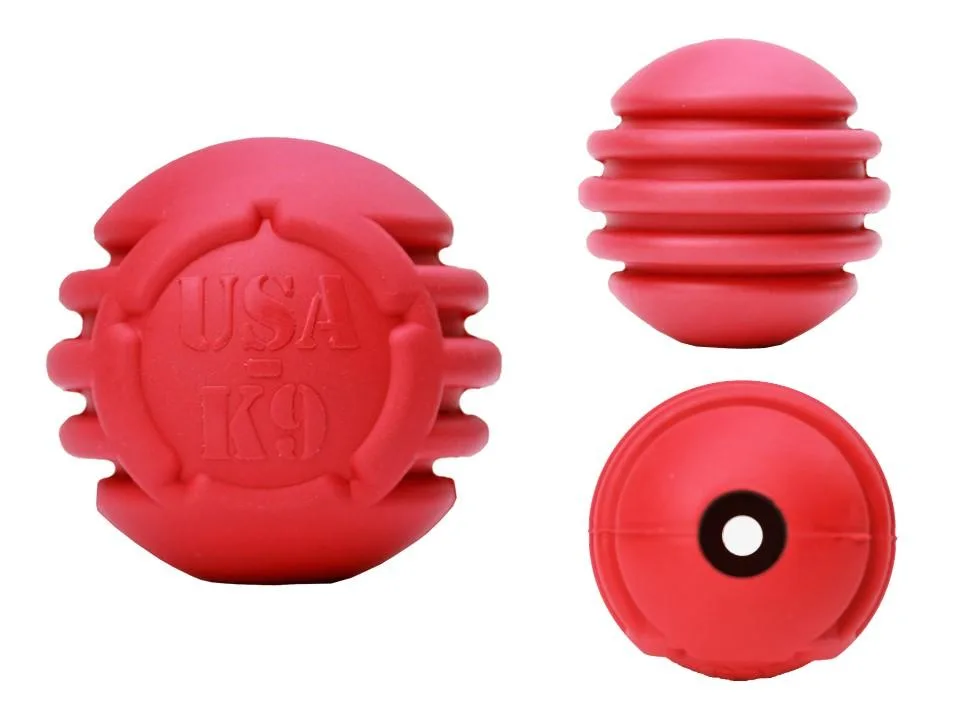
- NEW! K9 Power Chewer Tough Rubber Ball: K9 Power products are made to withstand aggressive, powerful chewers, and this ball is described as a strong, wear-resistant, fortified dog toy for dogs with sharp teeth and strong jaws. If your dog destroys soft toys in minutes, a solid rubber ball gives them a legal outlet that is far less appealing than your furniture.
- NEW!! Jack O’Lantern Durable Rubber Chew Toy & Dispenser: It is designed to withstand the abuse of most power chewer dogs, has a square shape that makes it tough and hard to destroy, and dispenses treats like kibble to reduce boredom and problem chewing. A treat-dispensing toy turns a chewing session into a job, which is exactly what a bored furniture chewer needs while you are away or busy.
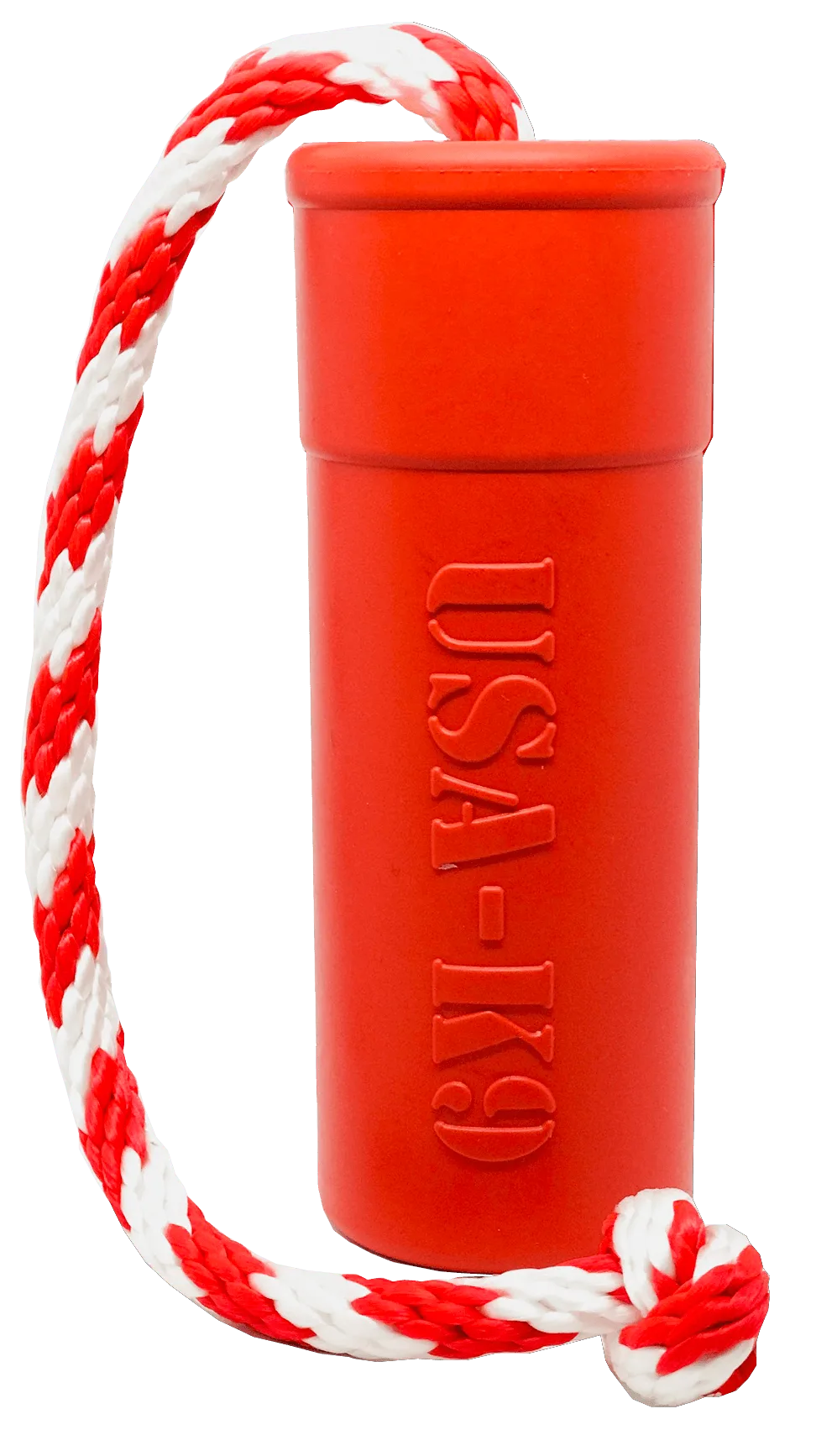
- NEW! K9 Tough Firecracker Rubber Floating Training Toy: It is a durable rubber floating training toy for dogs who love fetch or need to learn to retrieve objects. Adding structured fetch or retrieve work burns energy, and a tired dog is far less likely to redecorate your living room with their teeth.
Furniture chewing is solvable, but the fix starts with the cause, not the correction. Manage access, give your dog a real chew outlet every day, and reward the behavior you want. If the pattern changes suddenly or your dog is hurting themselves, stop the DIY plan and bring in your vet or a behavior professional.