Quick answer
A dog that slips out of a collar or leash is almost always exploiting a fit or technique gap, not plotting an escape. Check collar tightness first (two fingers should fit snugly, no more), then switch to a martingale or well-fitted harness if your dog backs out. If the problem happens during grooming or bathing, a suction-based stay-in-place leash removes the escape opportunity entirely.
Why dogs back out of collars and harnesses
Dogs escape collars in predictable ways: they pull backward when startled, drop a shoulder and twist, or simply walk out of a collar that is too loose. A collar that fits correctly should not slide over the ears when your dog pulls backward. If it does, the collar is too large or the style is wrong for your dog's neck shape.
Harnesses fail differently. A dog backing out of a harness usually has one of three issues: the chest strap is too low, the girth is too loose, or the harness style does not have a third attachment point. Step-in harnesses are the easiest to back out of because they rely on tension in one direction. Over-the-head harnesses with a belly strap are harder to escape but still need a snug fit.
The environment matters too. A slippery floor, a sudden noise, or a tight doorway can trigger the backward pull that starts the escape. If your dog only slips out in specific spots, note the pattern before you buy new gear.
Fit checks you can do in two minutes
Before you replace anything, test the gear you already have. Put the collar or harness on your dog and try to pull it over their head gently. If it comes off with light pressure, it is too loose. For collars, you should be able to fit two fingers between the collar and your dog's neck, but not three. For harnesses, check the girth strap first, then the chest strap, and finally the connection between the two.
Do the check after a short walk, not just in the living room. Gear shifts as dogs move, and a harness that feels snug at rest can loosen after ten minutes of pulling. If you find a loose point, tighten it one notch and repeat the test. If the harness still shifts, the size or style is wrong for your dog's body.
Technique fixes that stop the backward escape
Most leash escapes start with the handler pulling forward while the dog pulls backward. That tension creates the gap your dog needs. Instead, stop moving the moment your dog plants their feet and pulls back. Wait for them to release the tension, then reward forward motion. This removes the pressure that triggers the escape.
If your dog backs out when startled, practice a quick U-turn cue on quiet walks. Turn away from the trigger before your dog has a chance to brace. Keep the leash loose during the turn. A tight leash gives your dog something to pull against; a loose leash removes the leverage.
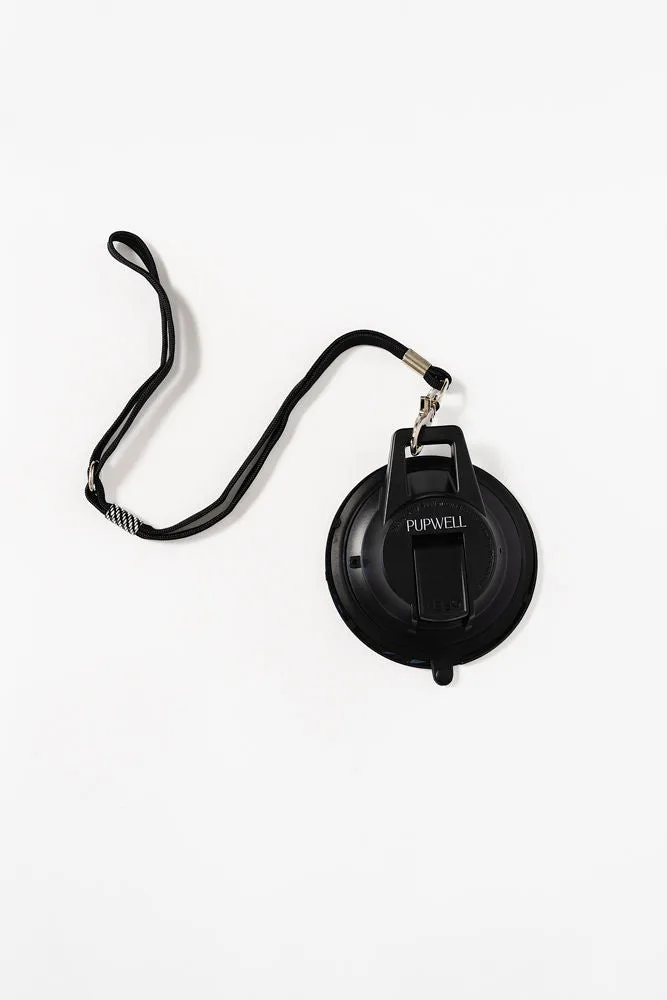
For dogs that slip out during grooming or bathing, the problem is different: you need them to stay in one place without a collar or harness. A suction-based leash like the Stay In Place Leash attaches to a tub or grooming table and holds your dog securely, so there is no collar to back out of.
When to change gear instead of technique
If your dog has escaped twice in the same week, stop walking in that gear. A dog that has learned the escape will repeat it, and each success makes the behavior harder to undo. Switch to a martingale collar for walks, which tightens slightly when your dog pulls backward but releases when they stop. For dogs that still back out, a harness with a belly strap and a front-clip attachment gives you more control.
If your dog slips out of every collar and harness you try, the issue may be your dog's body shape rather than the gear. Sighthounds, greyhounds, and dogs with narrow heads and thick necks are notoriously hard to fit. In that case, work with a trainer who can recommend specific brands or a custom-fit harness. Do not keep testing new gear on live walks; practice in a fenced area first.
Diagnose the escape: symptom, cause, fix, and stop point
- Symptom: Dog pulls backward and the collar slides over their ears: The collar is too loose or the wrong style for your dog's neck. A flat collar that fits correctly should not pass over the head when your dog pulls back. Tighten to two-finger fit. If it still slips, switch to a martingale collar.
- Symptom: Dog twists and steps out of a harness: The girth or chest strap is too loose, or the harness lacks a belly strap. Step-in harnesses are the easiest to escape. Tighten both straps and test after a five-minute walk. If the harness still shifts, replace it with an over-the-head style with a belly strap.
- Symptom: Dog escapes only during bathing or grooming: You are using a collar or harness in a slippery environment where the dog can brace and pull backward. The gear is not the problem; the setup is. Use a suction-based stay-in-place leash on a flat tub or table. If your tub surface is textured or curved, the suction cup may not adhere, so test it before relying on it.
- Stop point: You have tried a martingale collar, a well-fitted harness, and technique changes, and your dog still escapes: This is no longer a gear problem. Your dog may need a custom-fit harness or a trainer who can assess escape behavior in person. Stop walking in public until you have a secure setup. Practice in a fenced yard with a long line and a trainer if possible.
Gear that removes the escape opportunity
- Stay In Place Leash: Stay In Place Leash features a heavy-duty suction cup that adheres to flat, smooth surfaces with an attached loop leash to keep your pup in place during bath time or grooming. If your dog slips out of collars during grooming or bathing, this removes the collar entirely and holds them securely without a neck attachment.
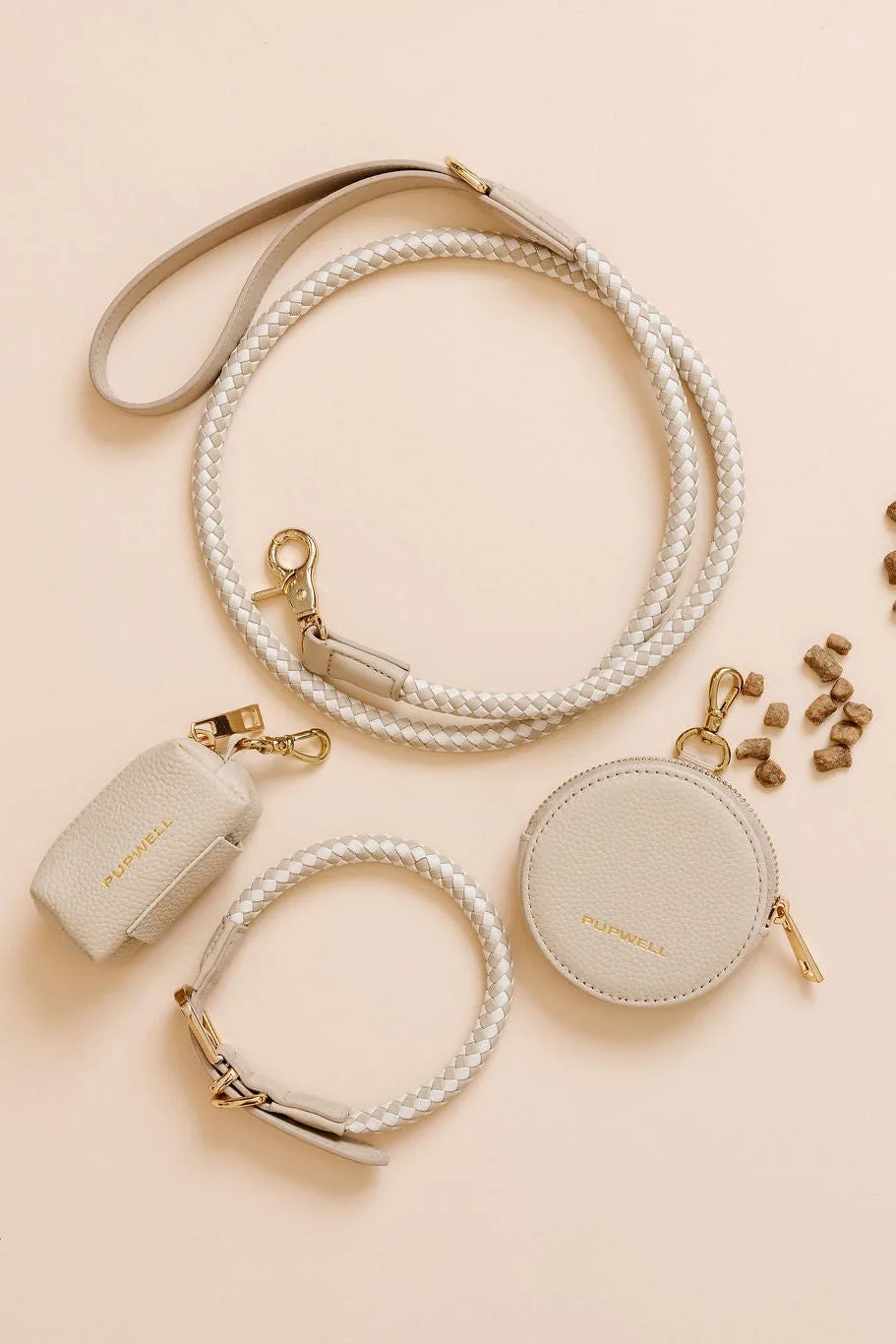
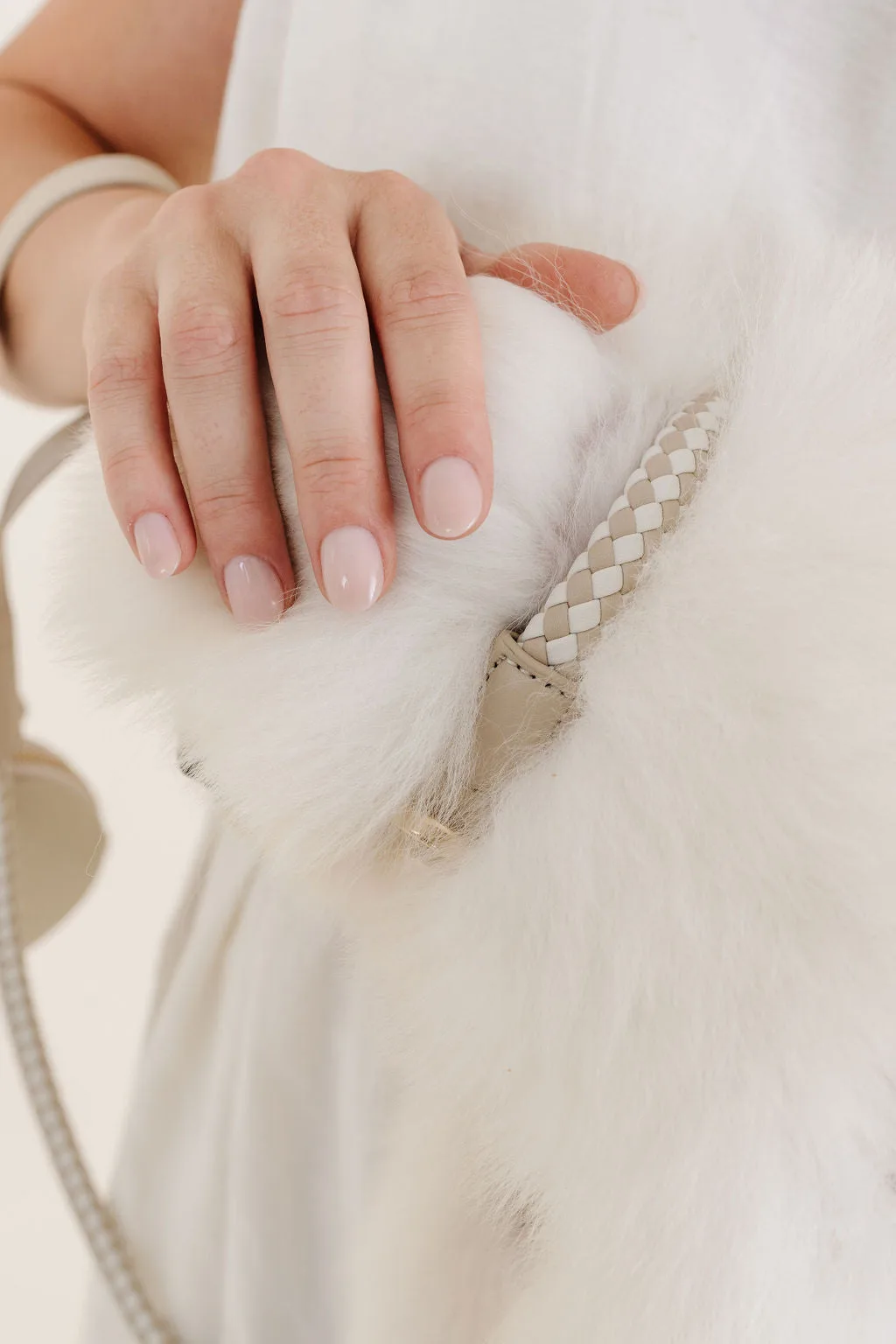
- City Walk Kit & FREE COLLAR: City Walk Kit includes a 33-inch city-length leash, a treat pouch, and a bag holder, plus a free braided rolled collar with purchase. A shorter leash gives you faster control when your dog backs up, and the included collar lets you test a different fit without buying separate pieces.