Quick Answer
Under-eye creasing is almost always a product-volume problem, not a bad foundation. Apply foundation and concealer in the thinnest layer that covers what you want to cover, set only the areas that actually move, and skip heavy powder under the eyes. If creasing still shows up within an hour, you are using too much product or the wrong prep for your skin type.
Why Foundation Settles Into Fine Lines
The skin under your eyes is thinner and moves more than the rest of your face. Every blink and expression pushes product into the natural folds. The more product you layer there, the more visible those folds become. This is why a full-coverage foundation that looks flawless on your cheeks can look heavy under your eyes.
The fix is not to avoid foundation under the eyes entirely. It is to use less of it, blend it differently, and let a lighter product do the coverage work where the skin is thinnest. If you are using a longwear formula like Pro Filt'r Soft Matte Longwear Foundation, remember that buildable coverage means you control the layers. One thin layer under the eyes is usually enough when you prep correctly.
Prep Steps That Reduce Creasing Before You Apply
Start with clean, lightly moisturized skin. Let your skincare absorb for a minute or two before makeup. If your under-eye area is dry, a thin layer of eye cream helps the foundation glide instead of grabbing. If your under-eye area is oily, skip heavy creams and use a lightweight moisturizer so product does not slide.
Do not apply foundation directly over a wet or tacky base. Wet skincare dilutes the formula and makes it break apart in the folds. Pat the area with a tissue if it still feels slick, then apply makeup. This single step prevents a lot of creasing before it starts.
- Moisturize, then wait 60–90 seconds before makeup.
- Blot away excess oil or cream with a clean tissue.
- Avoid layering eye cream and primer in the same spot.
Application: Thin Layers, Small Tools
Use a small amount of foundation and press it into the skin with a damp sponge or a small brush. Do not sweep or drag. Pressing keeps the product in place and avoids pushing it into the lines. Start at the inner corner and work outward, using what is left on the tool rather than adding more product.
If you need more coverage, wait a few seconds, then add a second thin layer only where you need it. Two thin layers crease far less than one thick one. For the under-eye area specifically, a tiny amount of foundation is often enough. Let the rest of your face carry the coverage.
Setting Without Caking
Powder is the step most people overdo. A light dusting of finely milled powder pressed into the under-eye area can lock makeup in place, but a heavy layer will settle into lines and look dry. Use a small fluffy brush or a damp sponge, pick up a tiny amount, tap off the excess, and press rather than sweep.
If your under-eye area is dry, you may not need powder at all. A setting spray can be enough to keep things in place without adding texture. If you are oily, powder only the inner corner and the very edge of the under-eye, leaving the center free so it can move naturally.
- Press powder in, do not sweep it across.
- Use less powder than you think you need.
- Skip powder entirely on very dry under-eyes.
When to Stop Adjusting and Try a Different Product
If you have tried thinner layers, better prep, and lighter setting and still see creasing within an hour, the issue may be the formula itself for that area. Some longwear foundations are designed for all-day hold and can be too much for thin under-eye skin. In that case, use a lighter coverage product under the eyes and keep your longwear foundation for the rest of your face.
There is also a point where creasing is simply your skin moving. Fine lines under the eyes are normal. If the crease appears only when you smile and disappears when your face is relaxed, that is not a makeup failure. Stop adding product to fix it. More layers will make it more visible, not less.
Crease Diagnosis: Match the Symptom to the Fix
- Creasing within 30 minutes: Product is too thick or your base was still wet. Use less foundation, wait for skincare to absorb, and press with a damp sponge instead of sweeping. If it still creases after two tries, switch to a lighter formula under the eyes.
- Creasing only after a few hours: This is usually oil or movement breaking down the product. Blot gently, then press a tiny amount of powder only where needed. Do not reapply foundation over the crease. A thin powder touch-up is enough. Adding more foundation will make it worse.
- Creasing that looks dry and cakey: You are using too much powder or your under-eye area is dehydrated. Skip powder for a few days, add a thin eye cream at night, and use a setting spray instead. If dryness persists, your skin needs moisture more than it needs setting.
- Creasing that only appears when you smile: This is normal skin movement, not a product failure. No amount of powder or primer will stop a crease that is created by your own expression. Stop adjusting. A thin layer that moves with your face looks better than a thick layer that cracks.
Products That Fit This Routine
- Pro Filt'r Soft Matte Longwear Foundation — #385: Pro Filt'r Soft Matte Longwear Foundation offers buildable, medium to full coverage in a range of 50 shades. Buildable coverage means you can use a thin layer under the eyes and add more only where you need it, which reduces the chance of creasing from too much product.
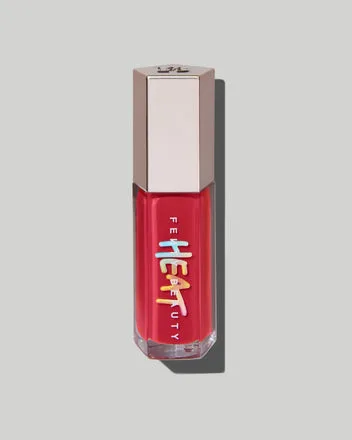
- Gloss Bomb Heat Universal Lip Luminizer Plumper: Gloss Bomb Heat Universal Lip Luminizer Plumper provides a high-shine, plumping lip look with a comfortable, non-sticky feel in a universal shade. A non-sticky lip product keeps your routine comfortable while you focus on the under-eye area, and the universal shade works across many complexions.