Quick answer
Most lunch bag leaks come from a damaged or dirty seal, overfilled containers, or containers that get squeezed sideways in a soft bag. Check the gasket for cracks or food debris, fill only to the fill line, and pack containers upright with a towel or divider to stop them tipping. If the seal is torn or the lid no longer snaps tight, replace the container rather than trying to patch it.
Check the seal before you blame the bag
Run a finger along the gasket or silicone ring inside the lid. You are feeling for three things: grit, cracks, and whether the ring still sits flat in its channel. A grain of rice or a dried bit of sauce breaks the contact line and creates a slow drip that shows up at the bottom of your bag two hours later. Rinse the lid in warm water, use a soft brush in the groove, and let it air-dry fully before closing. If the gasket is stretched, torn, or permanently dented, no amount of tightening will restore an airtight seal.
Fill lines and headspace matter more than lid torque
Soups, sauces, and juicy leftovers expand as they warm toward room temperature. Leaving one to two fingers of headspace gives that expansion somewhere to go instead of pushing liquid past the seal. Overfilling is the most common cause of an airtight container leak that only happens on the way to work, not in the fridge. Also let hot food cool to room temperature before lidding. Trapping steam raises the internal pressure and can force liquid out through the gasket as the container cools.
Pack the bag so containers stay upright
A soft lunch bag lets containers roll and tilt, which pools liquid against the lid instead of the base. Place the largest, heaviest container flat on the bottom, then wedge smaller ones beside it so they cannot slide. A folded dish towel, a stiff divider, or a separate insulated pocket for sauces keeps them vertical. If your commute involves a bike, a crowded train, or a backpack, assume the bag will be tipped at some point and choose containers with a locking or clamp-style lid for those days.
Temperature swings can undo a good seal
Going from a cold fridge to a warm car or a hot desk creates pressure changes inside any container. A seal that held fine overnight can weep by lunch. For commutes over 30 minutes in warm weather, use an insulated bag with a cold pack and avoid packing thin, watery liquids in the same container as dry items. If you routinely carry broth or dressing, a small dedicated sauce container with its own lid is more reliable than hoping a larger container's seal holds through every temperature shift.
Leak diagnosis: symptom, cause, fix, and when to stop
- Symptom: slow drip from the lid edge: Food debris or a slightly misaligned gasket is breaking the seal. Remove the gasket, wash both the lid and the ring in warm soapy water, and press the ring back evenly into its channel. Fill the container with water, seal it, and shake over a sink. If water still escapes after a clean, reseated gasket, the seal is worn and the container should be replaced.
- Symptom: leak only when the bag is tipped: The container is sliding in a soft bag. Repack so the largest container sits flat on the bottom, wedge smaller ones beside it, and add a towel or divider to stop movement. For sauces, use a separate small insert so a spill is contained. If your bag gets tossed sideways daily, switch to a container with a locking lid or a dedicated sauce container rather than fighting the bag.
- Symptom: leak after microwaving or a warm commute: Heat and pressure changes are forcing liquid out. Cool food before lidding, leave headspace, and use an insulated bag with a cold pack for longer trips. Avoid packing thin liquids in the same container as dry foods. If you regularly carry hot soup or broth, a screw-top thermos is a better choice than any standard storage container.
Containers built to reduce leak risk
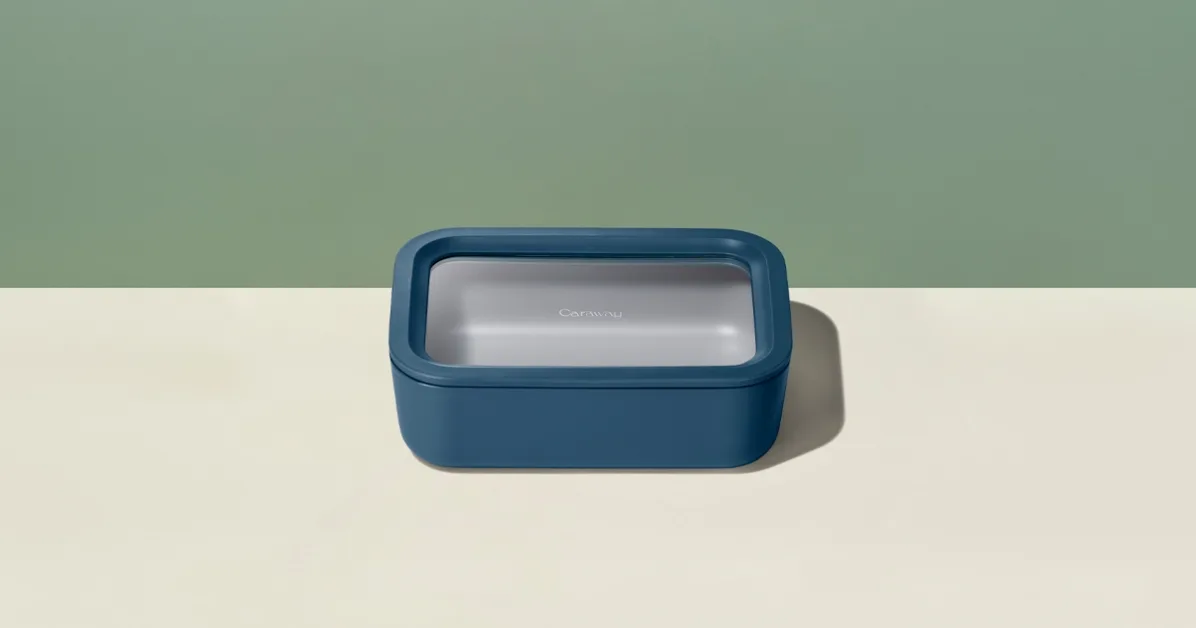
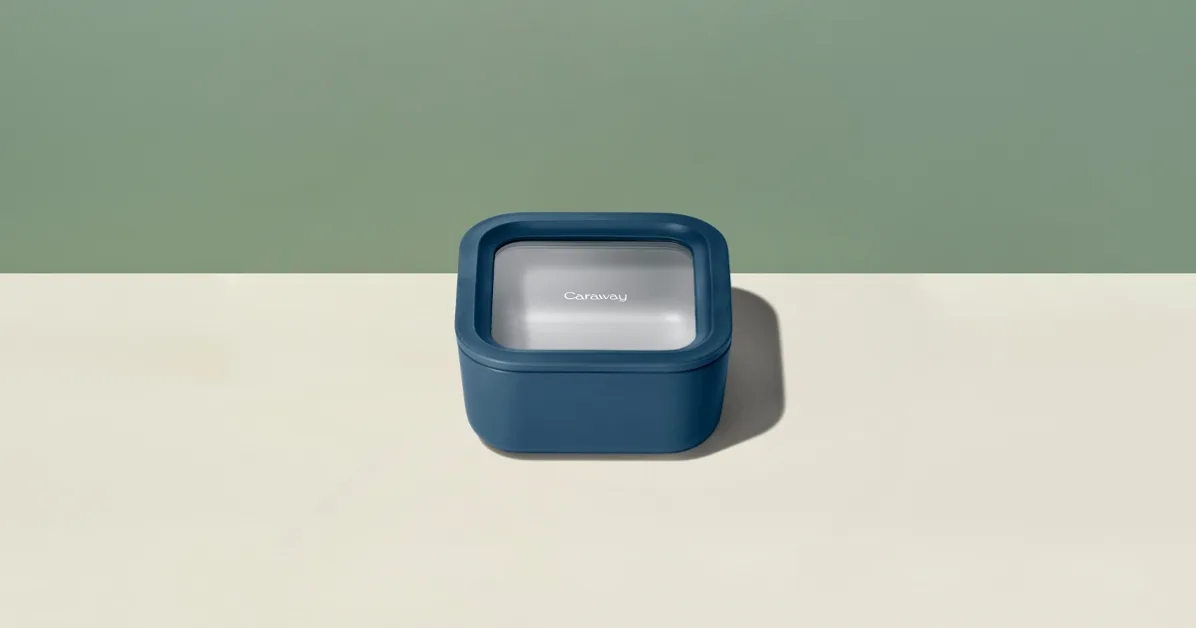
- Medium Storage Container: Caraway's medium container: ceramic food storage in a versatile medium container—non-toxic, ceramic food containers for fresh meal prep and easy storage. The medium size gives you enough headspace for soups and grain bowls, which lowers the chance of overfilling and pushing liquid past the seal.
- Small Storage Container: Caraway's BPA-free, ceramic-coated glass, and non-stick small food storage container makes prepping, storing, and serving easier than ever. A small container is easier to pack upright in a crowded lunch bag, so it stays flat and keeps its seal under pressure.
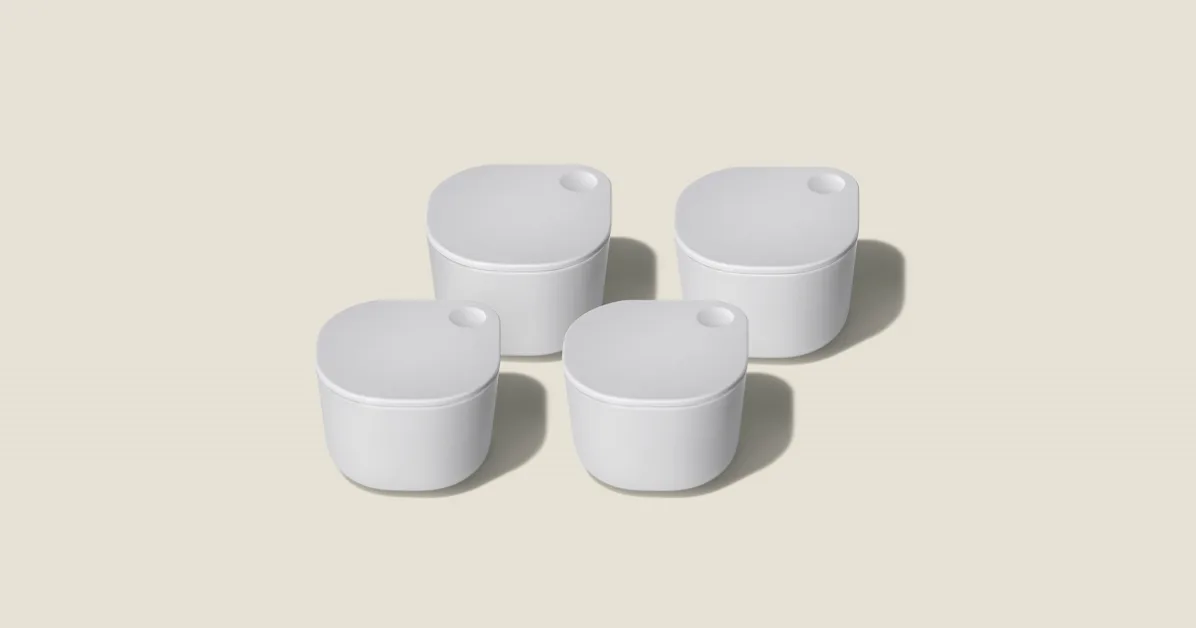
- Dot Container Set of 4: Caraway's Dot Containers are microwave-safe and non-toxic small sauce storage containers that let you organize sauces and leftovers separately; these BPA-free container inserts are perfect for prepping, storing, and serving. Keeping sauces in their own small insert means a leak stays contained instead of soaking your whole lunch.