Quick answer
Slow your dog's eating by switching to a slow feeder dog bowl, splitting meals into smaller portions, and removing competition or distraction at mealtime. Most dogs adjust within a week. If your dog gulps and then retches, bloats, or seems uncomfortable, treat it as a veterinary emergency and call your vet immediately.
If your dog inhales a bowl of kibble in under a minute, you are not alone. Fast eating is common, especially in multi-dog homes or with dogs that were fed on a schedule in a shelter or kennel. The problem is not just messy mealtimes. Gulping food can lead to vomiting, gas, and in some cases a serious condition called bloat, which is a medical emergency.
The good news is that you can change this behavior with a few practical adjustments. This guide walks you through a step-by-step process to slow down dog eating, from choosing the right bowl to building a calmer mealtime routine. You do not need expensive equipment or a complete diet overhaul to see results.
Why gulping food is worth fixing
When a dog eats too quickly, they swallow air along with their food. That trapped air can cause discomfort, flatulence, and in some cases vomiting. For deep-chested breeds like Great Danes, Standard Poodles, and Weimaraners, fast eating is one of several factors linked to bloat, a life-threatening condition where the stomach twists or distends. While fast eating alone does not cause bloat, reducing gulping is a sensible preventive measure.
Fast eating can also mean your dog is not chewing properly, which makes digestion harder. Some dogs gulp because they feel competition from other pets, while others learned to eat fast in a shelter or breeding kennel. Understanding the reason helps you choose the right fix. If your dog only gulps when other animals are nearby, the solution may be as simple as feeding in a separate room.
- Signs of fast eating include finishing a meal in under two minutes, not chewing, and immediately looking for more food.
- If your dog gulps and then shows a swollen belly, retching without vomiting, or restlessness, contact your vet right away.
Step 1: Rule out medical causes first
Before you change bowls or routines, have your vet check your dog for underlying issues. Conditions like intestinal parasites, diabetes, or thyroid problems can increase hunger and drive fast eating. If your dog has always eaten quickly and is otherwise healthy, a medical cause is less likely, but it is still worth a quick conversation with your vet, especially if the behavior started suddenly.
Your vet can also tell you whether your dog's body condition is healthy. Sometimes what looks like gulping is actually a dog who is not getting enough calories and is genuinely hungry. Adjusting portion size or meal frequency may be part of the solution.
- Bring a fresh stool sample to your vet visit if your dog has not been checked for parasites recently.
- Ask your vet whether your dog's current food and portion size are appropriate for their age and activity level.
Step 2: Choose a slow feeder dog bowl or puzzle feeder
A slow feeder dog bowl is the most direct tool for slowing down dog eating. These bowls have ridges, mazes, or raised patterns that force your dog to navigate around obstacles to reach kibble. Most dogs take two to five times longer to finish a meal from a slow feeder compared to a regular bowl. Start with a shallow pattern if your dog is new to slow feeders, then move to a more complex design as they get better at it.
If your dog is not food-motivated or gets frustrated easily, a puzzle feeder or a treat-dispensing toy can work as an alternative. The goal is the same: make eating take longer and require more mental effort. Some dogs do better with a simple scatter feed on a snuffle mat or a muffin tin, which is a low-cost DIY option.
- Wash slow feeders regularly, especially if you feed wet food or raw, to prevent bacteria buildup in the crevices.
- If your dog gives up or walks away, try a simpler bowl or scatter the food on a towel instead.
Step 3: Split meals into smaller portions
Instead of feeding one or two large meals, divide your dog's daily ration into three or four smaller meals. Smaller portions mean less food in the stomach at once, which reduces the urge to gulp and gives the digestive system time to process. This is especially helpful for dogs who gulp and then vomit undigested kibble.
If your schedule makes multiple meals difficult, consider using a timed feeder or a treat-dispensing toy that releases food slowly while you are away. Just make sure the total daily amount stays the same so you do not accidentally overfeed.
- Measure each portion with a kitchen scale or measuring cup so you can track exactly how much your dog eats per day.
- If you use a treat-dispensing toy, subtract those calories from your dog's main meals to avoid weight gain.
Step 4: Remove competition and distraction
In multi-pet homes, dogs often gulp because they fear another animal will steal their food. Feed each dog in a separate room or use a baby gate to create a visual barrier. Stay nearby but do not hover, as some dogs eat faster when they feel watched. Once your dog learns that no one is competing for their bowl, the pace usually slows on its own.
If you have young children, teach them not to approach the dog while eating. Even a well-meaning child can create enough pressure to trigger fast eating. A quiet, consistent location for meals helps your dog relax and focus on chewing.
- Feed the fastest eater first and the slowest eater last to reduce anxiety.
- Use a white noise machine or soft music if outside noises distract your dog during meals.
Step 5: Add food puzzles and enrichment outside of meals
Mental stimulation can reduce the frantic energy some dogs bring to mealtime. Food puzzles, snuffle mats, and chew toys that hold treats give your dog an outlet for natural foraging and chewing behaviors. A dog who has had a satisfying chew session earlier in the day may be calmer when the food bowl comes out.
For strong chewers, durable nylon or rubber toys that can be stuffed with treats are a good option. These toys also promote oral health by encouraging chewing, which can help clean teeth and massage gums. Rotate toys every few days to keep them novel and interesting.
- Freeze stuffed toys overnight for a longer-lasting challenge that also helps cool your dog on hot days.
- Supervise your dog with any new chew toy until you know they cannot break off pieces.
Step 6: Practice calm mealtime habits
Your own behavior at mealtime matters. If you rush to put the bowl down or get excited, your dog may mirror that energy. Instead, ask your dog to sit or wait for a few seconds before you place the bowl. This simple pause teaches impulse control and sets a calmer tone. You can gradually increase the wait time as your dog improves.
Avoid free-feeding, where food is left out all day. Free-feeding makes it harder to monitor how much and how fast your dog eats, and it can reduce the value of meals. Scheduled meals also help you predict potty breaks and monitor appetite changes that might signal illness.
- If your dog whines or barks while waiting, wait for a moment of silence before putting the bowl down.
- Pick up the bowl after 15 to 20 minutes if your dog walks away, and offer it again at the next scheduled meal.
Step 7: Monitor progress and adjust
Give any new routine at least a week before deciding whether it works. Keep a simple log of how long each meal takes, whether your dog vomits or burps excessively, and how their stools look. If you see improvement, stick with it. If your dog still gulps after two weeks, try a more complex slow feeder or smaller, more frequent meals.
Some dogs need a combination of strategies. For example, a slow feeder bowl plus separate feeding rooms plus a stuffed chew toy in the afternoon may finally do the trick. If your dog continues to gulp and shows signs of discomfort, talk to your vet about next steps, including a possible referral to a veterinary behaviorist.
- A healthy meal should take at least five minutes for most dogs; if it still takes under two, add more obstacles.
- Sudden changes in eating speed or appetite can signal pain or illness, so check with your vet if the behavior changes.
Your step-by-step slow-feeding plan
- Check with your vet: Rule out medical causes like parasites or metabolic issues before changing your dog's routine. If your dog has sudden appetite changes or discomfort, see your vet first.
- Switch to a slow feeder bowl: Choose a bowl with ridges or a maze pattern that forces your dog to work for each bite. Start simple and increase complexity as your dog adjusts. Most dogs take two to five times longer to eat from a slow feeder.
- Split meals into three or four smaller portions: Feed smaller amounts more often to reduce stomach volume at each meal. Use a measuring cup to keep total daily intake consistent. Smaller meals are easier to digest and reduce the urge to gulp.
- Feed in a quiet, separate space: Remove competition from other pets or children. Use a baby gate or closed door if needed. Dogs eat faster when they feel they might lose their food.
- Add daily food puzzles or stuffed chew toys: Use durable chew toys or puzzle feeders to provide mental stimulation and slow down eating outside of regular meals. A tired, mentally satisfied dog is often a calmer eater.
- Practice a calm mealtime routine: Ask your dog to sit or wait before you put the bowl down. Increase the wait time gradually. Impulse control at mealtime carries over into faster, calmer eating.
- Track progress for one week: Note how long each meal takes and whether your dog shows signs of discomfort. Adjust the bowl or routine if needed. If gulping continues after two weeks, consult your vet or a behaviorist.
Tools that can help
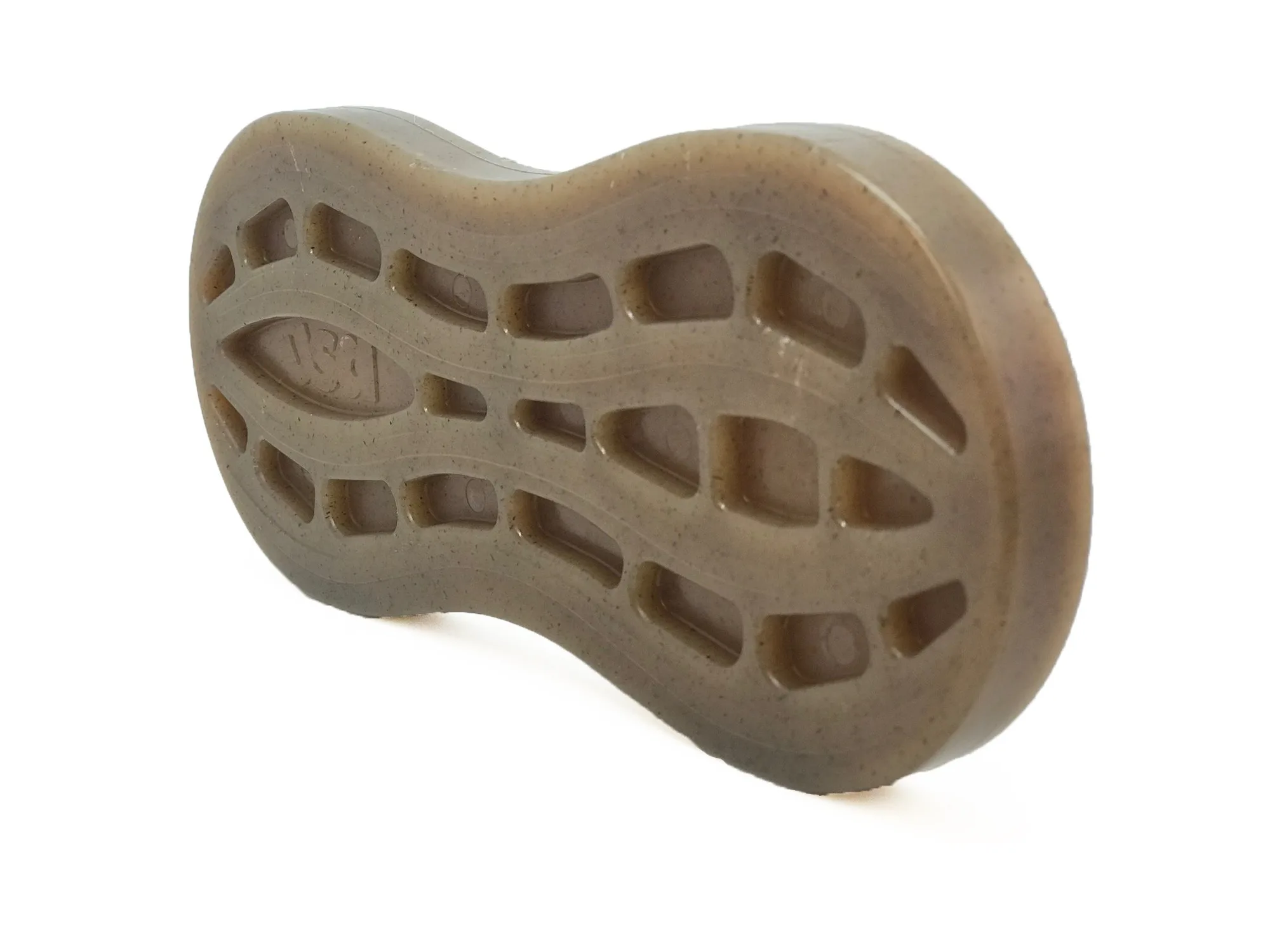
- Peanut Durable and Tough Nylon Chew Toy: This strong chew toy in the shape of a peanut is veterinarian-approved and can be filled with a sweet treat, like peanut butter. A stuffed chew toy gives your dog a slow, rewarding activity outside of meals, which can reduce mealtime frenzy and provide mental stimulation.
- NEW! Tough Rubber Treat Holder & Chew Toy: As a combination of a treat dispenser and chew toy, this rubber treat holder offers multiple benefits, including entertainment, mental stimulation, and oral health support. For dogs who gulp food, a treat-dispensing toy turns eating into a slower, more engaging process and can be used as a meal replacement when you need to leave the house.
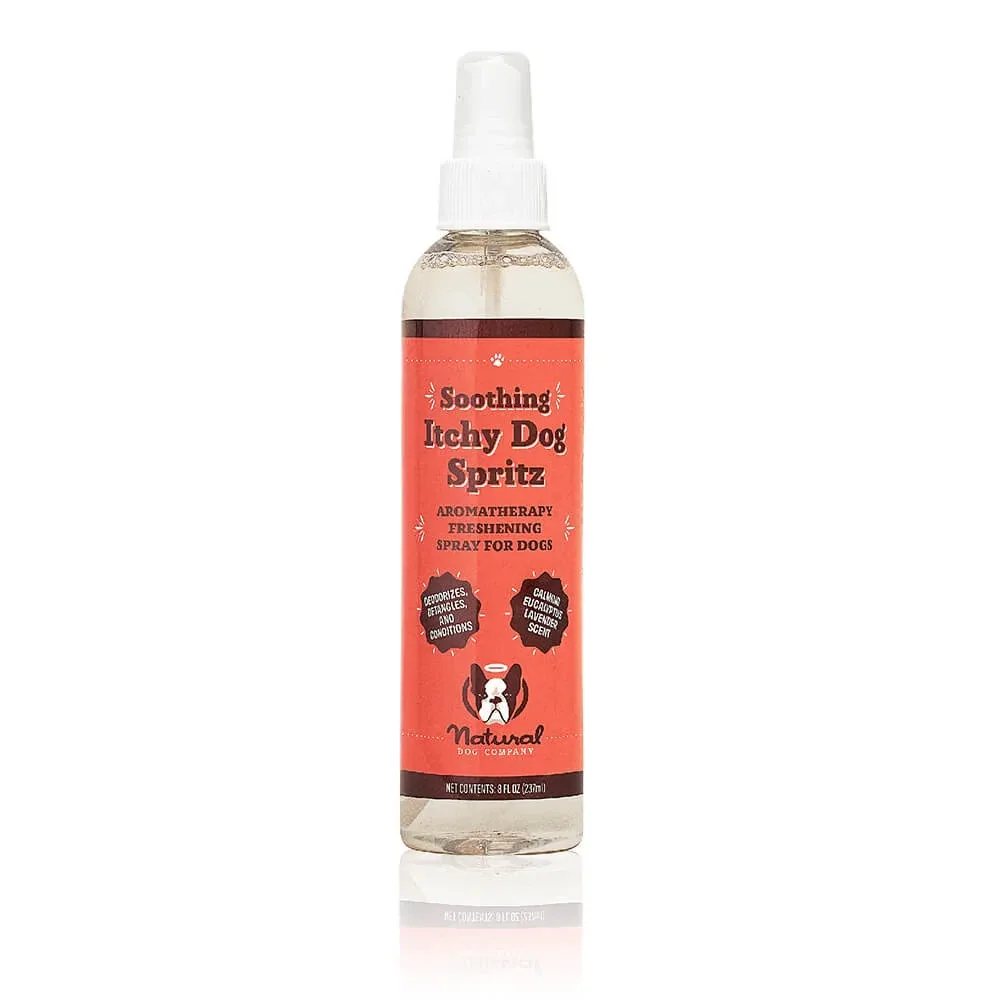
- Itchy Dog Spritz: This soothing spritz uses natural ingredients like lavender, eucalyptus, and aloe vera to refresh your dog's coat between baths. If your dog's fast eating is linked to stress or allergies that cause itching, a calming spritz can help them relax, though it is not a direct fix for gulping.
Slowing down a fast eater takes patience and consistency, but the payoff is better digestion, less risk of bloat, and a calmer dog at mealtime. Start with a slow feeder bowl and smaller portions, then layer in the other steps as needed. If you ever see signs of bloat, call your vet immediately.