Quick answer
Keep unshot 35mm film in its sealed canister in a cool, dry, dark place, and move it to the fridge only if you will not shoot it within a few months. After shooting, keep exposed rolls in a labeled, airtight container at room temperature and develop them as soon as practical. Avoid heat, humidity, and rapid temperature changes, and never freeze film you plan to load soon.
Why film storage is really about heat, humidity, and time
Film is a chemical product. Heat speeds up the reactions that cause color shifts and fogging, humidity can damage emulsions and encourage mold, and time gives both problems more room to work. Light is the fourth enemy, which is why unshot rolls belong in their original light-tight canister until you load them.
The practical takeaway is that film storage temperature tips are less about chasing a single perfect number and more about avoiding extremes and swings. A cool, stable closet is fine for film you will shoot in the next few weeks. A refrigerator helps when you are stockpiling rolls for months, but it introduces condensation risk if you skip the warm-up step.
Before shooting: protect unopened and partial rolls
Keep factory-sealed rolls in their original canisters and boxes. The packaging blocks light and slows moisture exchange. If you have already opened a roll but have not loaded it, return it to its canister and keep it in a dark drawer or bag rather than loose in a hot car or a sunny windowsill.
If you keep film in the fridge, use a dedicated airtight container or zip bag so the film is not exposed to food odors and spills. Let rolls reach room temperature before opening the container. This is the step most people rush, and it is the one that causes condensation on the film surface.
After shooting: label, contain, and develop
Once a roll is exposed, it is no longer protected by the same assumptions. Put each roll in a labeled container or bag with the date and any notes about the shoot. Storing exposed film rolls together without labels makes it easy to lose track of what is shot and what is still fresh.
Room temperature is usually fine for exposed rolls you will develop within a few weeks. If you must hold them longer, a cool, dry place is better than a hot one, but keep them away from strong light and moisture. The longer exposed film sits, the more opportunity there is for latent image changes, so developing sooner is the safer habit.
Fridge storage: when it helps and when it hurts
A film fridge storage guide is useful mainly for bulk buying or long-term keeping. If you shoot a few rolls a month, a cool closet is simpler and avoids condensation entirely. If you buy a brick of film and will not touch it for months, refrigeration can help slow aging.
Do not freeze film you plan to load in the next day or two. Do not put film in the fridge door, where temperatures swing every time the door opens. And do not move film straight from a cold fridge into a warm, humid room and open it immediately.
How long can you keep film fresh?
Kodak film shelf life depends on storage conditions and the specific emulsion, so no single number covers every roll. The expiration date on the box is a guide, not a hard cutoff. Film stored cool and dry often remains usable past that date, while film kept in a hot car can degrade much faster.
If you are unsure whether an old roll is still good, shoot it in a low-stakes situation first. That tells you more than guessing from the date alone, and it protects important shots from a roll you have not tested.
Step-by-step 35mm film storage routine
- Step 1: Sort film by status: Separate unshot rolls, partial rolls, and exposed rolls before you store anything. Keep unshot film in its sealed canister, partial rolls in a labeled canister or bag, and exposed rolls in a separate labeled container. Checkpoint: if you cannot tell shot from unshot at a glance, your labeling is not working.
- Step 2: Choose a stable location: Pick a cool, dry, dark place away from radiators, windows, cars, and damp basements. A closet shelf works for film you will shoot soon; a refrigerator works for longer-term stock. Common mistake: storing film in a hot car or a humid bathroom between shoots.
- Step 3: Contain and label everything: Use airtight containers or zip bags for fridge storage, and write the date and film type on each roll or bag. Keep exposed rolls together but separate from unshot stock. Checkpoint: a roll with no label is a roll you will eventually confuse with fresh film.
- Step 4: Warm up before opening: When you take film out of the fridge, leave it sealed until it reaches room temperature. This can take an hour or more depending on the container and room. Common mistake: opening a cold canister immediately and letting condensation form on the film.
- Step 5: Develop exposed rolls promptly: Send exposed rolls to the lab as soon as practical. If you must wait, keep them cool, dry, labeled, and out of direct light. Next step: develop your oldest exposed roll first so nothing sits forgotten for months.
Film storage facts for rolls you may already own
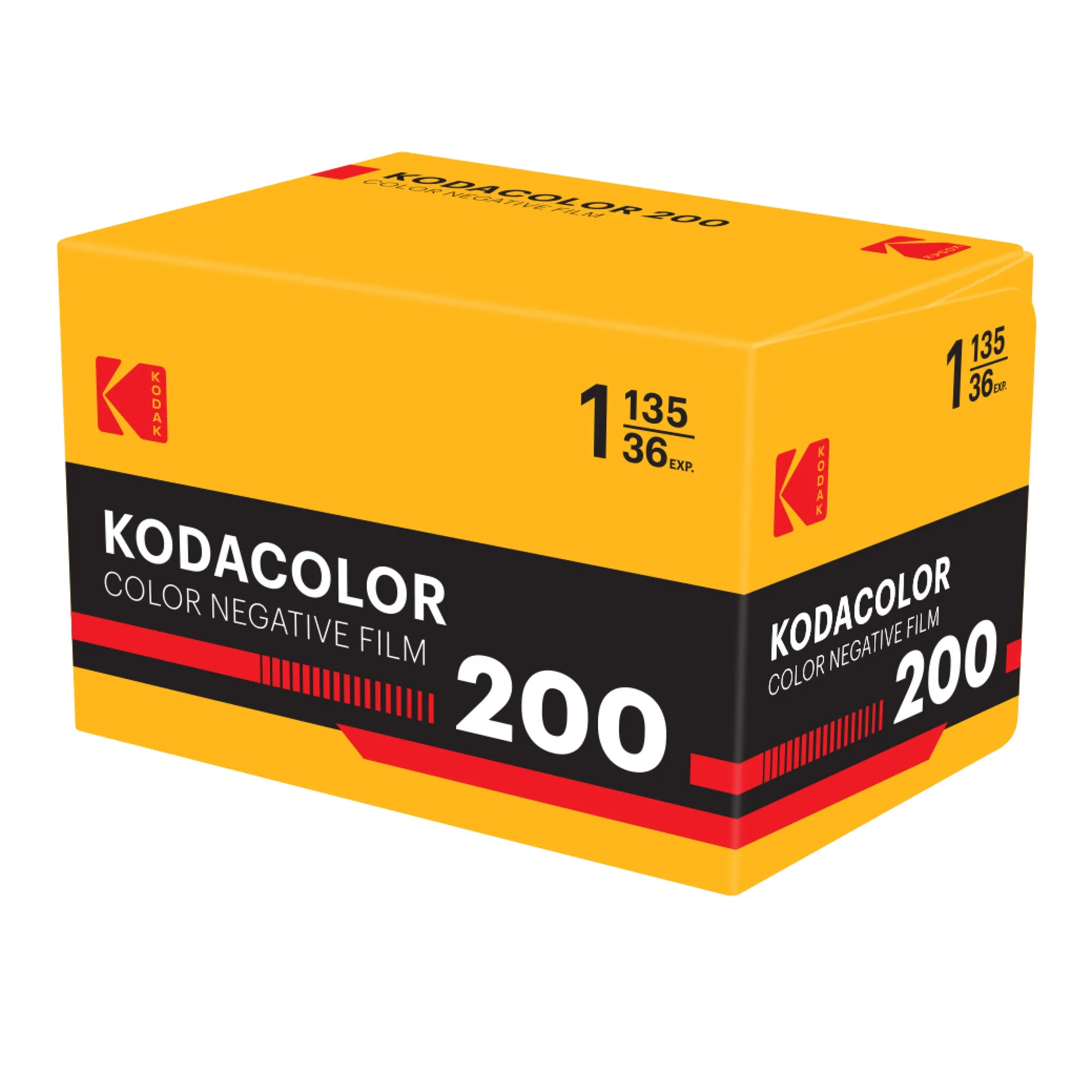
- Kodak Kodacolor 200 Color Negative Film - 35mm Roll Film, 36 Exposures (ISO 200): Kodak Kodacolor 200 is a daylight-balanced color negative film with ISO 200, 36 exposures, fine grain, and wide exposure latitude. A general-purpose color negative roll like this is a good candidate for cool, dark storage because you may buy several and shoot them over months.
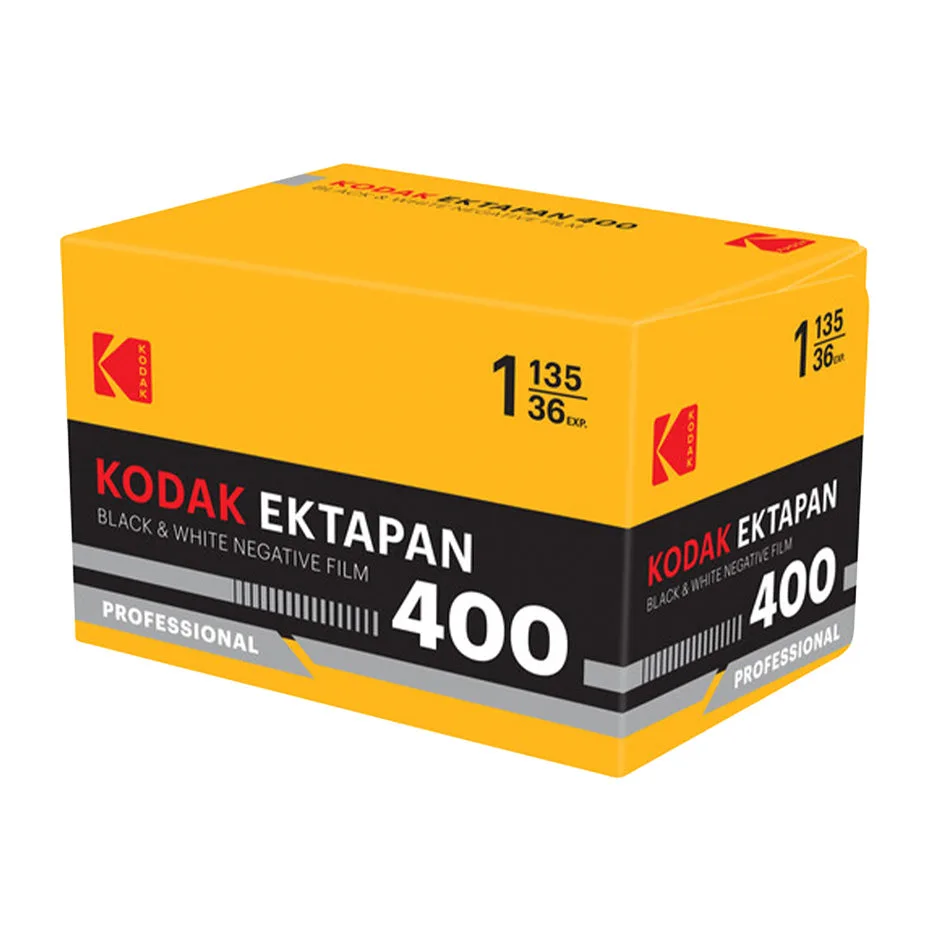
- Kodak EKTAPAN 400 Black and White Negative Film - 35mm Roll Film, 36 Exposures (ISO 400): Kodak EKTAPAN 400 is a black and white negative film with ISO 400, high sharpness and contrast, and an ultrafine-grain T-Grain emulsion. Black and white film still needs the same heat, humidity, and light protection, so storage habits should not change just because the film is monochrome.
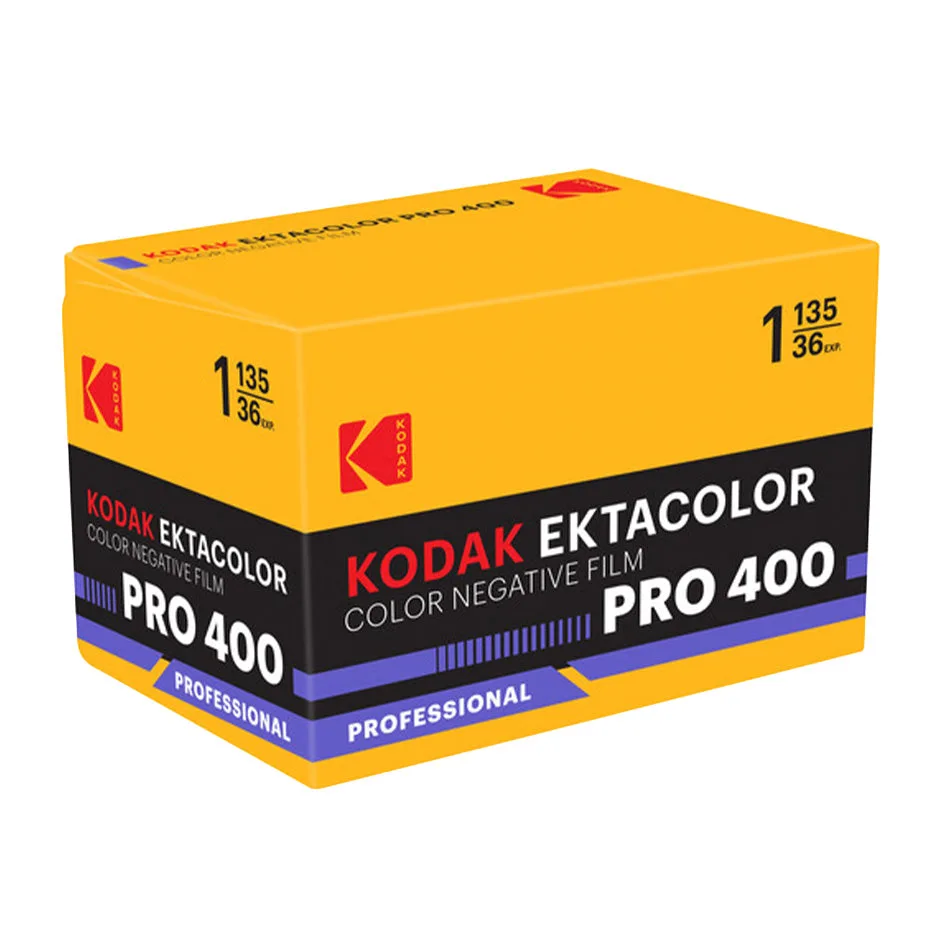
- Kodak EKTACOLOR PRO 400 Color Negative Film - 35mm Roll Film, 36 Exposures, Single Roll (ISO 400): Kodak EKTACOLOR PRO 400 is a daylight-balanced color negative film with ISO 400, ultrafine grain, and accurate color reproduction for natural skin tones. If you keep a faster color film on hand for low light, store it the same way you store slower rolls and develop exposed rolls promptly to protect color consistency.