Quick Answer
Store a 20-year-old wine in a stable, cool, dark environment with humidity around 60-70% and lay the bottle on its side to keep the cork moist.
Why 20-Year-Old Wines Need Special Care
By age 20, a wine's structure has mellowed and its flavors have developed complexity. The cork is more brittle and prone to drying out, and sediment has likely formed. Temperature swings above 70°F (21°C) can cook the wine and accelerate aging, while a cork that dries out lets in oxygen and ruins the bottle.
Trade-Offs in Storage Choices
A dedicated wine fridge offers the most reliable temperature and humidity control, but takes up space and costs more. A dark closet in a basement can work if temperatures stay below 65°F (18°C) year-round—but avoid attics, garages, and kitchens. For wines like a 2005 Burgundy (e.g., Domaine Coche-Dury Corton-Charlemagne), even minor temperature fluctuations can diminish its delicate mineral tension and precision.
How to Store Your 20-Year-Old Wine: 5 Steps
- Step 1: Choose a Stable, Cool Location: Keep the wine at a constant 50–65°F (10–18°C). Avoid any spot with temperature swings, such as near a heater, oven, or sunny window. A basement or wine fridge works best. Common mistake: Storing wine in the kitchen or garage, where temperatures fluctuate daily.
- Step 2: Maintain Proper Humidity: Aim for 60–70% humidity to keep the cork from drying out and letting in air. If your storage area is too dry, place a small humidifier nearby. Too humid? Use a dehumidifier to prevent mold. Checkpoint: A dried cork shrinks and can break when you try to open the bottle.
- Step 3: Lay Bottles Horizontally: Store bottles on their side so the wine stays in contact with the cork. This keeps the cork moist and sealed. Vertical storage for more than a few weeks can dry out the cork. Common mistake: Standing a bottle upright for months before serving, which can cause the cork to dry and crumble.
- Step 4: Protect from Light and Vibration: Keep bottles away from direct sunlight and fluorescent lights. Vibration from appliances or foot traffic can disturb sediment and speed up chemical reactions, so pick a quiet spot. Checkpoint: Sediment is normal in aged wines; handle the bottle gently to avoid stirring it up.
- Step 5: Monitor and Rotate Occasionally: Every 6–12 months, check the bottle for any signs of leakage, mold, or cork push. Gently rotate the bottle a quarter turn to keep the cork evenly moist. Use a wine cellar tracker app to note your inventory. Common mistake: Forgetting about the wine for years—regular checks help catch problems early.
Products That Benefit From Proper Storage
-
DOMAINE COCHE-DURY CORTON-CHARLEMAGNE GRAND CRU 2005, Burgundy: The bouquet is imbued with spine-tingling mineralite and a shimmering tension that is impossible to encapsulate in words. This delicate character is easily lost if the bottle is stored in fluctuating temperatures or dry conditions, so investing in proper storage preserves its elegance for special occasions.
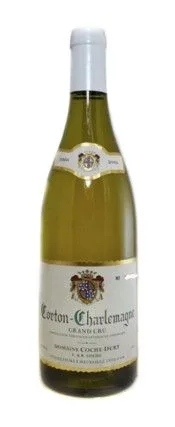
DOMAINE COCHE-DURY CORTON-CHARLEMAGNE GRAND CRU 2005, Burgundy