Quick Answer
Store acrylic powder in its original sealed jar, away from light, heat, and moisture, at a steady room temperature. Store monomer in a tightly closed, labeled glass or original container in the same cool, dark spot, never in the fridge or a hot car. Keep both away from open flames, wipe jar rims before closing, and replace powders that clump or smell sour.
Acrylic powder and monomer are the two most sensitive products on your nail table. Powder pulls moisture from the air, and monomer evaporates and degrades when it is exposed to heat, light, or oxygen. Good nail product storage is not about being fussy; it is about keeping the chemistry stable so your beads behave the same way in month six as they did on day one.
This guide walks through seven storage steps that apply whether you keep a small kit at home or stock a full salon shelf. Each step includes the mistake that causes the most damage, plus a checkpoint so you can tell whether a product is still usable before it ruins a set.
Why Storage Changes How Acrylic Powder and Monomer Perform
Acrylic powder is a polymer that absorbs liquid monomer. When the jar is left open or stored in a humid room, the powder takes on moisture from the air. That moisture throws off the powder-to-monomer ratio, so the same bead you mixed last week suddenly runs, sets too fast, or looks cloudy. Monomer has the opposite problem: it evaporates and oxidizes. Heat speeds that up, and a partly empty bottle with a loose cap will thicken and discolor faster than a full, sealed one.
Light matters too. Clear containers left on a sunny windowsill let UV light reach the product. Over time that can shift color and weaken adhesion. The fix is simple and cheap: a closed cabinet or drawer, steady room temperature, and containers that seal properly. You do not need a laboratory, just a consistent environment.
- Keep the workspace away from windows, radiators, and vents that blow humid air.
- A digital thermometer in your storage drawer helps you notice heat spikes before they damage product.
Step 1: Keep Powders in Their Original Sealed Jars
The jar your powder arrived in is designed to seal against moisture. Transferring powder into a decorative container, a plastic bag, or a mixed palette exposes it to air every time you open it. If you like to decant small amounts for a single service, use a tiny lidded cup and refill it only when needed rather than pouring the whole jar out.
Check the seal itself. Powder can cake around the rim and stop the lid from closing fully. Wipe the threads with a dry paper towel before you screw the lid back on. If the lid no longer snaps or threads tightly, move the powder to a clean, dry jar with a gasket, or use it up first.
- Never store powder with the lid resting loosely on top, even overnight.
- Label the jar with the date you opened it so you can track shelf life of acrylic powder over time.
Step 2: Close Monomer Tightly and Keep It Upright
Monomer storage tips start with one habit: close the bottle the moment you finish pouring. Monomer evaporates quickly, and every minute with an open cap thickens what is left. Keep the bottle upright so liquid does not pool in the cap threads, where it dries into a crust that breaks the seal.
If you pour into a working dish, pour only what you need for that service and discard the leftover rather than pouring it back into the main bottle. Used monomer can carry dust, cured bits, and moisture back into your clean supply. A small funnel is not necessary; a steady hand and a shallow dish are enough.
- Wipe the bottle neck and cap threads with a lint-free wipe before closing.
- Do not store monomer in a squeeze bottle with a narrow tip for long periods; the tip clogs and the seal is weaker.
Step 3: Choose a Cool, Dark, Steady Spot
The best storage spot is a closed cabinet or drawer at room temperature, out of direct sun and away from heat sources. Avoid the bathroom, where humidity swings with every shower, and avoid the garage or a shed, where summer heat and winter cold push products through repeated temperature changes. Those swings are harder on powder and monomer than a slightly warm but steady room.
Do not refrigerate monomer or powder. Cold causes condensation when the container is opened, and that moisture is exactly what you are trying to keep out. If your storage area does get hot, move products to an interior closet or a lower cabinet rather than trying to cool them after the fact.
- Keep products off the floor, where spills and dampness are more likely.
- Store away from open flames, pilot lights, and any ignition source; monomer vapor is flammable.
Step 4: Control Moisture and Contamination at the Jar
Every time you dip a brush or a scoop into powder, you risk carrying monomer, dust, or skin oils into the jar. Use a clean, dry scoop or a dedicated powder spoon instead of dipping wet tools. If you work from a small dish, cover it between clients so airborne dust and moisture do not settle in.
Humidity is the quiet enemy. In damp climates, a sealed storage bin with a desiccant packet can help, but only if the bin itself seals well. Do not put desiccant directly against powder; keep it in a corner of the bin. If powder already feels damp or forms hard clumps that do not break apart with a light shake, it has taken on moisture and should be replaced.
- Never use the same scoop for different powders without wiping it dry first.
- If you see color specks in a light powder, contamination has occurred; discard that jar.
Step 5: Rotate Stock and Track Open Dates
First in, first out is the simplest way to avoid waste. Put new jars behind older ones and use the oldest open container first. Write the open date on the lid with a marker. Powder and monomer do not carry a printed expiration date on every label, so your own date is the only reliable record you have.
There is no single universal shelf life for acrylic powder; it depends on the formula and how it has been stored. As a practical rule, judge by behavior rather than the calendar. Powder that still flows, mixes smoothly, and sets evenly is fine. Powder that clumps, smells sour, or produces cloudy beads has degraded, regardless of when you bought it.
- Keep a small inventory note on your phone with open dates and jar sizes.
- Buy the size you will finish in a few months rather than the largest jar if you work slowly.
Step 6: Store Powders by Color and Finish Without Cross-Contamination
Colored powders need their own space. A tiny amount of a dark pigment in a light powder is visible in the finished nail, and glitter particles travel even more easily. Keep jars closed and separate, and use a different scoop for each color family. If you store several jars in one bin, stand them upright so powder does not migrate into the threads of neighboring jars.
For a growing collection, a divided drawer or a labeled bin with individual slots works better than a single deep container. This also makes it easier to spot a jar that has been left open or a lid that is not seated. The goal is not a perfect system; it is a setup where you can see and reach every jar without digging.
- Group by color family and keep glitter powders in a separate bin.
- Wipe the outside of jars before returning them to storage to remove dust.
Step 7: Do a Monthly Product Check
Once a month, open each jar and bottle briefly. Powder should flow freely and smell neutral. Monomer should be clear or the color stated on the label, with no stringy texture or strong sour odor. Check lids for cracks and gaskets for wear. This five-minute routine catches problems before they show up in a client's set.
If you find a compromised product, do not try to revive it by adding fresh monomer or powder. Mixing degraded product with good product spreads the problem. Remove it from your working stock, note what happened, and adjust your storage so the next jar lasts longer.
- Replace cracked lids or warped jars immediately.
- Keep a small backup jar of your most-used powder so a failed jar does not stop your day.
Seven Storage Steps at a Glance
- Keep powder in its original sealed jar: Wipe the rim and threads dry before closing so the lid seats fully. Checkpoint: the lid should not rock or lift when pressed.
- Close monomer tightly and keep it upright: Cap the bottle immediately after pouring and wipe the neck clean. Checkpoint: no crusted ring around the cap threads.
- Store in a cool, dark, steady spot: Use a closed cabinet or drawer at room temperature, away from windows and heat. Checkpoint: no direct sun and no nearby radiator or vent.
- Control moisture and contamination: Use dry scoops, cover working dishes, and never dip wet tools into the jar. Checkpoint: powder flows freely and does not form hard clumps.
- Rotate stock and track open dates: Write the open date on the lid and use the oldest open container first. Checkpoint: you can name the open date of every jar in use.
- Separate colors and finishes: Group by color family, keep glitter apart, and use a dedicated scoop per color. Checkpoint: no dark specks or glitter in light powders.
- Do a monthly product check: Open each container briefly to check smell, texture, and lid condition. Checkpoint: discard any product that is stringy, sour, or permanently clumped.
Product Facts That Affect Storage
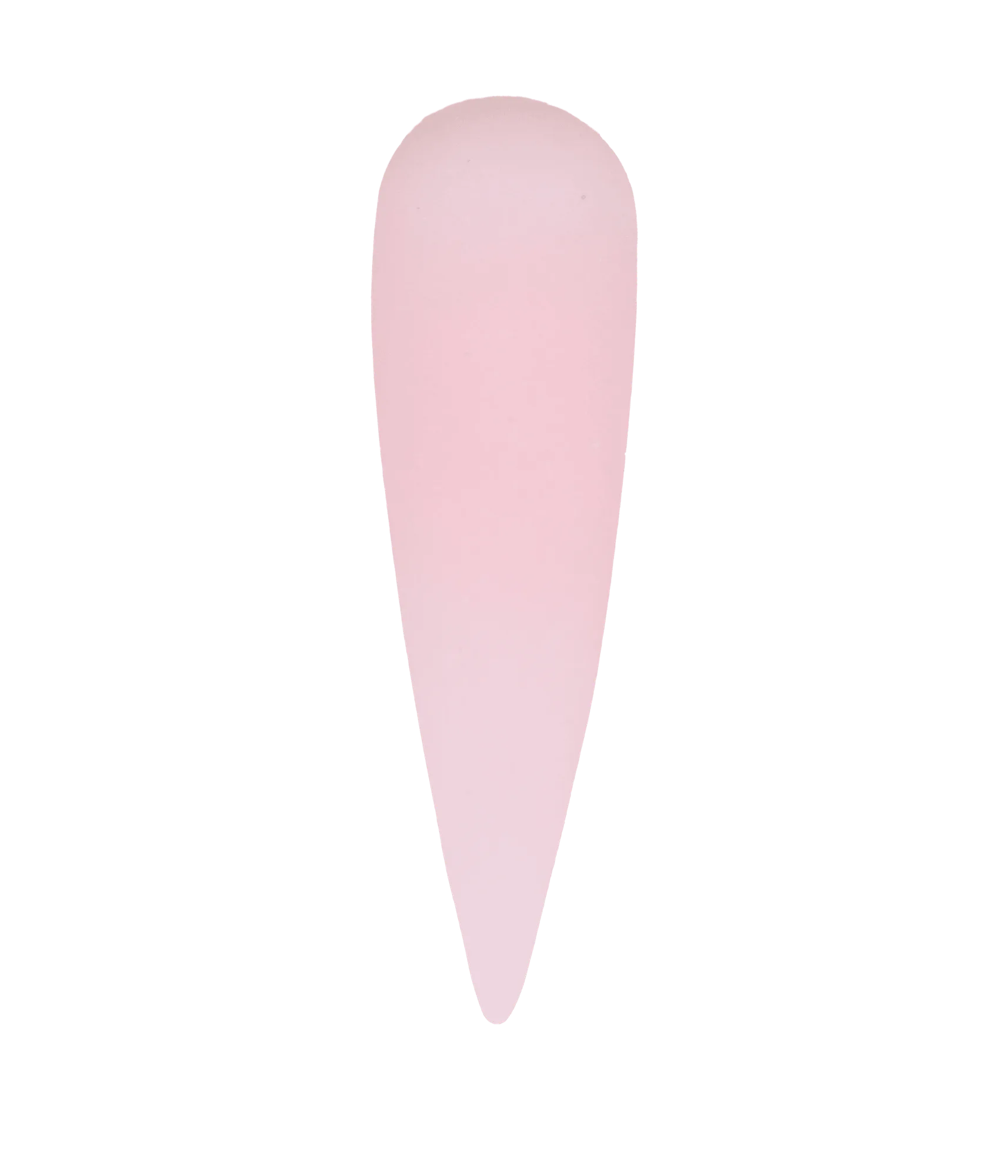
- Pink Drink #15 Acrylic Nail Powder: Jessica Danielle Nails uniquely formulated acrylic powder is designed for a butter-like consistency and a smooth, professional-grade finish. A powder with a butter-like consistency is sensitive to moisture pickup; sealing the jar tightly keeps that workable texture instead of letting it turn clumpy.
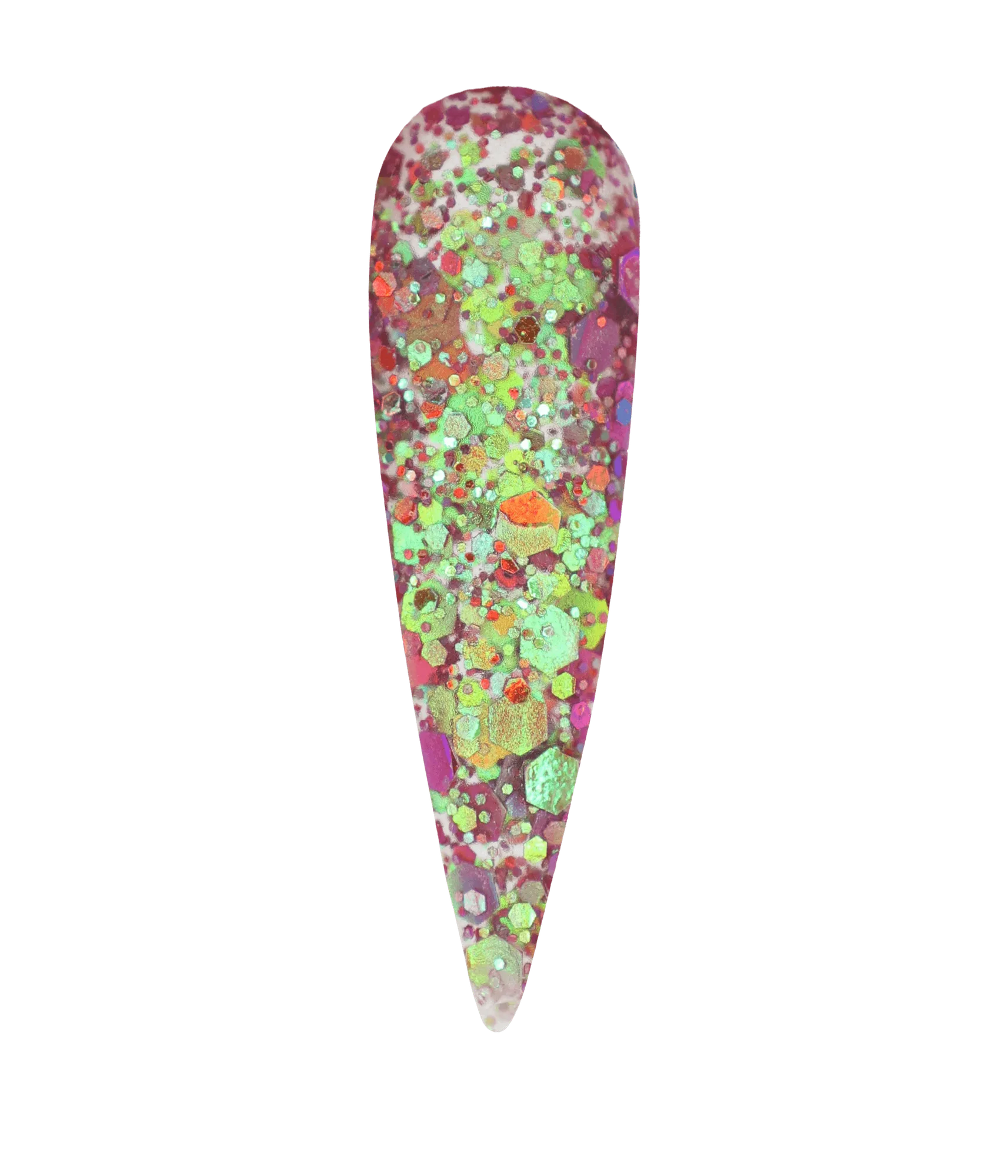
- #21 Christmas Party - Acrylic Nail Powder: This super fine acrylic nail powder absorbs liquid evenly and is self-leveling, with high pigmentation and strong adhesion, and it can be applied with monomer or a dip system. Because it is highly pigmented, a small amount of cross-contamination from another color shows clearly, so store it separately and use a clean scoop.
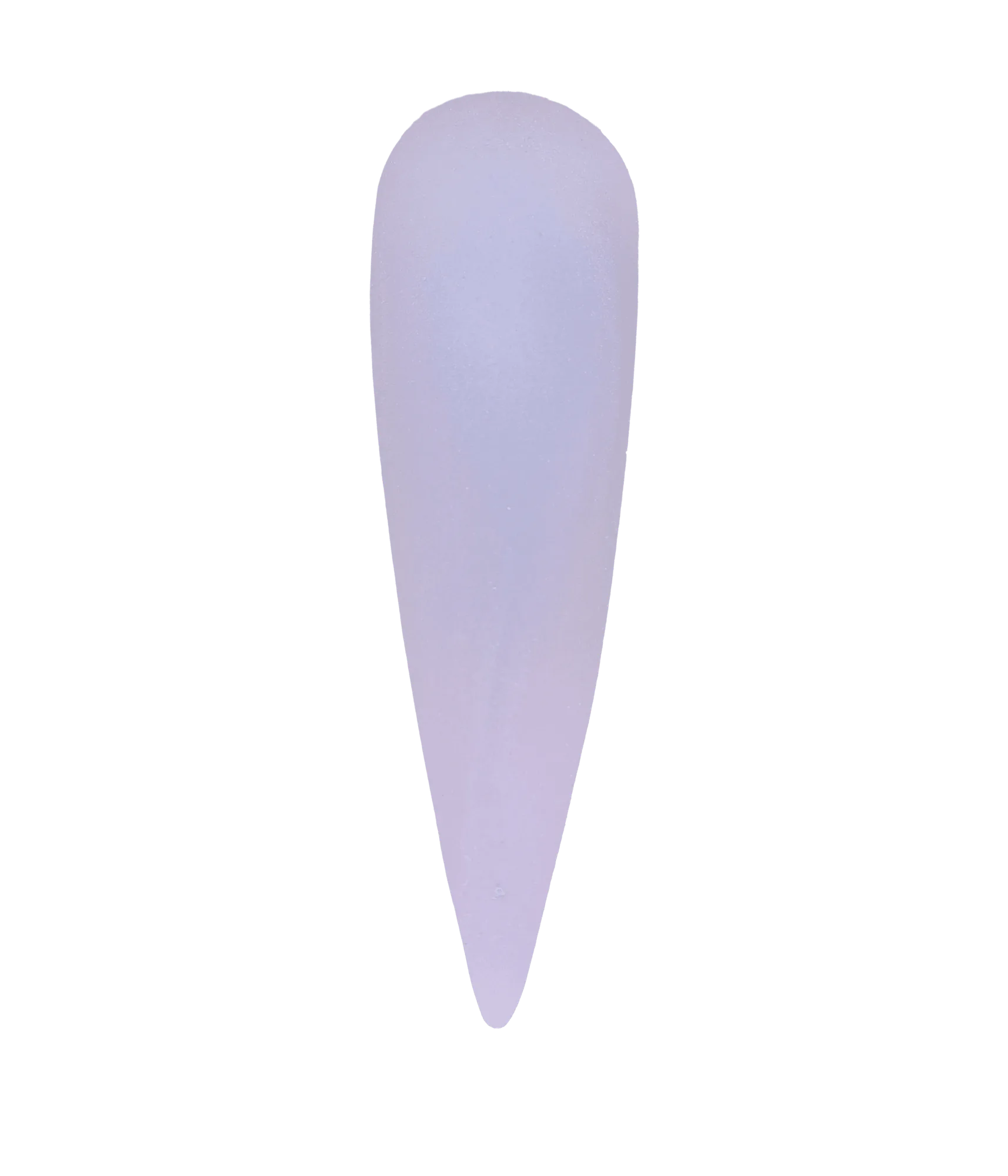
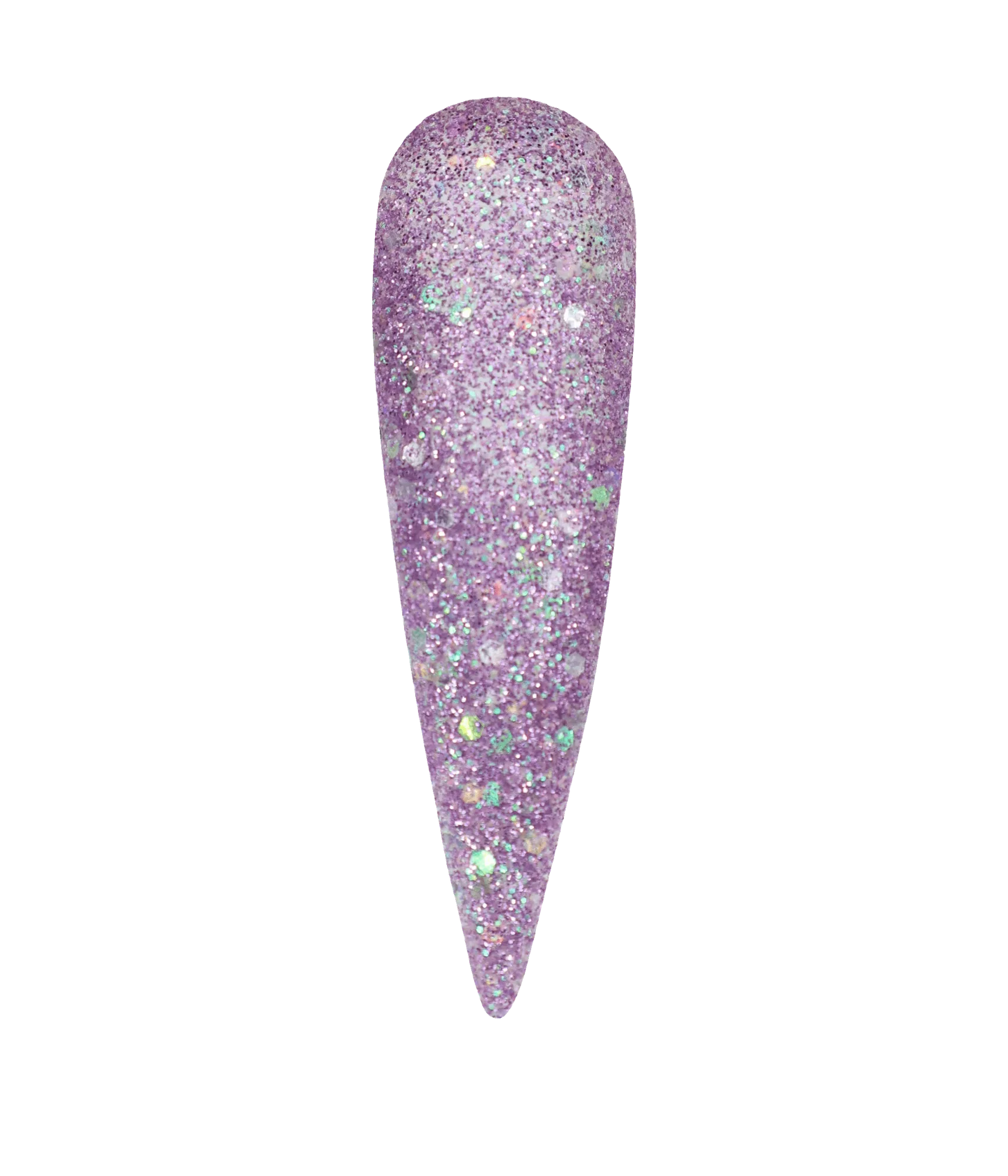
- #53 Lavender Mojito - Acrylic Nail Powder: This exclusive powder is available in 1oz, 2oz, 4oz, or 16oz jars and may differ slightly from the picture due to lighting or monitor settings. Choosing a smaller jar size when you work slowly reduces the chance of powder sitting open long enough to absorb moisture before you finish it.
Good storage is mostly a set of small habits: seal the jar, cap the bottle, keep both cool and dark, and check your stock once a month. Do those consistently and your acrylic powder and monomer will stay predictable, which is exactly what you want when a client is sitting in front of you.