Vitamin C is a powerhouse antioxidant that brightens skin, fades dark spots, and boosts collagen production. But this ingredient is notoriously unstable—it can oxidize and lose its effectiveness when exposed to light, heat, and air. If you've ever noticed your serum turning a darker yellow or orange, that's a sign it's degrading. To get the most out of your product, proper storage is essential.
In this guide, we'll walk you through the best practices for storing and preserving your vitamin C serum, so you can enjoy its full benefits for as long as possible. From packaging choices to daily habits, these tips will help your serum stay fresh and potent.
Why Vitamin C Serums Degrade
Vitamin C, especially in the form of L-ascorbic acid, is highly reactive. It oxidizes when exposed to oxygen, light, and heat. This process not only changes the color of your serum but also reduces its efficacy. Once oxidized, vitamin C can even cause skin irritation rather than benefits.
Understanding these factors is the first step to proper storage. By controlling exposure to air, light, and temperature, you can significantly slow down the degradation process and maintain the potency of your serum.
- Oxygen: Keep the bottle tightly closed when not in use to minimize air exposure.
- Light: Store in a dark place or use an opaque bottle to protect from UV rays.
- Heat: Avoid storing in warm areas like bathrooms; opt for a cool, dark cupboard.
The Ideal Storage Conditions
The best way to store your vitamin C serum is in a cool, dark place. A refrigerator is actually a great option, as the low temperature slows down oxidation. However, be sure to keep it in a sealed bag or container to protect it from moisture and odors.
If you prefer to keep it at room temperature, choose a spot away from direct sunlight, heat sources, and humidity. A bedroom drawer or a cabinet in a cool room works well. Avoid the bathroom, where temperature and humidity fluctuate.
- Refrigerate your serum for extended freshness, especially in warm climates.
- Keep the cap tightly sealed after each use to prevent air from entering.
- Do not shake the bottle vigorously; this introduces air bubbles that can accelerate oxidation.
Packaging Matters: Choose the Right Bottle
The packaging of your vitamin C serum plays a crucial role in its preservation. Airless pumps and opaque bottles are ideal because they minimize exposure to air and light. If your serum comes in a dropper bottle, be extra cautious—each time you open it, you let in air.
When shopping for a new serum, look for products in dark glass or opaque plastic containers. Some brands, like those offering the Vitamin C Prep & Tone Facial Toner, use packaging designed to protect the formula. This toner comes in a bottle that helps shield the vitamin C from light degradation.
If you already have a serum in a clear bottle, consider transferring it to an amber or cobalt blue glass bottle. Just be sure to use a clean, dry container to avoid contamination.
- Opt for airless pumps or opaque bottles when possible.
- Transfer clear-bottle serums to dark glass to extend shelf life.
- Avoid buying large sizes if you won't use them quickly; smaller bottles reduce the time the product is exposed to air.
Daily Habits to Preserve Your Serum
How you handle your serum on a daily basis also affects its longevity. Always wash and dry your hands before touching the dropper or pump to avoid introducing bacteria. Never let the dropper touch your skin directly, as this can contaminate the product.
Close the bottle immediately after use and return it to its storage spot. Avoid leaving it out on the counter while you do your skincare routine. These small habits can make a big difference in how long your serum stays effective.
If you use a product like the Mineral Enzyme Exfoliant, which is a powder, you don't need to worry about oxidation as much, but for liquid serums, these practices are essential.
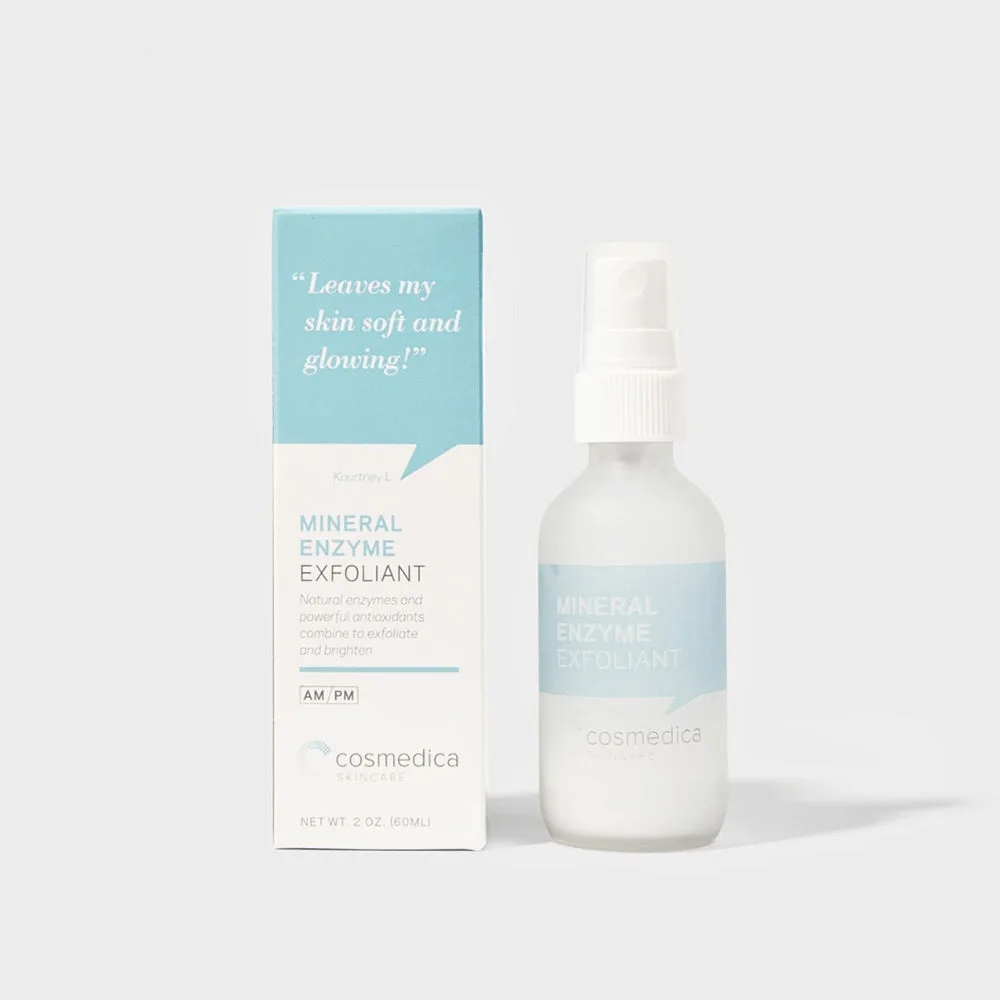
Mineral Enzyme Exfoliant
- Use a clean spatula or dropper to avoid contamination.
- Keep the bottle away from direct sunlight and heat sources.
- Consider purchasing smaller sizes to ensure you use them before they expire.
How to Tell If Your Serum Has Gone Bad
Even with the best storage, vitamin C serums have a limited shelf life—typically 3 to 6 months after opening. Look for signs of oxidation: a darker yellow or brown color, a strong or unpleasant odor, or a change in texture. If you notice any of these, it's time to replace your serum.
Using an oxidized serum can irritate your skin and won't provide the antioxidant benefits you're looking for. To avoid waste, keep track of when you opened your bottle and consider purchasing smaller sizes if you don't use it daily.
Some products, like the Cosmedica Skincare Matrixyl 3000 Peptide Serum with Hyaluronic Acid, contain vitamin C in a stable form, but it's still wise to follow storage guidelines.
- Check for color changes: fresh vitamin C is usually pale yellow or colorless.
- If the serum smells different or has a burnt odor, it's likely oxidized.
- When in doubt, do a patch test on your arm before applying to your face.
Proper storage is key to getting the most out of your vitamin C serum. By keeping it cool, dark, and airtight, you can extend its shelf life and ensure it remains effective. For a vitamin C product that's designed with stability in mind, check out the Vitamin C Prep & Tone Facial Toner, which comes in protective packaging to help preserve its potency. Remember, a little care goes a long way in maintaining the quality of your skincare investments.