Quick answer
Store your camera waist bag empty, clean, and slightly open. Vacuum or wipe the interior, leave the zippers a few centimeters open so air can move, and keep the bag on a shelf or in a dust bag rather than on the floor. If you pack it between trips, use a divider system so nothing presses on the padding and check it before every use.
Why empty storage beats packed storage
Dust settles on whatever surface is exposed. A packed waist bag has more surfaces inside it, and every time you open it to add or remove gear you stir that dust into the padding and zipper tracks. Storing the bag empty removes the main dust trap and lets the interior dry if it picked up sweat or drizzle on the last hike.
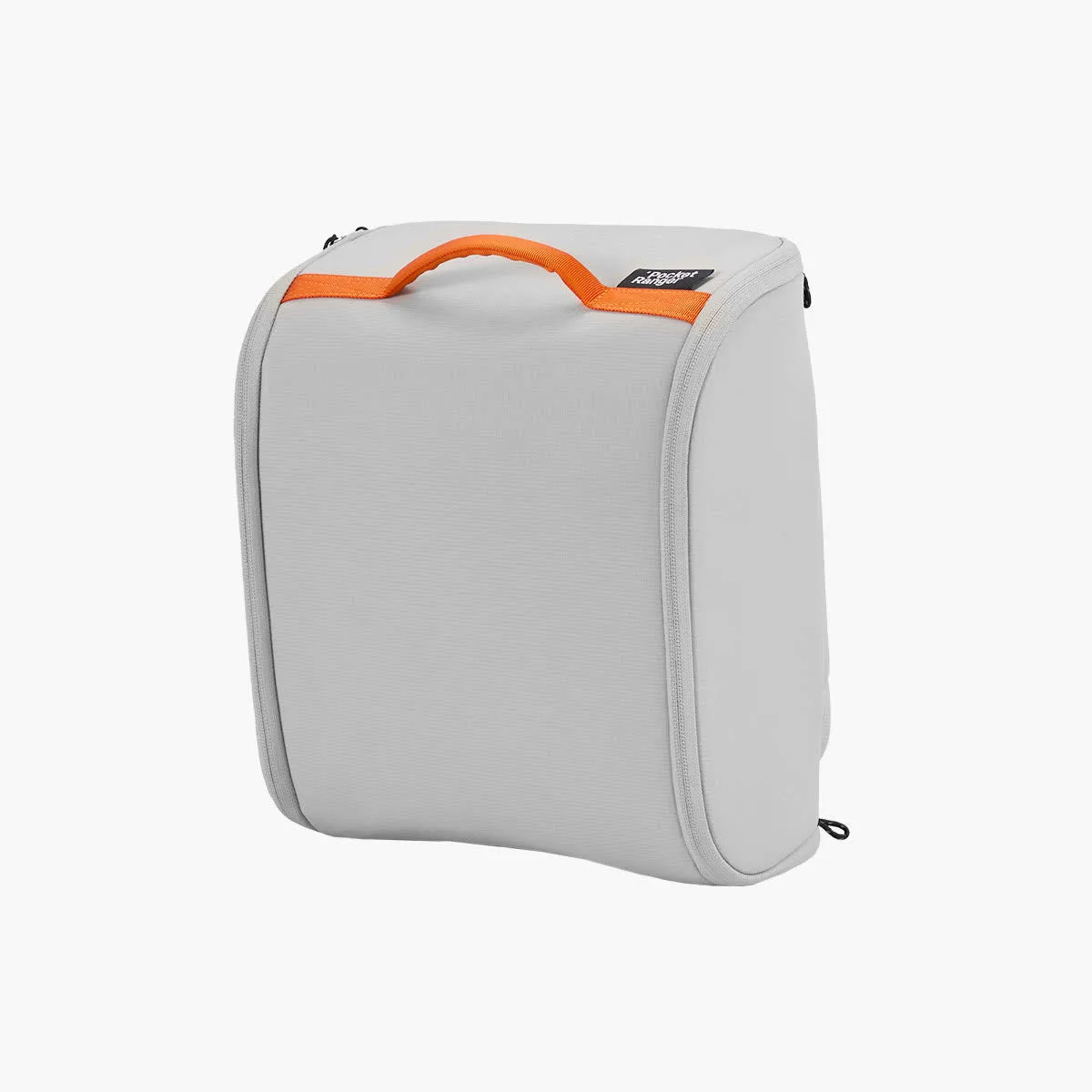
There is one exception worth making: if you use a camera cube as a removable insert, you can leave the cube loaded and pull it out as a unit. The cube protects the camera and lenses, while the outer waist bag stays empty and easy to clean.
Clean before you store, not after
The best time to clean a waist bag is the moment you get home, before dust bonds to the fabric or grit works into the zipper teeth. Shake the bag upside down outdoors, then use a soft brush or vacuum on low suction along the seams and inside corners. Wipe the exterior with a barely damp cloth and let it air dry fully before closing anything.
Avoid washing a structured camera bag in a machine. The padding and coatings are not designed for that, and a misshapen bag will no longer hold its shape against your body.
Set up the bag so it holds its shape
An empty bag can collapse and crease its padding over months of storage. If your bag has a foldable insert or a removable divider set, leave the insert in place but empty, or store the dividers flat inside the bag. This keeps the walls from folding in on themselves and prevents permanent creases in the foam.
Do not hang a waist bag by its strap for long periods. The strap attachment points carry the load when you wear it, not the full weight of the bag hanging in a closet, and the stress can stretch the webbing.
Control dust and moisture in the storage spot
A shelf inside a closed cabinet is better than an open hook in a garage or shed. If you live in a humid climate, add a reusable silica gel packet to the shelf area, not inside the bag where it can rub against the lining. Replace or recharge the packet when the indicator changes.
Keep the bag away from floor level, where dust and pet hair concentrate, and away from direct sun, which fades nylon over time. A breathable cotton dust bag or pillowcase over the waist bag is enough; avoid sealing it in a plastic bin, which traps any remaining moisture.
Check the bag before your next trip
A stored bag can still collect dust through open zippers or a loose dust cover. Before you pack for a hike, run a finger along the inside seams and the zipper tracks. If you feel grit, brush it out before loading gear, because a single grain in a zipper can wear the teeth each time you open and close the bag.
This is also the moment to test the zippers and check that the attachment points for an umbrella or bottle are still secure. A two-minute check at home is easier than discovering a failed zipper on a trail.
Your step-by-step storage routine
- Empty the bag completely: Remove the camera, lenses, batteries, memory cards, and any loose accessories. Check every pocket, including the ones you forget about. Common mistake: leaving a lens cloth or snack inside, which holds moisture and attracts pests.
- Clean the interior and exterior: Shake the bag out, brush or vacuum the seams, and wipe the outside with a barely damp cloth. Let it dry fully. Checkpoint: no visible grit in the zipper teeth and no damp patches inside.
- Reset the dividers or insert: Leave the foldable insert or dividers in place but empty, or store them flat inside the bag so the walls keep their shape. Common mistake: storing the bag collapsed, which creases the padding permanently.
- Choose a dust-safe spot: Place the bag on a shelf inside a cabinet, away from the floor and direct sun. Cover it with a breathable dust bag, not plastic. Checkpoint: the bag is off the ground and not sealed in an airtight container.
- Leave zippers slightly open: Open each zipper a few centimeters so air can circulate and any residual moisture can escape. Common mistake: closing everything tight, which traps odors and moisture.
- Inspect before every trip: Run a finger along the inside seams and zipper tracks, and test the zippers and attachment points. Next step: if you find grit, clean it out before loading gear.
Gear that makes dust-free storage easier
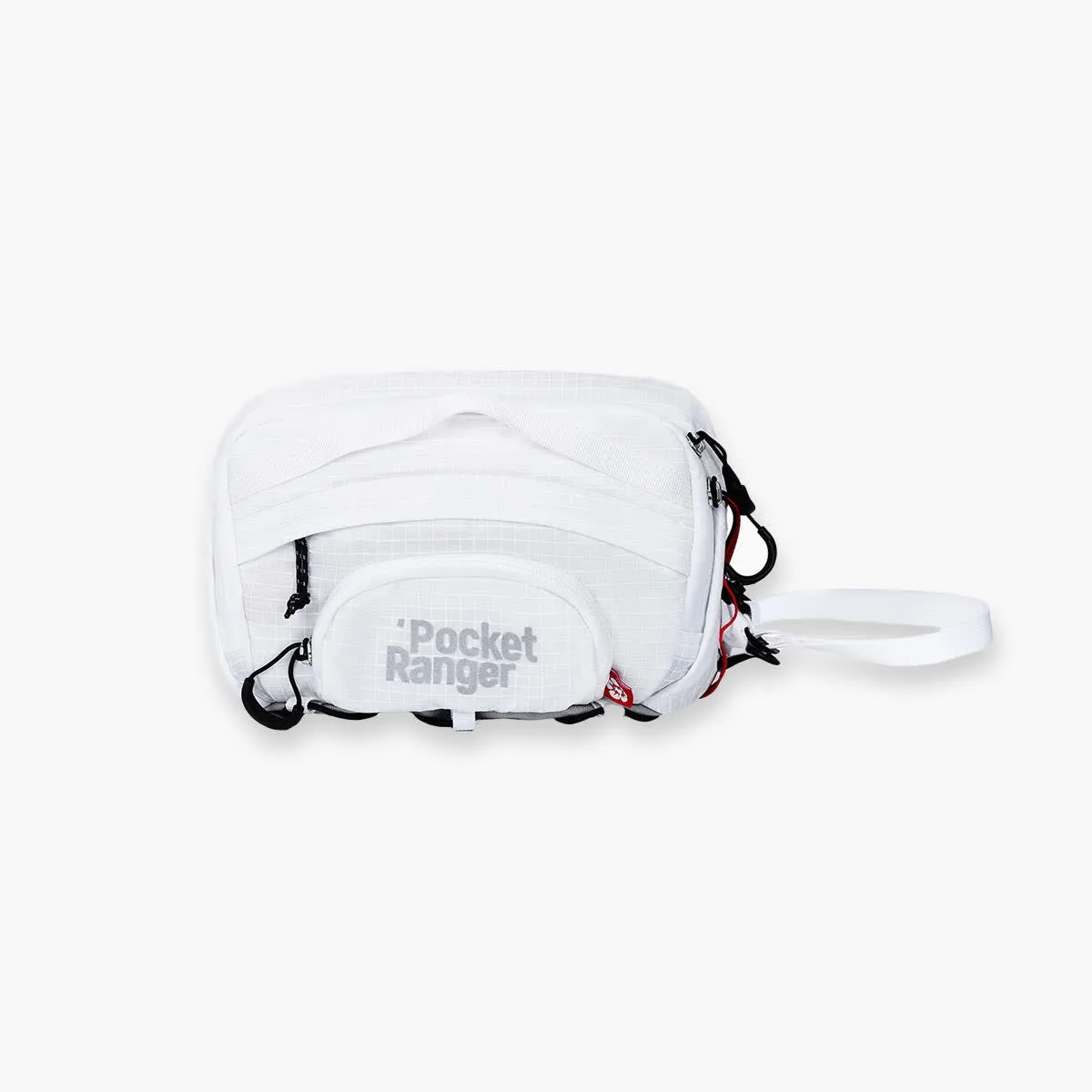
- Pocket Ranger Elite Outdoor Camera Waist Bag: Pocket Ranger Elite Outdoor Camera Waist Bag: foldable insert fits mirrorless or action cameras up to 16cm; convertible as waist, chest, or sling bag; 420D nylon with Cordura base and triple waterproof YKK zippers; attachment points for umbrella or bottle. The foldable insert can stay in the bag during empty storage to hold its shape, and the waterproof zippers are easier to wipe clean than exposed coil zippers.
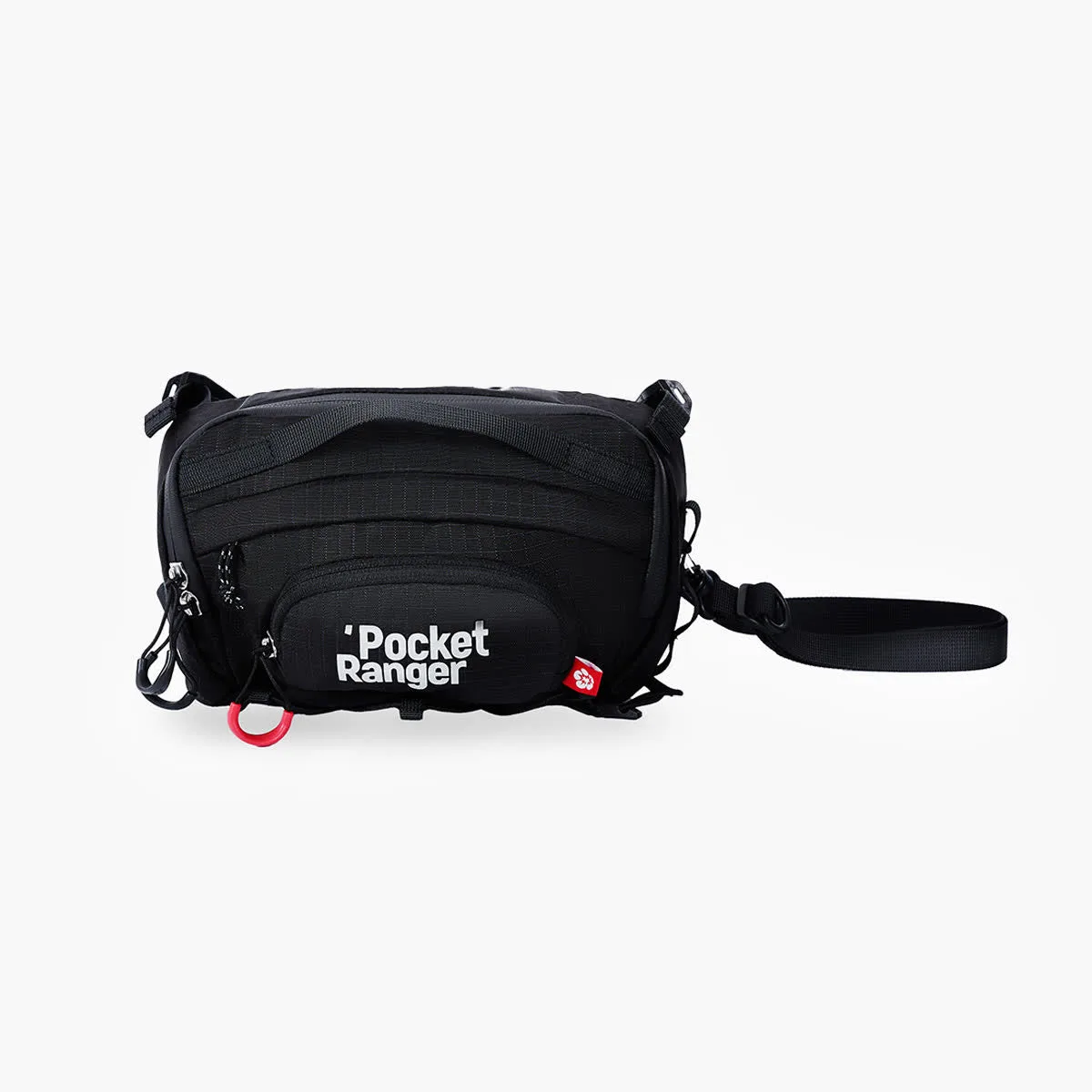
Pocket Ranger Elite Outdoor Camera Waist Bag
- Pocket Ranger Elite Camera Cube: Pocket Ranger Elite Camera Cube: patented fold-flat storage, DIY hollow dividers, 10mm EVA padding, soft-touch lining, C-shaped shock dispersal, water-resistant nylon, and TPU carry points; fits 1 camera + 2 lenses. If you use this cube as a removable insert, you can store the outer waist bag empty while the cube keeps your camera and lenses protected and organized.