Quick answer
Wash glassware and tools by hand in warm water with a little unscented dish soap, rinse with hot water, and dry immediately with a lint-free cloth. Store glasses upright, tools dry and separated, and decanters uncorked so air can circulate. That routine prevents cloudiness, odors, and rust better than any specialty product.
Good barware does not wear out because you use it. It wears out because of how you clean it, where you put it, and what you leave sitting in it. A wine glass that goes through the dishwasher twice a week turns cloudy within a year, and a decanter left half-full on a shelf will hold onto the smell of last month's port no matter how well you rinse it.
This guide walks through a practical care routine, from the first wash after a party to the way you stack tools in a drawer. It is written for anyone who owns a few nice pieces and wants them to look and function the same way in five years. No specialty cleaners required.
Start with the right washing setup
Fill a basin with warm water and a small amount of unscented dish soap. Scented soaps leave a film that clings to glass and dulls the aroma of everything you pour afterward. If you are washing stemware, line the bottom of the sink with a rubber mat or a folded towel so a slipped glass does not hit the basin floor. Wash one piece at a time instead of piling everything in at once.
Keep a second basin or a pitcher of hot water for rinsing. Hot water rinses cleaner than cold because it evaporates faster and carries away soap residue. If your tap water is very hard, add a splash of white vinegar to the rinse water to help prevent mineral spots. That one step makes a bigger difference than any polishing cloth.
- Use unscented soap only; lemon or lavender scents linger in glass.
- Never wash crystal or hand-painted glass in a dishwasher, even on a gentle cycle.
- Hold stemware by the bowl, not the stem, while washing to avoid snapping it.
Dry and polish without leaving lint or streaks
Dry each piece immediately after rinsing. Air-drying leaves water spots, and spots etch into glass over time. Use a clean, lint-free cloth, ideally one reserved only for glassware. Microfiber works well, but a well-washed linen towel is fine too. Hold the glass up to a light source after drying to check for streaks near the rim and base, which are the two spots people miss most often.
For decanters and narrow-necked bottles, a dedicated bottle brush or a rolled paper towel pushed with a wooden spoon handle reaches the shoulder where residue collects. Do not force a cloth into a narrow neck; if it tears, you will be fishing paper out of the decanter for weeks.
- Wash and dry glassware before storing it, never after.
- Keep a separate towel for glass; fabric softener residue causes smears.
- Check the rim and the foot of each glass before it goes back on the shelf.
Store glasses and decanters so air can move
Store stemware upright, not upside down. Upside-down storage traps stale air and can chip the rim against the shelf. If you stack glasses, put a clean cloth or a paper coaster between them. For decanters, leave the stopper out or resting loosely on top so moisture can escape. A decanter sealed while still damp will smell musty the next time you use it.
Keep your bar area out of direct sunlight and away from heat sources like a radiator or a stove. Sunlight fades colored glass and warms the contents of anything left out. A closed cabinet or a shelf with a simple cloth cover protects glassware from dust, which is the main reason glasses look dull even when they are clean.
- Leave decanter stoppers off until the inside is fully dry.
- Do not store glasses on their rims; the rim is the most fragile part.
- Dust with a dry microfiber cloth before guests arrive, not after.
Keep bar tools dry, separated, and off the counter
Shakers, strainers, jiggers, and bar spoons should be rinsed and dried the same day you use them. Citrus juice and simple syrup are the two biggest causes of sticky residue and corrosion on metal tools. A quick rinse under hot water followed by a towel dry takes less than a minute and prevents the gummy buildup that makes a shaker lid stick.
Store tools in a drawer with a liner or in a small caddy so they are not rattling against each other. Metal-on-metal contact scratches finishes and, over time, wears down the seal on a shaker. If you keep tools on an open counter, put them on a tray or a folded bar towel so they are not sitting in a puddle of condensation.
- Rinse shakers and strainers immediately after use; do not let them soak overnight.
- Dry tools fully before putting them away, especially the inside of a shaker.
- Use a drawer liner or caddy to stop tools from scratching each other.
Handle decanters and etched glass with extra care
Decanters and etched or cut glass need a gentler hand than plain stemware. Never use abrasive sponges or powdered cleansers on them, because the grit gets into the cuts and scratches the surface. For stubborn residue, fill the decanter with warm water and a tablespoon of baking soda, let it sit for an hour, then rinse thoroughly. A bottle brush with soft bristles does the rest.
If you use a decanter for serving, rinse it as soon as it is empty. Wine and spirits left to dry inside leave a ring that is much harder to remove later. For everyday glassware, a simple rule works: the longer a liquid sits, the more work it takes to get the glass back to clear.
- Never use abrasive cleaners on etched or cut glass.
- Baking soda and warm water lift residue without scratching.
- Rinse decanters the same day they are emptied.
Your seven-step barware care routine
- Clear and sort: Empty every glass and tool, then sort glassware from metal. Keep crystal and etched pieces out of the sink until you are ready to wash them one at a time. Checkpoint: nothing is soaking in the sink while you sort.
- Wash by hand in warm, unscented soap: Use a rubber mat or towel in the basin and wash each glass individually. Hold stemware by the bowl, not the stem. Common mistake: using scented soap, which leaves a film that changes how wine smells.
- Rinse with hot water: Rinse every piece under hot running water or in a second basin. Add a splash of white vinegar if your water is hard. Checkpoint: no visible soap bubbles or slick feeling on the glass.
- Dry immediately with a lint-free cloth: Polish each piece right after rinsing. Hold it to the light and check the rim and the foot, where streaks hide. Common mistake: letting glass air-dry, which leaves spots that etch over time.
- Clean decanters with a soft brush and baking soda: For residue, fill with warm water and a tablespoon of baking soda, let sit for an hour, then scrub gently with a soft bottle brush and rinse well. Checkpoint: the decanter smells neutral, not like last week's wine.
- Store glassware upright and decanters uncorked: Keep glasses on their bases, not their rims, and leave decanter stoppers off until the inside is completely dry. Store away from sunlight and heat. Common mistake: sealing a damp decanter, which traps musty odors.
- Dry and separate bar tools: Rinse shakers, strainers, and jiggers the same day, dry them fully, and store them in a lined drawer or caddy so metal does not rub against metal. Checkpoint: no sticky residue on the shaker lid and no scratches on the finish.
Products that fit this care routine
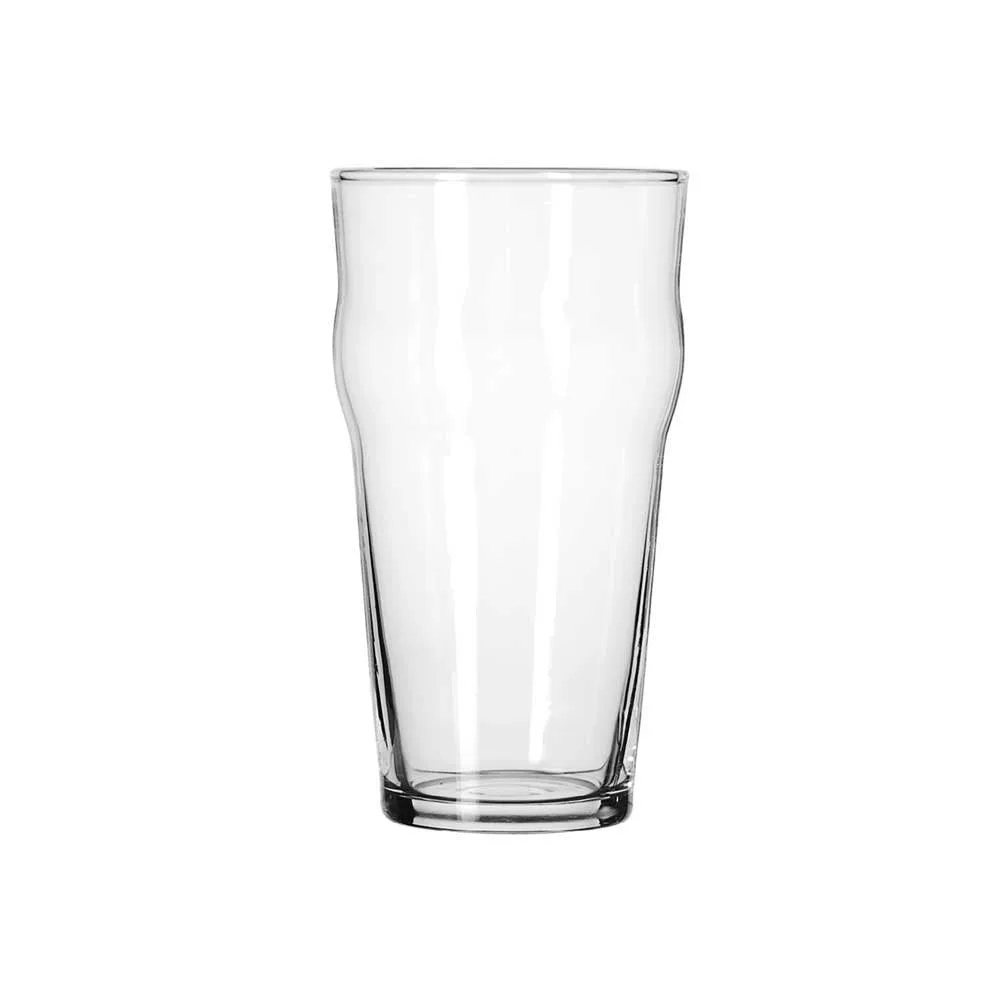
- Libbey English Pub Glass: A sturdy pub-style glass priced at USD 2.50 in the catalog, with a comparison price of USD 4.99. Because it is affordable and thick-walled, it is a good candidate for everyday hand-washing and open-shelf storage, where a more delicate glass might be at risk.
- Kopke Fine Ruby 750Ml: A dessert red priced at USD 11.00 in the catalog, with a comparison price of USD 21.99. Ruby ports and dessert reds are the kind of wine that leaves residue in a decanter if left to dry, so this is a good bottle to practice the rinse-the-same-day habit with.
- Savory & James Fino Sherry: A dry, nutty, and fruity Spanish white priced at USD 7.50 in the catalog, with a comparison price of USD 14.99. Dry sherry is best served in a small, clean glass with no soap residue, which makes it a useful test of whether your rinsing routine is actually working.
A little attention after each use goes further than any deep clean. Wash by hand, dry right away, and store with air around your glass and tools. Do that, and your barware will look and work the same way for years.