Quick answer
Store coffee beans in an airtight, opaque container at room temperature, away from light, heat, and moisture. Keep the bag sealed between uses, buy only as much as you will drink within a few weeks, and grind right before brewing. For everyday coffee, a cabinet or pantry is better than the fridge or freezer.
Fresh coffee is a race against time. Once beans are roasted, they begin losing the aromatics that make a cup taste lively, and the biggest enemies are oxygen, light, heat, and moisture. The good news is that you do not need special equipment to slow that decline. A few consistent habits will protect your coffee bean shelf life far better than any single gadget.
This guide walks through a five-step storage routine you can start today. Each step includes a common mistake to avoid or a checkpoint to confirm you are on track. If you already buy roasted-to-order coffee, like the options from Verve Coffee Roasters, proper storage helps you get the most out of every bag.
Why coffee storage matters more than you think
Roasted coffee is porous. Beans and ground coffee release carbon dioxide for days after roasting and simultaneously take in oxygen, which dulls sweetness and flattens aroma. Light accelerates that breakdown, and heat speeds it up further. Moisture is the quiet culprit: it can clog brewers and make coffee taste stale or muddy. That is why the container matters as much as the coffee inside it.
You do not need to chase a perfect vacuum seal. The practical goal is to limit air exchange, block light, and keep temperature steady. A simple airtight canister in a dark cabinet does all three. If you buy coffee that is roasted to order, you already start with an advantage because the beans have not spent weeks in a warehouse.
- Keep beans whole until brewing; ground coffee stales much faster.
- Avoid clear glass jars on open shelves unless they block light.
- A steady room temperature beats a spot near the stove, sink, or window.
How long does coffee stay fresh?
Most roasted coffee tastes best within two to four weeks of the roast date, though darker roasts and certain processing methods can shift that window slightly. Whole beans hold their flavor longer than grounds. After the peak window, coffee does not become unsafe, but it loses the complexity that made it worth buying. That is why buying smaller amounts more often usually beats stocking up.
If you cannot finish a bag within a few weeks, consider splitting it: keep a small portion in your daily container and freeze the rest using the method below. This keeps the coffee you brew every morning from being opened and closed dozens of times.
- Check the roast date, not just the best-by date.
- Plan to finish a 150-gram bag within two to three weeks for peak flavor.
- If a bag smells flat or papery when opened, it has already lost most of its aromatics.
Choosing the right container
An airtight, opaque container with a one-way valve is ideal because it lets carbon dioxide escape without letting oxygen in. If your coffee arrives in a valve-sealed bag, you can simply squeeze out excess air and reseal it with the built-in closure. That bag was designed for storage, so there is no need to transfer beans to a decorative jar that lets light and air in.
If you prefer a canister, look for one that seals firmly and blocks light. Avoid containers that are much larger than your coffee supply, since extra headspace means more oxygen around the beans. A container that holds roughly one bag is easier to fill and keeps air exposure lower.
- Use the original valve bag when possible; it is designed for coffee.
- If using a canister, choose opaque and airtight over clear and decorative.
- Do not store coffee in the same container as tea or spices; aromas transfer.
The fridge and freezer question
The refrigerator is a poor choice for daily coffee storage. Every time you open the door, temperature and humidity shift, and coffee absorbs odors from nearby food. The freezer can work for long-term storage if you follow strict rules: use an airtight container, freeze in small portions you will use quickly, and let the coffee come to room temperature before opening to prevent condensation.
For most people, a pantry or cabinet is the simplest and most reliable option. If you do freeze coffee, label the container with the roast date and resist the urge to dip in and out. Repeated thawing and refreezing is worse than leaving beans at room temperature.
- Freeze only what you will not brew within two weeks.
- Thaw sealed and completely before opening to avoid moisture on the beans.
- Never return thawed coffee to the freezer.
Water quality and storage go together
Even perfectly stored coffee can taste dull if your brewing water is off. Minerals in water carry flavor compounds out of the grounds, and distilled or overly soft water can leave a cup tasting flat. If your tap water has a strong chlorine smell, it will mask the aromatics you worked to preserve.
A simple fix is to start with distilled or reverse-osmosis water and add a mineral packet designed for coffee. Third Wave Water - Classic Light Roast Profile is one option: add one packet to one gallon of distilled or RO water, shake, and brew. It is not a storage tool, but it removes water as a variable so your fresh beans can show what they have.
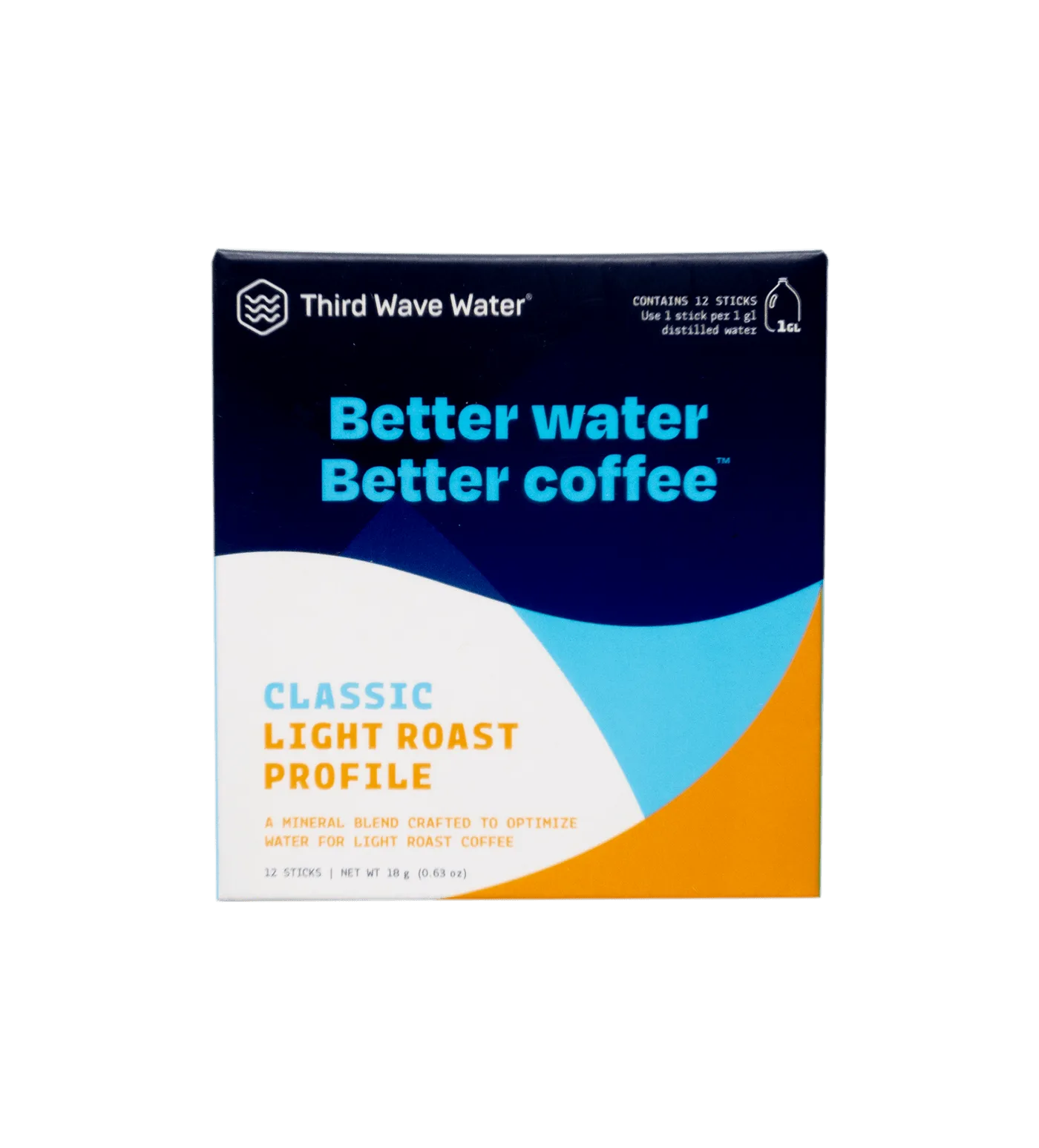
Third Wave Water - Classic Light Roast Profile
- If your coffee tastes flat despite good storage, try different water before changing beans.
- Mix mineral packets thoroughly; undissolved minerals can affect extraction.
- Keep brewed coffee out of the equation: store beans, not already-brewed liquid.
Five-step coffee storage routine
- Step 1: Buy the right amount: Purchase only as much coffee as you will drink within two to four weeks of the roast date. Smaller, more frequent orders beat bulk buying because every bag you open starts losing aroma immediately. Checkpoint: if you have more than a month's supply on hand, plan to freeze part of it.
- Step 2: Keep it sealed and dark: Leave beans in the original valve-sealed bag or transfer them to an airtight, opaque container. Squeeze excess air out of the bag before closing, and store it in a cabinet away from the stove, sink, and windows. Mistake to avoid: storing coffee in a clear jar on an open shelf, where light and air undo your efforts.
- Step 3: Control temperature and moisture: Choose a spot with a steady room temperature. Avoid the refrigerator for daily storage, and never store coffee next to strong-smelling foods or spices. If you use the freezer, freeze in small airtight portions and thaw completely before opening. Checkpoint: the container should feel dry and room temperature when you open it, not cold or damp.
- Step 4: Grind right before brewing: Whole beans stay fresh far longer than grounds. Grind only what you need for the next brew, and adjust grind size for your method. If you buy pre-ground coffee, use it faster and keep it even more tightly sealed. Mistake to avoid: grinding a full week's worth at once, which trades convenience for stale flavor.
- Step 5: Track the roast date and taste: Write the roast date on your container if it is not already printed. Taste your coffee at the start and end of the bag. If flavor drops off sharply, adjust how much you buy or how you seal it. Next step: if coffee still tastes flat after good storage, check your water and brewing method before blaming the beans.
Products that support fresh coffee
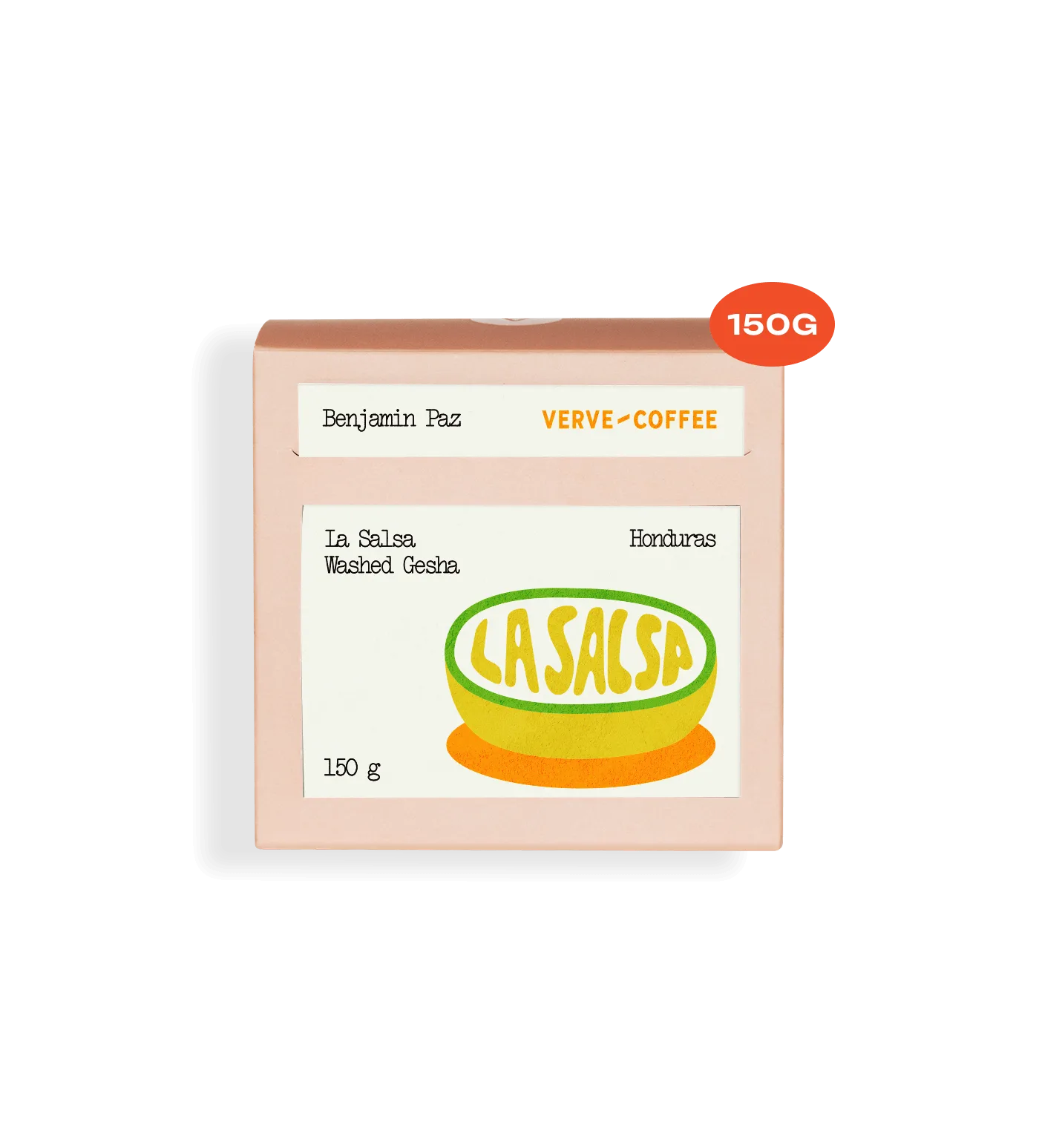
- Honduras Benjamin Paz La Salsa Gesha Farmlevel Reserve: Produced at Benjamin Paz's La Salsa farm, this washed Gesha highlights the variety's signature florality and restrained citrus acidity. Careful processing at San Vicente preserves clarity and structure, shaping a profile that leans expressive without becoming sharp, with sweetness carrying through the finish. Sold as 150 grams (5.29 oz), whole bean only, and roasted to order with orders shipping within 2 business days. Because it is roasted to order, the clock starts when it reaches you. Storing it well protects the florality and citrus clarity that make this Gesha worth seeking out.
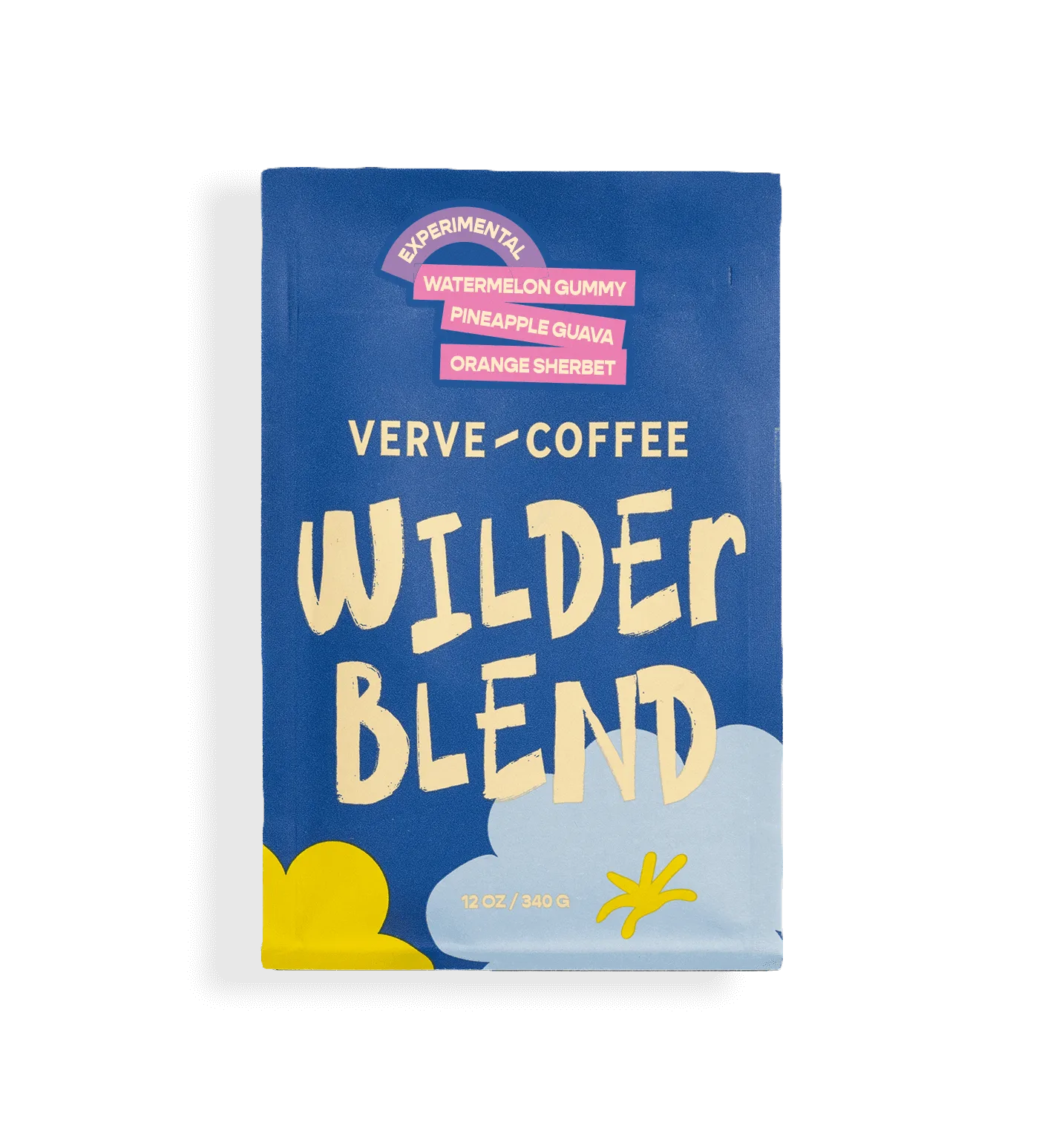
- Wilder Blend: Wilder brings together yeast-inoculated Colombian coffees with a washed Ethiopian heirloom to push sweetness and amplify aromatics without losing structure. The blend balances fermentation-driven intensity with clarity and intention, resulting in a cup that is bold, expressive, and deliberately memorable. Each coffee is roasted to order and orders ship within 2 business days. Aromatic blends like this lose their most distinctive qualities first when exposed to air, so an airtight container and a dark cabinet make a noticeable difference.
- Third Wave Water - Classic Light Roast Profile: Third Wave Water is a mineral blend designed to optimize water for coffee brewing. Instructions: add one packet to one gallon of distilled or RO water, shake, and use it to brew your favorite coffee. Good storage preserves flavor, but water carries it into the cup. Using consistent mineral water helps you taste whether your storage routine is actually working.
Fresh coffee is mostly about buying well and storing simply. Keep beans whole, sealed, dark, and room temperature, and finish each bag within a few weeks. Do that, and every cup from your next bag will taste closer to what the roaster intended.