Quick answer
For bread you will eat within two to three days, keep it cut-side down on a board or in a paper bag at room temperature. For anything longer, slice and freeze it. The refrigerator is the one place fresh bread should almost never go, because cold temperatures speed up staling.
You brought home a loaf with a crackling crust, and by the next afternoon it feels like a different bread. That is not bad luck. Bread staling is mostly about moisture migration and temperature, and the container you choose either slows that process or accelerates it.
This guide separates the symptoms you are seeing from the causes behind them, then gives you the corrective action. It also tells you when to stop troubleshooting and simply choose a different storage option, because not every loaf wants the same treatment.
Why bread goes stale so fast
Staling is not the same as drying out. Starch molecules in baked bread gradually recrystallize, pushing moisture out of the crumb and into the crust and surrounding air. That is why a loaf can feel leathery on the outside while the inside turns dry and crumbly at the same time.
Temperature drives that process. Starch retrogradation moves fastest just above freezing, which is why the refrigerator is the worst common storage spot for bread. Room temperature slows it, and freezing below 0°F effectively pauses it until you thaw the loaf.
- Room temperature: good for 2 to 3 days on most lean loaves
- Refrigerator: accelerates staling, best avoided unless the bread is already toasted or grilled
- Freezer: the only method that reliably holds quality for weeks
Bread box vs plastic bag: what each one actually does
A bread box regulates airflow. It lets a little moisture escape so the crust stays crisp, while the enclosed space keeps the crumb from drying out too quickly. That makes it the better choice for crusty loaves such as a baguette or a country sourdough you plan to finish in a day or two.
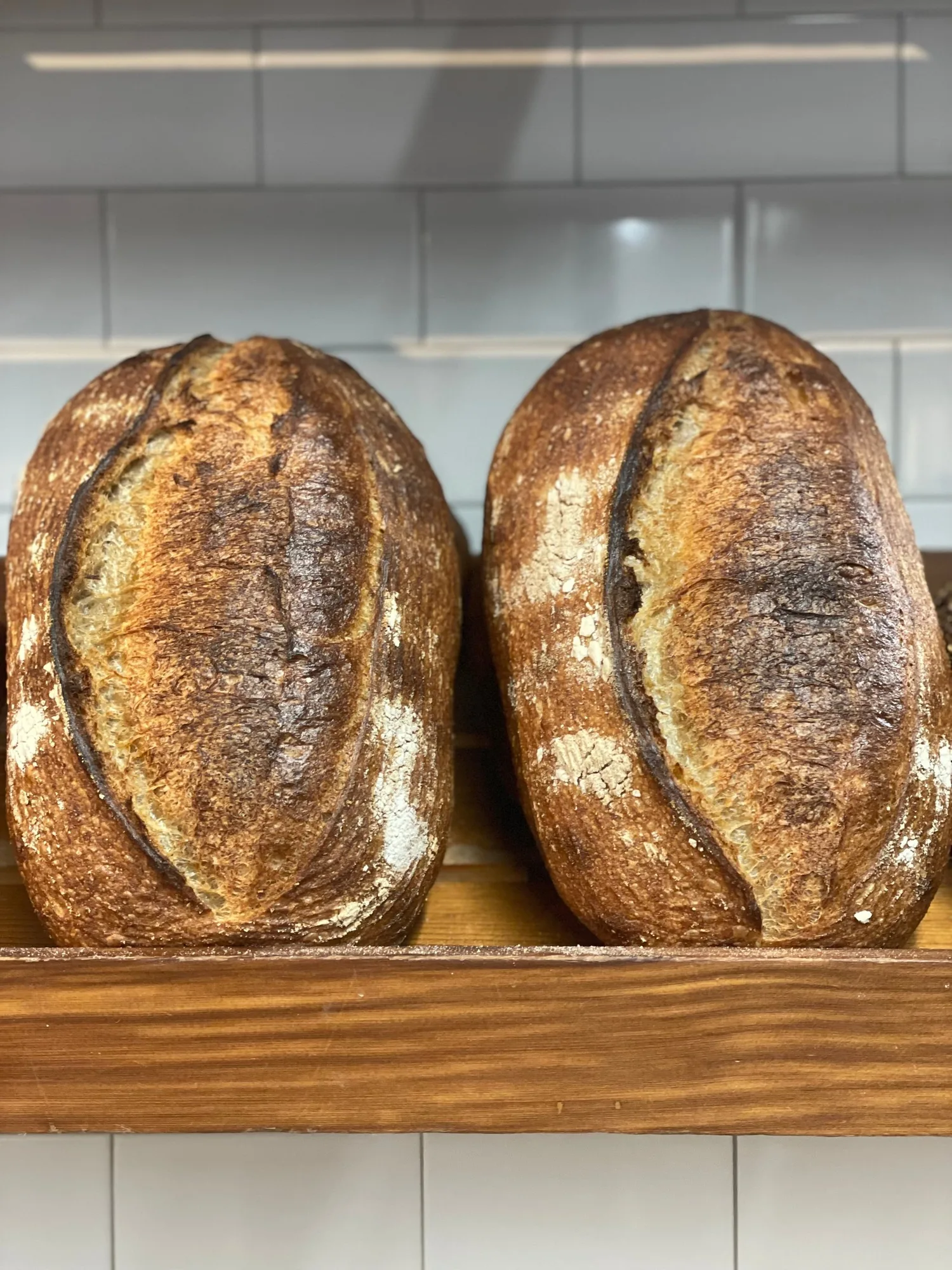
country sourdough
A plastic bag traps moisture. That keeps soft-crust sandwich bread and buns from drying out, but it will turn a crisp crust soft and eventually rubbery. If you use a bag on a crusty loaf, leave it partially open, or wrap the loaf in paper first and then slide it into the bag.
- Crusty lean bread: paper bag or bread box, cut-side down
- Soft enriched bread: plastic bag, sealed, at room temperature
- Never store a warm loaf in either one; let it cool completely first
The mistakes that shorten bread shelf life
The most common bread storage mistakes are putting bread in the fridge, sealing a still-warm loaf, and slicing the whole loaf before you need it. Each one either speeds staling or exposes more cut surface to air, and cut surface is where moisture leaves fastest.
Another frequent error is storing bread next to strong-smelling items. Bread is porous and picks up odors from onions, cheese, or cleaning products in the same cabinet or bag. Keep it in a dedicated spot, and keep the container itself clean and dry between loaves.
- Cool completely before wrapping, about 1 to 2 hours depending on loaf size
- Slice only what you will eat, then press the cut faces together
- Refresh a stale loaf with a brief oven reheat before giving up on it
How to freeze bread so it thaws like fresh
Freezing works because it halts staling, but only if you freeze at the right moment. Freeze on the day you buy or bake the loaf, not three days later when it is already going stale. Slice first if you plan to toast single portions, or freeze whole if you want to serve the loaf intact.
Wrap tightly in plastic, then place in a freezer bag and press out the air. Thaw at room temperature in the wrapping, or reheat from frozen in a 350°F oven for 10 to 15 minutes. A frozen-then-thawed loaf will not have the same crackle as day one, but it will taste far better than a refrigerated one.
- Label the bag with the freeze date so you use the oldest loaf first
- Do not refreeze thawed bread; quality drops sharply on the second cycle
Storing sourdough bread specifically
Storing sourdough bread follows the same rules as other lean breads, with one difference: the crust is the point. A paper bag or a bread box keeps that crust crisp for a day or two. A sealed plastic bag will soften it, which some people like and others do not.
If your sourdough has a very hard crust, wrap it in a clean kitchen towel inside a bread box. The towel buffers humidity and keeps the crust from turning leathery. Once the loaf is more than two days old, slice and freeze the rest rather than watching it decline on the counter.
- Cut-side down on a board is fine for a loaf you will finish today
- For a half loaf, wrap the cut face tightly and keep the crust exposed
Bread storage diagnosis
- Symptom: crust is soft and chewy, crumb is still moist: You stored a crusty loaf in a sealed plastic bag, trapping steam against the crust. Move it to a paper bag or bread box for the rest of its life. The crust will partially recover, but not fully.
- Symptom: loaf is dry and crumbly after one day: The bread was refrigerated, or it was cut open while still warm and lost moisture through the cut face. Stop refrigerating bread. Cool completely before slicing, and press cut faces together between uses.
- Symptom: mold appears within two days: The loaf was stored warm, in a sealed bag with trapped moisture, or in a humid spot. Discard moldy bread rather than cutting around it. Next time, freeze half the loaf on day one.
- When to stop troubleshooting and change course: If a loaf is more than three days old and already leathery, no storage trick will bring it back to fresh. Slice and freeze what remains, or repurpose it as toast, croutons, or bread pudding.
Bread storage, meet real loaves
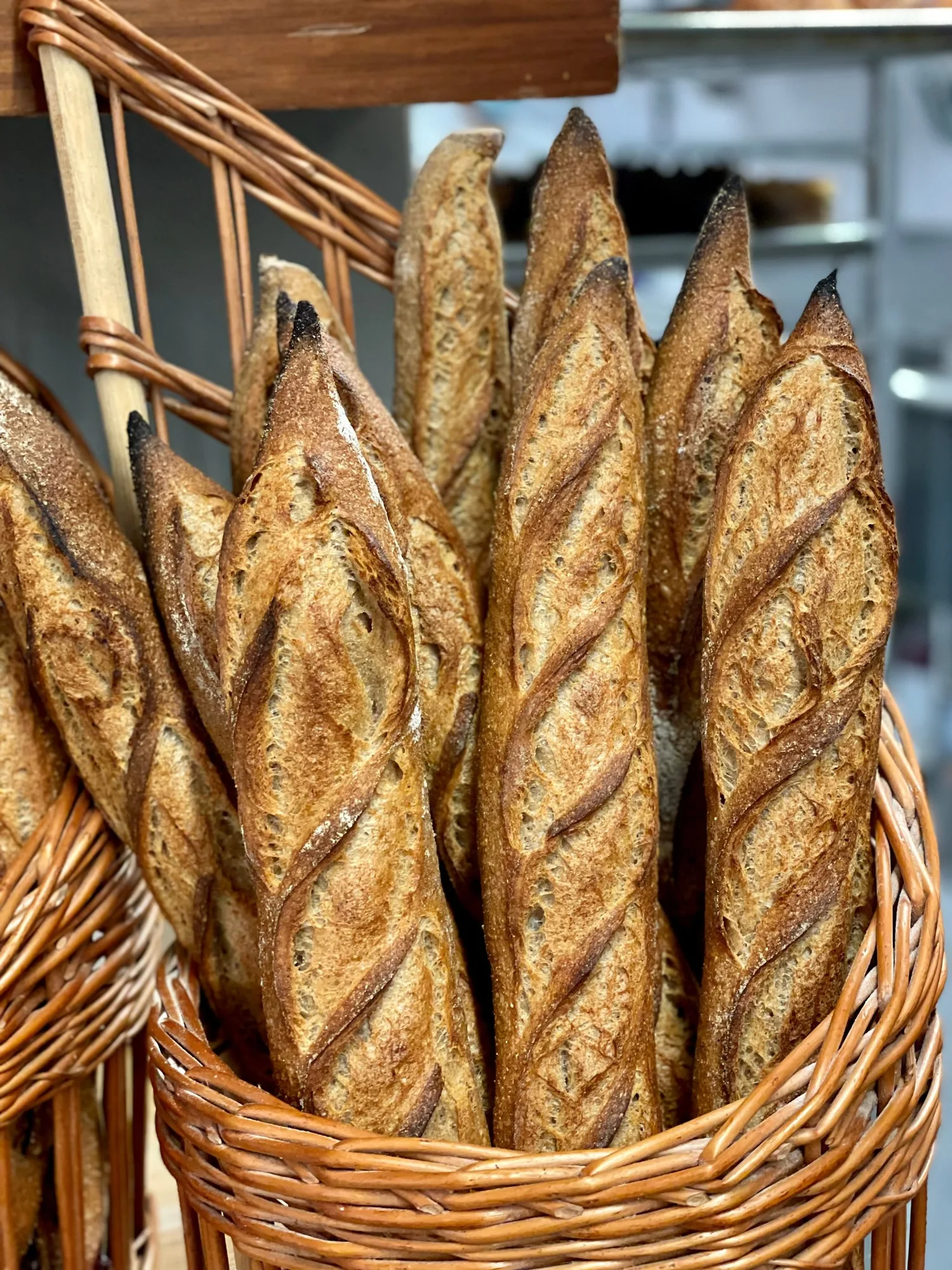
- Sourdough Baguette: Made with a wholegrain sourdough blend of red wheat and spelt in a baguette-style loaf. A baguette has more exposed crust per slice than a round loaf, so it stales faster. Plan to eat it the day you buy it, or freeze half immediately.
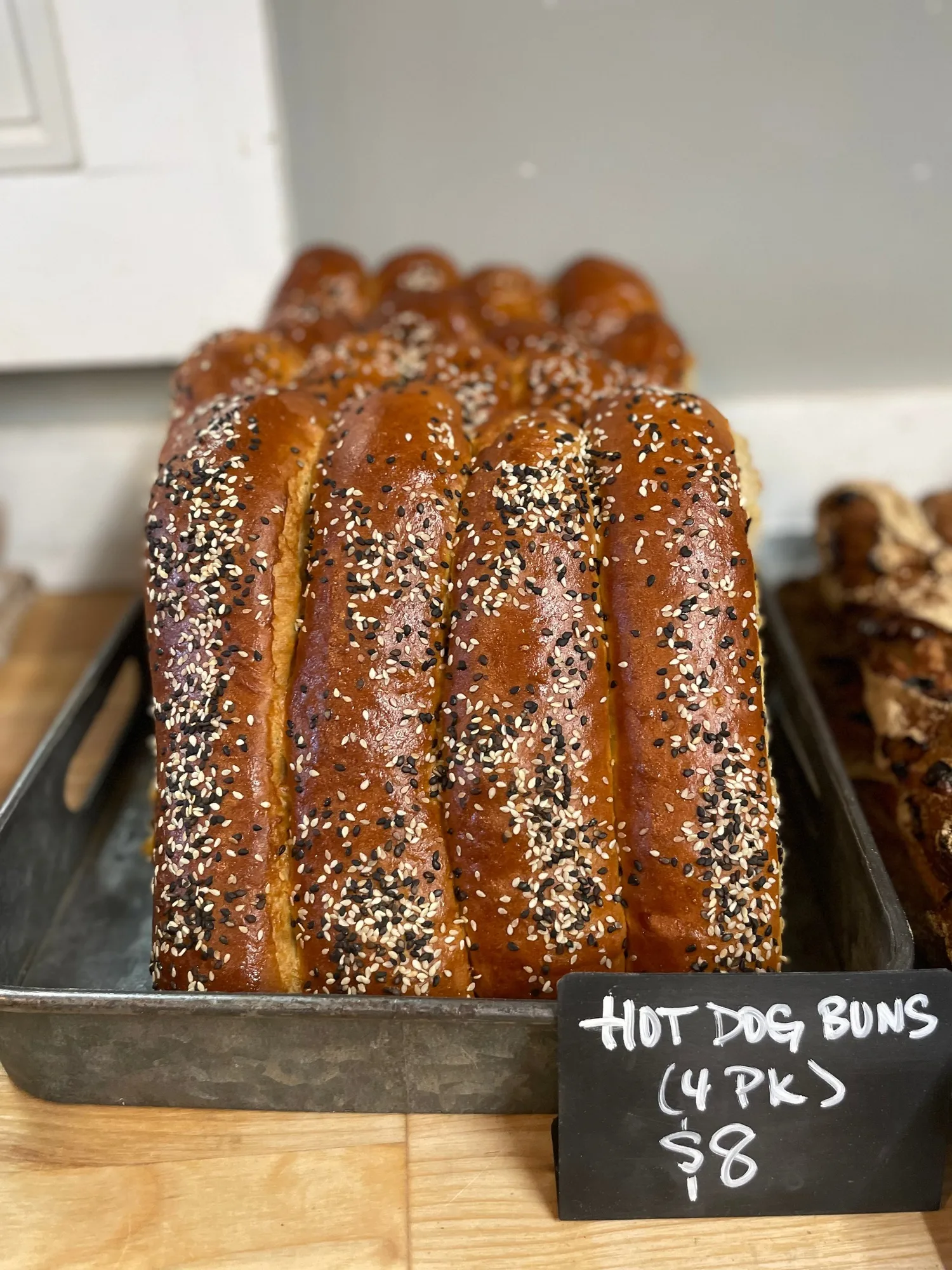
- Hot Dog Buns (4pk): Sesame topped buttery buns sold as a four-pack. Soft enriched buns like these do best in a sealed plastic bag at room temperature. They will dry out on an open board within a day.
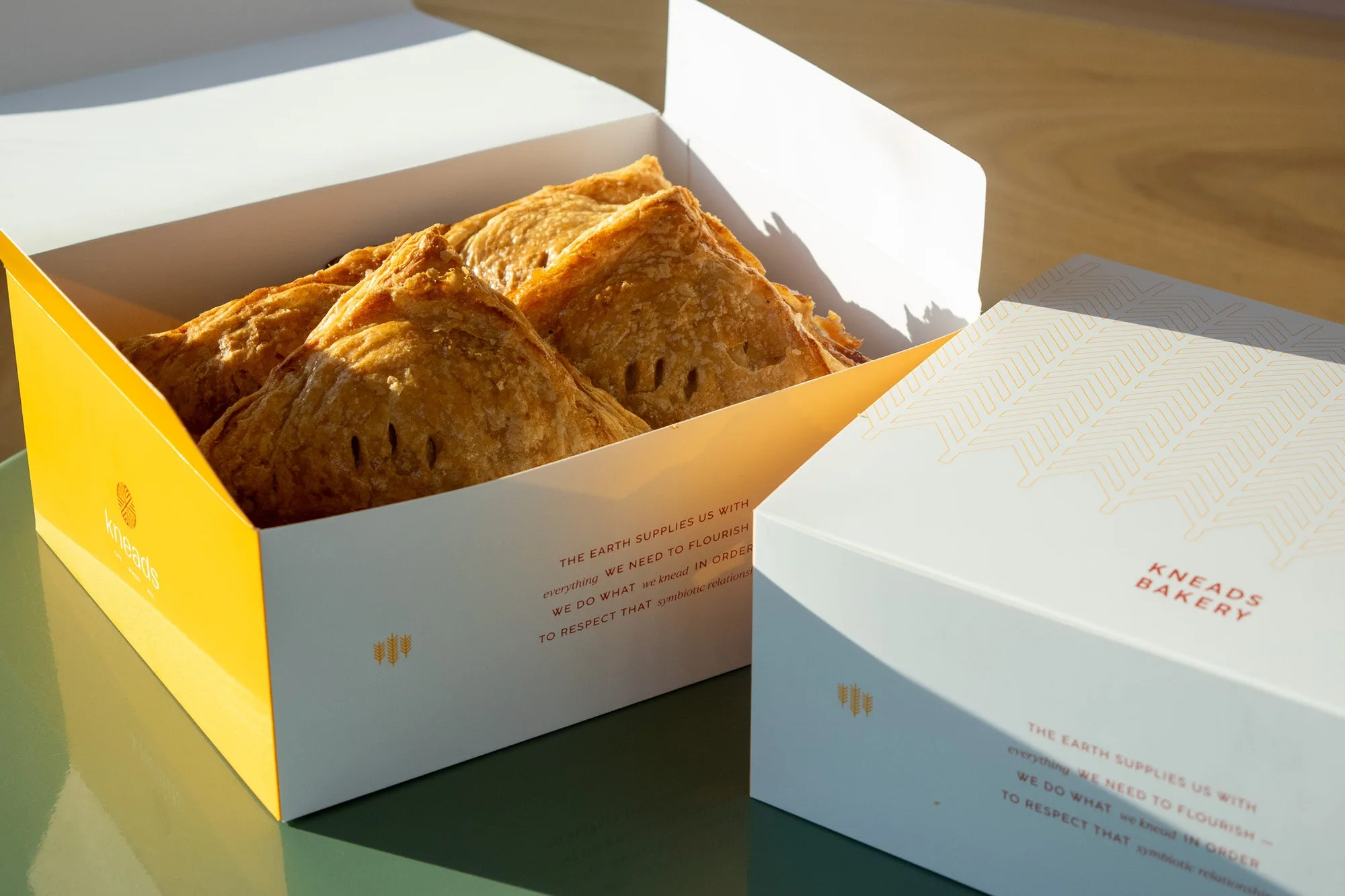
- Mini Apple Turnover Box: Boxed mini turnovers designed to be easy to share or serve at gatherings. Pastries with a filling and a glazed or sugared surface should stay in their box or an airtight container, not a bread box, because they need to keep moisture in rather than let it escape.
Match the storage method to the loaf: paper or a bread box for crusty bread, a sealed bag for soft buns, and the freezer for anything you will not finish in two days. Skip the refrigerator, and your bread will taste like bread for longer.