Quick answer
Keep loose leaf tea in a small, airtight, opaque container stored in a cool, dark, dry cupboard away from the stove and kettle. Buy only as much as you will drink in a few months, keep one tin per tea, and reseal it within a minute of scooping. Those four habits do more for freshness than any single gadget.
Why loose leaf tea goes stale in the first place
Tea leaves are dried, not inert. The aromatic oils that carry bergamot, honey, or citrus notes evaporate slowly, and the leaf itself takes on moisture and odors from the air around it. Heat speeds that loss up, light breaks down pigments and aromatics, and oxygen quietly dulls the top notes you paid for. That is why a beautiful tin left open on a sunny counter can taste flat within weeks, while the same tea sealed in a dark cupboard holds its character far longer.
This is also why 'does tea expire' has no single answer. A best-by date is a quality estimate, not a safety deadline. Well-stored tea rarely becomes unsafe; it simply flattens, losing aroma first and body later. Your nose and the leaf itself are better guides than the printed date.
Match the container to how fast you drink
The container question has two honest answers. If you finish a tea within a month or two, a well-sealed tin you open daily is fine. If you keep a larger stash, split it: a small tin for the counter and the rest sealed in a larger airtight container you open rarely. Every time you open a container, fresh air and moisture rush in, so fewer openings means slower staling.
Clear glass jars look lovely but let light through, which is the one flaw you cannot fix with a tighter lid. If you already own glass, store it inside a closed cabinet rather than on an open shelf. Avoid storing tea in the bag it shipped in once it is opened, unless that bag reseals tightly and you plan to drink it within a few weeks.
- Airtight beats decorative: a firm seal matters more than the material.
- Opaque or cabinet-stored beats clear glass on an open shelf.
- Small and refilled beats large and opened daily.
Where to put the tin (and where not to)
The best spot is a cool, dark, dry cupboard away from the kettle, the stove, the dishwasher, and the window. Steady room temperature is the goal; you are not trying to refrigerate your tea. The refrigerator and freezer are common mistakes because tea picks up food odors and because every time you pull the tin out, condensation forms on the cold leaves. If you must freeze tea for long storage, seal it thoroughly, and let it come fully to room temperature before opening.
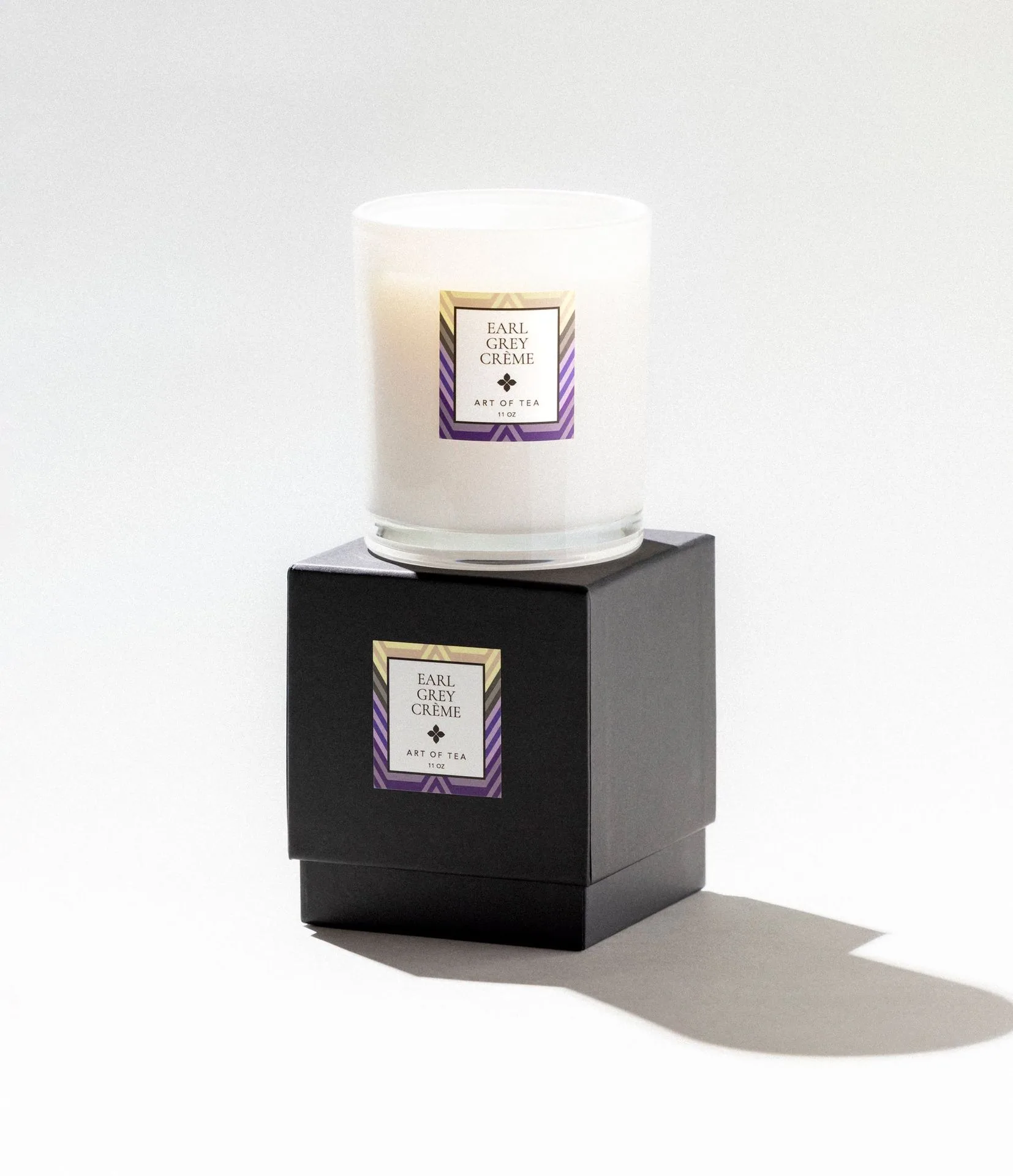
Keep strongly scented teas apart. An Earl Grey Crème built on bergamot oil and French vanilla will happily perfume a delicate white or green tea stored beside it. One tin per tea, or at least one shelf per flavor family, prevents that cross-talk.
How long different teas actually last
Shelf life varies by style, not by brand. Lighter, more delicate teas tend to fade faster because their appeal rests on subtle aromatics, while robust blends hold their shape longer. As a working rule, treat delicate teas as a matter of months and sturdier blends as a matter of many months to a year or more, always assuming good storage. A sampler pack with several small tins is a smart way to test this for yourself without committing to a large quantity of any one tea.
Because exact shelf-life figures depend on harvest, processing, and packaging that are not always printed on the label, judge by sensory cues instead: smell the dry leaf, then brew a small cup. If the aroma is faint and the cup tastes hollow or papery, the tea is past its best.
Label, date, and rotate your stash
Write the date you opened each tea on the tin, not just the purchase date. Opened date is what actually predicts how the leaf is holding up. Then practice first-in, first-out: drink the oldest open tin before starting a new one, and keep unopened backups behind it. This single habit prevents the common outcome of a cupboard full of half-used teas that are all quietly fading at once.
If you like variety, keep your open collection to three or four tins at a time and store the rest sealed. Fewer open containers means faster turnover, and faster turnover means you actually taste each tea near its peak.
Five-step storage routine
- 1. Choose a small airtight container: Pick a tin or jar that holds roughly what you drink in a month, with a firm gasket or tight-fitting lid. Mistake to avoid: filling a huge jar because it looks tidy, which means more air and more openings per gram of tea. Checkpoint: press the lid closed and shake gently. If you hear leaf rattling loosely against a weak seal, reseal or downsize.
- 2. Store it cool, dark, and dry: Place the container in a closed cupboard away from the kettle, stove, and window. Mistake to avoid: the refrigerator, where tea absorbs food odors and condensation forms each time you open the tin. Checkpoint: if the spot feels warm to your hand or gets direct sun, move it.
- 3. Keep one tin per tea: Dedicate a container to each blend rather than topping up a mixed jar. Mistake to avoid: storing a bergamot-forward black tea beside a delicate white or green blend, which lets strong aromatics migrate. Checkpoint: if two open tins smell similar when you lift the lids, separate them.
- 4. Scoop fast and reseal: Take what you need, close the lid, and put the tin away before you start brewing. Mistake to avoid: leaving the tin open on the counter while the kettle heats, which exposes the leaf to steam and air for several minutes every session. Checkpoint: the tin should be closed before the water boils.
- 5. Label the open date and rotate: Write the date you opened the tea on the container and drink the oldest open tin first. Mistake to avoid: starting a new tea while an older one sits forgotten at the back of the shelf. Checkpoint: if you cannot remember when you opened a tin, brew a small cup and let your nose decide whether it still earns its shelf space.
Teas worth storing carefully
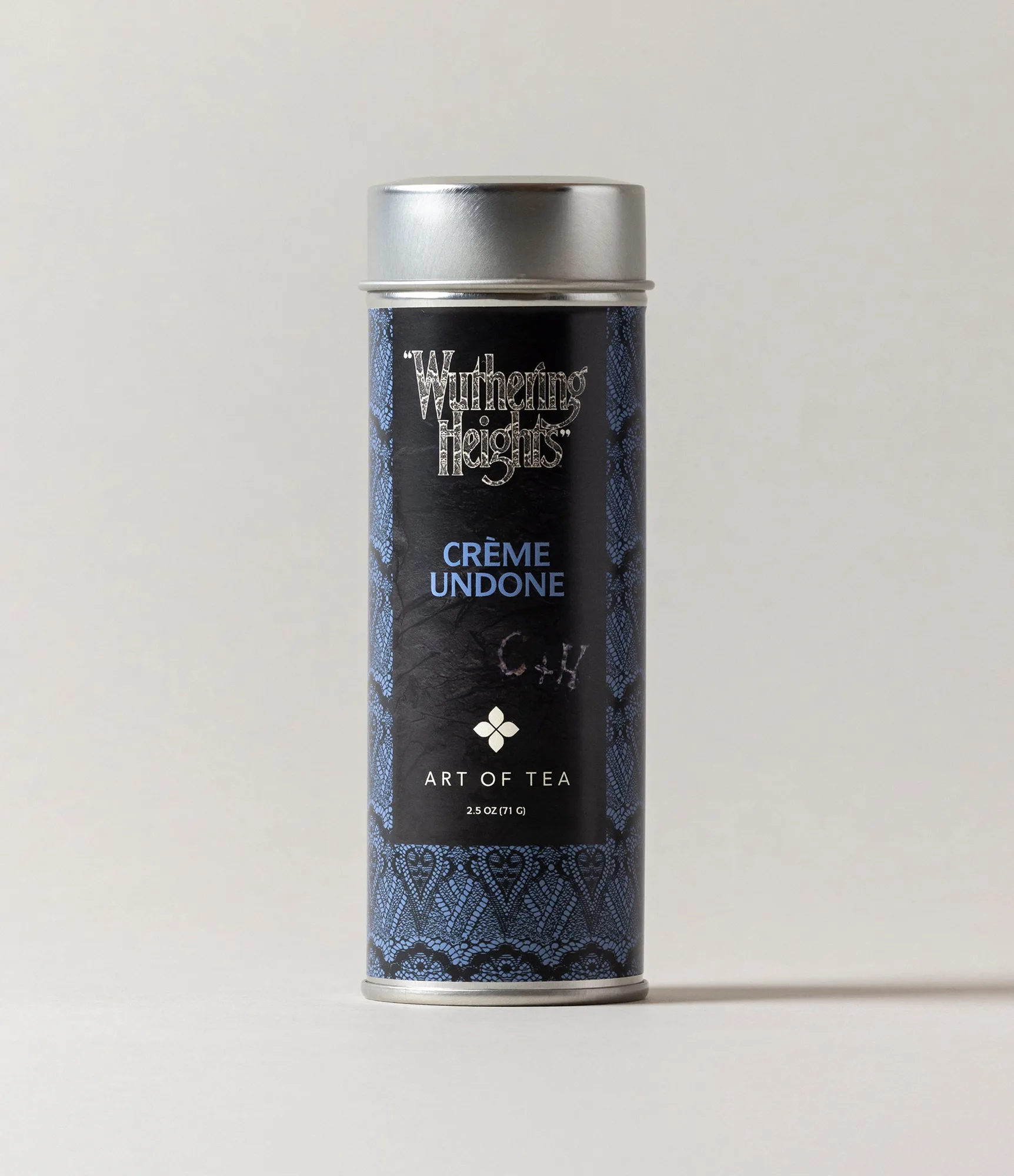
- Crème Undone: Crème Undone is an Earl Grey Crème hand-blended with fragrant bergamot oil and a touch of French vanilla for a rich, robust finish. Bergamot and vanilla aromatics are exactly the top notes that fade first, so this is a tea to keep sealed and away from milder blends.
- Award Winning Tea Sampler Pack: The Award Winning Tea Sampler Pack includes a variety of tea blends, each packed in a convenient tin that brews approximately 5-7 servings. Small tins mean less leaf exposed to air per container and quicker turnover, which makes a sampler an easy way to practice good storage habits.
- Liquid Jade Tea: Liquid Jade is an award-winning white and green tea blend with a touch of bergamot, delivering a clean, fresh taste with light notes of honey and citrus. Delicate white and green blends show staleness sooner than robust blacks, so store this one opaque, sealed, and away from strongly scented teas.