Quick answer
Use clear, labeled bins grouped by play kit and activity type, store them at your child's height on a low shelf, and rotate only one or two bins at a time. This keeps small pieces together, makes cleanup faster, and supports independent play without overwhelming your child.
Choose containers that match the pieces, not the room
The right container depends on what you're storing. Flat pieces like the Letter Sounds Pieces (set of 26) stay put in a shallow tray or zip pouch, while plush items like the Quilted Critter Pillows (set of 9) need a breathable bin or basket so they don't get compressed. Avoid one giant toy box: small parts sink to the bottom and get lost. Instead, pick two or three container sizes and repeat them across kits so your child learns where things belong.
Label by kit and activity, not by toy type
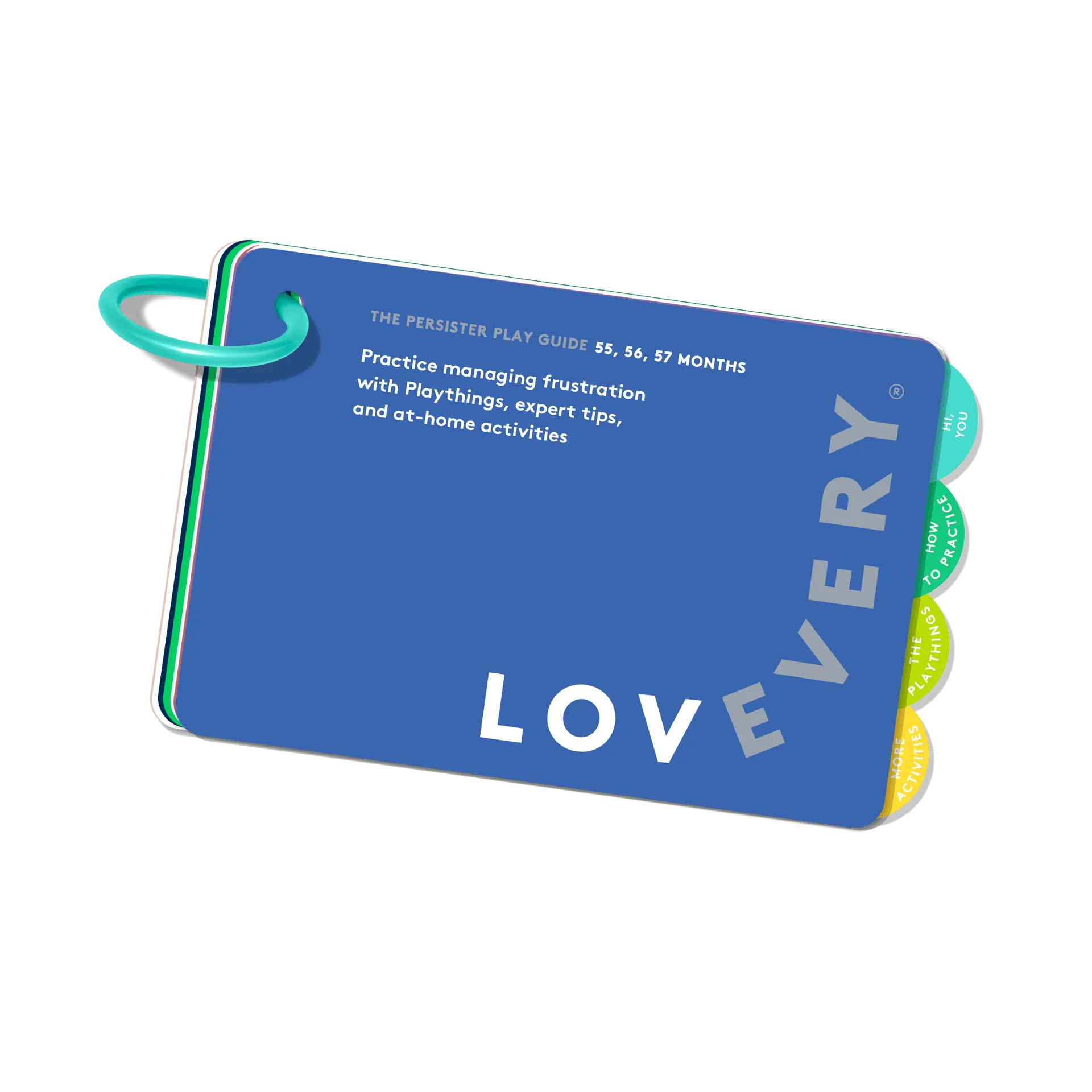
Grouping by color or material seems tidy but breaks the play sequence. A child using the https://loveveryshop.com/products/play-guide-59405https://loveveryshop.com/products/play-guide-59580https://loveveryshop.com/products/play-guide-59590Play Guide for Months 40, 41, 42 often needs the guide plus the specific pieces for that activity in one place. Label each bin with the kit name and a simple word or icon, such as 'Letter Sounds' or 'Critter Pillows.' If you keep the Play Guide separate, add a small clip or pocket so it stays with the matching pieces.
Set up a toy shelf with a clear rotation spot
A low, open shelf with three to five bins works better than a deep chest. Place the current rotation on the top or middle row at your child's eye level, and keep the rest in a closed storage spot nearby. When you rotate, move the whole bin rather than individual pieces. This preserves the set and makes it obvious what is available. If a bin hasn't been opened in two weeks, it's a sign to swap it out.
Handle small parts with a checkpoint routine
Before a bin goes back on the shelf, do a ten-second count of the key pieces. For sets like the Letter Sounds Pieces, count the 26 pieces or check that the pouch is zipped. For plush sets like the Quilted Critter Pillows, a quick pat-down of the bin catches any that rolled under furniture. This checkpoint prevents the slow loss of one or two pieces that makes a set unusable later.
Step-by-step storage and organization routine
- 1. Sort each kit into a single pile: Empty one kit at a time onto a table. Group the pieces by the activity they belong to, using the Play Guide if you have it. Common mistake: mixing pieces from two kits because they look similar. Checkpoint: every piece in the pile should belong to the same kit before you move on. One kit, one pile, one container.
- 2. Match the container to the piece type: Use a shallow tray or zip pouch for flat pieces like the Letter Sounds Pieces, a breathable basket for plush items like the Quilted Critter Pillows, and a small box for loose parts. Common mistake: using a deep bin for small pieces, which makes them hard to see and easy to lose. Checkpoint: can your child reach in and pull out one piece without dumping the whole bin? If it's hard to see, it's hard to use.
- 3. Label with words and a simple icon: Write the kit name and one activity word on the bin, then add a small drawing or sticker. For example, 'Letter Sounds – A to Z' with a letter sticker. Common mistake: labeling only with a color code that adults remember but children don't. Checkpoint: your child can point to the bin that holds their favorite pieces. Labels should work for the child, not just the adult.
- 4. Place the current rotation on a low shelf: Put two or three bins on an open shelf at your child's height. Store the rest out of sight but easy for you to reach. Common mistake: leaving every bin out at once, which creates clutter and makes cleanup harder. Checkpoint: the shelf has empty space between bins so pieces can be taken out and put back without knocking others over. Less on the shelf means more focused play.
- 5. Do a quick piece count before the bin goes back: Before returning a bin to the shelf, count the key pieces: 26 for the Letter Sounds set, 9 for the Quilted Critter Pillows, and the guide if you keep it with the kit. Common mistake: skipping the count on busy days, which is when pieces disappear. Checkpoint: if a piece is missing, check under furniture and inside other bins immediately. Ten seconds now saves a replacement order later.
- 6. Rotate one bin at a time every one to two weeks: When interest drops, swap one bin from the shelf with one from storage. Keep the Play Guide with its matching kit so you don't have to search for activity ideas. Common mistake: rotating everything at once, which resets the child's orientation and can feel chaotic. Checkpoint: your child notices the new bin and engages with it within the first day. Slow rotation keeps play fresh without overwhelming.
Component details that affect storage
- Letter Sounds Pieces (set of 26): Set includes 26 individual pieces, one for each letter of the alphabet, intended as a replacement or supplementary part for Lovevery storytelling and phonics activities. Because there are 26 small pieces, store them in a single labeled pouch or shallow tray so none go missing and the full set stays ready for phonics play.
- Play Guide for Months 40, 41, 42: The Play Guide for Months 40, 41, 42 provides ways to play, expert tips, development information, and at-home activity ideas for this specific age range. Keep the guide with the matching kit components so you can pull one bin and have both the instructions and the pieces for that activity.
- Quilted Critter Pillows (set of 9): Set includes 9 quilted pillows, each with a unique critter pattern, made with soft fabric for sensory play and snuggle time. Plush pieces need a breathable bin or basket rather than a sealed plastic box to avoid moisture and keep them easy for little hands to grab.