Quick Answer
To properly store and organize Willow pump parts and accessories, start by ensuring everything is completely clean and dry, then use a dedicated, breathable container or bag to keep parts grouped by function. Consider investing in backup parts sets and cleaning kits to streamline your routine and avoid downtime.
Keeping your Willow pump parts organized is more than just a matter of tidiness—it's essential for maintaining hygiene, extending the life of your equipment, and making each pumping session as smooth as possible. When parts are scattered or stored improperly, you risk contamination, damage, or losing small components. With a few simple strategies, you can create a system that works for you at home and on the go.
In this guide, we'll walk you through the best practices for storing and organizing your Willow pump parts and accessories. From drying techniques to container choices, you'll learn how to keep everything in top condition and ready when you need it.
Why Proper Storage Matters for Your Willow Pump
Proper storage of your Willow pump parts is crucial for several reasons. First, it ensures that your pump remains hygienic. Breast milk residue can harbor bacteria if parts are not thoroughly cleaned and dried before storage. Second, organized storage protects delicate components from damage, such as cracks or warping, which can affect pump performance. Finally, a well-organized system saves you time and reduces stress, especially during those early morning or late-night pumping sessions.
When parts are stored incorrectly—like in a sealed plastic bag while still damp—you risk mold and mildew growth. Similarly, tossing parts loosely into a drawer can lead to scratches or lost pieces. By following a few simple guidelines, you can avoid these common pitfalls and ensure your pump is always ready for use.
- Always store parts completely dry to prevent bacterial growth.
- Use a dedicated container to keep small pieces from getting lost.
- Keep parts away from direct sunlight and extreme temperatures.
Step 1: Clean and Dry Thoroughly
Before storing any Willow pump part, it must be thoroughly cleaned and completely dried. After each use, disassemble your pump and rinse all parts that come into contact with milk in cool water, then wash with warm, soapy water. Rinse again and allow to air dry on a clean, lint-free towel or drying rack. Ensure every nook and cranny is dry, as moisture is the enemy of long-term storage.
For a deeper clean, consider using a specialized cleaning kit like the Dapple® Baby Pump Cleaning Kit (Exclusively for Willow). This kit is formulated to remove tough breast milk residue and is made with plant-based ingredients, making it safe for your pump parts. It's an excellent addition to your storage routine, ensuring your parts are not only clean but also free from lingering odors.
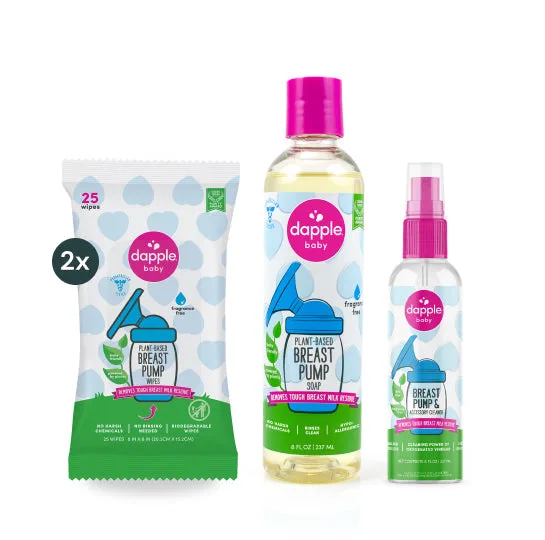
Dapple® Baby Pump Cleaning Kit (Exclusively for Willow)
- Air-dry parts on a rack to ensure proper airflow and prevent moisture buildup.
- Avoid using dish towels that may harbor bacteria; use a fresh, clean towel each time.
- Check for any residue before storing—if in doubt, wash again.
Step 2: Choose the Right Storage Container
Selecting the right storage container is key to keeping your Willow pump parts organized and protected. Look for a container that is breathable to prevent moisture accumulation, such as a basket or a container with ventilation holes. Avoid airtight containers for long-term storage of fully dry parts, as they can trap any residual moisture and lead to mildew.
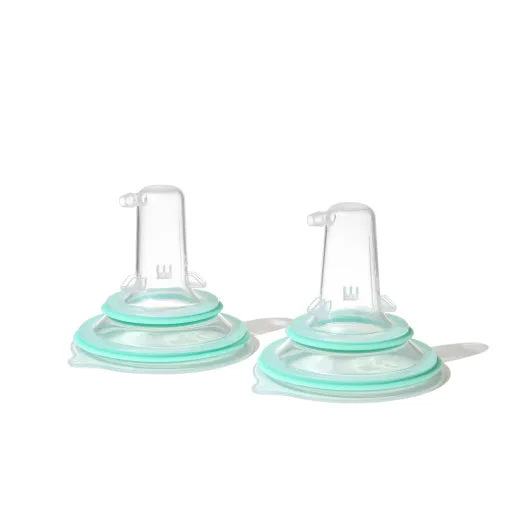
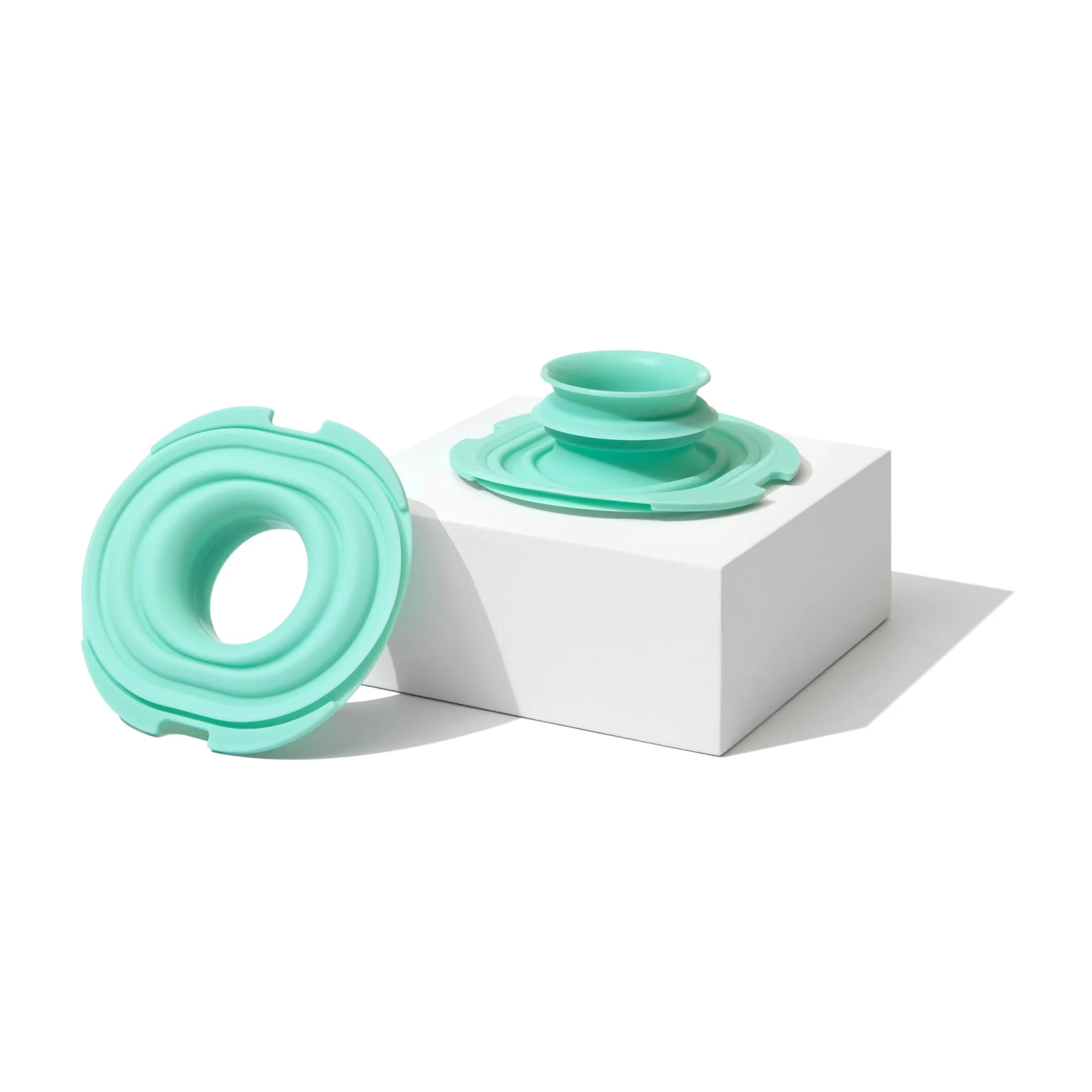
Consider clear, stackable bins or drawer organizers to keep different types of parts separate. For example, you might have one bin for flanges, another for valves, and a third for containers. Labeling each bin can save you time when you're in a hurry. If you're often on the go, a dedicated travel case or pouch can keep parts safe and clean while you're away from home.
- Use clear bins so you can see what's inside at a glance.
- Label containers by part type or pump model for quick identification.
- For travel, use a soft pouch or hard case designed for pump parts.
Step 3: Organize by Frequency of Use
Arrange your storage so that the parts you use most often are the easiest to access. For example, if you pump multiple times a day, keep your flanges, valves, and containers in a convenient spot on your kitchen counter or in a designated drawer. Less frequently used items, like backup parts or extra containers, can be stored in a higher cabinet or closet.
This approach not only saves time but also helps you quickly identify when you need to reorder supplies. If you find that you're constantly reaching for a backup set, it might be time to invest in a backup parts set, such as the Willow Go® Backup Parts Set, which includes two splashguard containers to keep your routine running smoothly.
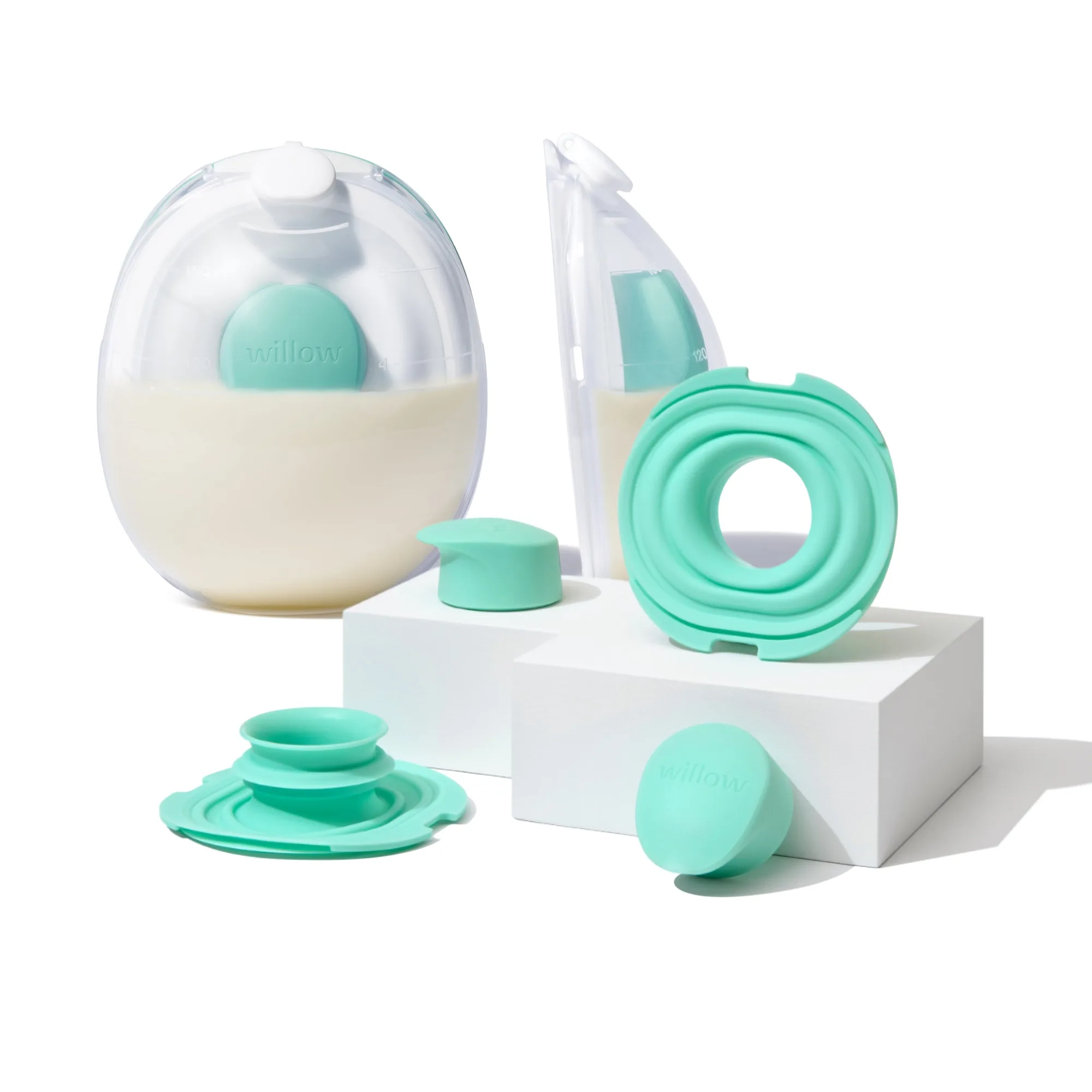
Willow Go® Backup Parts Set
- Keep everyday parts within arm's reach of your pumping area.
- Store backup parts separately but in a known location.
- Review your setup monthly to adjust based on your actual usage.
Step 4: Protect Parts from Damage
Willow pump parts are designed to be durable, but they can still be damaged if not handled with care. Avoid stacking heavy items on top of delicate parts, and never store parts in direct sunlight or near heat sources, as this can cause warping or degradation of the materials. If you have multiple pumps or sets, consider using dividers within your storage container to keep parts from rubbing against each other.
For extra protection, especially when traveling, use a padded case or wrap parts in a soft cloth. The Willow 360® Deluxe Bundle includes a case that can help protect your pump and accessories, making it a great option for moms on the move.
- Use dividers or small boxes within larger containers to separate parts.
- Keep parts away from extreme temperatures to prevent warping.
- When traveling, use a padded case or wrap parts in a soft cloth.
Step-by-Step Storage Routine
- Step 1: Clean and Dry: After each use, disassemble your Willow pump and wash all milk-contact parts with warm, soapy water. Rinse thoroughly and allow to air dry completely on a clean rack or towel. Checkpoint: Ensure no moisture remains before storing to prevent mold.
- Step 2: Select a Breathable Container: Choose a storage container that is breathable, such as a basket or a bin with ventilation. Avoid airtight containers for dry parts. Checkpoint: Confirm the container allows air circulation to prevent moisture buildup.
- Step 3: Group and Label: Group parts by type (e.g., flanges, valves, containers) and label each container. This makes it easy to find what you need quickly. Checkpoint: Review labels to ensure they are clear and accurate.
- Step 4: Store in a Safe Location: Place the storage container in a cool, dry place away from direct sunlight and heat sources. Keep frequently used parts within easy reach. Checkpoint: Verify that parts are not exposed to extreme temperatures.
Willow Products for Storage and Organization
- Willow Go® Backup Parts Set: Includes a 2-pack of Willow Go® Splashguard Containers, available in 7 oz and 5 oz sizes, and is compatible with Willow Go® wearable breast pumps. HSA/FSA eligible. Having a backup set ensures you always have clean parts ready, reducing the need for immediate washing and allowing you to rotate sets for convenience.
- Dapple® Baby Pump Cleaning Kit (Exclusively for Willow): A bundled trio of Dapple Baby products designed for cleaning Willow 3.0 and Willow Go pumps, both on-the-go and at home. Made with plant-based ingredients to remove tough breast milk residue. Proper cleaning is the first step to safe storage. This kit helps ensure your parts are thoroughly clean, preventing residue buildup that can affect performance and hygiene.
By following these storage and organization tips, you'll keep your Willow pump parts in top condition, ready for every pumping session. For added convenience, consider investing in backup parts and cleaning kits to streamline your routine. Explore the Willow Go® Backup Parts Set to ensure you always have clean parts on hand.