Quick answer
Store fragrance samples upright in a cool, dark, dry place, keep the cap screwed tight, and never leave them in a bathroom or on a sunny windowsill. For travel, use a hard case and seal vials in a small zip bag. If you plan to keep a sample for months, wrap the cap with plumber's tape or store it in an airtight container.
Why sample vials are more fragile than full bottles
A 1.5 ml sample vial has a much higher ratio of air to liquid than a 100 ml bottle, so every time you open it, you introduce oxygen that can gradually alter the top notes. The small plastic or glass wand and the crimped or screw-top seal also let alcohol evaporate faster if they are not kept tight. This is why sample evaporation prevention is less about a single trick and more about reducing air exposure, heat, and light at every step.
The best spot in your home for fragrance sample storage
Choose a closet, drawer, or cabinet away from radiators, ovens, and direct sun. A bedroom shelf inside a closed box works well. Avoid the bathroom entirely because the repeated humidity and temperature swings from showers are hard on both the juice and the label. If you live in a hot climate, a wine fridge set to 12–15°C is a safe option, but a steady dark cupboard is usually enough.
How to handle a sample you are actively testing
Keep the vial upright so the liquid does not sit against the seal. After each use, wipe the neck with a clean tissue before closing, because dried residue can prevent a tight seal. Do not store samples lying down, even for a day, as this increases the chance of leakage and evaporation. If you decant into a travel atomizer, do it over a paper towel and only fill what you will use within a few weeks.
Travel perfume storage that actually protects the vial
For a weekend trip, put each sample in its own small zip bag, then place the bags inside a hard-shell case or a rigid tin. Do not rely on a soft pouch in a checked bag. In flight, keep the case in your carry-on because the cabin is pressurized and less likely to reach extreme temperatures than the cargo hold. If you are bringing a carded sample, leave it in its original card until you are ready to use it.
Perfume shelf life: what to expect from a sample
Most alcohol-based niche fragrances stay in good condition for several years when stored properly, but a sample vial that is opened often can start to lose its top notes within a year. Citrus and fresh aromatics fade first; oud, sandalwood, and saffron accords tend to hold longer. If a sample starts to smell sharp, sour, or unusually flat, it has likely degraded. There is no way to reverse that, so use older samples first.
Decant care tips for keeping a sample true to the original
Use a clean, dry atomizer and avoid mixing different fragrances in the same vial. Rinse glass atomizers with unscented alcohol and let them air-dry completely before refilling. Label every decant with the name and the date so you can track how long it has been open. If you are sampling a rare or expensive scent, keep the original vial sealed and make a separate small decant for daily testing.
Step-by-step: preserve your niche fragrance samples
- 1. Check the seal before storing: Screw the cap until it stops, then turn the vial upside down over a sink for a few seconds. If you see a ring of liquid, the seal is not tight. Checkpoint: a dry neck after this test means the vial is ready to store.
- 2. Add plumber's tape for long-term storage: Wrap one or two turns of PTFE plumber's tape around the threads of the vial before closing the cap. This is a common sample evaporation prevention trick for vials you will not open for months. Common mistake: wrapping the tape over the cap instead of the threads, which does not seal the gap.
- 3. Store upright in a dark, stable place: Place the vial in a drawer, closed box, or cabinet away from heat and sunlight. Keep it upright so the liquid does not touch the seal. Common mistake: storing samples in the bathroom, where humidity and heat swings shorten perfume shelf life.
- 4. Group by how often you use them: Keep the samples you are actively testing in a small tray, and move the ones you are saving into a separate airtight container. This limits how often you open the storage box. Checkpoint: if you open the same box every day, your long-term samples are getting unnecessary air exposure.
- 5. Pack for travel in a hard case: Seal each vial in a small zip bag, then place the bags in a rigid tin or hard-shell case. Carry it in your hand luggage rather than a checked bag. Common mistake: using a soft pouch that lets vials press against each other and crack.
- 6. Rotate and label your samples: Write the date you opened each vial on a small label. Use older samples first, especially citrus or fresh scents that fade faster than oud or sandalwood. Checkpoint: if a sample smells sharp or flat, it has degraded and should be replaced.
Maison Crivelli samples and formats that fit this routine
- Oud Cadenza 1.5 ml: Oud Cadenza 1.5 ml is a portable sample size from Maison Crivelli, suited to testing or travel. The 1.5 ml format is small enough to keep in a hard travel case, but it also means the seal and temperature matter more than with a full bottle.
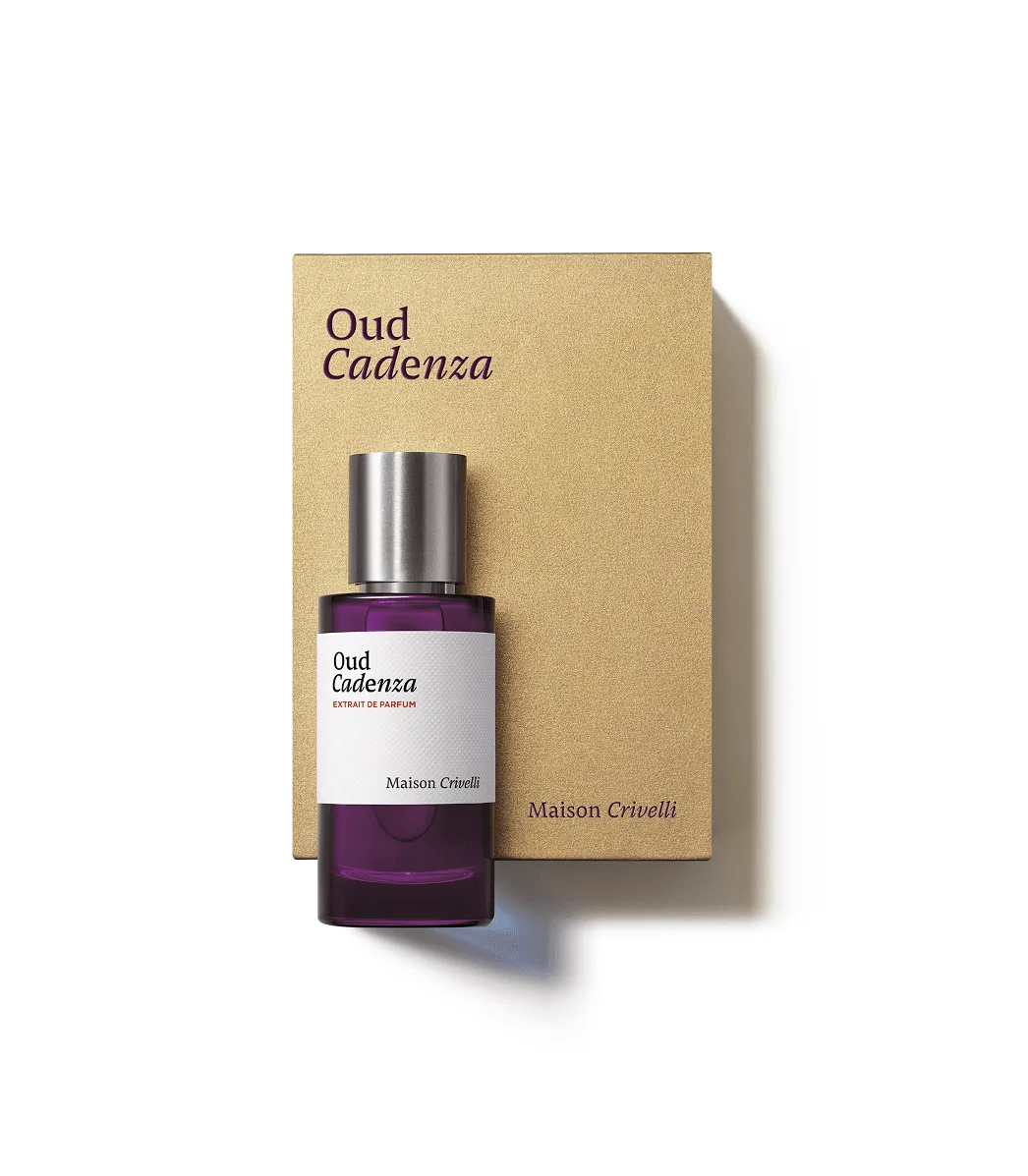
Oud Cadenza
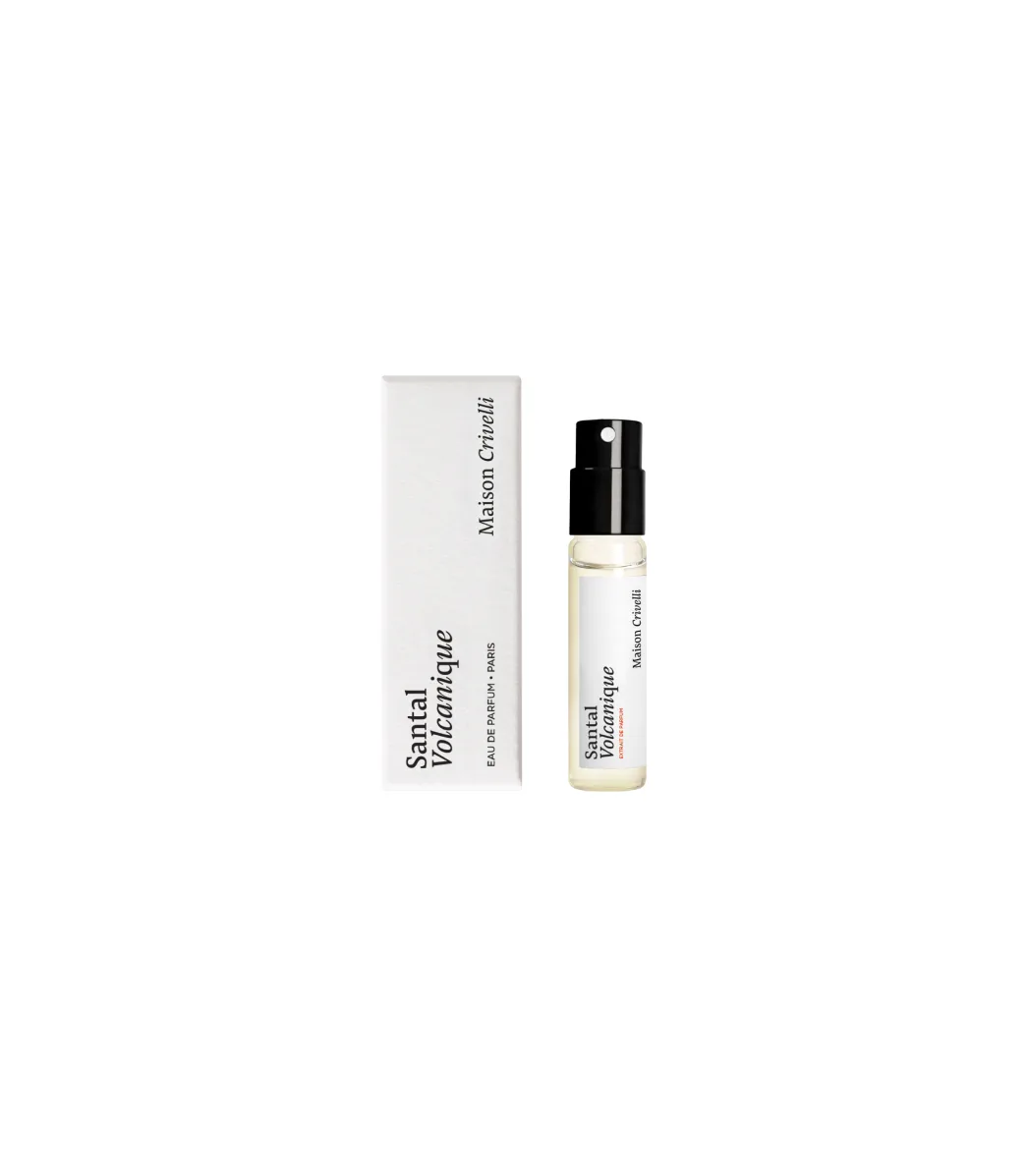
- Santal Volcanique: Santal Volcanique is a full-size fragrance available in multiple volumes, built around a burnt sandalwood and spiced coffee contrast. If you already own the full bottle, you can decant a small amount for travel and leave the original stored upright in a dark cupboard.
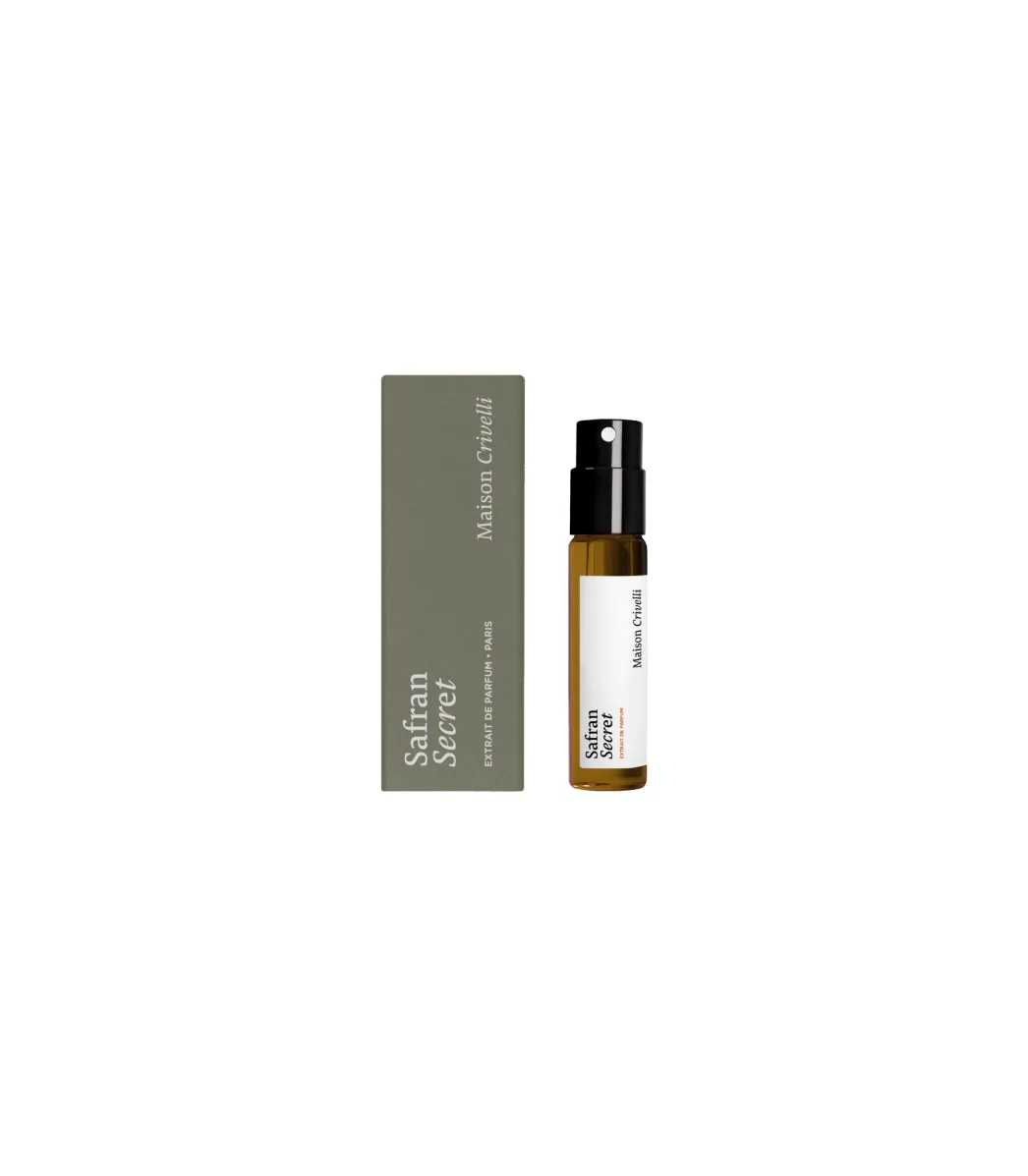
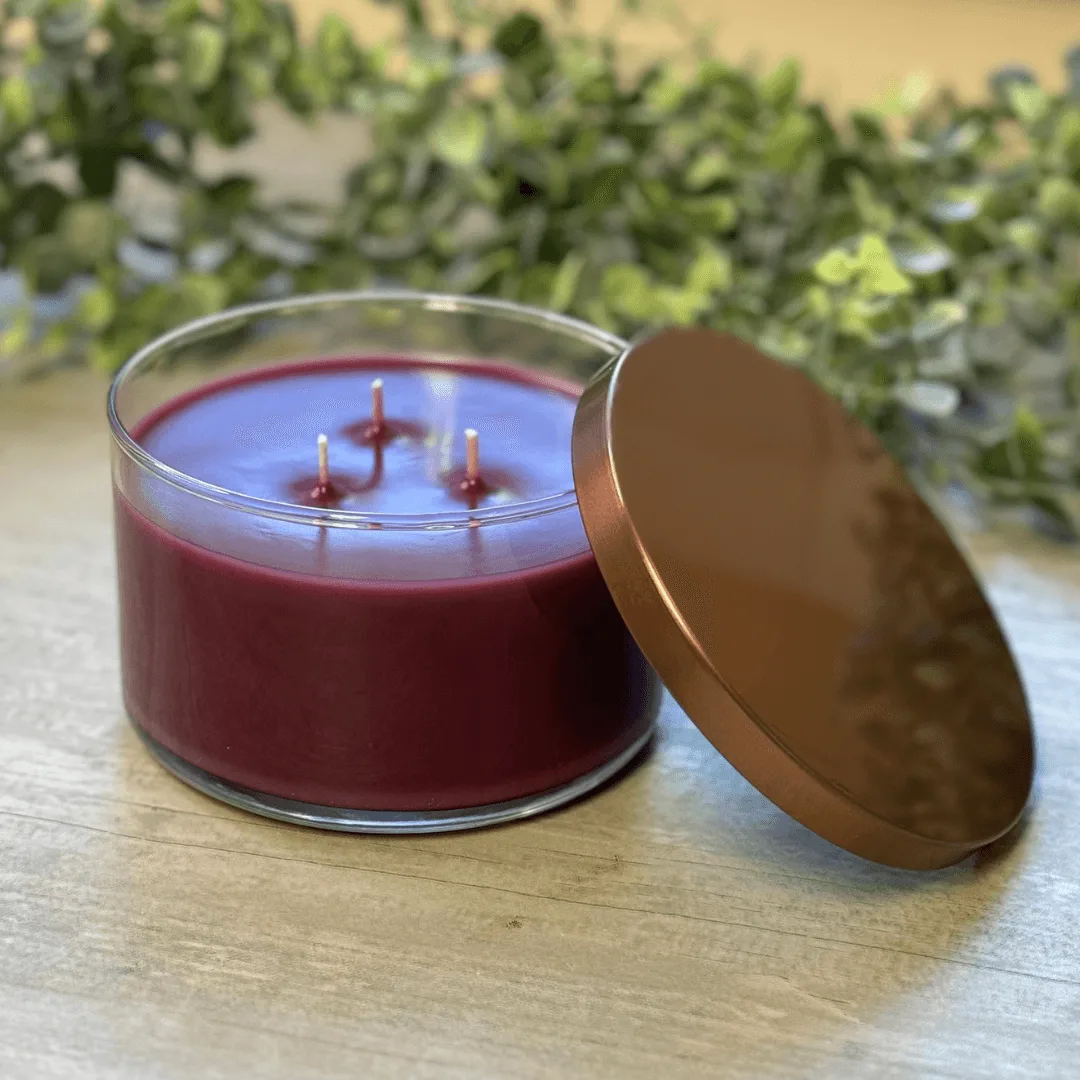
- Safran Secret: Safran Secret is a scented candle from Maison Crivelli that explores spiced saffron and warm woody notes. Candles are not perfume samples, but they should also be kept away from direct sun and heat to protect the wax and scent.