Quick answer
Store each Magic deck vertically in a rigid, acid-free deck box, keep the box on a stable shelf out of direct sun, and never stack heavy boxes on top of loaded decks. Sleeve cards before boxing them, label each box, and check shelf pressure and dust every few months.
A deck box only protects what it holds if the cards inside are already sleeved and the box itself is stored with a little care. Most damage to a Magic collection happens slowly: a box left in a hot car, a stack of decks pressing down on the bottom row, or dust settling into an open tray.
This guide walks through one repeatable routine, from sorting your decks to choosing boxes and arranging a shelf. It is written for players with a growing collection, not just a single Commander deck.
Start by sorting decks by format and play frequency
Before buying anything, separate your decks into three groups: decks you play weekly, decks you keep built but rarely touch, and loose cards waiting for a home. This tells you how much accessible storage you need versus long-term storage. Weekly decks should live in boxes you can grab and reseal quickly, while dormant decks can sit in tighter, more protective boxes.
A common mistake is sorting by color or theme instead of by use. That feels tidy but makes it harder to find the deck you actually want on game night. Sort by play frequency first, then by format.
- Keep a small 'active shelf' for the two or three decks you play most.
- Move rarely used decks into long-term boxes rather than leaving them loose.
Sleeve every card before it goes into a deck box
A deck box protects the outer surface of a deck, but it does not stop cards from rubbing against each other. Sleeves do that job. For most decks, a single layer of matte sleeves is enough for storage and play. If you double-sleeve, check that the finished deck still fits the box without bowing the cards.
The most common mistake here is mixing sleeve brands or finishes inside one deck. Different thicknesses create uneven pressure in the box, and uneven pressure is what bends cards over time.
- Use the same sleeve type for every card in a deck, including tokens if they live in the same box.
- If a deck feels tight, remove a token or sideboard card rather than forcing the lid.
Choose a deck box that matches the deck size
A 100-card Commander deck needs a box rated for 100+ standard size cards in sleeves. A 60-card deck can use a smaller box, but leaving extra space lets cards shift. The goal is a box that holds the deck snugly without compressing it. Rigid plastic shells resist shelf pressure better than soft cardboard or fabric boxes.
Look for boxes with a secure closure. A snap-fit lid or a snug-fitting top keeps dust out and stops the deck from spilling if the box tips over. If a box has a bottom compartment for dice or counters, use it, but do not overfill it to the point where the lid presses on the cards above.
- Match box capacity to deck size; a loose deck slides and scuffs.
- Prefer a rigid shell for anything stored on a shelf for months.
Set up shelf storage that does not crush your decks
The best way to store MTG decks on a shelf is upright, side by side, with nothing stacked on top. Vertical storage keeps the cards aligned and spreads pressure across the box walls instead of the card faces. If you must stack, keep stacks shallow and put the heaviest boxes on the bottom.
Keep the shelf out of direct sunlight and away from heat sources like radiators or windows. Heat and UV are the two environmental factors most likely to warp cards or fade sleeves. A closed cabinet or a shelf with a dust cover is better than an open wire rack in a garage.
- Leave a little breathing room between boxes so you can pull one out without dragging the others.
- Avoid storing decks on the floor, where dust and accidental kicks are common.
Label and track what is in each box
Once decks are boxed, label each one with the format, commander or archetype, and sleeve color. This turns deck box organization from a guessing game into a quick scan. Labels also help you notice when a box has been opened and not resealed properly.
For larger collections, keep a simple list on your phone or in a notebook. Note which box holds which deck and when you last checked it. This is especially useful if you lend decks to friends or bring several to a tournament.
- Use removable labels so you can relabel boxes when decks change.
- Note any deck that uses double sleeves, since those boxes fit differently.
Do a quarterly check and clean
Every few months, open each box, check that the deck is still flat, and wipe the inside with a dry microfiber cloth. Look for dust, bent corners, or sleeves that have split. Replace split sleeves immediately, because a split sleeve exposes the card edge to rubbing.
This is also the time to rotate decks. If a deck has been sitting untouched for a year, consider moving it to a more protective long-term box or reducing the number of built decks you maintain. Fewer, better-stored decks are easier to protect than dozens of loose ones.
- Check the bottom row of any stack for compression marks.
- If a box lid no longer closes flush, the deck has grown or the box has warped; fix it before storing.
Your deck box storage routine, step by step
- Sort decks by how often you play them: Pull every built deck off the shelf and group it as weekly, occasional, or dormant. This decides which boxes need to be easy to open and which can be tighter and more protective. Checkpoint: if you cannot name the last time you played a deck, it belongs in the dormant group.
- Sleeve all cards consistently: Use one sleeve type per deck so the deck thickness is even. Double-sleeve only if the box still closes without bowing the cards. Checkpoint: a deck that springs open when you release it is overfilled or over-sleeved.
- Match each deck to the right box: Use a 100+ card box for Commander decks and smaller boxes for 60-card decks. A rigid shell with a secure lid is the safer choice for anything stored long term. Checkpoint: the deck should not rattle when you shake the closed box gently.
- Arrange the shelf upright and out of sun: Stand boxes side by side, avoid stacking heavy boxes on top of decks, and keep the shelf away from windows, heaters, and damp floors. Checkpoint: if you can feel warmth on the shelf surface, move the collection.
- Label every box and keep a simple list: Write the format, commander or archetype, and sleeve color on a removable label. Track the list on your phone so you know what is stored where. Checkpoint: every box should be identifiable without opening it.
- Inspect and clean quarterly: Open each box, check for bent corners or split sleeves, wipe out dust with a dry cloth, and replace any damaged sleeve right away. Checkpoint: if a lid no longer sits flush, fix the deck size or replace the box before storing it again.
Products that fit this routine
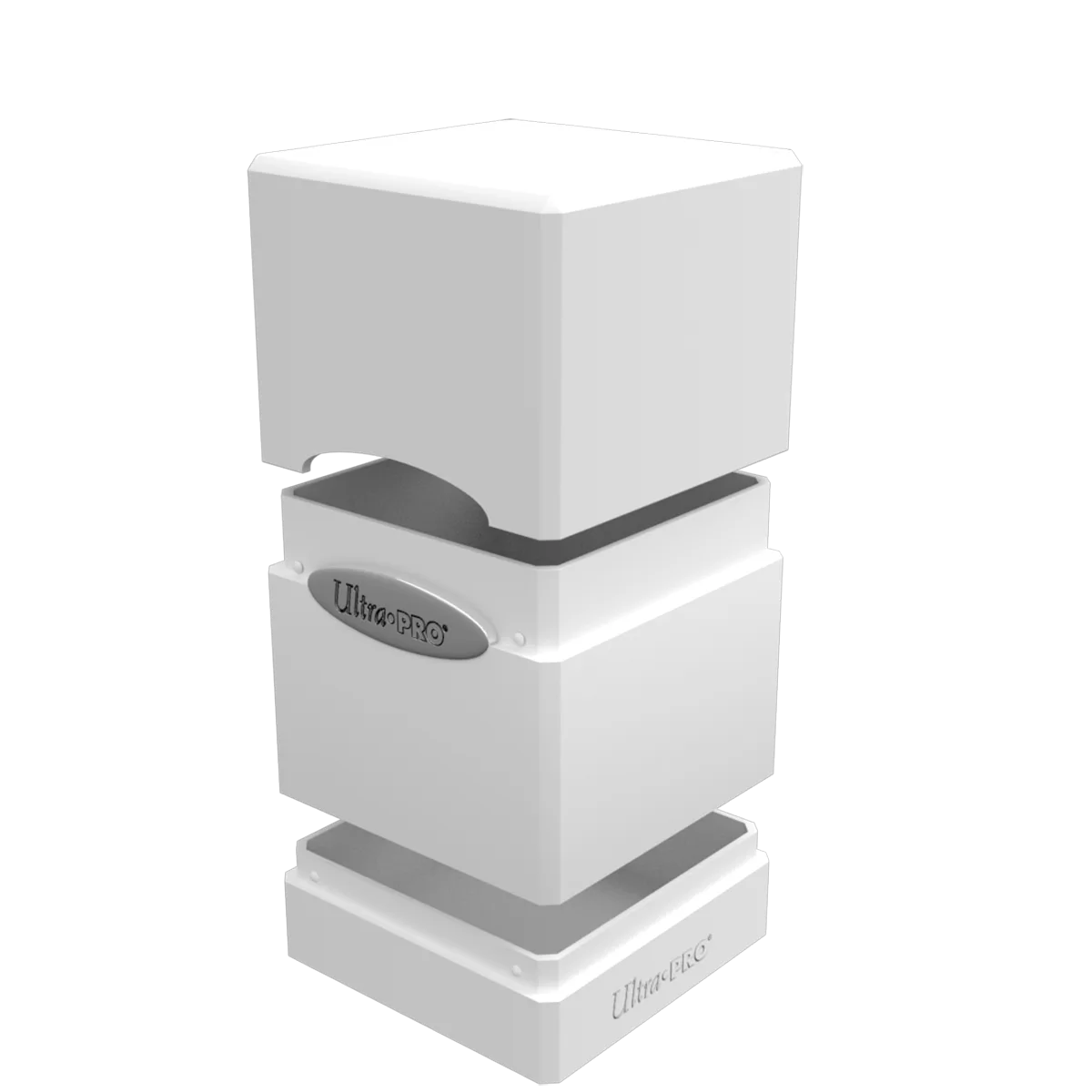
- Classic SATIN® Tower DECK BOX®: The durable, injection molded plastic shell is designed to store and protect 100+ standard size trading cards in Ultra PRO Deck Protector® sleeves and includes a spacious bottom compartment for dice, coins, or life counters. A rigid shell and a separate compartment keep a Commander deck and its counters together without pressing on the cards.
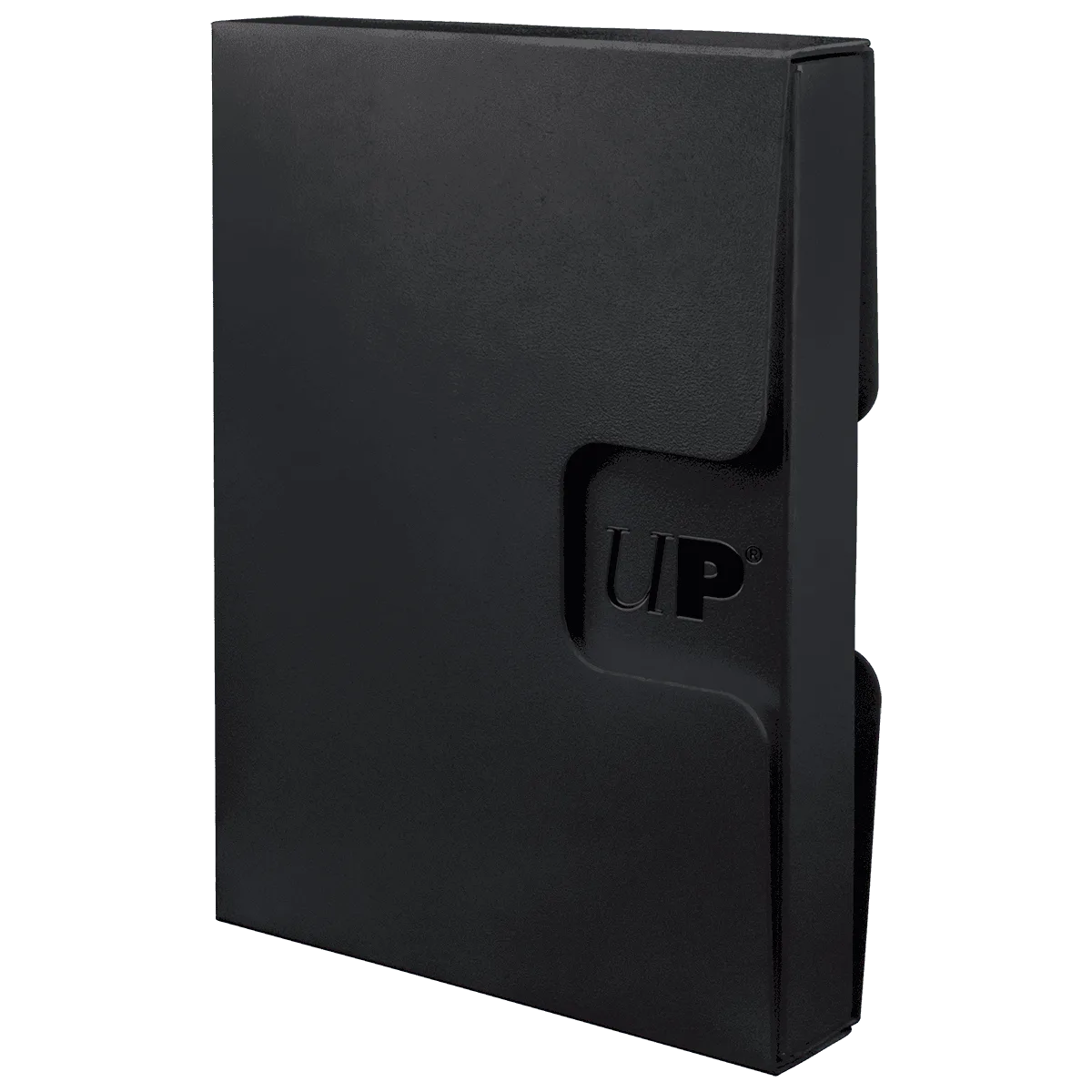
- PRO 15+ Pack Boxes (3ct): Made with acid-free, non-PVC materials, these boxes are designed to hold trading cards, standard size (2.5 in. x 3.5 in.) or smaller, in Deck Protector® sleeves, and they are a compact, economical way to organize and store 15-card cube draft packs double-sleeved. Useful for sorting cube packs or small deck sections before they go into a larger deck box.
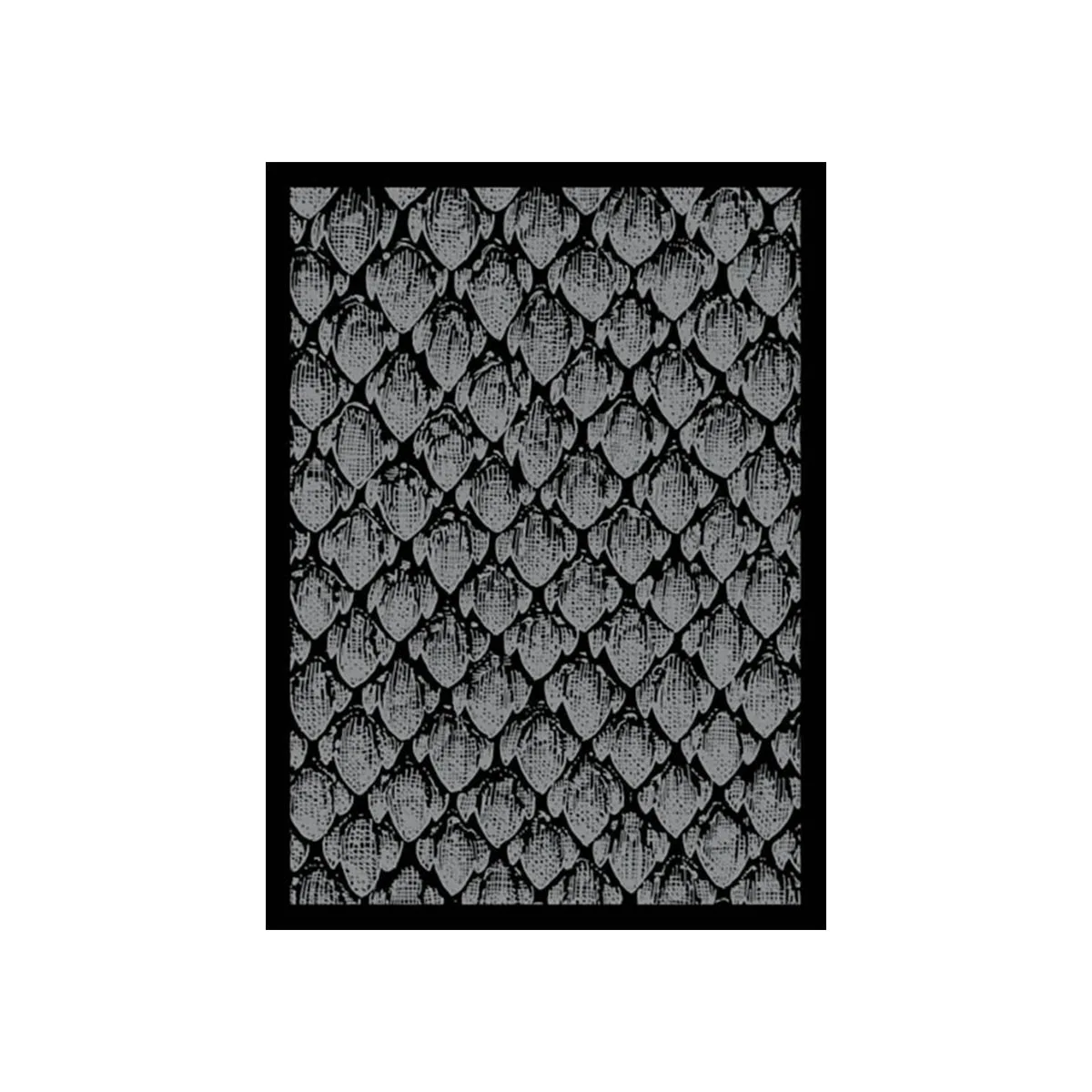
- Dragonhide Sleeve - Silver: 50 count pack of plastic sleeves with a matte finish on front and back. A matte finish reduces glare and keeps cards from sliding against each other inside a snug deck box.
- 3 Wolf Moon Matte Sleeves: 67mm x 92mm, 50 count pack of plastic sleeves with a matte finish back and a textured clear front, made in Taiwan PVC and Acid Free. Acid-free sleeves are a safer long-term choice for cards that will sit in storage for months.
Good MTG deck box storage is mostly about consistency: sleeve first, box snugly, store upright, and check the shelf a few times a year. That routine protects the cards and makes game night faster.