Quick answer
Store protein bars in a cool, dry, dark place—ideally 65–70°F (18–21°C)—in their original sealed wrapper. Keep them away from direct sun, heat, and humidity. For longer storage, freeze them in an airtight container and thaw at room temperature. Always check the best-by date and wrapper condition before eating.
Why temperature and moisture decide protein bar shelf life
Protein bars are sensitive to heat and moisture. Warmth softens coatings and can make bars greasy or melted; humidity can turn them sticky or cause texture changes. A steady, cool spot protects both flavor and structure. The pantry is usually fine, but avoid the area above the stove, a sunny windowsill, or a damp basement shelf.
How to read the date and wrapper for freshness clues
The best-by date is a quality guide, not a hard safety deadline. A bar past its date may still be safe but can taste stale or dry. The wrapper matters too: a puffed, leaking, or torn package lets air in and shortens shelf life. If the wrapper is damaged, treat the bar as compromised and discard it.
When refrigeration or freezing helps—and when it hurts
Refrigeration can extend shelf life in hot, humid climates, but it can also make some bars hard or cause condensation when brought back to room temperature. Freezing is better for long-term storage: wrap bars tightly and place them in a freezer-safe bag or container. Thaw in the wrapper at room temperature to avoid soggy texture.
Step-by-step protein bar storage routine
- 1. Keep bars in their original wrapper: The wrapper is designed to block air and moisture. Leave each bar sealed until you eat it. If you buy in bulk, keep the outer box or bag closed between uses. Checkpoint: never store unwrapped bars loose in a drawer or bowl—they will stale faster.
- 2. Pick a cool, dark, dry spot: A pantry shelf away from the stove, sink, and direct sun works well. Aim for a steady 65–70°F (18–21°C) and low humidity. Avoid garages, cars, and attics where temperatures swing. Checkpoint: if the spot feels warm to the touch or damp, choose another location.
- 3. Use an airtight container for extra protection: If you remove bars from their box, place them in a sealed container. This adds a barrier against humidity and pests. Keep the container closed and don’t mix strongly scented items nearby. Checkpoint: a container that isn’t airtight won’t help—press the lid down and listen for a seal.
- 4. Freeze for long-term storage: For storage beyond a few weeks, wrap bars individually and place them in a freezer-safe bag or container. Label with the date. Thaw in the wrapper at room temperature before eating. Checkpoint: freezing works best for bars you won’t eat within a month; thaw fully to avoid a hard center.
- 5. Rotate your stock and check dates: Use older bars first. Write the purchase date on the box if it helps. Before eating, inspect the wrapper for tears or puffiness and check the best-by date. Checkpoint: if a bar looks or smells off, or the wrapper is damaged, throw it out.
Product storage notes
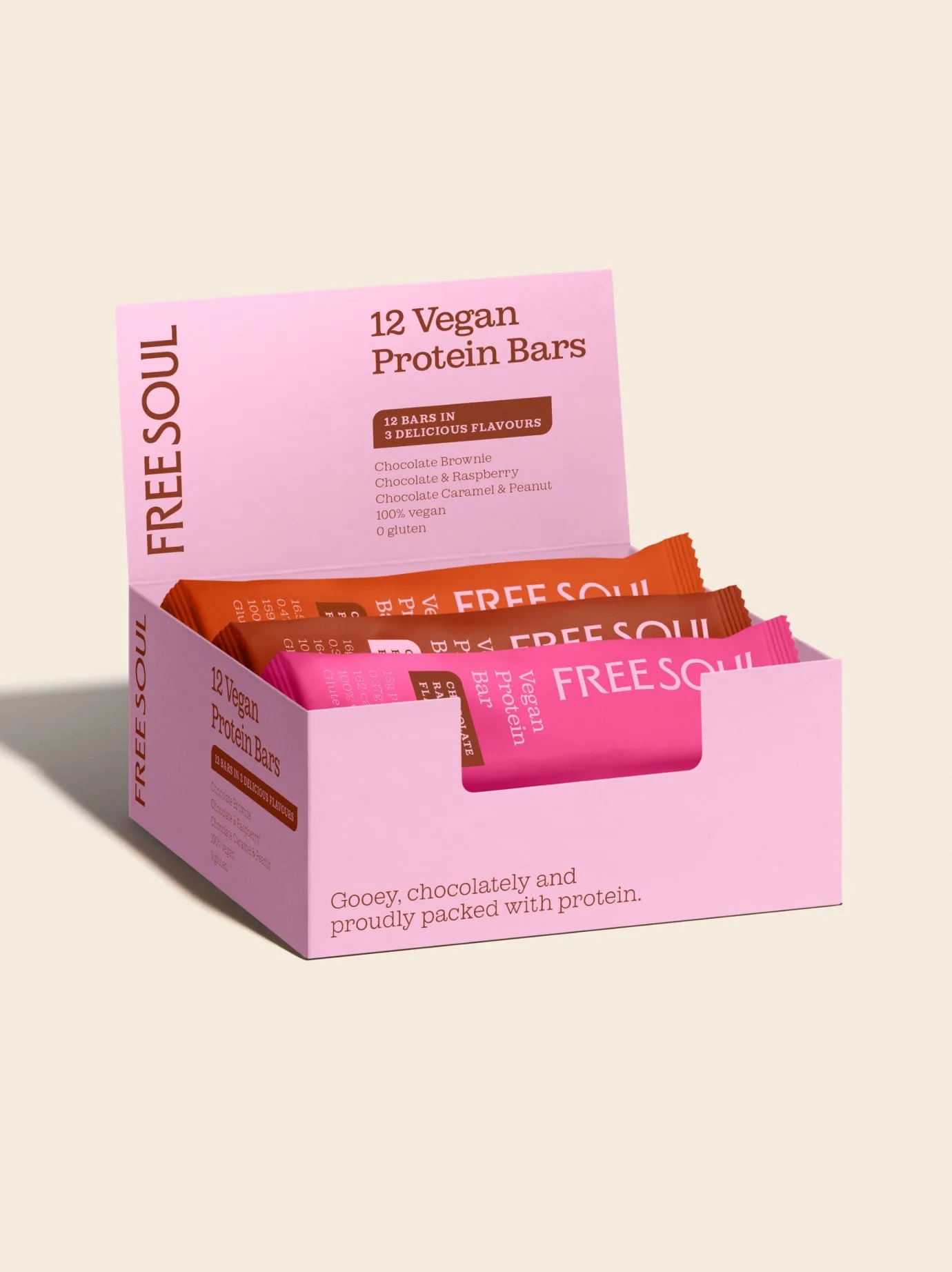
- Vegan Protein Bars: Vegan Protein Bars contain over 15g of a tri-protein blend, a source of Tapioca Fibre, and no added sugar, gluten, or artificial sweeteners. These bars are plant-based and fibre-rich, so keeping them sealed and cool helps maintain their intended chewy texture and prevents them from drying out or becoming sticky.