Quick answer
Store quilts and fabric clean, completely dry, and away from direct light in a cool, dark, and dry place. Use breathable cotton or muslin bags or pillowcases instead of sealed plastic, fold with acid-free tissue to prevent creases, and re-fold every few months. For long term quilt storage, add a desiccant pack and inspect for pests twice a year.
Choose the right spot and container
The best storage spot is a cool, dark, dry area with stable temperature and low humidity. Avoid basements, attics, garages, and damp closets. For containers, use breathable options: cotton pillowcases, muslin bags, or acid-free boxes with ventilation holes. If you must use plastic bins, leave the lid ajar or drill small holes for airflow. Never store quilts or fabric in sealed plastic bags, which trap moisture and can cause mildew or yellowing.
Clean before you store
Dirt, oils, and food particles attract pests and can set stains over time. Vacuum quilts gently with a brush attachment on low suction, or hand wash delicate quilts and air-dry completely. For fabric, prewash if you plan to store it long term, then dry thoroughly. Even a tiny amount of moisture can lead to mildew. Check zippers, buttons, and embellishments for rust or damage before storing.
Fold and pad to prevent creases
Fold quilts along different lines each time you re-fold, and pad folds with acid-free tissue or washed white cotton sheets. Avoid folding along the same crease repeatedly, which can cause permanent fiber damage. For large quilts, roll them around a acid-free tube instead of folding. Store quilts flat if possible, or stack them loosely with tissue between layers. For fabric, roll or fold with tissue and avoid compression.
Control moisture and pests
Use silica gel desiccant packs in storage containers to absorb excess moisture, and replace them as directed. Cedar blocks or lavender sachets can deter moths, but avoid direct contact with fabric. Check stored items every three to six months for signs of pests, moisture, or fading. If you spot pests, isolate the item, vacuum it, and freeze it for at least 72 hours if the fabric can tolerate freezing. For long term quilt storage, consider a climate-controlled unit if your home is humid.
Label and rotate
Label each bag or box with the contents and date. Rotate stored quilts and fabric every six months: air them out in a shaded, well-ventilated area for a few hours, then re-fold along different lines. This prevents permanent creases and lets you spot problems early. If you have a large fabric stash, organize by color or project to avoid digging and re-folding.
Step-by-step storage process
- Clean and dry: Vacuum or wash quilts and fabric, then ensure they are 100% dry before storing. Check seams and edges for hidden moisture. Checkpoint: If you feel any dampness, let it air-dry longer.
- Choose breathable containers: Use cotton pillowcases, muslin bags, or acid-free boxes with ventilation. Avoid sealed plastic bags. Mistake to avoid: Storing in airtight plastic, which traps moisture.
- Fold with padding: Fold quilts and fabric with acid-free tissue or washed white cotton sheets between layers. Change fold lines each time. Checkpoint: No fold should be pressed sharply.
- Add moisture and pest control: Place silica gel desiccant packs and cedar blocks or lavender sachets in the storage area, not directly on fabric. Mistake to avoid: Letting cedar oil touch the fabric.
- Store in a cool, dark place: Keep items away from light, heat, and humidity. Ideal conditions are stable temperature and low humidity. Checkpoint: Use a hygrometer to monitor humidity if possible.
- Inspect and rotate: Every 3–6 months, check for pests, moisture, or fading. Air out items in shade and re-fold along different lines. Next step: Set a calendar reminder for your next inspection.
Fabric facts that matter for storage
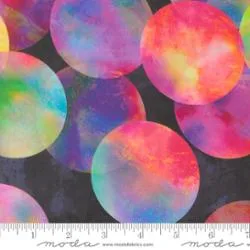
- Gradients Gallery 108" Wide White/Rainbow 3 Yards 108046 11: Gradients Gallery 108" Wide White/Rainbow is a 3-yard cut of 100% cotton, 108" wide, from Moda Fabrics. Its wide width means fewer seams and less bulk when folded, making it easier to store flat or roll without deep creases.
- Grunge Raspberry 30150-253: Grunge Raspberry 30150-253 by Basic Grey for Moda is 100% cotton, cut in 1-yard increments. Because it is cut in 1-yard pieces, you can store it in smaller, manageable folds that are less likely to crease than a large continuous piece.
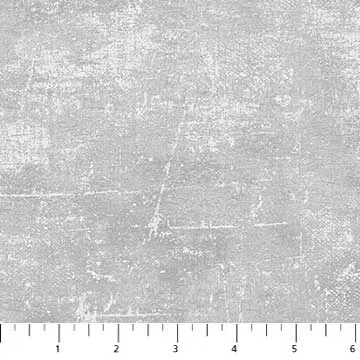
- Canvas Pebble - 3 YARD - 9030-93: Canvas Pebble - 3 YARD - 9030-93 by Deborah Edwards for Northcott is a continuous 3-yard cut of 100% cotton. A continuous 3-yard length can be rolled around a tube for storage, which avoids fold lines and keeps the fabric ready for large backing pieces.