Quick answer
Store scent samples upright in a cool, dark place away from heat, sunlight, and humidity. Keep vials tightly sealed and separate from strong odors. For everyday use, a dedicated drawer or box works well; for long-term storage, add a desiccant pack and keep the container closed.
Why storage conditions matter for scent samples
Heat, light, and air are the main enemies of fragrance samples. Heat accelerates evaporation and can alter delicate top notes. Sunlight breaks down aroma compounds, causing scents to fade or turn. Air exposure, even through a slightly loose cap, lets volatile molecules escape and can introduce moisture or dust. Proper storage slows these processes, so your samples smell as intended for months instead of weeks.
Choosing the right container
The best container is opaque, airtight, and just large enough to hold your samples without much empty space. A small tin, a dark glass jar, or a dedicated sample box all work. Avoid clear plastic bags that let light in and don't seal well. If you use a clear container, store it inside a drawer or cabinet. For extra protection, add a food-grade desiccant packet to absorb moisture.
Where to store your samples
A cool, dark spot with stable temperature is ideal. A bedroom drawer, a closet shelf away from exterior walls, or a dedicated storage box in a hallway works well. Avoid bathrooms, kitchens, and windowsills, where heat and humidity fluctuate. If you live in a very humid climate, keep samples in an air-conditioned room or add a desiccant.
Step-by-step storage routine
- Inspect and tighten every vial: Check that each cap is screwed on firmly. Wipe any residue from the threads with a clean tissue, as leftover oil can attract dust and weaken the seal. A loose cap is the most common cause of evaporation; tighten before storing.
- Group samples by scent family: Keep similar scents together (e.g., all citrus, all woods) to avoid cross-contamination if a vial leaks. Use small dividers or separate bags. Mixing strong and delicate scents can muddle the delicate ones over time.
- Place in an opaque, airtight container: Use a tin, dark glass jar, or storage box. Add a desiccant packet if you live in a humid area. Leave a little space for air circulation. Clear containers let light in; always choose opaque or store in darkness.
- Store in a cool, dark location: Choose a spot with stable temperature, ideally below 70°F (21°C). Avoid bathrooms, kitchens, and windowsills. A bedroom drawer or closet shelf works well. Heat and humidity are the fastest ways to ruin a sample.
- Rotate and use older samples first: Label each sample with the date you received it. Use the oldest ones first to enjoy them at their peak. Check monthly for any signs of evaporation or discoloration. Even with perfect storage, samples eventually fade; use them within 6–12 months for best results.
Products that benefit from proper sample storage
- Fern + Moss: This scent blends notes of sage and lavender with woodsy base notes of spruce and pine to capture the elusive aroma of the great outdoors. Storing this sample correctly preserves the fresh, green notes and prevents the woodsy base from overpowering.
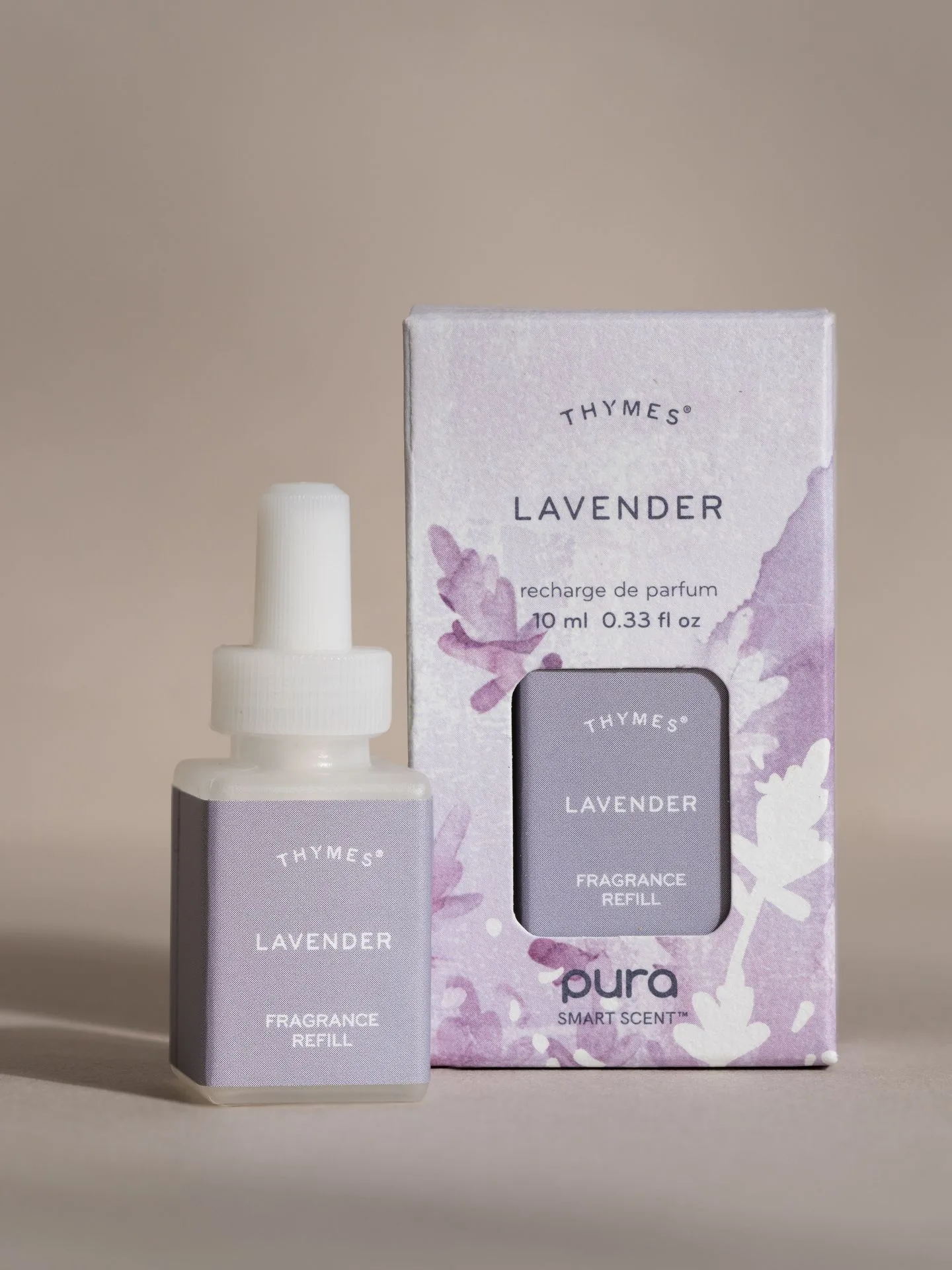
lavender
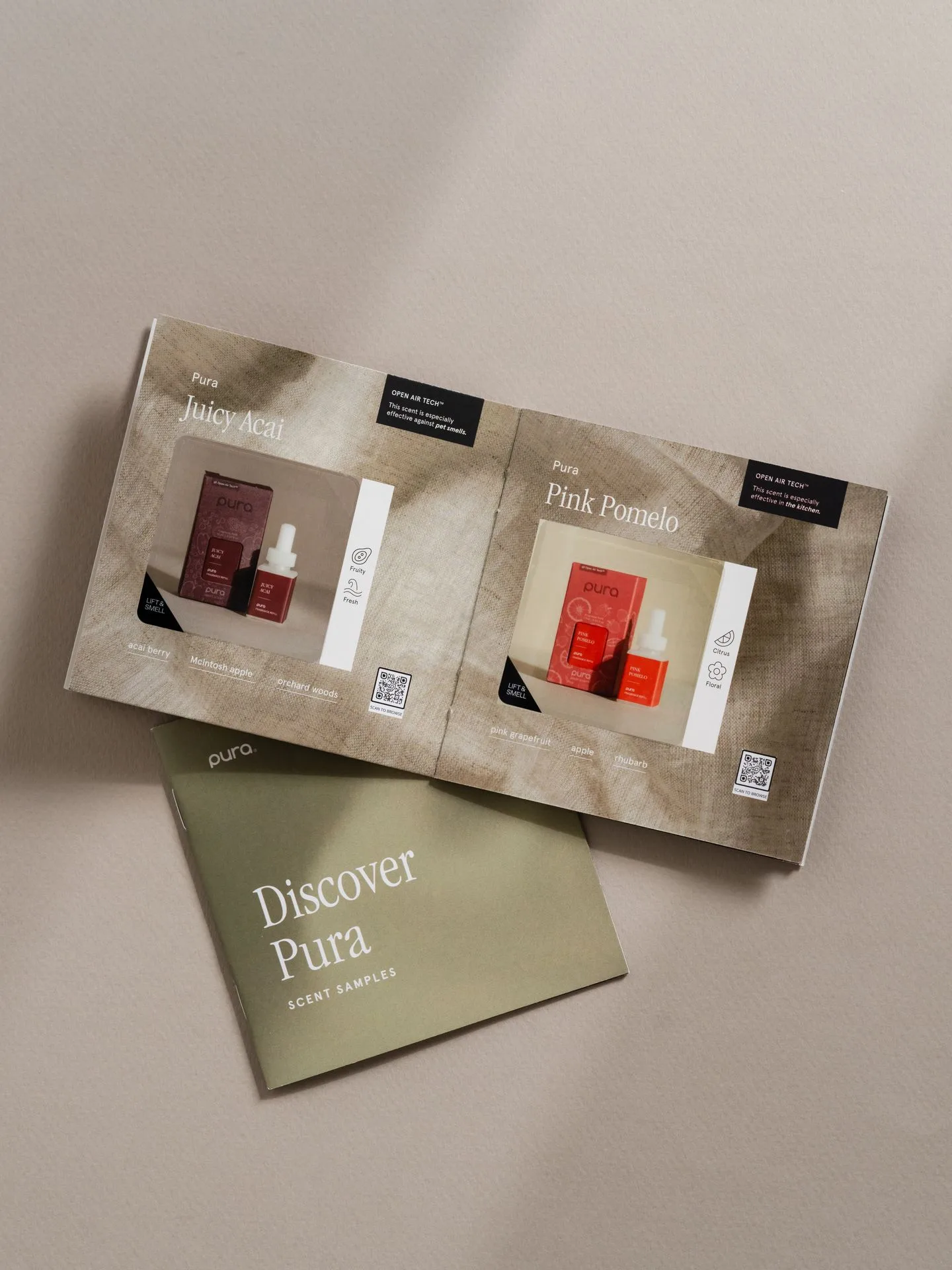
- Pink Pomelo: Most effective at removing kitchen odors, this Open Air scent blends juicy citrus with strawberry, crisp apple, tart rhubarb, and refreshing verbena for a fragrance that’s cheerful and sweet. Citrus and fruit notes are especially volatile; proper storage keeps them bright and prevents them from fading.
- Fresh Balsam & Cedarwood: Twinkling notes of snow-covered fir, white cranberry, and aromatic cedarwood swirl together to create a wintry wooded land of wonder. The wintry, woody blend can lose its sparkle if exposed to heat or light, so store it carefully to maintain its character.