Quick answer
Rinse swimwear in cool water after every wear, dry it flat in the shade, and store it folded in a breathable bag away from heat and sunlight. Never seal damp swimwear in plastic or leave it stretched on a hanger, because trapped moisture and tension are what break down elastane fastest.
Swimwear takes more abuse than almost anything else in your drawer. Chlorine, salt, sunscreen, and sun all work against the stretch fibers that give a swimsuit its shape, and how you store it between wears decides whether it bounces back or goes slack.
The good news is that storage is the easiest part of swimwear care to get right. A few consistent habits after each swim will extend swimsuit life far more than any specialty product, and they take less than five minutes.
Why storage matters more than you think
Elastane, the fiber that lets swimwear stretch and recover, is sensitive to heat, chlorine, oils, and prolonged tension. When a damp suit sits crumpled in a bag or hangs heavy on a strap, those fibers stay stretched and never fully snap back. Over a season, that shows up as sagging seats, loose straps, and faded panels.
Storage is also where small damage compounds. A rough hook, a zipper from another garment, or a hot car trunk can snag or bake the fabric. Treating storage as part of swimwear maintenance, not an afterthought, keeps each piece wearable for more summers.
- Heat and sunlight degrade stretch fibers even when the suit is dry
- Tension from hangers or tight packing causes permanent stretch
- Trapped moisture encourages odor, mildew, and color transfer
What you need before you store anything
You do not need special equipment, but a few inexpensive items make the process easier. A breathable cotton or mesh pouch keeps dust off without trapping humidity, and a low, dark drawer or shelf gives you the stable temperature that elastane prefers.
Skip vacuum bags and airtight bins for anything with stretch. They save space but seal in any residual dampness, which is the leading cause of mildew spots on swimwear. If you must stack suits, put the heaviest at the bottom and the most delicate on top.
- Breathable pouch or cotton dust bag
- Cool, dark drawer or shelf
- Optional: acid-free tissue for padding molded cups
How to store swimwear: step by step
The order matters. Rinsing and drying come first because no storage method can rescue a suit that was put away damp. Folding and placement come last, once the fabric is completely dry and relaxed.
Follow the six steps below after every swim, or at minimum at the end of each swim season. If you rotate between several suits, store each one separately so you can see condition at a glance and spot wear before it becomes a tear.
- Rinse in cool water within an hour of swimming
- Dry flat in shade, never on a radiator or in direct sun
- Fold rather than hang, and store in a breathable bag
Common storage mistakes to avoid
The most frequent mistake is putting a suit away while it still feels slightly damp. Even a little moisture in a closed drawer can turn musty within days. If you are unsure, give it another hour on the drying rack.
The second mistake is hanging swimwear by its straps. Wet or dry, the weight of the suit pulls the straps and the neckline out of shape. The third is storing swimwear with rough items like denim or hooks, which snag delicate knits and lace trims.
- Never store damp, even slightly
- Never hang by straps for long periods
- Keep away from rough hardware, Velcro, and zippers
Six steps to store swimwear properly
- Rinse immediately after wearing: Soak or rinse the suit in cool water for a minute to remove chlorine, salt, and sunscreen before they set into the fibers. Mistake to avoid: tossing the suit straight into a bag until laundry day.
- Wash gently with a mild detergent: Use a drop of gentle soap or swimwear-specific wash, squeeze suds through by hand, and skip the washing machine entirely. Checkpoint: the water should run clear before you stop rinsing.
- Dry flat in the shade: Lay the suit flat on a towel or drying rack, reshaping cups and straps by hand, and keep it out of direct sun and away from radiators. Mistake to avoid: wringing or twisting, which stretches the knit permanently.
- Confirm it is completely dry: Feel the seams, the lining, and the strap bases. If any part feels cool or damp, leave it another hour before storing. Checkpoint: no dampness at the thickest seams.
- Fold instead of hanging: Fold the suit in half or thirds, tuck straps inside to prevent snags, and pad molded cups with acid-free tissue if you have it. Mistake to avoid: hanging by straps, which pulls the neckline out of shape.
- Store in a breathable bag in a cool, dark spot: Place each suit in a cotton or mesh pouch and keep it in a drawer or shelf away from sunlight, heat, and rough hardware. Next step: rotate suits seasonally so nothing sits compressed for months.
Lace Laboratory pieces worth storing with care
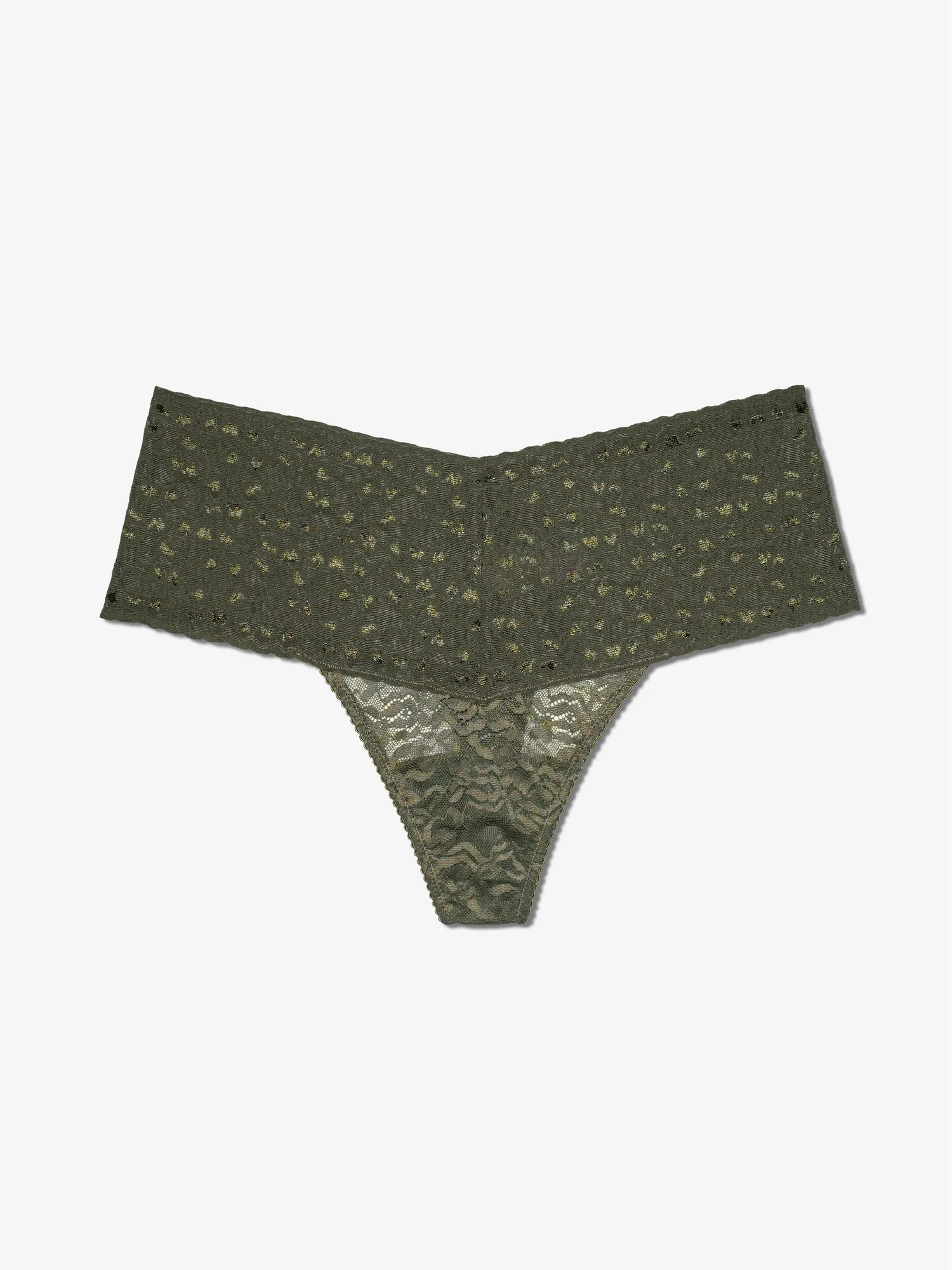
- High Waist Thong - Forest Muse: Crafted with buttery soft lace that stretches up to 150% for barely-there comfort and support. High-stretch lace recovers best when it is folded flat and kept away from heat, so this piece benefits from the same cool, dark storage as your swimwear.
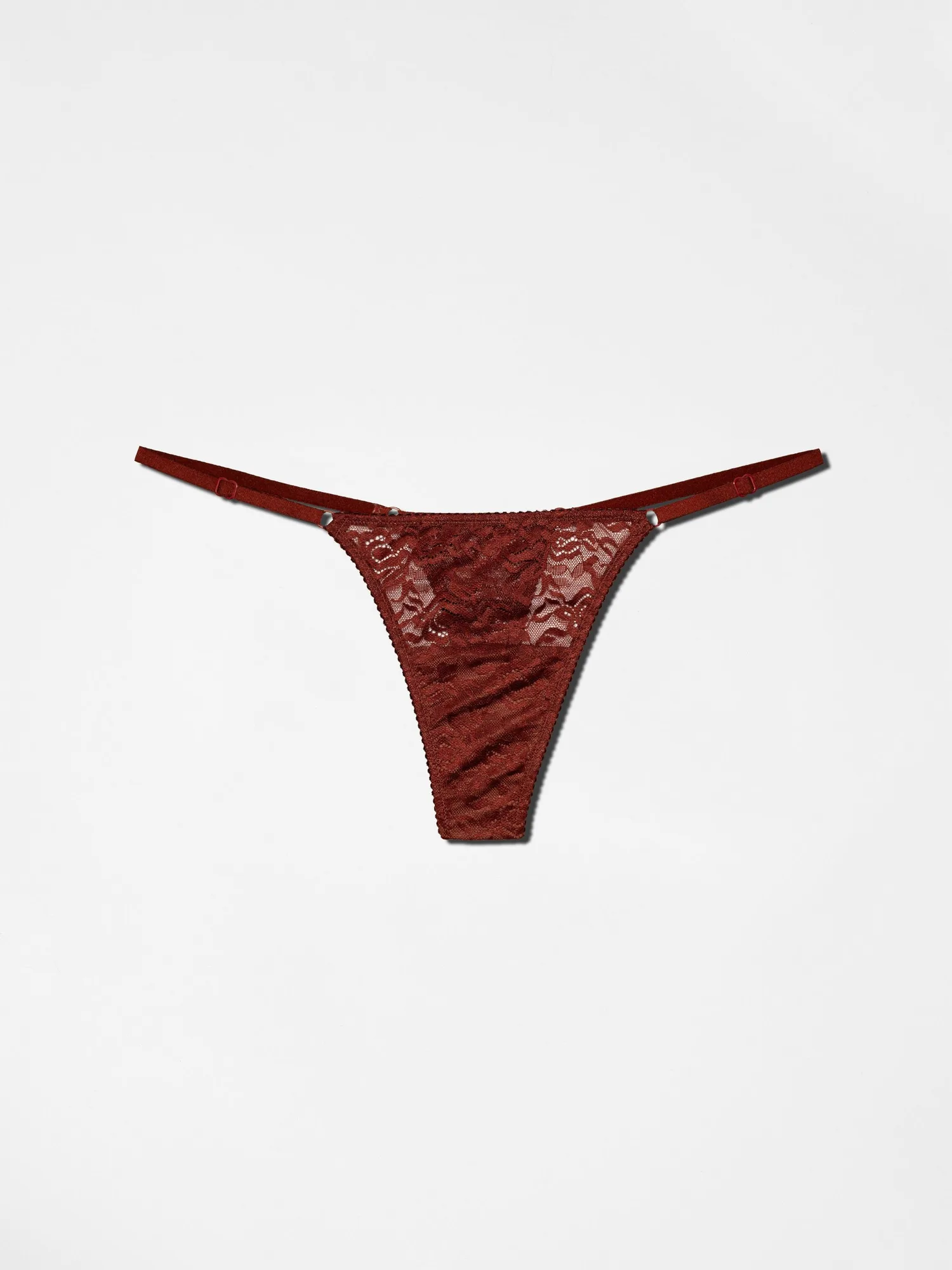
- G String - Burnt Copper: Made of 40% recycled material with adjustable straps at the hips for a personalized fit. Recycled stretch blends still need breathable storage; sealing them in plastic traps moisture that weakens the fibers over time.
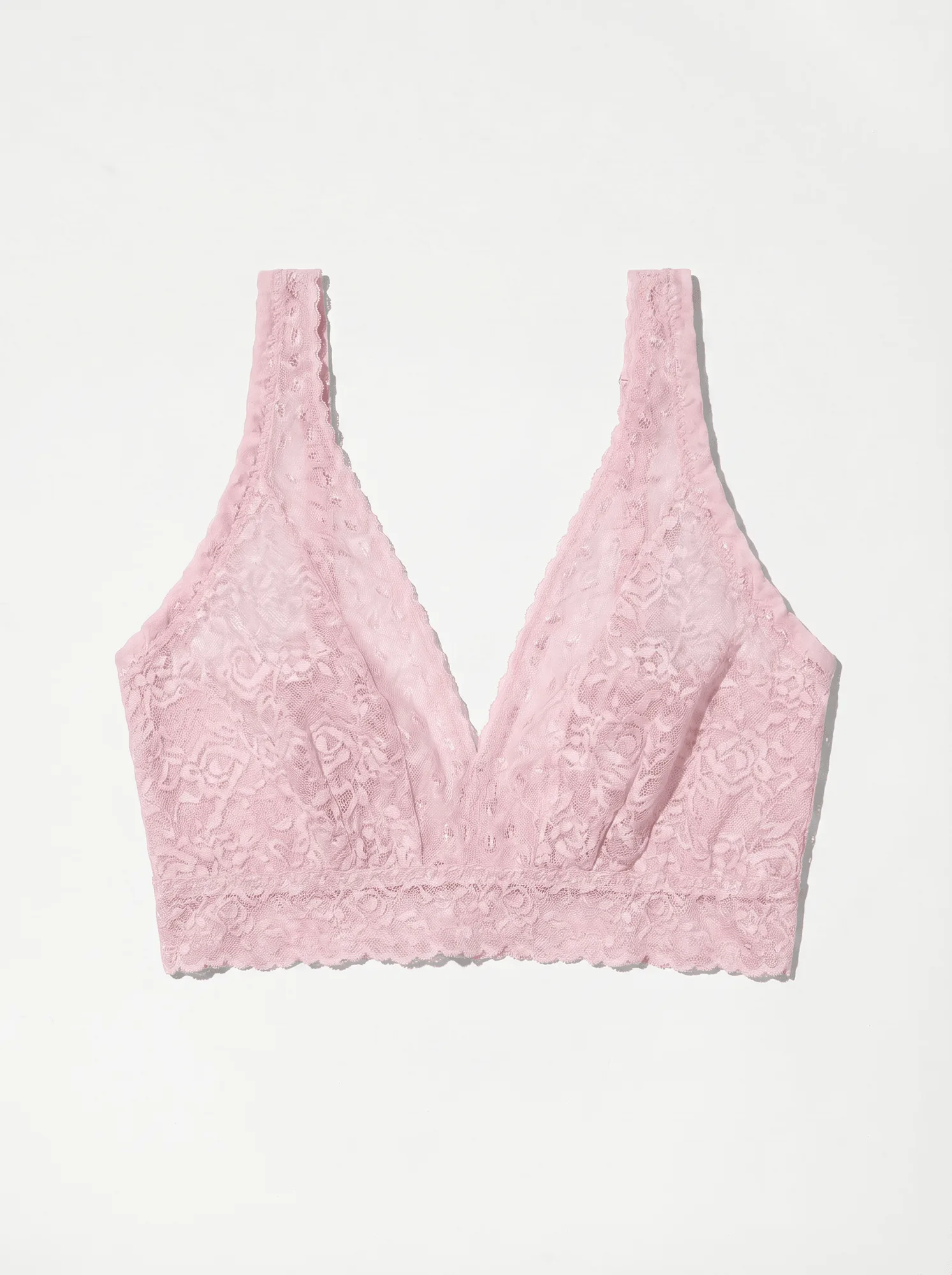
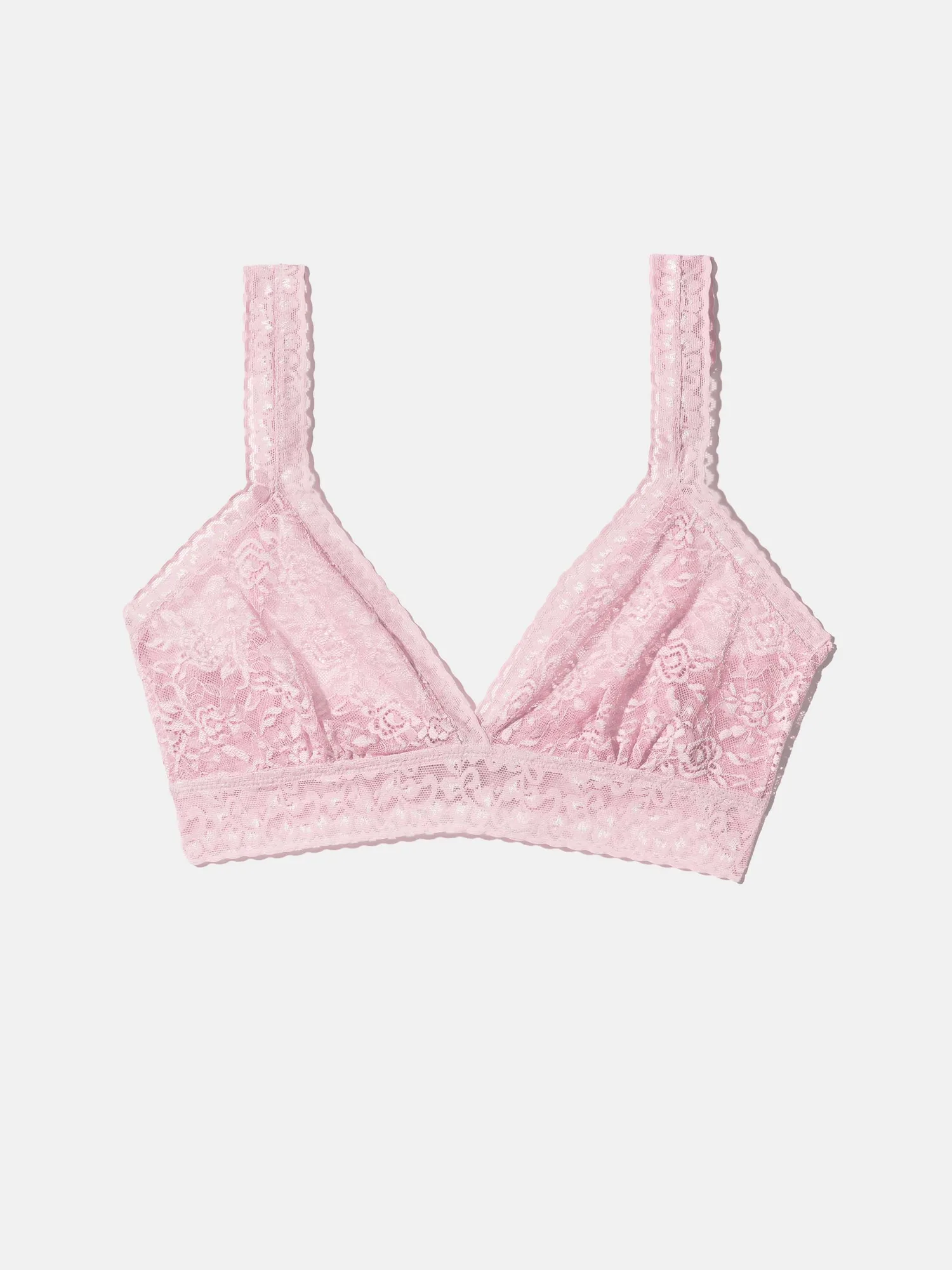
- Curvy Lace Bralette - Candy Pink: Features power mesh lining and wide, adjustable straps for extra bust support. Structured pieces with mesh lining hold their shape better when stored flat rather than hung, especially in a drawer with other delicates.
Storing swimwear well is less about products and more about consistency: rinse, dry flat, fold, and keep it cool and breathable. Do that after every swim and your suits will hold their stretch and color for many seasons instead of one.