Your Baking Steel is an investment in your home pizza-making game. It delivers that coveted crispy crust and perfect char that rivals professional ovens. But to keep it performing at its best, you need to take proper care of it, especially when it comes to storage. Improper storage can lead to rust, warping, or other damage that can ruin your steel and your pizza. In this guide, we'll walk you through the best practices for storing your Baking Steel to prevent rust and damage, so you can enjoy delicious pizza for years to come.

Baking Steel
Whether you own the original Baking Steel or a smaller version like the Baking Steel Mini, the principles of storage are the same. We'll cover everything from cleaning and drying to choosing the right storage location and protecting your steel during long-term storage. By the end, you'll know exactly how to keep your steel in top condition.
Why Proper Storage Matters
Baking Steel is made from high-carbon steel, which is excellent for heat retention and conductivity. However, this type of steel is prone to rust if not cared for properly. Rust can develop when the steel is exposed to moisture for extended periods, especially if it's not seasoned or protected. Once rust forms, it can be difficult to remove and may affect the performance of your steel, leading to sticking and uneven cooking.
Proper storage is also crucial to prevent physical damage. Steel can warp if exposed to extreme temperature changes or if it's stored in an area where it might get knocked around. By following the storage tips in this guide, you'll protect your investment and ensure your Baking Steel remains in peak condition for many pizza nights to come.
- Prevents rust formation
- Maintains seasoning and non-stick properties
- Avoids warping and physical damage
- Ensures consistent cooking performance
Step 1: Clean and Dry Thoroughly
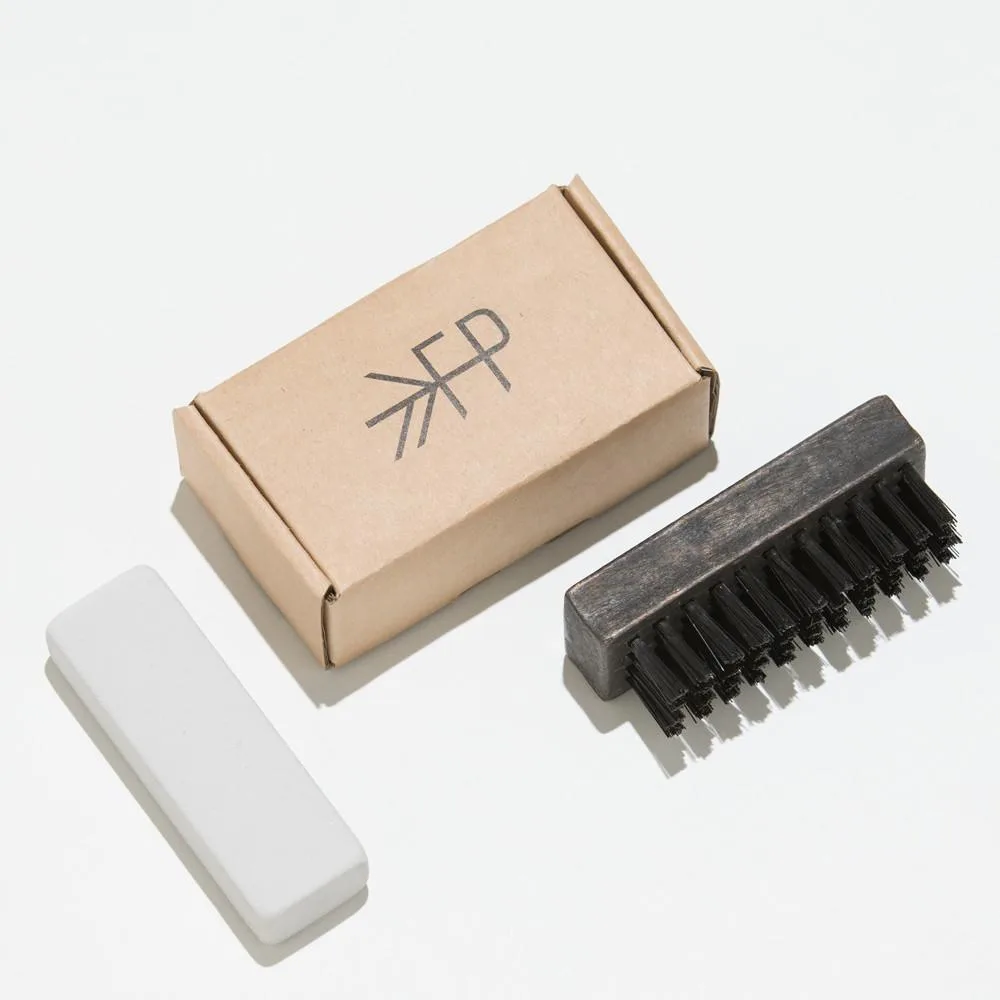
Before storing your Baking Steel, it's essential to clean it properly. After each use, allow the steel to cool completely, then wash it with warm water and a mild dish soap. Avoid using harsh detergents or abrasive scrubbers that can strip the seasoning. For stubborn food residue, you can use a Baking Steel Cleaning Brick made of pumice stone, which is gentle yet effective.
After washing, dry the steel immediately with a towel to remove all moisture. It's critical to ensure the steel is completely dry before storing, as any residual moisture can lead to rust. You can also place the steel in a warm oven for a few minutes to evaporate any remaining moisture, but make sure it's fully cooled before storing.
Step 2: Apply a Light Coat of Oil
To provide an extra layer of protection against rust, apply a very thin coat of food-safe oil, such as vegetable or flaxseed oil, to the entire surface of the steel. Use a paper towel to rub the oil in, then wipe off any excess. This creates a protective barrier that repels moisture and helps maintain the seasoning.
If you plan to store your steel for an extended period, consider applying a slightly thicker coat of oil. This is especially important if you live in a humid climate. The oil will prevent moisture from coming into contact with the steel, keeping rust at bay.
Step 3: Choose the Right Storage Location
Where you store your Baking Steel matters. Ideally, you want to keep it in a dry, climate-controlled area, such as inside your home or in a pantry. Avoid storing it in a garage, basement, or outdoor shed where humidity levels can fluctuate and moisture can accumulate.
If you must store it in a less-than-ideal location, consider using a sealed container or a plastic bag to protect it from moisture. You can also place silica gel packets or a dehumidifier in the storage area to reduce humidity. Remember, the key is to keep the steel dry and away from direct contact with water.
Step 4: Protect the Surface
To prevent scratches and other damage, it's a good idea to place a soft cloth or a piece of cardboard between the steel and any other surfaces it might come into contact with. If you have multiple steels, stack them with a protective layer in between to avoid scratching.
You might also consider storing your steel in its original packaging or a dedicated carrying case if you have one. This provides an extra layer of protection against bumps and drops.
Step 5: Regular Maintenance Checks
Even with proper storage, it's wise to check your Baking Steel periodically for any signs of rust or damage. If you notice any rust spots, you can remove them with a fine-grit sandpaper or a steel brush, then re-season the steel. Regular maintenance will help you catch any issues early and extend the life of your steel.
If you use your steel frequently, you might also want to invest in a pizza peel and a dough container to streamline your pizza-making process. The Baking Steel Dough Container is perfect for cold-proofing your dough, ensuring you always have fresh dough ready for your next pizza night.
Proper storage is essential to keep your Baking Steel in top condition and prevent rust and damage. By following these steps—cleaning, drying, oiling, and storing in a dry place—you'll ensure your steel lasts a lifetime. Remember, a little care goes a long way. So, take the time to store your Baking Steel correctly, and it will reward you with perfect pizzas every time. For more tips on getting the most out of your steel, check out the Baking Steel Original and other products at our store.