Quick answer
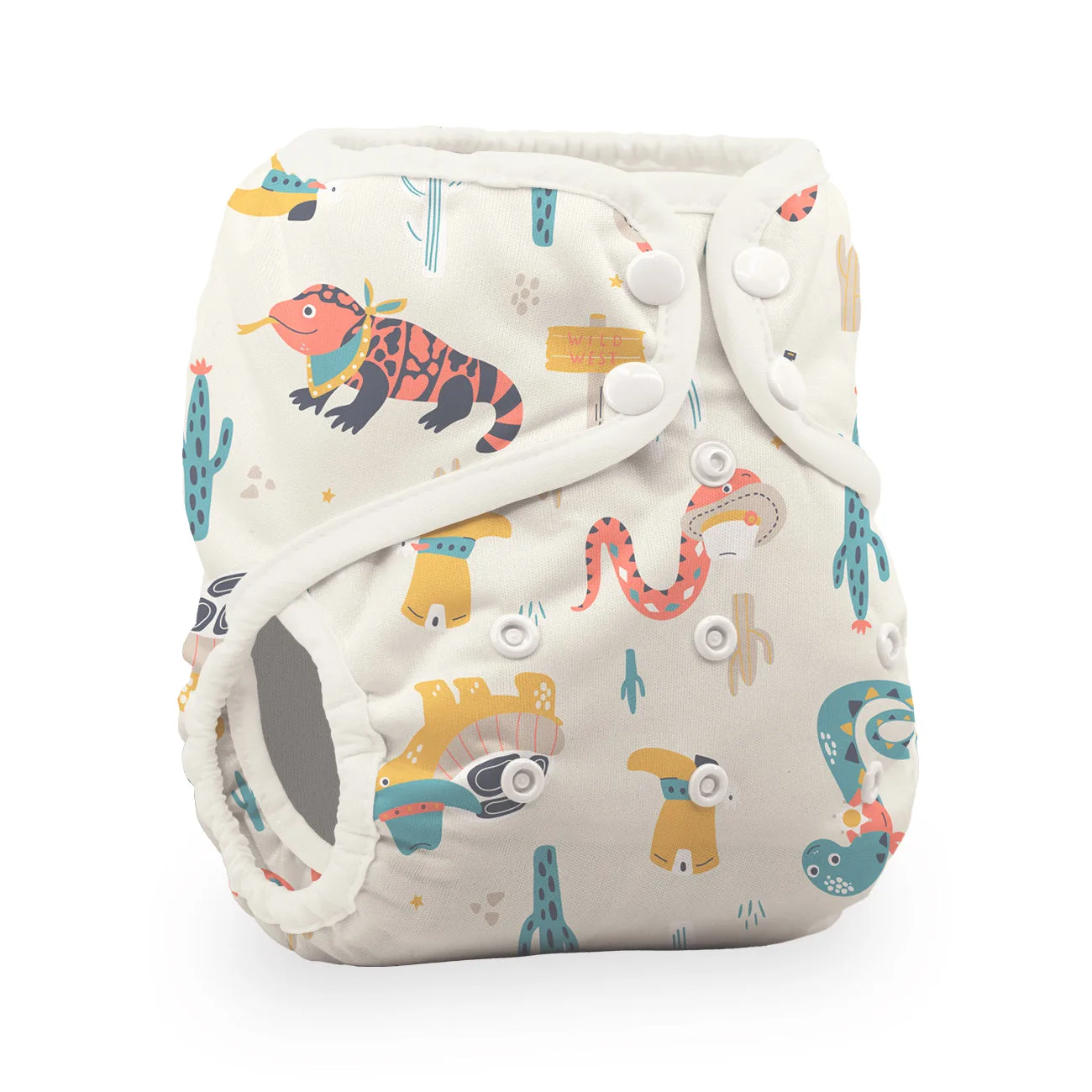
Stuff a pocket diaper by pushing the insert all the way to the front of the pocket, smoothing out folds, and fastening the rise snaps so the diaper sits below the umbilical stump. For newborns, start with the insert that came with the diaper and add absorbency only if you see leaks. Check the leg gussets and waist every time; a one size pocket diaper works for newborns only when the rise is adjusted and the insert is positioned correctly.
Why a one size pocket diaper can work for a newborn
A one size pocket diaper is designed to grow with your baby through rise adjustments, but newborns need a smaller setting than older babies. The key is to snap the rise down to its shortest setting and then check that the leg gussets sit snug against the skin without gaps. Thirsties signature leg gussets are built to contain messes, but they only work when the diaper is sized correctly and the insert is not overstuffed.
If your baby is still under about eight pounds or has very thin legs, the diaper may look bulky even on the smallest rise. That is normal. You can still use it during the day and switch to a newborn-specific option at night if absorbency or fit becomes tricky. The goal is a trim, leak-free fit, not a perfect match to a disposable.
Choose the right insert for newborn absorbency
Most one size pocket diapers come with a two-part insert, which usually means a microfiber layer plus a hemp or natural fiber layer. For newborns, start with the full insert if it came with the diaper, but fold or snap down any extra length so it does not bunch at the front. If you are using a natural fiber insert, expect it to be trimmer but slower to absorb; that is fine for frequent newborn changes.
Hemp inserts are a popular choice for adding absorbency without bulk because they hold a lot for their thickness. However, hemp absorbs slowly, so it works best as a booster under a faster-absorbing layer. If you notice leaks before the diaper is fully wet, the issue is usually fit or insert placement, not a lack of absorbency.
How to adjust the rise for a newborn
The rise snaps are the rows of snaps on the front of the diaper. For a newborn, snap the rise to the shortest setting, which usually means folding the front panel down and snapping the top row to the middle row. This shortens the diaper so the leg openings are small enough to hug tiny thighs. If the rise is too long, the gussets will gap and leaks will happen at the legs.
After snapping the rise, put the diaper on and check that the waist sits below the umbilical stump. If the diaper covers the stump, fold the front down or choose a lower rise setting. A common mistake is leaving the rise on the middle setting because it looks less bulky; that usually causes leg gaps. Always test the fit by running a finger along the leg gussets to feel for gaps.
Stuffing the pocket: insert placement that prevents leaks
To stuff the pocket, reach into the opening at the back of the diaper and push the insert all the way to the front. The insert should lie flat, with no folds or twists, because folds create channels where liquid can escape. If the insert is longer than the pocket, fold the extra length at the back, not the front, so the front stays smooth against the belly.
For newborns, position the insert so it covers the front half of the diaper where most wetness happens. If you are using a two-part insert, place the absorbent layer closest to the baby's skin and the stay-dry layer on top. A common mistake is stuffing the insert only halfway, which leaves the front unprotected and causes leaks at the waist.
Fine-tuning absorbency as your baby grows
As your newborn starts sleeping longer stretches, you may need more absorbency. Add a booster or a second insert to the pocket, but keep the total bulk manageable. If the diaper becomes too bulky, the fit will suffer and leaks will return. A good rule is to add absorbency only where you see leaks: front leaks mean you need more absorbency at the front, while back leaks usually mean the insert shifted or the rise is too loose.
Hemp inserts are excellent for overnight because they hold a lot, but pair them with a microfiber or cotton layer on top to absorb quickly. If you are using a natural fiber insert, it will get more absorbent after several washes. Wash new inserts according to the manufacturer's instructions before first use to remove natural oils that repel liquid.
Step-by-step: stuffing and using a one size pocket diaper for a newborn
- Adjust the rise to the shortest setting: Snap the front panel down so the diaper is as short as possible. This brings the leg gussets closer together for tiny thighs. Checkpoint: the waist should sit below the umbilical stump; if not, fold the front down.
- Stuff the insert all the way to the front: Push the insert into the pocket until it reaches the front seam. Smooth out any folds so the insert lies flat. Mistake to avoid: leaving the insert bunched at the back, which leaves the front unprotected.
- Position the insert for newborn wetness: For a two-part insert, place the absorbent layer closest to the baby and the stay-dry layer on top. Fold any extra length at the back. Checkpoint: the front half of the diaper should feel evenly padded, with no gaps.
- Put the diaper on and check the leg gussets: Fasten the diaper snugly, then run a finger along each leg gusset to feel for gaps. The gussets should sit against the skin without leaving red marks. Mistake to avoid: fastening too loosely because you are worried about tightness; loose gussets leak.
- Test absorbency and add only if needed: Use the diaper for a few changes. If you see leaks before the diaper is soaked, adjust the fit first. If it is soaked through, add a booster or a second insert. Next step: if leaks continue, try a hemp booster for overnight or switch to a newborn-specific diaper for the first few weeks.
Products that fit this routine
- One Size Pocket Diaper: One Size Pocket Diaper includes a two-part insert and has an adjustable rise and signature leg gussets. The two-part insert gives you a starting point for newborns, and the rise snaps let you shorten the diaper for a snug fit.
- Natural One Size Pocket Diaper: Natural One Size Pocket Diaper comes with a thirsty natural fiber insert and allows you to add more absorbency to the pocket. Natural fibers are a good choice if you want to add absorbency gradually, and the pocket opening lets you customize without buying a new diaper.
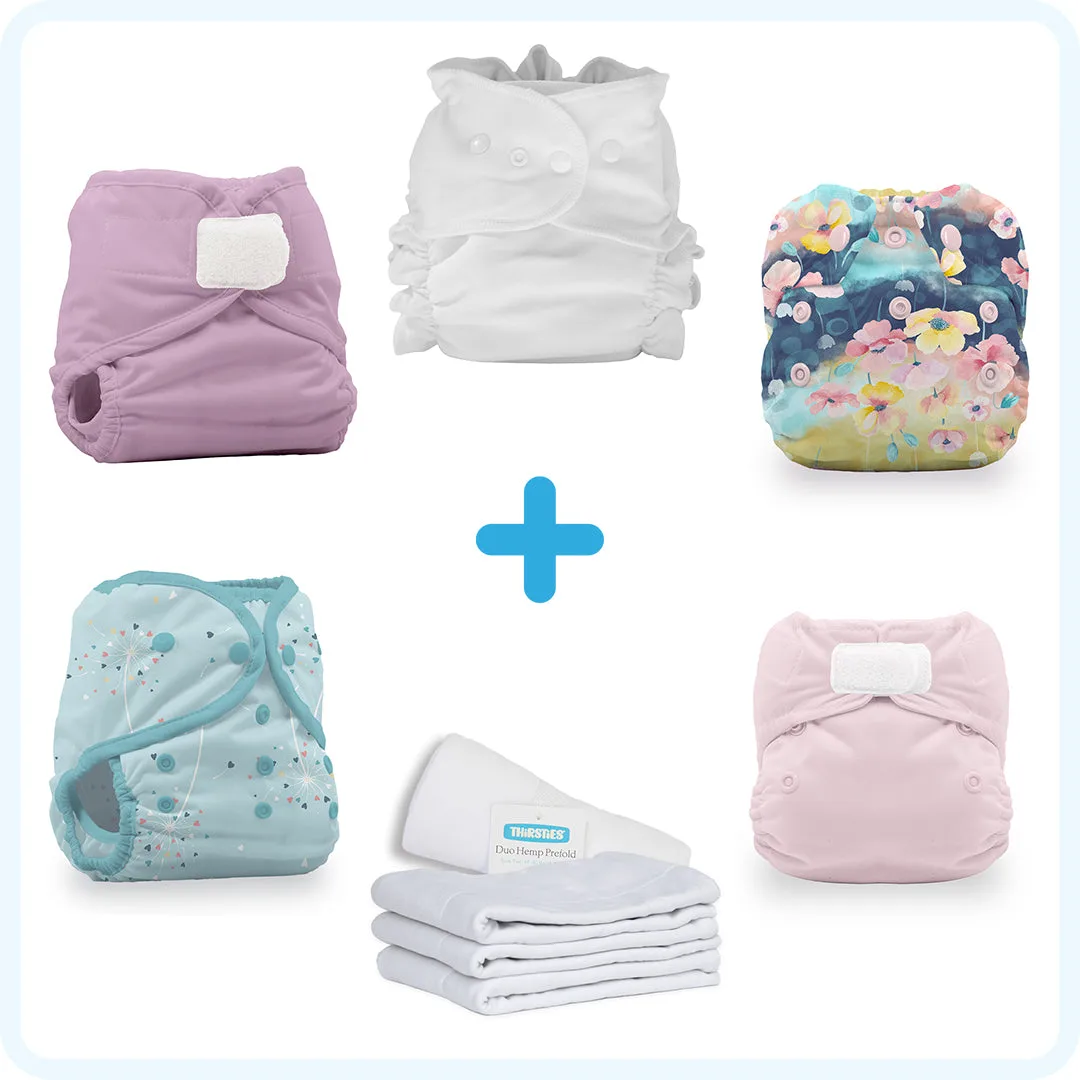
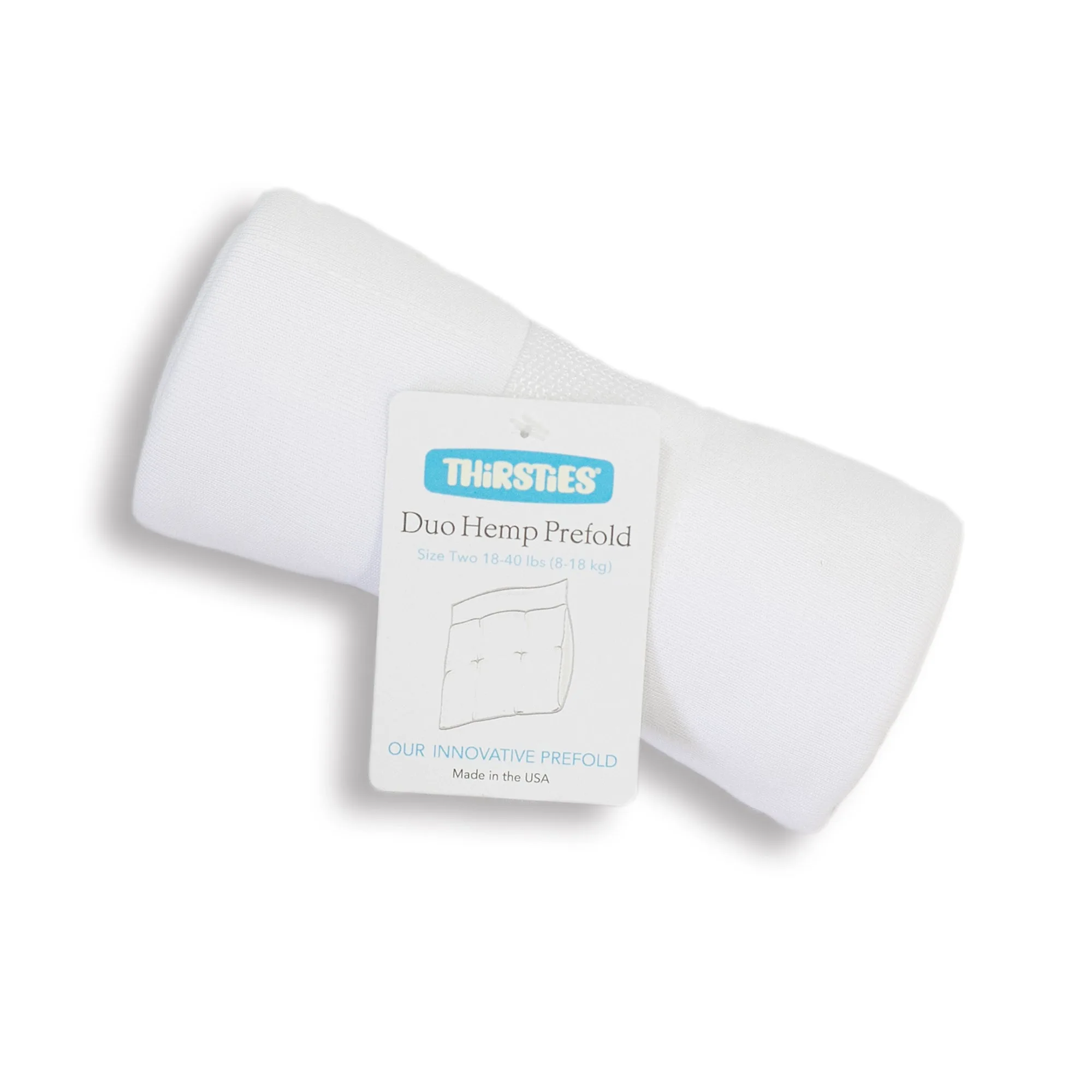
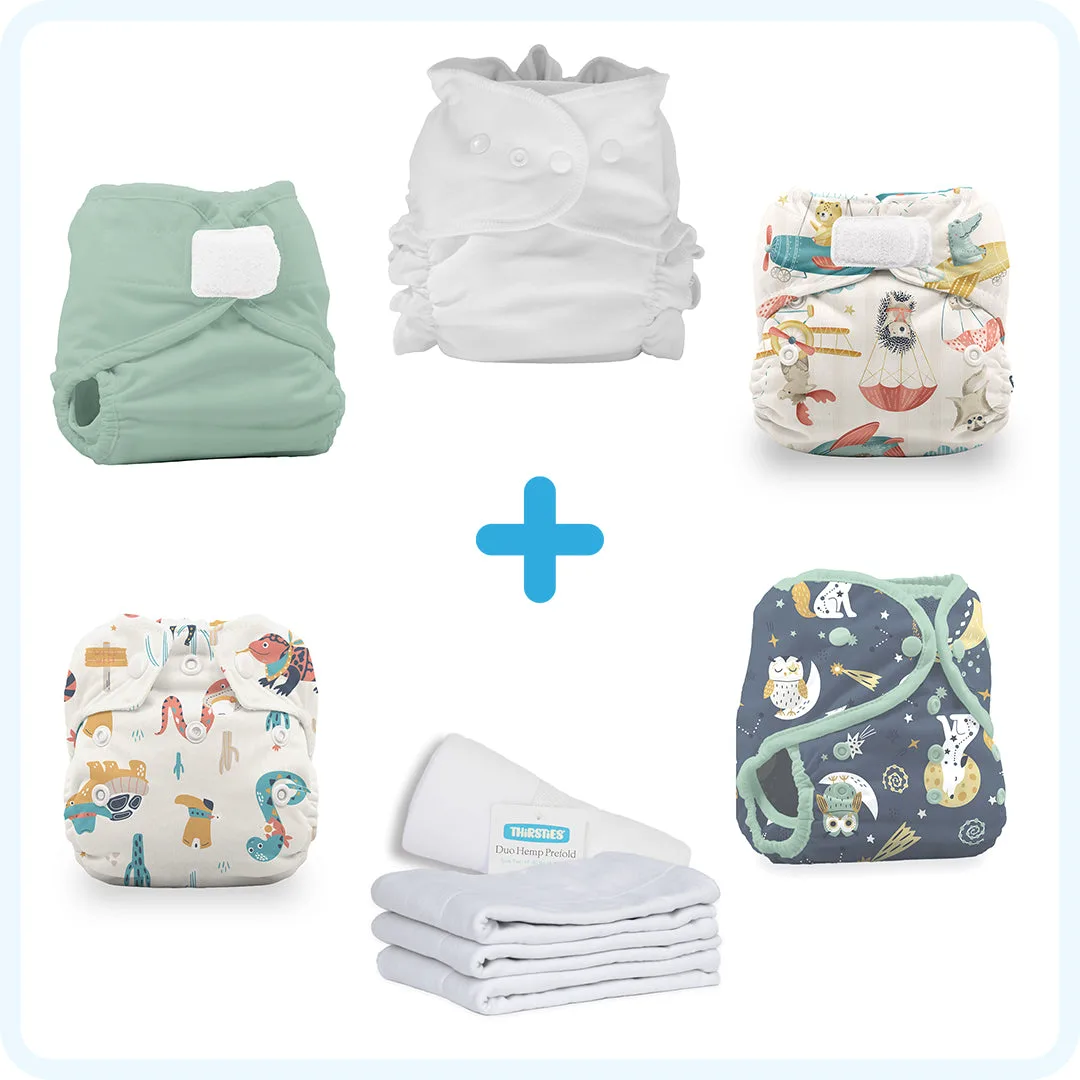
- Newborn Sampler Pack: Newborn Sampler Pack includes a Duo Hemp Prefold - Size One and a Duo Wrap Snap - Size One, among other items. If you are still deciding between pocket diapers and other styles, this pack lets you test a hemp prefold and a wrap without committing to a full stash.