Quick answer
Treat the shrug as a frame, not a cover-up. Choose a cropped or hip-length style that ends at or above your natural waist, keep the layer lighter or heavier than the dress by only one step, and let one detail — a neckline, a sleeve, or a color — do the talking. If you are layering over a tank, anchor the shrug with a fitted base so the proportions stay deliberate instead of accidental.
Start with the dress or tank, not the shrug
The most common mistake is shopping for a shrug first and then trying to make it work with everything else. Instead, lay out the dress or tank you actually want to wear and note three things: where the neckline sits, where the hem ends, and how much volume the fabric has. A wide neckline can handle a shrug that sits close to the collarbone; a high crewneck usually needs a shrug with a lower or more open front so the two shapes do not compete. If your dress has a defined waist, a cropped shrug will preserve it. If the dress is loose and straight, a shrug that ends at the hip can add a horizontal line that breaks up the length — sometimes useful, sometimes not.
- Checkpoint: put on the dress alone first and decide what you want the shrug to do — add warmth, add coverage, or add shape.
- Mistake to avoid: buying a shrug because you like it on the hanger without checking where its hem lands on your body.
Match the shrug weight to the season and the fabric
A shrug that is too heavy for a light dress will pull the neckline out of shape and look like two different outfits. A shrug that is too light over a heavy dress will disappear. As a rule, stay within one weight step: a fine knit or jersey shrug over a cotton or Lyocell dress, a brushed wool or structured shrug over a heavier woven dress or a layered tank. This is also where fabric content matters more than color. A 100% Lyocell tee, for example, has a soft, fluid drape that pairs naturally with a fine-gauge shrug, while a brushed wool layer adds texture that can carry a simpler base.
- Checkpoint: pinch the shrug and the dress together at the shoulder. If one fabric clearly overwhelms the other, swap the layer.
- Mistake to avoid: assuming all shrugs are thin. Some are designed as outerwear and will change the whole silhouette.
Choose a length that flatters your waistline
Shrug length is the single biggest factor in whether the outfit looks intentional. Cropped shrugs that end at the ribcage work best with high-waisted dresses, fit-and-flare shapes, and tanks tucked into skirts or trousers. Shrugs that end at the natural waist are the most versatile and suit almost any dress that has a waist seam. Longer shrugs that reach the hip can work, but they usually need a column-like dress underneath so the vertical line stays clean. If you are unsure, stand in front of a mirror and mark where the shrug hem falls with your hand — if it lands in the middle of your hip or thigh with no design reason, it is probably the wrong length.
- Checkpoint: the shrug hem should either align with a seam on the dress or sit clearly above or below it — not float in between.
- Mistake to avoid: letting a long shrug cover the waist detail that makes the dress flattering in the first place.
Use color and texture to connect the layers
A shrug over a tank top often looks best when the two pieces share something — a color family, a texture, or a finish. Tone-on-tone layering (a purple shrug over a purple dress, for example) reads as one outfit, while high-contrast layering turns the shrug into a statement piece. If you want the shrug to recede, match it to your shoes or bag rather than to the dress. If you want it to lead, choose a color that appears nowhere else in the outfit and keep everything else neutral. Contrast-color linings and bound edges are small details that can tie a shrug to a dress without matching exactly.
- Checkpoint: squint at the outfit. If the shrug is the first thing you see and you did not plan it that way, the contrast is too strong.
- Mistake to avoid: matching the shrug to the dress in both color and texture, which can look like a uniform rather than a layered look.
Finish the outfit with the right accessories and shoes
Because a shrug adds visual weight at the shoulders and arms, keep the rest of the outfit simple. A delicate necklace or a single bracelet is usually enough; chunky statement jewelry competes with the shrug's neckline. For shoes, decide whether you want to extend the vertical line (pointed flats, sleek boots) or balance the cropped layer with a little more volume (block heels, loafers). If the shrug is the most textured piece, let the shoes be smooth. If the shrug is smooth, you can afford more texture in the shoes or bag.
- Checkpoint: look at the outfit from the side. If the shrug creates a lump at the back of the neck, adjust the shoulder seams or try a different size.
- Mistake to avoid: adding a scarf or a large necklace under a shrug with a wide neck — it crowds the neckline and hides the layer you chose.
Five steps to layer a shrug without losing the outfit
- 1. Put on the base layer first: Wear the dress or tank alone and decide what the shrug needs to add: warmth, coverage, or shape. Note the neckline and hem position. If you cannot name what the shrug is for, you probably do not need it.
- 2. Check the shrug hem against your waist: The hem should land at or above your natural waist, or align with a seam on the dress. Avoid a hem that floats mid-hip with no purpose. Cropped and waist-length shrugs are the easiest to style; longer ones need a column dress underneath.
- 3. Match the weight to the fabric: Stay within one weight step: fine knit or jersey over cotton and Lyocell, brushed wool or structured layers over heavier wovens. If one fabric crushes the other at the shoulder, swap the layer before you leave the house.
- 4. Decide on color contrast: Tone-on-tone makes the shrug recede; high contrast makes it the focal point. Match the shrug to your shoes or bag if you want it to blend. Squint test: if the shrug jumps out and you did not plan it, soften the contrast.
- 5. Keep accessories and shoes simple: Skip chunky necklaces under a wide neckline. Choose shoes that either extend the vertical line or balance the cropped layer. One detail should lead. If the shrug is it, let everything else support it.
Pieces that work well under a shrug
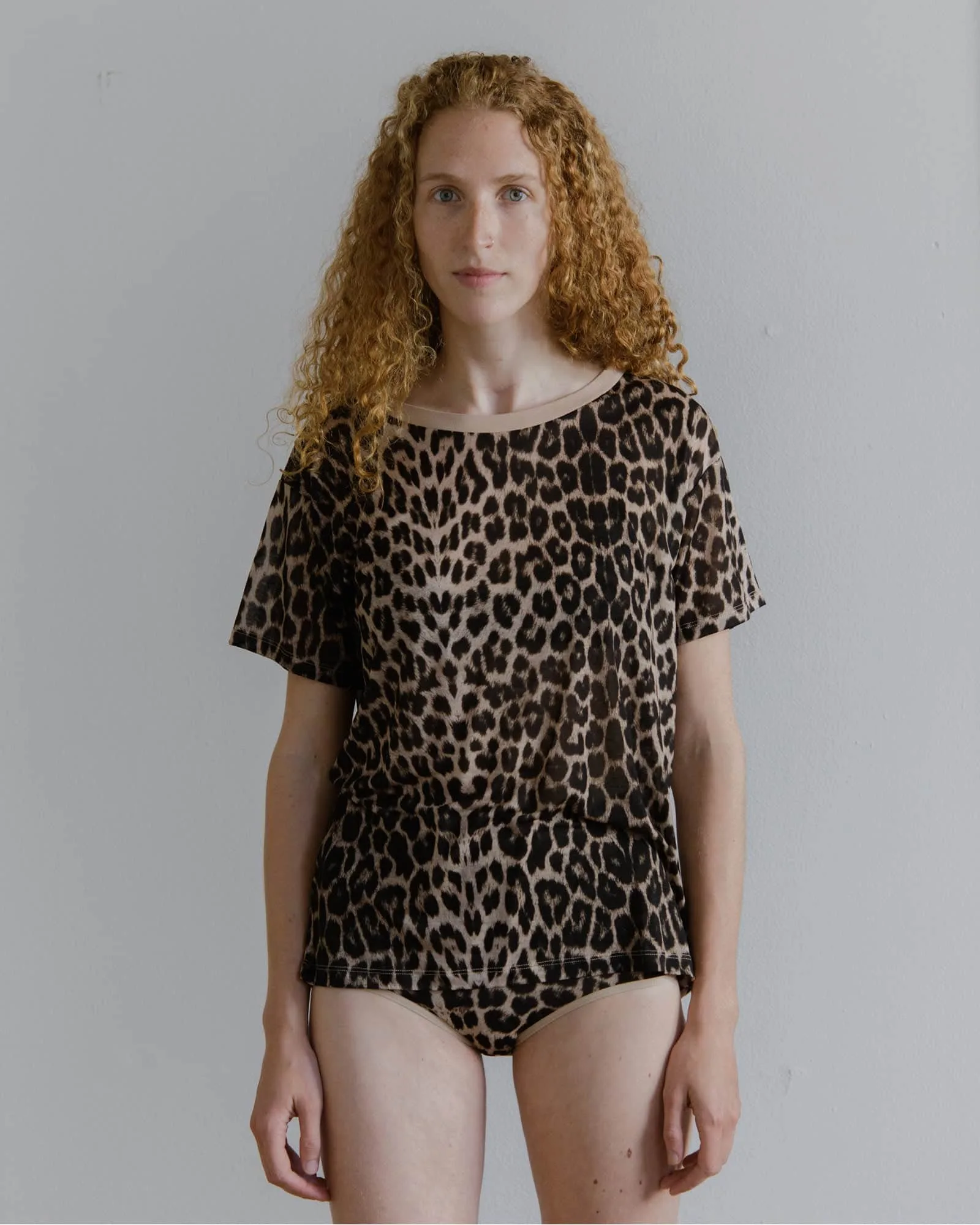
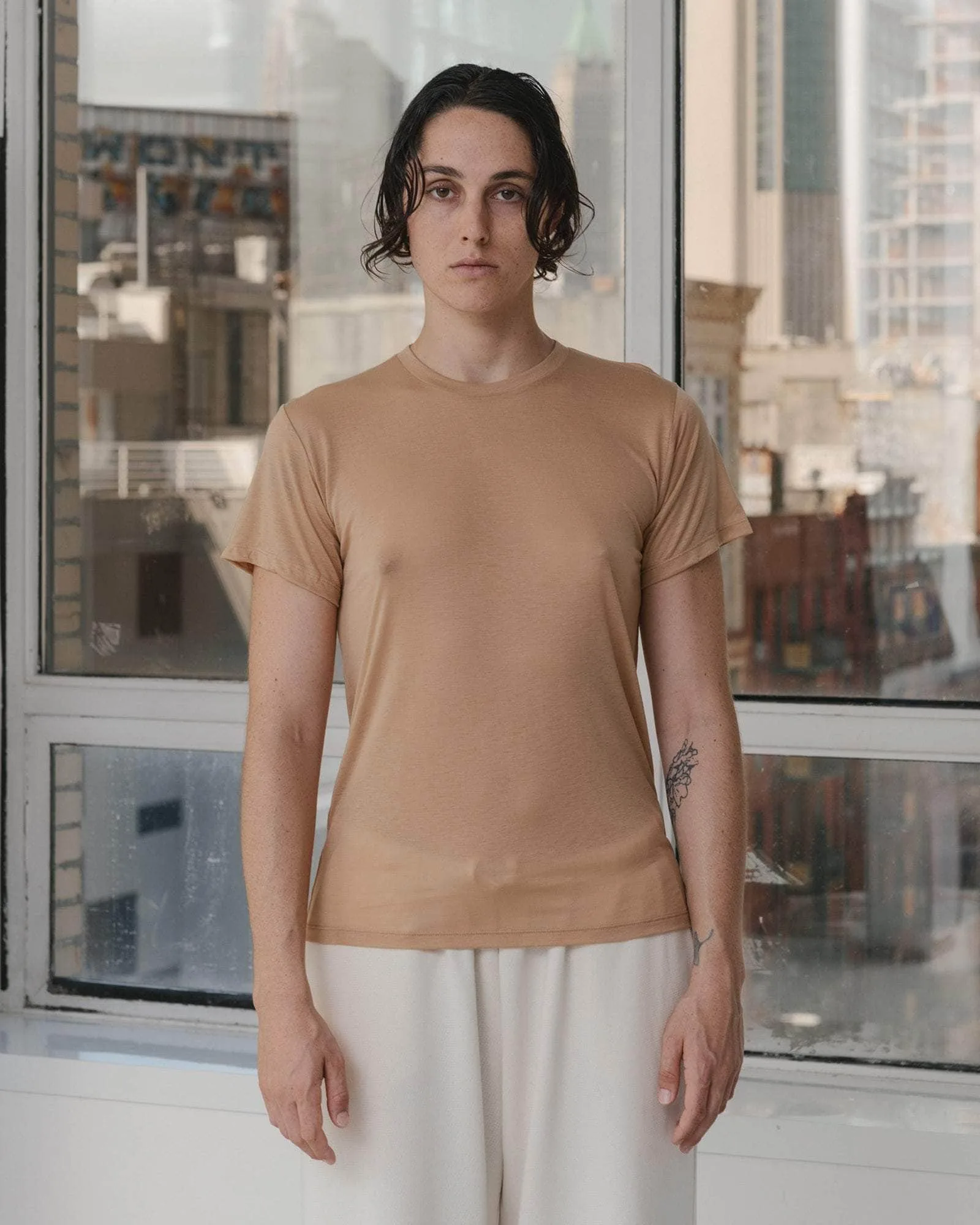
- Loose Tee Shirt: https://baserangepin.com/products/loose-tee-in-leopard-6a9d599d2b71800f8d9bd990-1102418Loose https://baserangepin.com/products/tee-shirt-lyocell-in-aural-2de637254eac0028cc53b211-1102408https://baserangepin.com/products/tee-shirt-aw26-in-leopard-50faf515690ba0babc295f4c-1102414Tee Shirt with a wide neck and drop sleeves, made from 100% Lyocell. The fluid drape and open neckline make it a natural base for a cropped shrug, and the Lyocell keeps the layer from feeling bulky.
- Syno Tee Shirt: Syno Tee Shirt in regenerative cotton and recycled cotton jersey with a crewneck and contrast-lined sleeves. The crewneck gives a shrug something clean to sit against, while the contrast sleeve lining adds a subtle detail if the shrug slips off one shoulder.
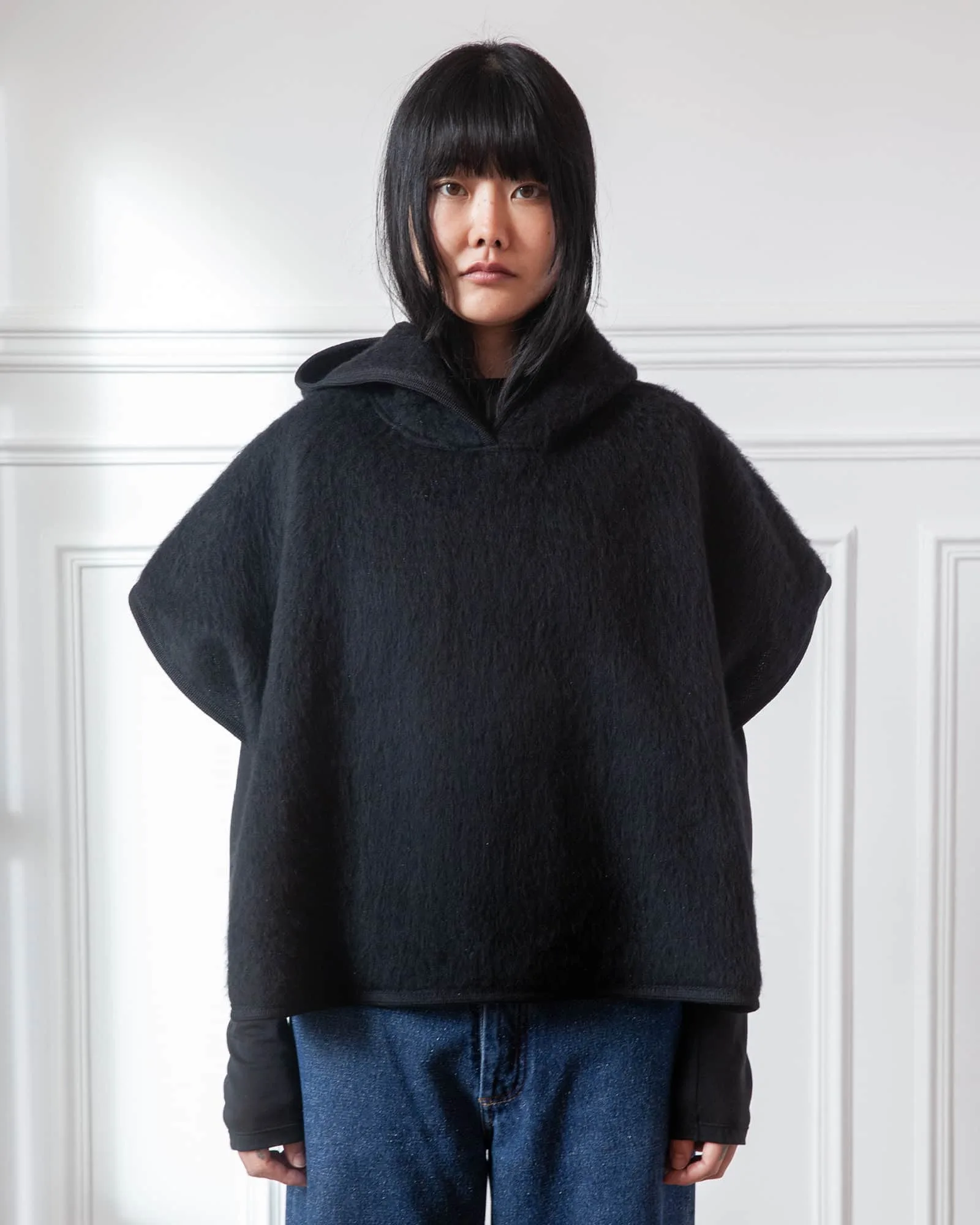
- Fortu Hooded Vest: Fortu Hooded Vest in brushed wool with a hood and bound edges, made in France. This is the heavier layering option: wear it over a tank or dress when you want warmth and texture, but keep the base fitted so the wool does not add bulk.