Quick answer
Switch your small pet's food over 7 to 14 days, mixing a small amount of the new food into the old and increasing it gradually while your pet's droppings and appetite stay normal. Go slower for guinea pigs and sensitive rabbits, and pause or step back if you see soft droppings or your pet stops eating.
Why a slow transition matters more than the food itself
A rabbit or guinea pig's digestive system runs on a stable population of gut bacteria that break down fiber. A sudden change in the type or proportion of food can disrupt that balance, leading to soft droppings, gas, or in serious cases stasis. The safe approach is to change the food slowly enough that the gut bacteria have time to adjust. Hay should stay the foundation of the diet throughout; you are changing the concentrated or supplementary parts, not the hay.
Set up a baseline before you change anything
For two or three days before you start, note what your pet normally eats, how much, and what its droppings look like. This gives you a reference point. If your pet is already unwell, underweight, or has a history of gut stasis, ask your vet before changing the diet. A healthy pet with a known baseline is much easier to transition safely than one you are still getting to know.
How to mix old and new food day by day
A typical schedule is 10% new food for the first two to three days, then 25%, then 50%, then 75%, and finally 100% over about 10 to 14 days. If your pet is a guinea pig or has a sensitive stomach, stretch each stage to four or five days. Always offer the new food alongside the old rather than replacing a meal, and keep fresh hay available at all times.
What to watch for and when to slow down
Check droppings daily. They should stay firm and well-formed. If they become soft, smaller, or fewer, or if your pet leaves food or seems quieter than usual, go back to the previous stage for a few days. Never push through a reaction. It is also worth introducing one new food at a time so you can tell which one caused a problem if one appears.
Your step-by-step transition plan
- Days 1-3: Check the baseline: Record normal appetite, droppings, and weight if you can. Common mistake: starting a new food the same day you notice a health problem, which makes it impossible to tell what caused what. Checkpoint: only begin if your pet is eating and passing normal droppings.
- Days 1-3: Introduce a pinch of new food: Mix about 10% new food into the usual portion, keeping hay unlimited. Common mistake: replacing the whole bowl at once because your pet seems to like the new food. Checkpoint: droppings should stay firm; if not, remove the new food for two days and restart.
- Days 4-6: Move to roughly one quarter new food: Increase the new food to about 25% of the portion while the rest stays the same. Common mistake: increasing faster because the first stage went well. Checkpoint: your pet should still finish its usual amount of hay.
- Days 7-9: Go half and half: Mix equal parts old and new food. Common mistake: adding a second new food at the same time, which hides which one is tolerated. Checkpoint: no soft droppings, no dropped food, no change in activity.
- Days 10-12: Move to three quarters new food: Keep a small amount of the old food in the mix so the change stays gradual. Common mistake: stopping the old food completely before your pet has adjusted. Checkpoint: if droppings soften, hold at this stage for three more days.
- Days 13-14: Complete the switch: Feed only the new food, with hay always available. Common mistake: assuming the job is done and forgetting to keep monitoring for a few days. Next step: keep an eye on droppings for another week and keep portions consistent.
Products that fit a gradual transition
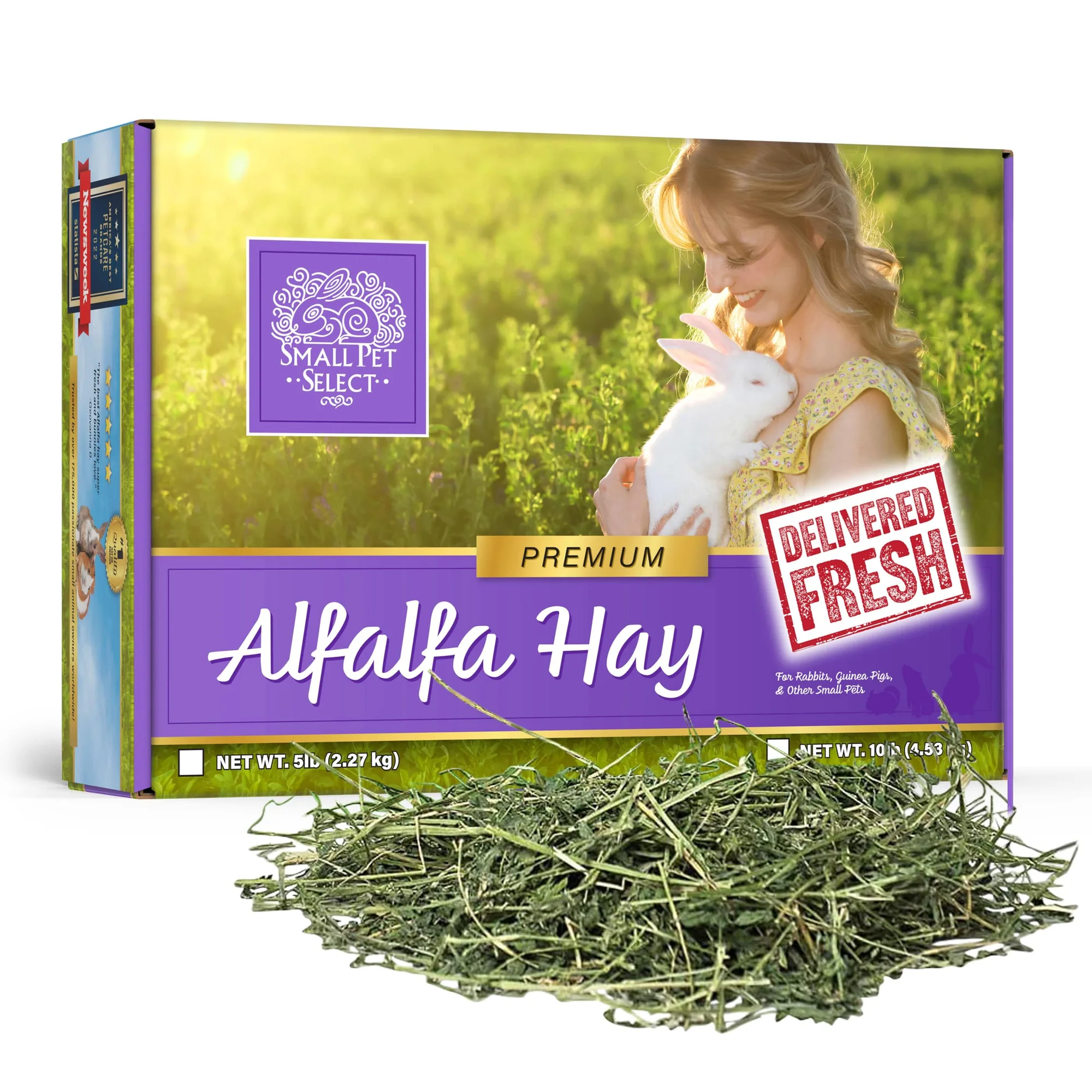
- Alfalfa Hay: Alfalfa hay is higher in energy, protein, and calcium than Timothy hay, and is described as a go-to for young growing animals and older animals needing a nutrition boost. If your vet has recommended a richer hay for a growing or recovering pet, introduce it as part of the same gradual mix rather than swapping the whole rack at once.
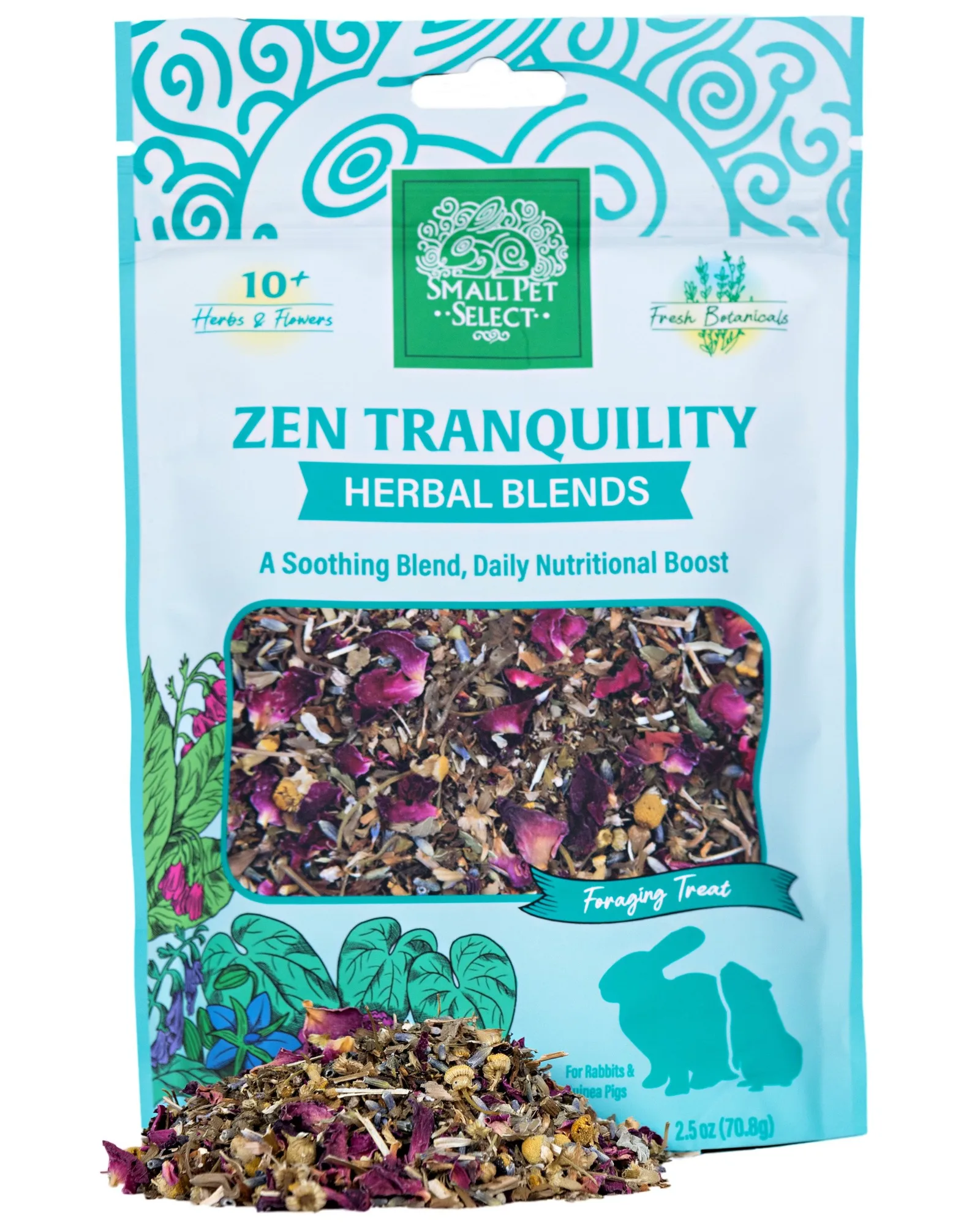
- Zen Tranquility Herbal Blend: Zen Tranquility Herbal Blend is a forage-style mix of grasses, flowers, herbs, and bark intended to add dietary variety for rabbits and guinea pigs. A small pinch of a herbal blend can be added alongside the existing diet to build variety without replacing the main food, which makes it easier to keep the transition gradual.
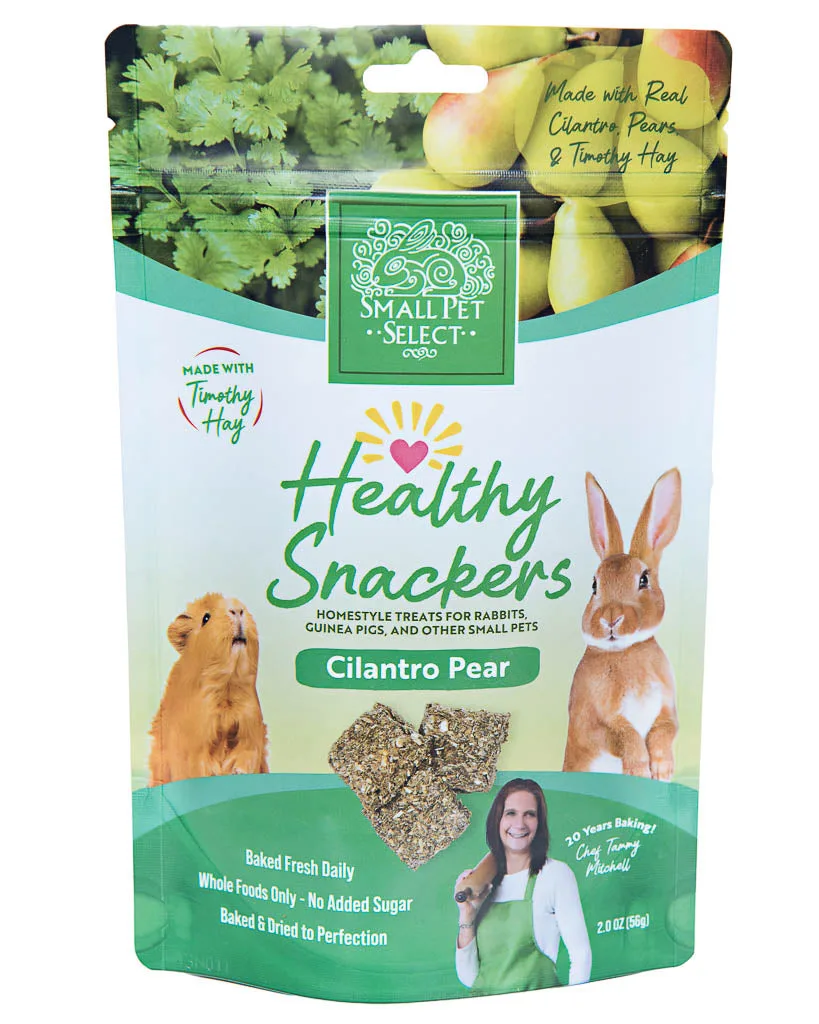
- Healthy Snacker - Cilantro Pear: Healthy Snacker - Cilantro Pear is a 2 oz. treat made with fresh cilantro, ground timothy pellets, oats, and pears. Treats like this are useful as a familiar, tasty carrier for a new food during the early stages, but they should stay a small part of the daily diet.