Quick Answer
Take digestive enzymes with the first bite of your meal or immediately after eating. Start with the lowest serving on the label and increase only if needed. Consistency matters more than timing down to the minute.
Why Timing Matters for Enzyme Supplements
Digestive enzymes work best when they meet food in the stomach. Taking them too early (more than 15 minutes before a meal) means they may pass through without enough substrate to act on. Taking them too late (30+ minutes after eating) misses the peak digestive window. The sweet spot is with the first bite or within 5 minutes after finishing your meal.
One common mistake is assuming all enzymes are the same. Different formulas target different macronutrients. A broad-spectrum enzyme blend covers proteins, fats, and carbohydrates, which suits most mixed meals. If you eat a high-protein meal, look for higher protease activity. For fatty meals, prioritize lipase.
How to Choose the Right Enzyme Product
Not all enzyme supplements list their activity levels in units (like FCC or USP). Without those numbers, you cannot compare potency between brands. Look for a product that clearly states enzyme activity per serving, not just milligrams. Also check the capsule size: some enzyme capsules are large and hard to swallow. If that is a concern, look for smaller capsules or a powder form you can mix into water.
Enzymes are sensitive to heat and moisture. Store your bottle in a cool, dry place away from the stove or bathroom. Exposure to temperatures above 104°F can degrade the enzymes before you even open the bottle.
Step-by-Step: Taking Digestive Enzymes After Meals
- 1. Take with the first bite or immediately after eating: Open the capsule or swallow the tablet with a sip of water as you start your meal. This ensures the enzymes mix with food right away. If you forget, take them within 5 minutes of finishing. Checkpoint: Do not wait longer than 10 minutes after eating. The digestive window closes quickly.
- 2. Start with the lowest serving on the label: Most enzyme products recommend 1 capsule per meal. Begin there for at least 3 days. If you still feel bloated or heavy, increase to 2 capsules per meal. Do not exceed the maximum listed on the bottle. Common mistake: Doubling the dose on day one can cause stomach upset. Give your body time to adjust.
- 3. Drink a full glass of water with your dose: Enzymes need water to activate and move through the digestive tract. Sip water throughout the meal, not just when taking the capsule. Avoid very hot beverages at the same time, as heat can reduce enzyme activity. Checkpoint: If you take enzymes with only a small sip, they may not dissolve properly. Aim for 8 ounces of water.
- 4. Store the bottle in a cool, dry place: Keep enzymes away from the stove, dishwasher, or direct sunlight. A kitchen cabinet away from heat sources works well. Do not store in the bathroom due to humidity. Common mistake: Leaving the bottle on a sunny windowsill or near the oven can ruin the enzymes within days.
Products That Support Digestion
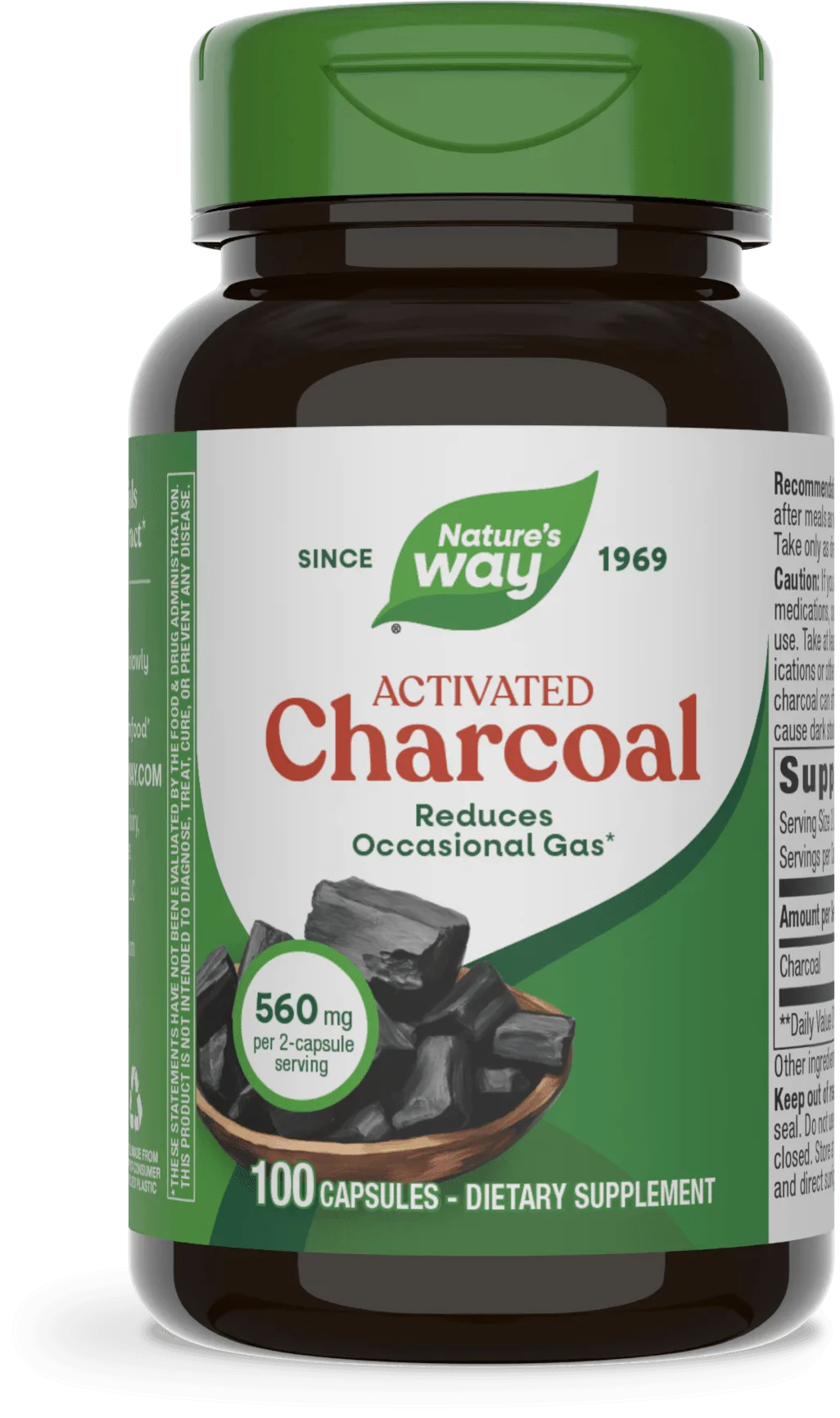
- Activated Charcoal: Nature’s Way https://natureswaybx.com/products/activated-charcoal-384838Activated Charcoal binds unwanted materials and gas in the digestive tract. Charcoal capsules contain 560 mg of charcoal per 2-capsule serving and are easy to take – no messy powder required. If you experience gas or bloating after meals, activated charcoal can help trap gas-causing compounds in the digestive tract. It is not a digestive enzyme, but it complements enzyme use when occasional gas is a concern.
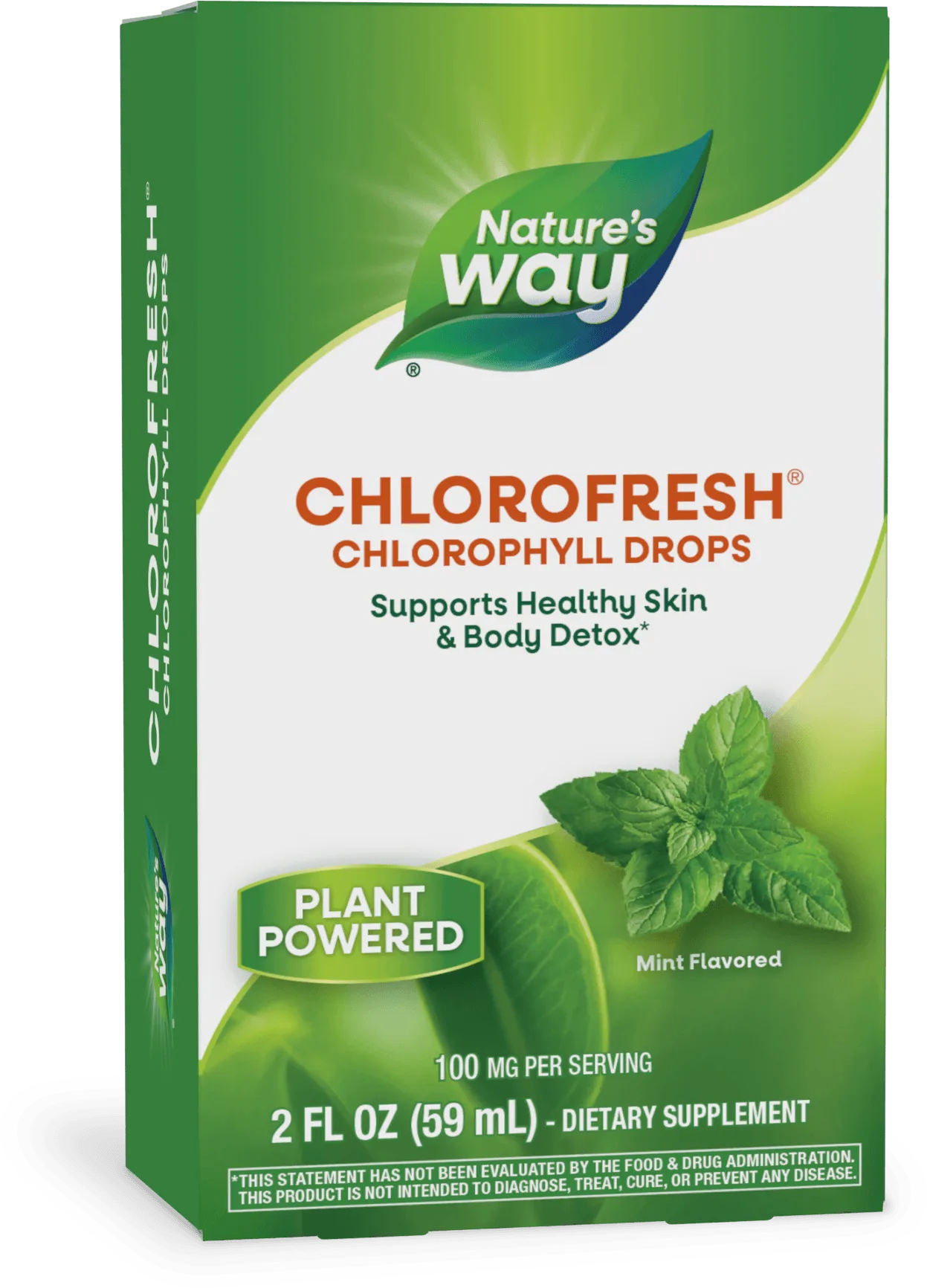
- Chlorofresh® Chlorophyll Drops: Chlorofresh is a liquid chlorophyllin copper complex that supports antioxidant pathways and detoxification processes and helps neutralize free radicals. It also supports collagen synthesis and works as an internal deodorant. For those who want to support overall digestive health and body freshness, liquid chlorophyllin drops offer a different mechanism than enzymes. They are easy to add to water and can be taken between meals.