Quick answer
Take your magnesium and turmeric 60–90 minutes before bed with a small snack containing fat, such as yogurt or nut butter. Turmeric's curcumin needs fat for absorption, and magnesium glycinate or citrate supports relaxation and sleep quality. Split the dose if you're prone to digestive upset, and stay consistent for at least two weeks before judging results.
Why timing matters more than you think
Magnesium and turmeric don't work on the same timeline. Magnesium is absorbed relatively quickly and starts supporting nervous system calm within an hour or two, which is why the best time to take magnesium at night is usually 60–90 minutes before bed. Turmeric's curcumin, on the other hand, has poor bioavailability on its own and benefits from fat and piperine (black pepper) to be absorbed well. Taking both together with a small fatty snack solves two problems at once: it gives turmeric the fat it needs and puts magnesium in your system right when your body is winding down.
If you take magnesium earlier in the evening, you may miss the window when it's most useful for sleep. If you take turmeric right before lying down, you risk reflux. That's why the sweet spot for magnesium and turmeric for sleep is roughly an hour to 90 minutes before you get into bed.
Choose a form that fits your gut
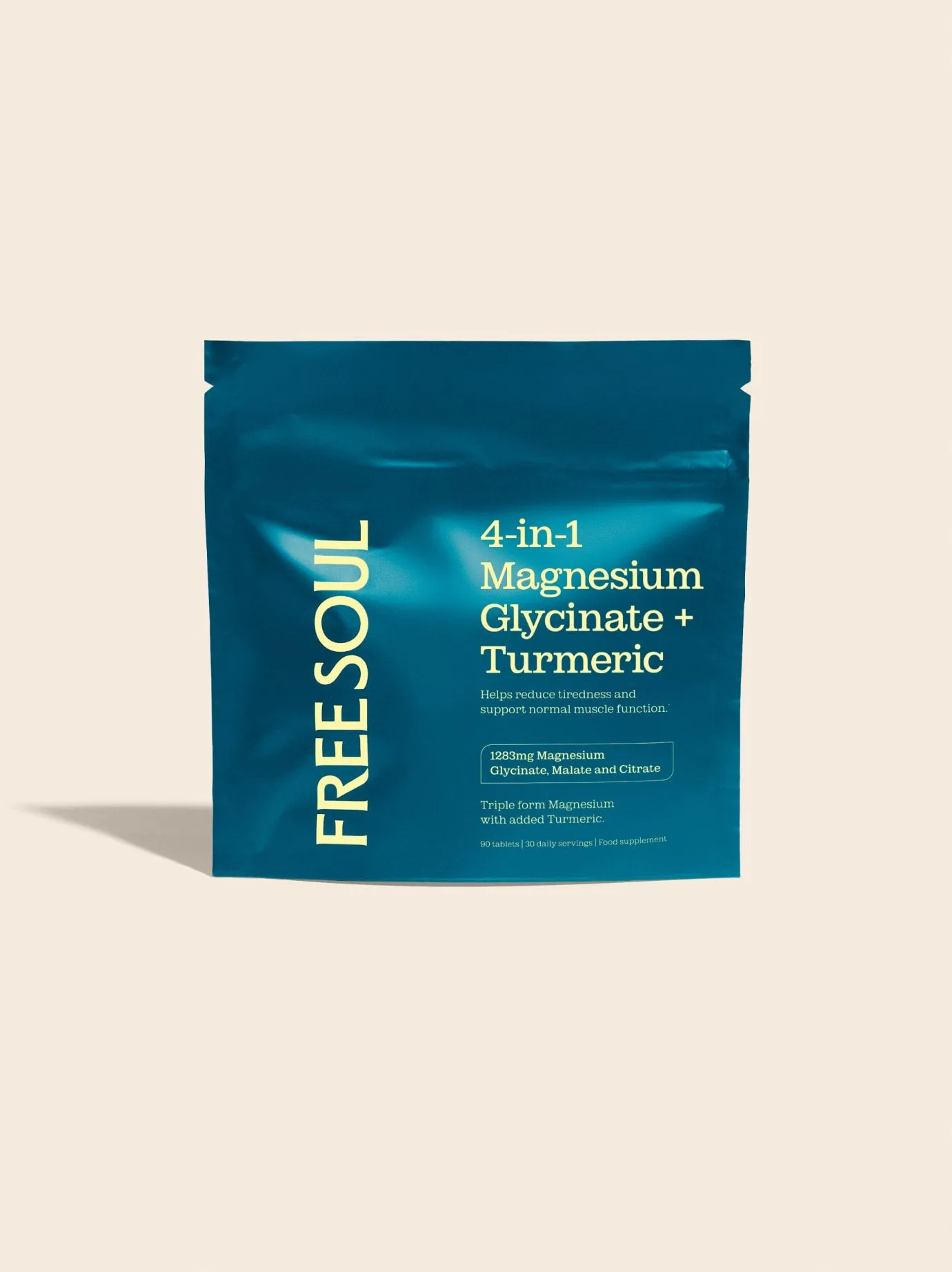
Magnesium comes in several forms, and they behave differently. Magnesium glycinate is gentle and often recommended for sleep because glycine itself has a calming effect. Magnesium citrate is well absorbed but can loosen stools, which is helpful if you're constipated and unhelpful if you're not. Magnesium malate tends to be energizing, so some people prefer it earlier in the day. A blend like 4-in-1 Magnesium + Turmeric combines glycinate, malate, and citrate with turmeric, which means you get the calming and absorbable forms without buying three separate bottles.
Turmeric is also available as curcumin extract or whole turmeric powder. Extracts are standardized and more concentrated, but they still need fat. If you're using a gummy or capsule, check whether it includes black pepper extract or a lipid base. If it doesn't, take it with food that contains fat.
What to do if you wake up at 3 a.m.
If you fall asleep fine but wake in the middle of the night, your magnesium dose may be too low or too early. Try moving it 30 minutes later or splitting it: half with dinner, half an hour before bed. Some women find that adding a small protein snack at the same time helps stabilize blood sugar overnight. If you're using a turmeric supplement, keep it with the earlier half to reduce the chance of reflux when you lie down.
Don't increase your dose beyond the label without checking with your doctor, especially if you have kidney issues or take diuretics.
Your step-by-step evening routine
- Step 1: Set a consistent time: Take your magnesium and turmeric 60–90 minutes before your target bedtime. Set a phone reminder for the same time each night. Common mistake: taking it right before you lie down, which can cause reflux and delay absorption.
- Step 2: Pair with a small fatty snack: Eat a few nuts, a spoonful of yogurt, or half an avocado. Fat improves curcumin absorption from turmeric. Checkpoint: if your supplement already contains a lipid base or black pepper, a snack is optional but still helpful.
- Step 3: Start with one serving: Use the label dose. If you're new to magnesium, begin with half a serving for the first three nights to see how your digestion responds. Common mistake: doubling up on night one, which can cause loose stools and cramping.
- Step 4: Adjust if you wake at night: If you wake around 3 a.m., move your dose 30 minutes later or split it: half with dinner, half before bed. Checkpoint: give any change at least four nights before judging it.
- Step 5: Give it two weeks: Magnesium and turmeric build up gradually. Track your sleep quality in a simple note for 14 days. If you see no change after two weeks, review your dose, form, and timing with your doctor.
Product facts that affect your routine
- 4-in-1 Magnesium + Turmeric: Blends three highly bioavailable forms of magnesium (glycinate, malate, and citrate) with antioxidant-rich turmeric. You get calming glycinate, absorbable citrate, and energizing malate in one dose, so you don't have to guess which single form suits you.
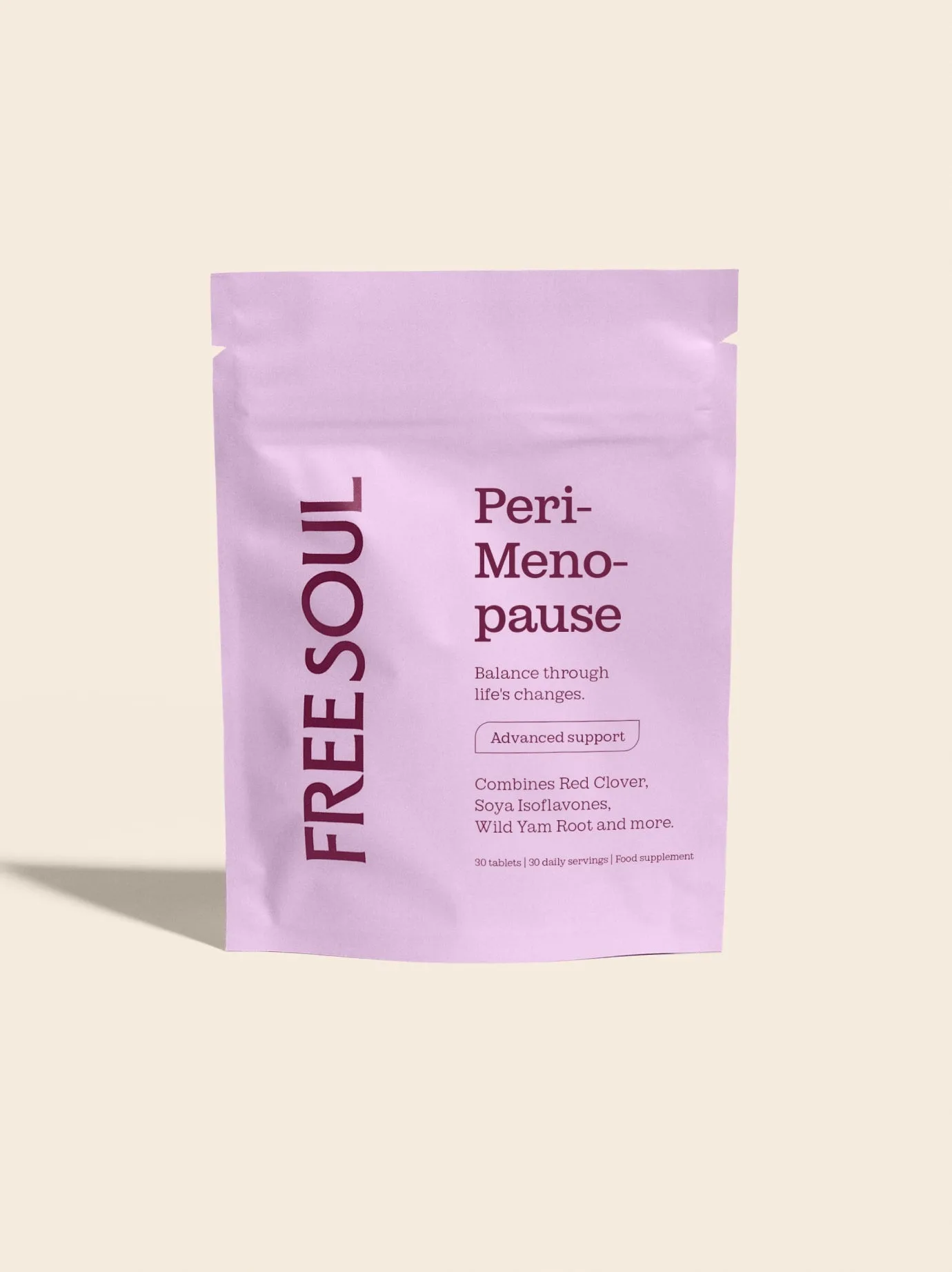
- Perimenopause Supplement: Formulated to support perimenopause, a transition that can start months or years before periods stop and is commonly associated with hot flushes, difficulty sleeping, and night sweats. If your sleep issues are tied to perimenopause rather than general stress, this targets that specific hormonal context.
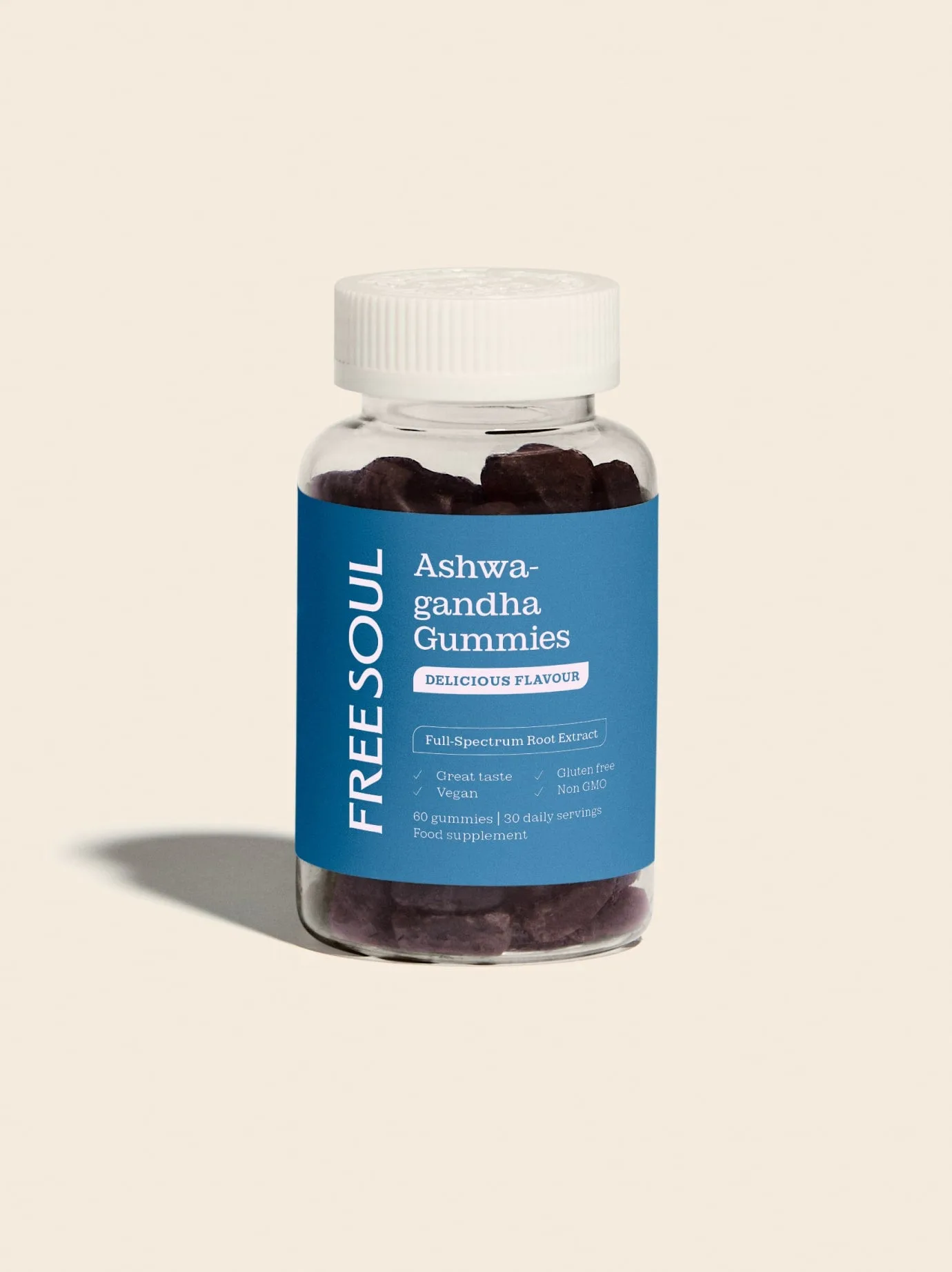
- Ashwagandha Gummies: Ashwagandha gummies deliver high-quality, effective doses in a chewable format, used in Ayurvedic tradition for balance. A gentle option if you prefer not to swallow capsules, but it works on stress over time, not as an immediate sleep aid.