Quick Answer
Teach 7 Wonders Architects by starting with the core loop of drafting cards and building your Wonder, then layer in the Medals expansion once players are comfortable.
Why Start with the Core Game
7 Wonders Architects is designed as a gateway game, so the base rules are intentionally simple. By teaching the core drafting and building mechanics first, you avoid overwhelming new players with the extra objectives from the Medals expansion.
The base game focuses on three main actions: draft a card, build your Wonder, or use a card's effect. Once players grasp this loop, they can start making meaningful decisions about resource management and Wonder progression.
When to Introduce the Medals Expansion
The Medals expansion adds a new layer of strategy: completing objectives to earn medals. This is best introduced after players have played at least one full game of the base 7 Wonders Architects, so they understand the core flow and can appreciate the extra decision-making.
The expansion also includes two new Wonders (the Colosseum of Rome and the Ziggurat of Ur) and new Progress tokens, which add variety without changing the fundamental rules.
Step-by-Step Teaching Guide
- Set Up the Game: Place the Wonder boards in the center and give each player their starting hand of cards. Explain that the goal is to build your Wonder before your opponents. Checkpoint: Ensure each player understands that building the Wonder is the primary way to score victory points.
- Explain the Drafting Action: On your turn, you choose one card from your hand and place it face up in front of you. Then pass the remaining cards to the next player. This is the core action of the game. Common mistake: New players may forget to pass the cards. Remind them that passing is part of the action.
- Show How to Build Your Wonder: When you have the required resources shown on your Wonder board, you can spend them to place a piece of your Wonder. Each piece gives you a benefit and moves you closer to victory. Checkpoint: Point out that building early can give you powerful bonuses, but saving resources for later Wonders is also a valid strategy.
- Teach Card Effects: Some cards have immediate effects, like gaining resources or moving your progress token. Explain that these effects are optional but often provide advantages. Common mistake: New players may overlook card effects. Encourage them to read each card and consider the effect before discarding it.
- Introduce the Medals Expansion (Optional): If playing with the Medals expansion, explain that players can now earn medals by completing objectives, such as building a certain number of Wonders or collecting specific resources. These medals provide bonus points at the end of the game. Checkpoint: Make sure players understand that medals are optional objectives, not required to win, but they can tip the balance in close games.
Products That Help You Teach
-
7 Wonders Architects: 7 Wonders Architects is designed for a fluid and immersive game experience, making it a gateway game that still retains strategic depth. Its streamlined rules make it ideal for teaching new players without sacrificing the decisions that keep experienced gamers engaged.
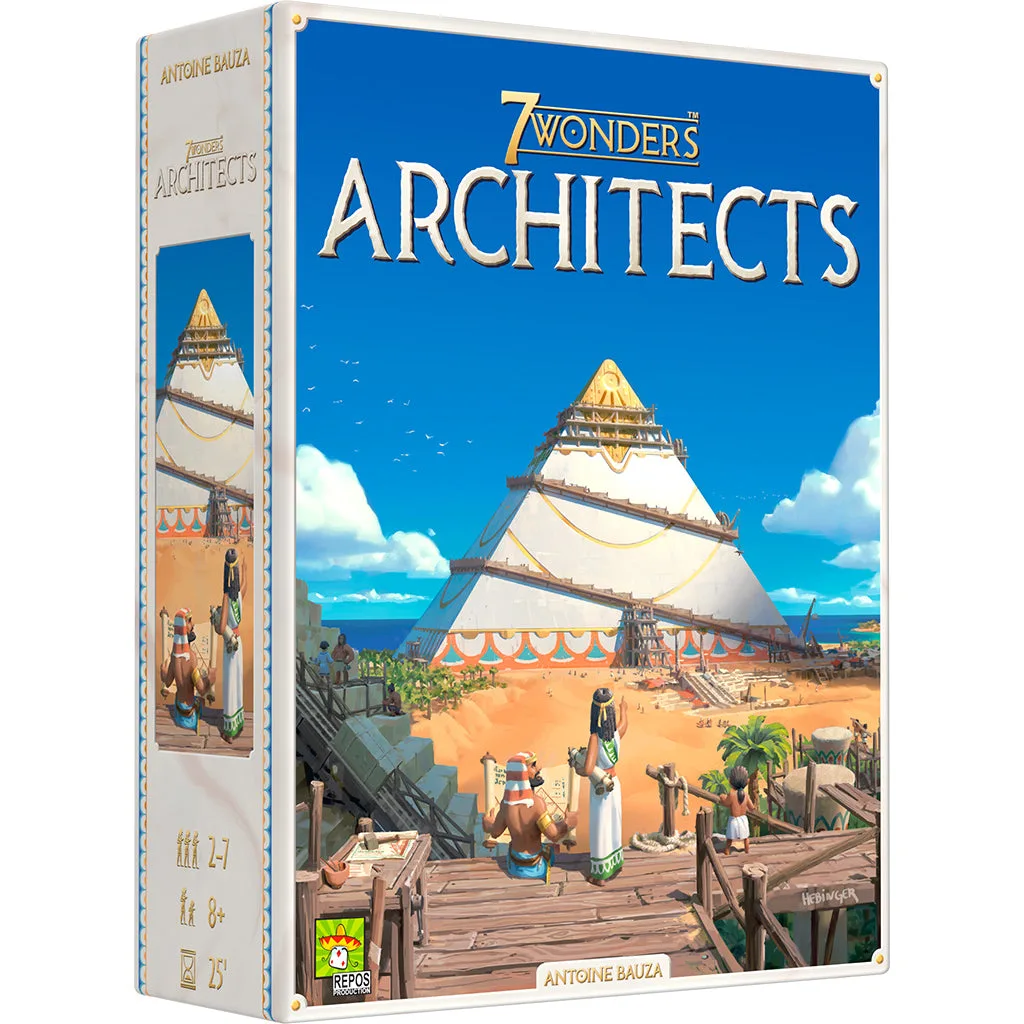
7 Wonders Architects
-
7 Wonders Architects Medals: The Medals expansion introduces a new game element: Medals, which are objectives to be achieved before your opponents take the lead. Adding Medals gives players clear goals beyond building their Wonder, making the game more strategic for those ready for an extra challenge.
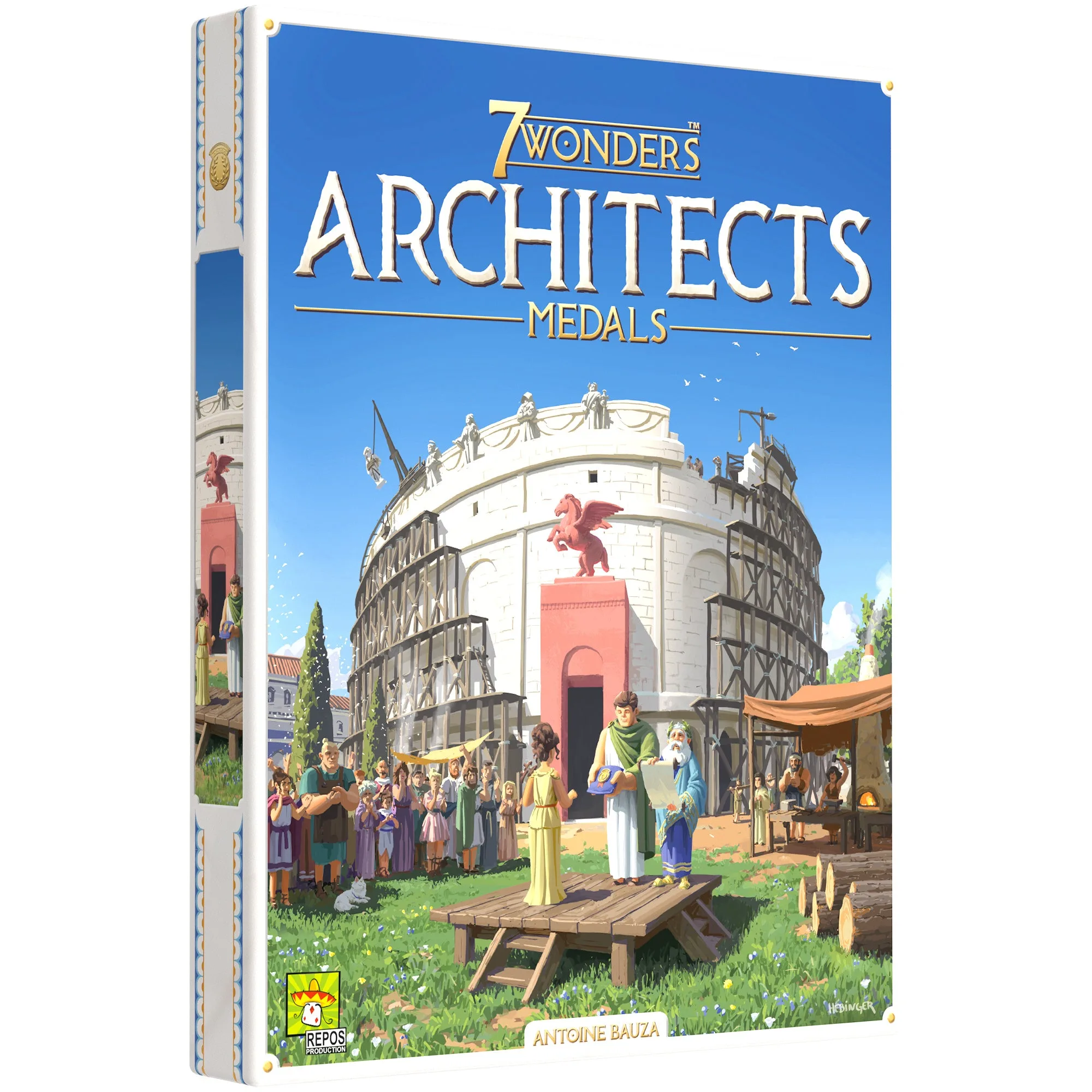
7 Wonders Architects Medals