Quick Answer
To teach board games to new players, start with a concise overview, explain the goal and core mechanics, then guide them through a practice round. Use clear language, avoid overwhelming details, and encourage questions to build confidence.
Teaching a board game to new players can be as challenging as learning the game itself. You want to keep things clear, engaging, and fun without overwhelming them with rules. With the right approach, you can turn a complex game into an enjoyable experience for everyone.
Whether you're introducing a lightweight filler or a deeper strategy game, the key is to structure your explanation logically and pace it to your audience. This guide offers practical tips to help you teach any game effectively, from the initial setup to the final round.
Start with the Big Picture
Before diving into rules, give new players a high-level overview of the game. Explain what the game is about, the theme, and the ultimate goal. For example, in a map-building game like Cartographers, the goal is to earn points by cleverly placing terrain on your map. This context helps players understand why they are making certain choices.
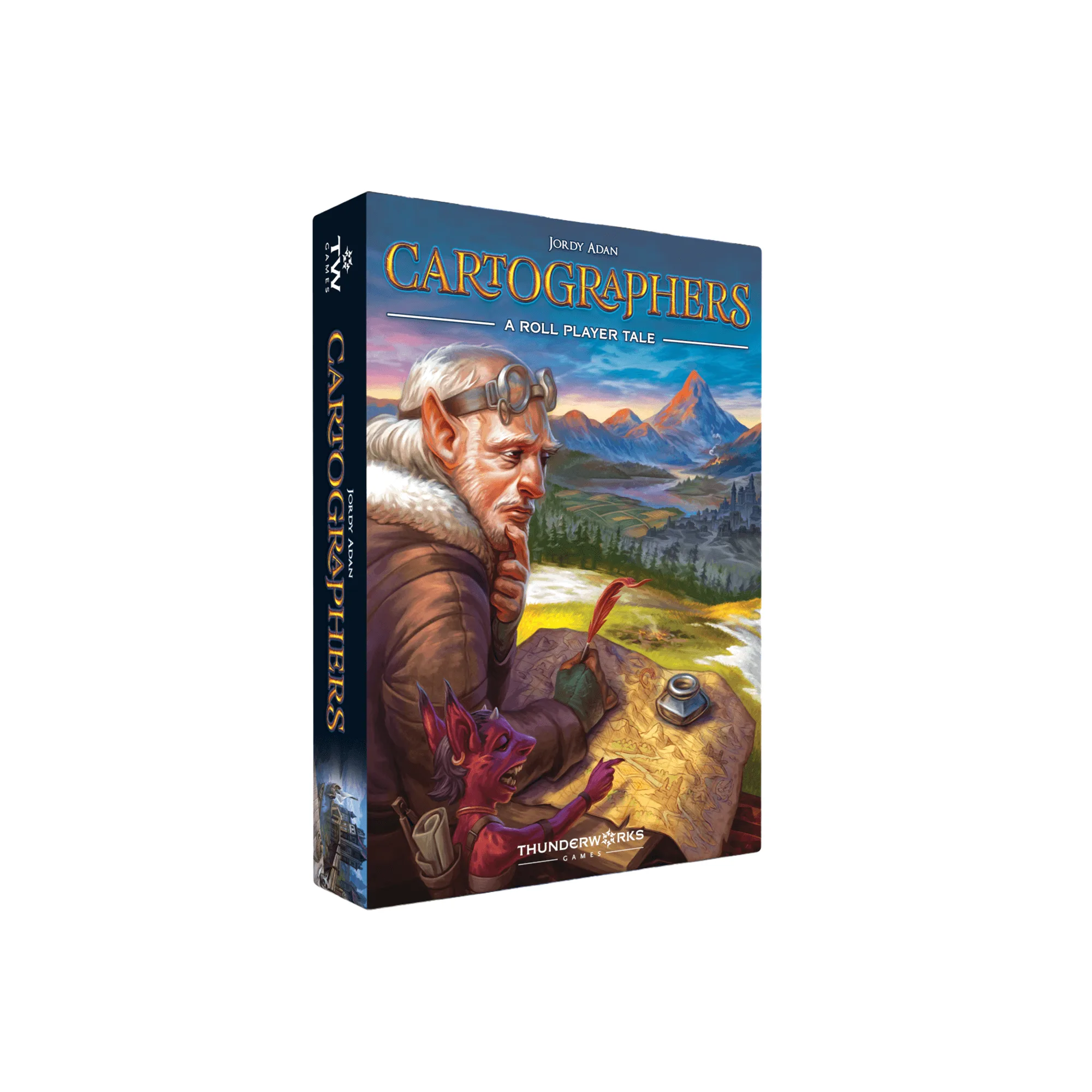
Cartographers
Avoid listing every rule upfront. Instead, focus on the core loop: what players do on their turn, how they score, and when the game ends. This gives them a mental framework to hang the details on as you go.
- Use a 'hook' to generate interest, like a fun theme or a unique mechanic.
Explain the Components and Setup
Show players the components and explain their functions. Point out the game board, pieces, cards, and any tokens. Let them handle the components to make the game tangible. For games with many pieces, like those with metal coins or dice towers, explain their purpose and how they enhance the experience.
Set up the game in front of everyone, narrating what you're doing. This helps players see where everything goes and reduces confusion later. If the game has a lot of setup, consider preparing it beforehand so you can focus on teaching.
- Have players sit where they can see the board and components clearly.
Teach the Core Mechanics Step by Step
Introduce the main actions players can take on their turn. Use simple language and concrete examples. For instance, if the game involves drafting cards, explain what each card type does and how to use it. Avoid delving into edge cases until players are comfortable.
Break down complex mechanics into smaller, digestible parts. If a game has multiple phases, teach them one at a time. This prevents information overload and allows players to absorb each concept before moving on.
- Use analogies or comparisons to familiar games to explain new mechanics.
Play a Practice Round
After explaining the basics, play a few turns openly. Narrate your own actions and ask players to do the same. This helps them see the mechanics in action and correct misunderstandings early. Keep the pace slow and encourage questions.
During the practice round, focus on the flow of the game rather than optimal strategies. Let players experiment and make mistakes. This is a safe space to learn, so avoid being overly competitive.
- If a player makes an illegal move, gently correct and explain why.
Provide Reference Materials and Be Patient
Keep the rulebook accessible and point out helpful player aids or reference cards. Many games include summaries that are perfect for quick checks. Encourage players to look up rules if they forget something, rather than relying on you for every answer.
Patience is crucial. New players may need time to process information and may ask repetitive questions. Answer them calmly and positively. Remember, the goal is to have fun, not to win at all costs.
- Offer to answer questions even after the game starts.
Step-by-Step Teaching Process
- Prepare the Game: Set up the game before players arrive or while they are getting settled. Read through the rules yourself so you know the game well. This reduces teaching time and keeps the session smooth. Checkpoint: You can explain the goal and setup without reading from the rulebook.
- Give a High-Level Overview: Start with a brief explanation of the game's theme, goal, and what players will be doing. Use simple language and avoid diving into rules yet. Checkpoint: Players can state the goal in their own words.
- Explain Components and Setup: Show each component and explain its function. Walk through the setup step by step, placing pieces as you go. Let players handle components to build familiarity. Checkpoint: Players know where everything is and what it's used for.
- Teach Core Mechanics: Introduce the main actions and rules one at a time. Use examples and analogies. Avoid explaining every rule upfront; focus on what players need to start. Checkpoint: Players can describe what to do on their turn.
- Play a Practice Round: Play a few turns openly, narrating actions. Encourage players to do the same. Correct mistakes gently and answer questions as they arise. Checkpoint: Players complete a full turn cycle without major confusion.
- Start the Real Game: Once players feel comfortable, begin the actual game. Remind them of key rules if needed. Keep a positive tone and offer support throughout. Checkpoint: Players are engaged and enjoying the game.
Products That Can Help
- https://thunderworksgameseyb.com/products/roll-player-metal-coins-846e218c817eb3efaf27263d-897239Roll Player: 60 Metal Coins: Upgrade your gaming experience with these premium, fantasy metal coins. There are 60 coins across 2 denominations that are designed to replace the cardboard coin tokens in Roll Player or Roll Player Adventures, although you can also enjoy the metal coins while playing any of your favorite games! Using tactile, premium components like metal coins can make a game more engaging for new players, helping them stay interested and remember the game's currency or scoring systems.
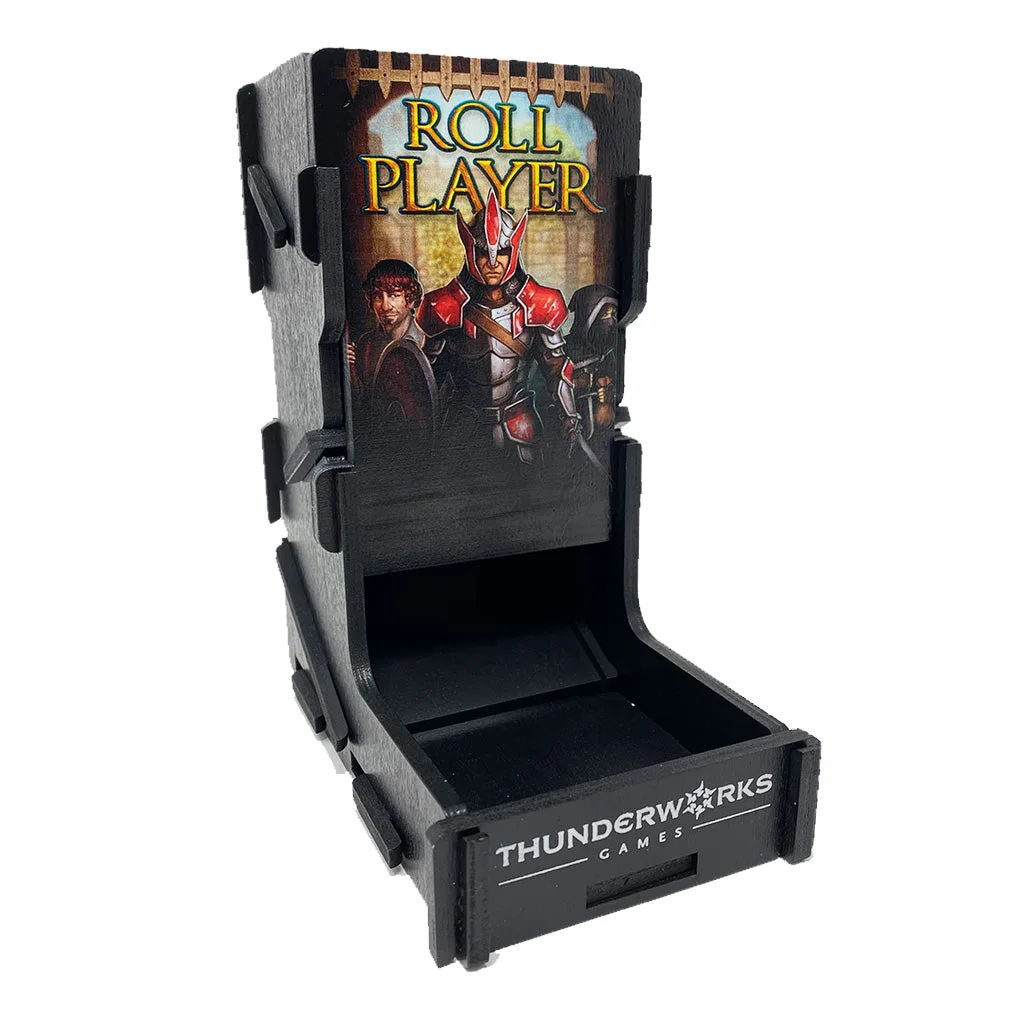
- Roll Player: Dice Tower: Roll your dice in style with this sturdy wooden dice tower! A perfect space saver when playing Roll Player or any other great game. The dice tower is made of black-stained wood and features custom artwork on the plastic panels from 4 different games in the Roll Player series. A dice tower not only adds flair but also keeps dice rolls contained, making it easier for new players to see results clearly and reducing clutter on the table.
Teaching board games to new players doesn't have to be daunting. By following these steps, you'll create a welcoming environment that makes learning fun. Remember to be patient, keep explanations clear, and focus on the joy of playing together.