Quick answer
Start by removing the pedals so your child can learn to balance and steer on a two-wheel bike, then let them coast with feet hovering just above the ground. Once they can glide confidently, put the pedals back on and practice starting and stopping. Skip training wheels entirely—they teach leaning the wrong way and delay real balance.
Training wheels feel safe, but they actually make learning harder. A child who leans on training wheels never learns to balance, and the transition to two wheels becomes a scary restart. The faster path is to teach balance first, then add pedaling.
This guide walks you through a pedal-free progression that works for most kids ages 3 to 6. You'll need a bike your child can touch the ground on, a safe flat area, and patience for short sessions. The goal isn't speed—it's confidence.
Start with a balance bike or convert a pedal bike
If your child already rides a balance bike, they're ahead. If not, you can create the same effect by removing the pedals from a small pedal bike. The key is a bike low enough that both feet sit flat on the ground while seated.
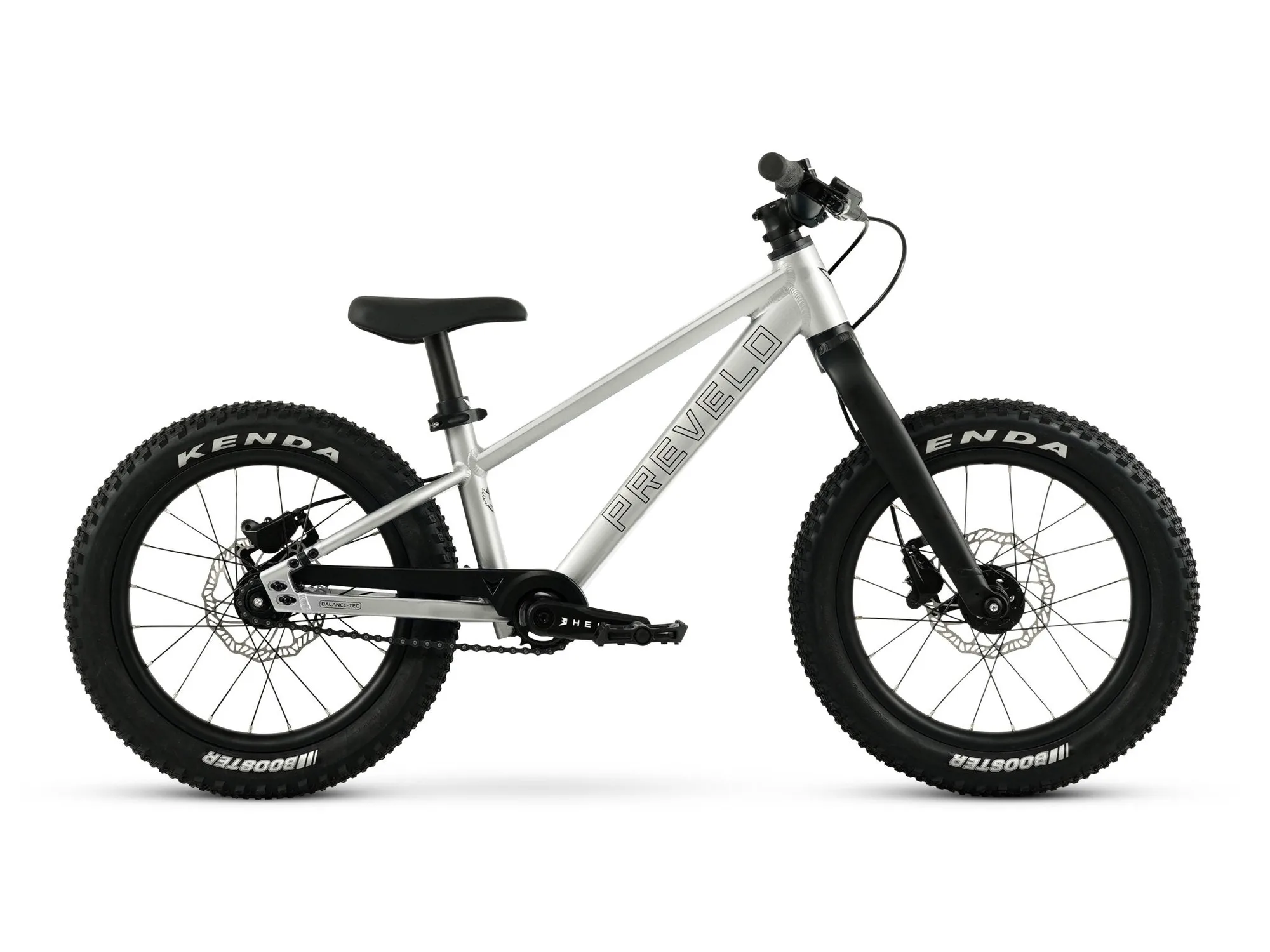
A dedicated balance bike like the Zulu Two makes this stage easier because it's built for it. The Zulu Two includes a patent-pending BALANCE-TEC conversion system that turns it from a balance bike into a pedal bike without compromising pedaling performance. That means you don't need to buy two bikes.
Zulu Two
- Check that your child can place both feet flat on the ground while sitting on the saddle.
- Remove pedals with a pedal wrench or the manufacturer's tool—most bikes use a 15mm wrench.
Practice gliding and steering
Find a smooth, flat surface with a gentle slope—a driveway or empty parking lot works. Have your child sit on the bike, walk forward, then push off and coast with feet hovering just above the ground. Their job is to look ahead, not at their feet.
Start with short pushes and build up to longer glides. Five to ten minutes a day is plenty. Stop before they get tired or frustrated. The moment they can coast for several seconds with feet up, they're ready for pedals.
- Keep the seat low enough that they can put a foot down instantly if they feel wobbly.
- Don't hold the bike while they glide—let them feel the balance themselves.
Add pedals back and practice starting
Once gliding feels natural, reinstall the pedals. Teach the starting position: one pedal at about 2 o'clock, strong foot on it, then push down while lifting the other foot. Most kids need to practice this without actually riding—just pushing off and coasting with feet on pedals.
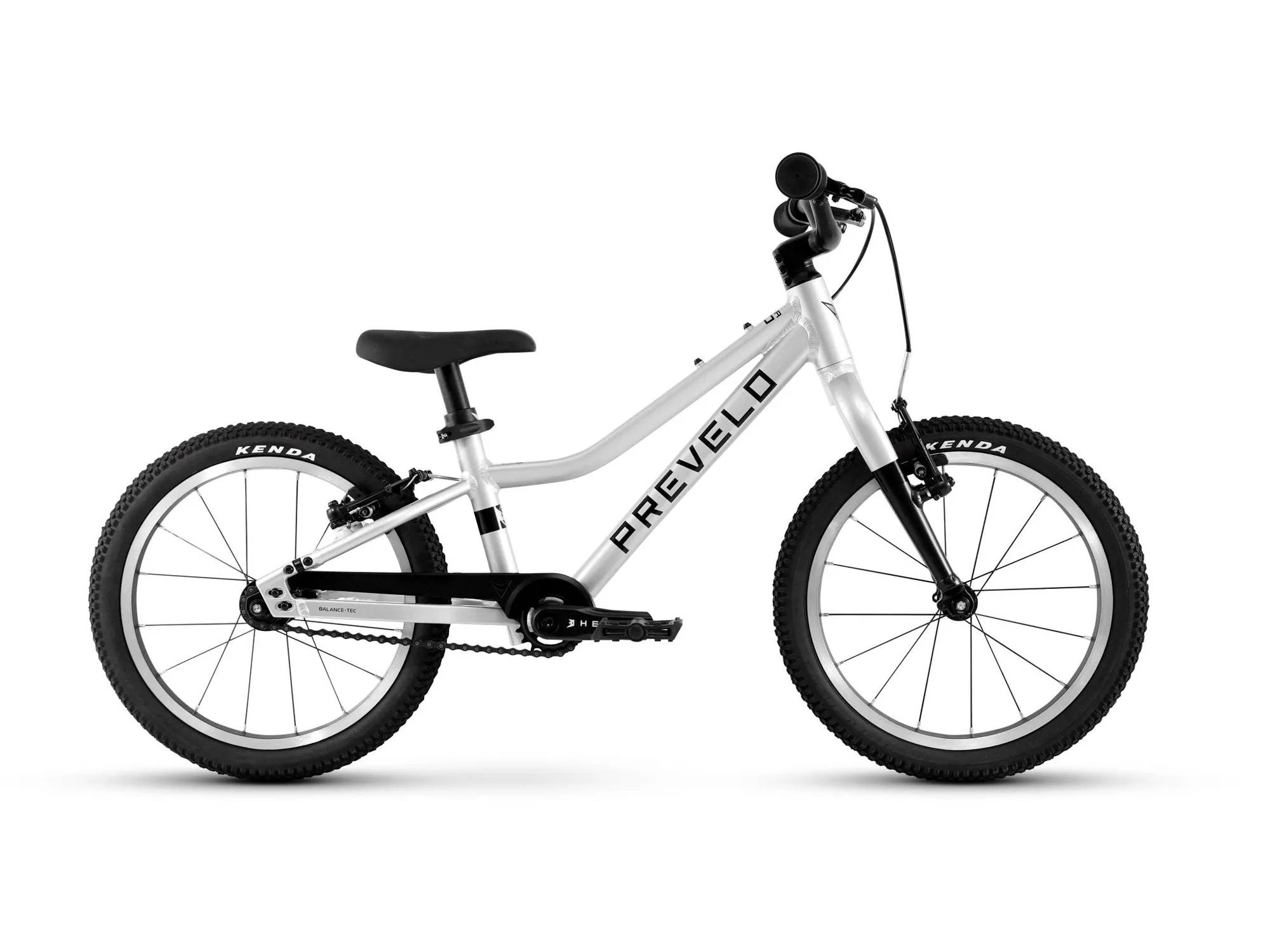
A lighter bike makes this stage much easier. The Alpha Two weighs very little for its size, with a single-speed drivetrain and dual hand brakes sized for small hands. Light weight means your child can control the bike instead of fighting it.
Alpha Two
- Practice starting and stopping separately before combining them.
- If the bike feels too heavy, consider a lighter model—weight matters more than gears at this stage.
Build confidence with short, successful sessions
Confidence comes from repeated small wins, not long exhausting rides. End each session while your child is still having fun. Praise effort—'you looked up that whole time'—rather than speed or distance.
If your child is nervous, go back to gliding for a few days. There's no deadline. Some kids ride independently in an afternoon; others take a few weeks. Both are normal.
- Use a helmet every time, even in the driveway.
- Avoid pushing your child to try when they're scared—it backfires.
Your step-by-step plan
- Remove pedals or use a balance bike: Set the saddle so both feet touch the ground. Let your child walk the bike, then push and glide. Checkpoint: they can coast for 3–5 seconds with feet up.
- Practice gliding and steering: Use a gentle slope. Encourage looking ahead, not down. Keep sessions short and positive. Mistake to avoid: holding the bike too long—they need to feel the wobble to learn.
- Reinstall pedals and teach the start: Put one pedal at 2 o'clock, push down, and lift the other foot. Practice starting and coasting before pedaling continuously. Checkpoint: they can start without your help and coast with feet on pedals.
- Add stopping and turning: Teach gentle braking with both hands. Practice slow-speed turns in an open area. Mistake to avoid: only practicing in a straight line—turning is a separate skill.
- Ride together and build distance: Gradually increase ride length. Celebrate effort, not speed. Keep it fun. Next step: try a gentle trail or bike path once they're steady.
Kid-sized gear that helps
- Zulu Two: Features a patent-pending BALANCE-TEC conversion system that converts from balance bike to pedal bike without compromising pedaling performance. You can start with balance mode and add pedals later, so your child learns balance first and transitions smoothly.
- Alpha Two: Lightweight 16-inch pedal bike with a single-speed drivetrain, dual hand brakes sized for small hands, and internally routed cables. A light bike with easy-to-reach brakes gives a new rider more control and less fear during those first pedal strokes.
Teaching a child to ride without training wheels is mostly about sequence: balance first, pedals second. With a light, kid-sized bike and short, positive sessions, most kids get there faster than you'd expect. Skip the training wheels and start with gliding—you'll both be glad you did.