Quick answer
A well-fitting bra band sits level and snug, allowing you to fit two fingers under the back without pulling or digging. If you can pull the band more than an inch away from your back, it's too loose; if it leaves red marks or you can't take a deep breath, it's too tight. Start by re-measuring your underbust and trying one band size up or down.
Your bra band does most of the support work, so getting its fit right matters more than any other adjustment. When the band is too tight, you'll feel pressure and see marks; when it's too loose, the bra rides up and straps dig in. This guide helps you diagnose the problem and find the correct band size without guesswork.
The 2-finger test: a quick band fit check
Put your bra on the loosest hook and fasten it. Run your index and middle fingers under the back band. You should be able to slide them comfortably without the band lifting away from your body. If you can't fit two fingers, the band is too tight. If you can fit more than two or the band easily pulls away from your back, it's too loose. This simple bra band fit test gives you an immediate starting point.
Next, check the band level. A band that rides up at the back is almost always too loose, even if it felt snug when you first put it on. A band that digs in at the front or leaves deep red marks after a few hours is too tight. Always assess after wearing the bra for 10–15 minutes, as some fabrics relax with body heat.
- Always fasten on the loosest hook when testing a new bra; tighter hooks are for when the band stretches over time.
- If the band feels tight only when you sit down, it may be too small in the cup, not the band.
Symptoms of a too-tight bra band
A too-tight band often feels like a constant squeeze around your ribcage. You might notice difficulty taking a full breath, red welts under your bust, or a band that curls up at the bottom edge. Straps may dig into your shoulders because the band is too small to anchor the bra, causing the front to pull down. If you have any of these signs, your band is likely too tight.
Causes include measuring too snugly, wearing a band size that's too small for your frame, or a bra style with a firm elastic that doesn't suit your shape. Sometimes a too-tight band is actually a sign that your cup size is too small, pushing the band away from your body and making it feel tighter than it is. Always check your cup size first.
- Try the bra on upside down and backwards: if the band feels comfortable that way, the issue is the cup size, not the band.
- If you're between band sizes, choose the larger band and go down a cup size to keep the same volume.
Symptoms of a too-loose bra band
A loose band rides up your back, especially when you raise your arms. You'll find yourself constantly pulling the band down or adjusting the straps. The cups may gap at the top, and the center front of the bra might not sit flat against your sternum. You might also notice the band shifting side to side during the day. These are clear signs your band is too loose.
Common causes include a band that has stretched out over time, losing weight, or simply wearing a band size that's too large. If your bra is new and the band already feels loose on the tightest hook, you need a smaller band size. If it's an older bra, the elastic has likely given way and it's time to replace it.
- If you can pull the band more than an inch away from your back, it's too loose.
- A band that starts on the tightest hook when new will only get looser, so size down.
How to find your correct bra band size
Start with a fresh measurement. Wrap a soft tape measure snugly around your ribcage, directly under your bust. Round to the nearest whole number. If the number is even, add 4 inches; if odd, add 5 inches. This gives your starting band size. For example, a 31-inch underbust becomes a 36 band. This method works for most brands, but always try on a few sizes because fit varies by style.
Remember that band size and cup size are linked. If you go down a band size, you usually need to go up a cup size to keep the same cup volume. For instance, if a 36C feels loose in the band, try a 34D. This is called sister sizing. Use it to fine-tune your fit when a band is close but not perfect.
- Measure at the end of an exhale for the most accurate underbust number.
- If you're between sizes, choose the larger band if you prefer a looser feel, or the smaller band if you need more support.
When to adjust the band vs. change the bra
If your band is only slightly too loose, you can often fix it by fastening on a tighter hook. But if you're already on the tightest hook and the band still rides up, it's time for a smaller band size. If the band is too tight, first check your cup size; if the cups are too small, going up a cup size may relieve the pressure. If the band still digs in, go up a band size and down a cup size.
Sometimes the issue is the bra style itself. A firm, wide band with strong elastic may feel tighter than a stretchy lace band in the same size. If you have a short torso or a prominent ribcage, you may need to try different brands or styles. When in doubt, get professionally fitted or order a couple of sizes to compare at home.
- Never alter a band with scissors or sewing unless you're prepared to ruin the bra.
- If you've tried sister sizes and still can't get comfortable, the bra's construction may not suit your shape.
Bra band fit diagnosis
- Band rides up at the back: The band is too loose or has stretched out. Fasten on a tighter hook; if already on the tightest hook, go down a band size (and up a cup size if needed). If a new bra rides up on the loosest hook, exchange for a smaller band.
- Red marks or difficulty breathing: The band is too tight. Check your cup size first—if the cups are too small, go up a cup size. If that doesn't help, go up a band size and down a cup size. If marks persist after 30 minutes, the band is too small.
- Band feels snug but straps dig in: The band may be too loose, causing the straps to carry the weight. Tighten the band or choose a smaller band size. Adjust straps only after the band is correct. Straps should only be tightened enough to stay in place, not to lift the bra.
- Band feels comfortable upside down and backwards: The band size is likely correct; the issue is the cup size. Try a larger cup size to relieve pressure on the band. If the band fits better without the cups, focus on cup fit.
Bra styles that can help with band fit
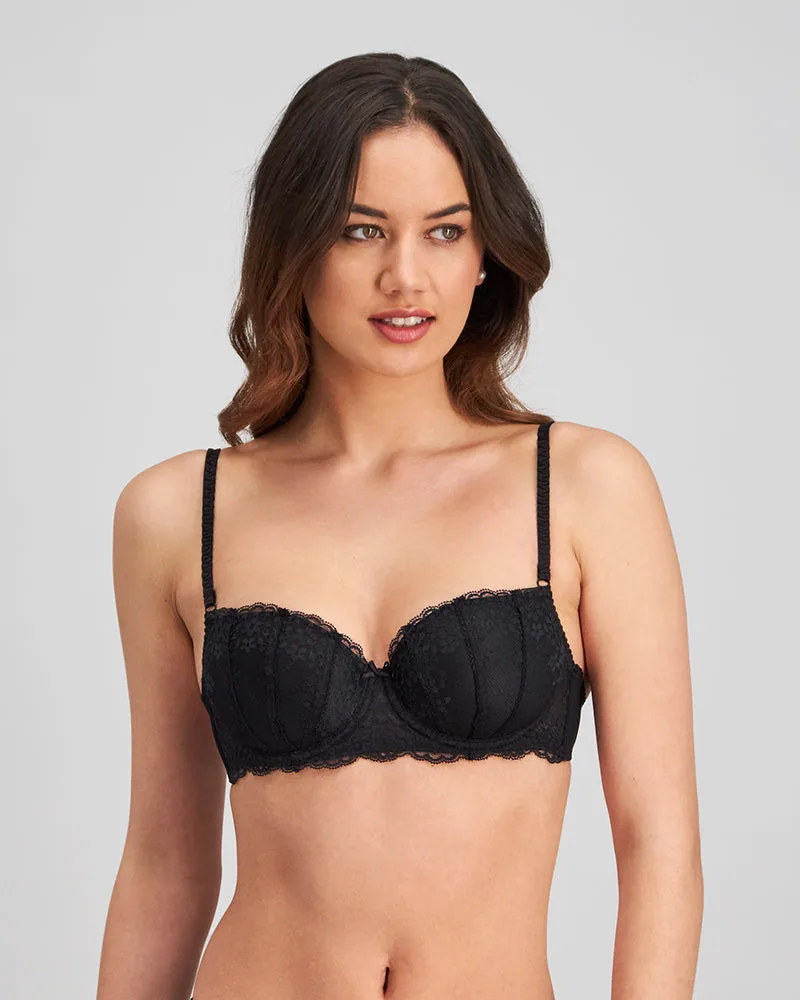
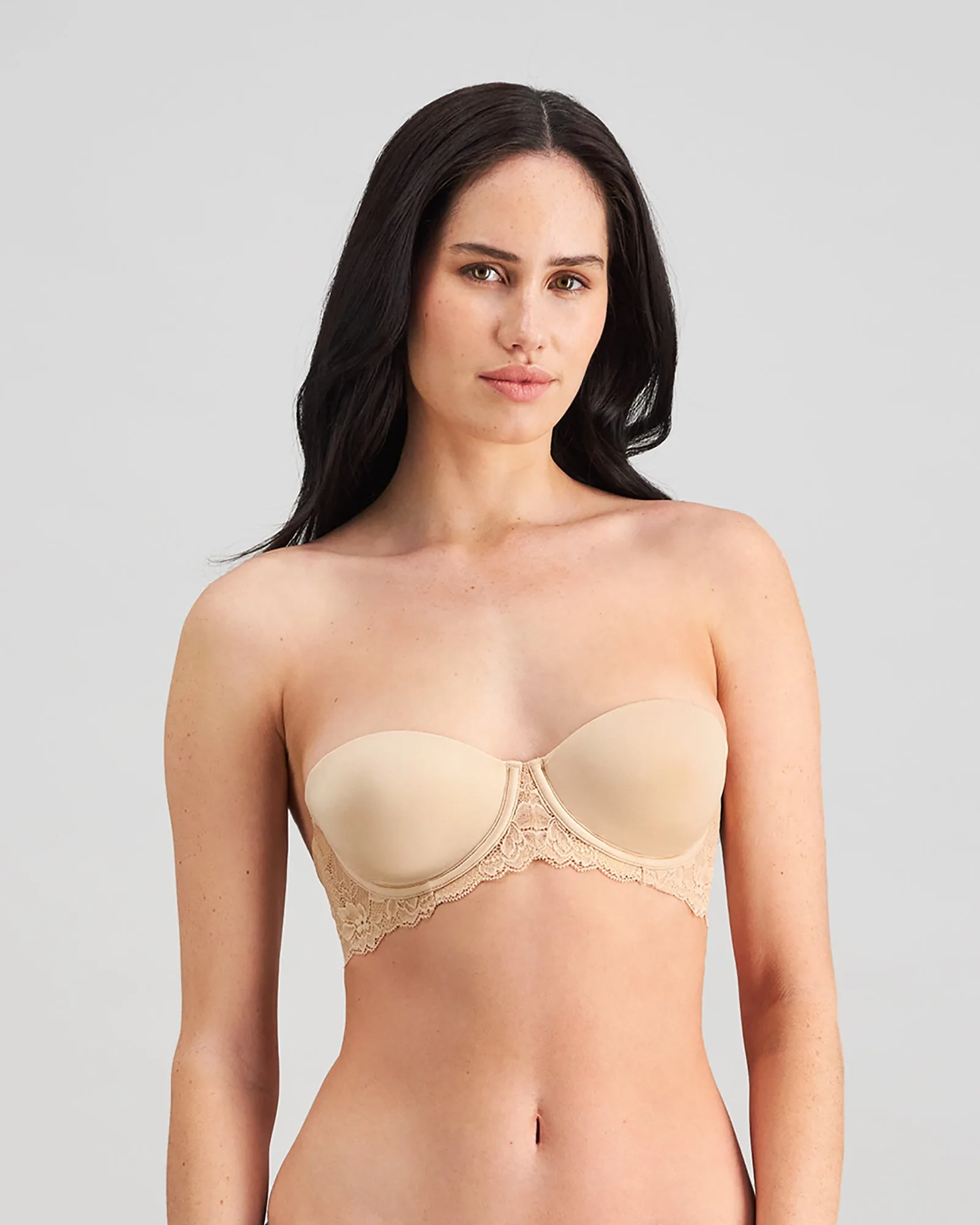
- Bendon Bare Lace Back Strapless Bra: Stretch galloon lace frame and back wings with moulded micro cups for a smooth finish. Mesh lined backs offer the right support for a strapless bra. Wide elastic runs along the top edge of the wing. The wide elastic and mesh-lined back provide firm support without digging, making it a good option if you need a secure band that stays put.
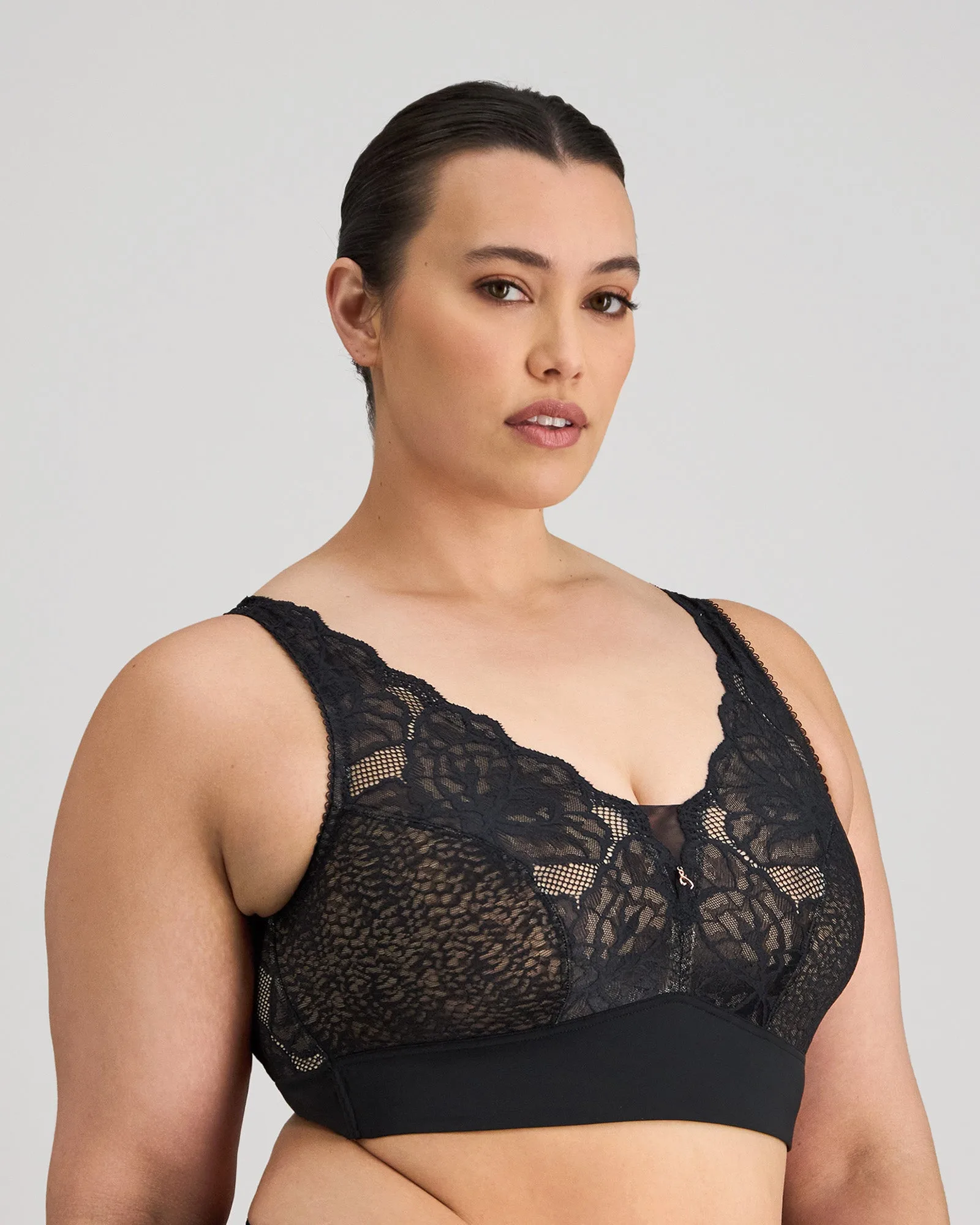
- Midnight Express Wire Free Bra - Black: 2 piece cup that offers full support and coverage without the need for a wire. Reinforced bottom cups provide additional support and modesty. Smooth stretch fabric covers the underband. The wire-free design and smooth stretch underband can be gentler on your ribcage if you find underwire bands too tight or uncomfortable.
- Sofia Lace Contour Bra: Refined fit and support from light moulded cups and wires. Adjustable straps and adjustable back closure. Adjustable back closure lets you fine-tune the band tension as the bra stretches, helping you get a snug fit without pressure.
A bra band that fits correctly should feel snug but not restrictive, stay level all day, and let you breathe easily. Use the two-finger test and the symptoms above to diagnose tightness or looseness, then adjust your size or style. When you find the right band, you'll notice less adjusting and more comfort.