Quick answer
To confirm a Japanese Pokemon booster box is sealed, inspect the factory shrink wrap for tight, even tension and a clean seam, check for original printing and logos, and look for any signs of resealing such as wrinkles, tape, or a loose fit. A genuine sealed box should feel firm with no gaps, and the wrap should not slide off easily. If any step fails, treat the box as unsealed or resealed.
What factory sealing looks like on a Japanese Pokemon box
Japanese Pokemon booster boxes are sealed in thin, clear plastic that is heat-shrunk tightly around the box. The wrap should be smooth, with no loose folds or air pockets, and it should cling to the corners without tearing. The seam is typically a clean, narrow line, often on the bottom or side, and may have a small, neat overlap. Original boxes often have a faint, consistent print or logo on the plastic, though not all releases do. If the plastic looks cloudy, overly thick, or has a strong chemical smell, it may have been re-wrapped.
How to check the seal step by step
Start by running your fingers along the edges of the box. The wrap should feel tight and resist lifting. Look for any tape, glue residue, or double layers of plastic, which are common signs of resealing. Next, check the corners: factory wrap usually has crisp, even folds, while a resealed box may have bunched or uneven plastic. Finally, gently press the center of the box face; a sealed box will feel firm, while an unsealed or loosely wrapped box may flex or have a gap between the wrap and the box.
Authenticity checks beyond the seal
A tight seal alone does not guarantee authenticity. Check the box printing for sharp, consistent text and logos. Japanese boxes often have a specific font and layout; blurry or misaligned printing is a red flag. Look for the official Pokemon logo and any copyright text, which should be clear and correctly spelled. If the box includes a shrink wrap with a logo, ensure it matches the official design. Also, compare the box dimensions and weight to known specifications if available; a significantly lighter or heavier box may indicate missing packs or added weight.
Common resealing tricks and how to spot them
Resellers sometimes use a hair dryer or heat gun to shrink new plastic over an opened box. This can leave a slightly melted or wavy texture, especially near the seam. Another trick is to slit the original wrap along an edge, remove contents, and then tape it closed; look for a line of clear tape that does not match the factory seam. Some resealed boxes have a loose wrap that slides off when you tilt the box. If the wrap moves independently of the box, it is likely not factory sealed.
When to buy a sealed box and when to avoid it
If you plan to keep the box sealed for collection or resale, buy only from reputable sellers who provide clear photos of the seal and disclose any damage. For opening, a sealed box is still preferred, but a damaged seal may be acceptable if the price reflects it. Avoid boxes with obvious resealing signs unless you are buying for the cards alone and the seller guarantees the contents. Remember that even a sealed box can have manufacturing defects, so check the return policy before purchasing.
Your 5-step seal verification checklist
- Inspect the shrink wrap tension: Run your fingers along the edges. The wrap should be tight and smooth, with no loose folds or air pockets. If it slides or lifts easily, it may be resealed. Checkpoint: Tight, even tension across the entire box.
- Examine the seam and corners: Look for a clean, narrow seam, usually on the bottom or side. Corners should have crisp, even folds. Wavy or bunched plastic suggests re-wrapping. Checkpoint: Seam is neat and consistent, not taped or glued.
- Check for printing and logos on the wrap: Some Japanese boxes have a faint logo or text printed on the plastic. Ensure it matches the official design and is not blurry or misaligned. Checkpoint: Any printing is sharp and correctly placed.
- Press the box face for firmness: A sealed box should feel firm with no gap between the wrap and the box. If the wrap flexes or separates, it may be loose or resealed. Checkpoint: No movement between wrap and box.
- Look for resealing signs: Check for tape, glue residue, double layers of plastic, or a melted texture from heat. These are common resealing indicators. Checkpoint: No tape, glue, or melted plastic.
Examples from our catalog
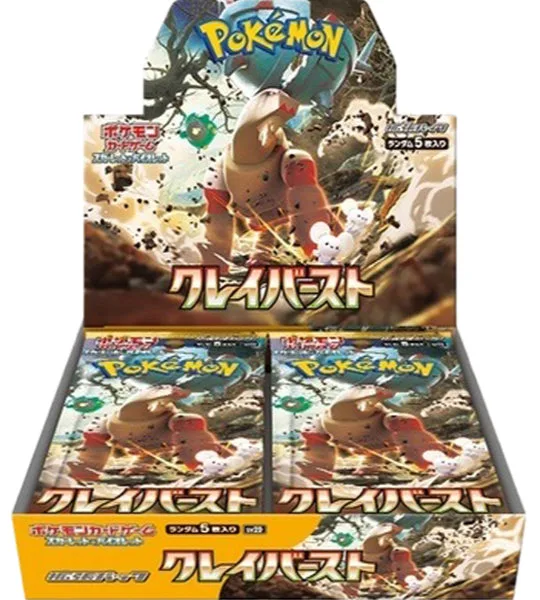
- 【Pokemon Card】Mega Symphonia (M1S) Japanese Booster Box - Without Shrink: Mega Symphonia (M1S) Japanese Booster Box - Without Shrink This box is sold without factory shrink wrap, so you cannot verify a seal. It is best for opening or if you trust the seller's condition description.
- 【Pokemon Card】Star Birth (S9) Japanese Booster Box - With Shrink: Star Birth (S9) Japanese Booster Box - With Shrink This box comes with factory shrink wrap, allowing you to perform the seal checks described in this guide before opening or storing.
- 【Pokemon Card】Mega Dream ex (M2a) Japanese Booster Box - damaged: Mega Dream ex (M2a) Japanese Booster Box - damaged This box has a minor dent on the outer box, which may affect the seal integrity. Inspect the shrink wrap carefully for tears or loosening around the damage.