Quick answer
Start with the Lace Blindfold on and the Heart Nipple Ties adjusted loosely, then add sensation in short rounds. Check in every few minutes, keep a quick-release option within reach, and stop at the first sign of numbness or sharp pain.
Set up the room before the blindfold goes on
Do the practical work first: clear the floor, set water within reach, agree on a stop word, and decide how long the first round will last. Once the Lace Blindfold is on, your partner loses visual cues, so anything you need should already be in place. Keep the Heart Nipple Ties nearby but not yet applied.
How to fit nipple ties without overshooting pressure
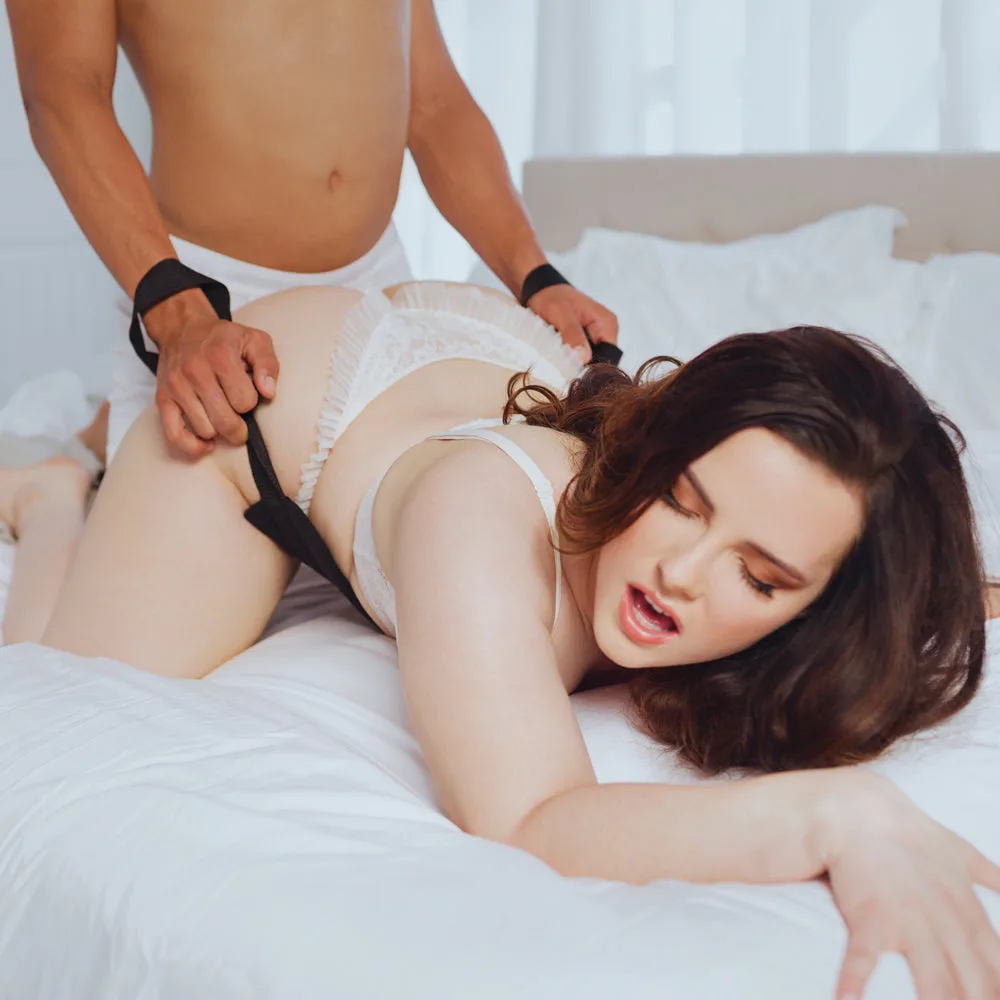
Heart Nipple Ties use supple faux leather with a heart design. Start looser than you think you need, because pressure that feels mild at first can become uncomfortable after a few minutes. Adjust one side at a time and ask your partner to describe the feeling as snug, not pinching. If the ties have no supplied size options, treat fit as adjustable-by-tension only and stop tightening once the tie stays in place.
Layer sensations in a predictable order
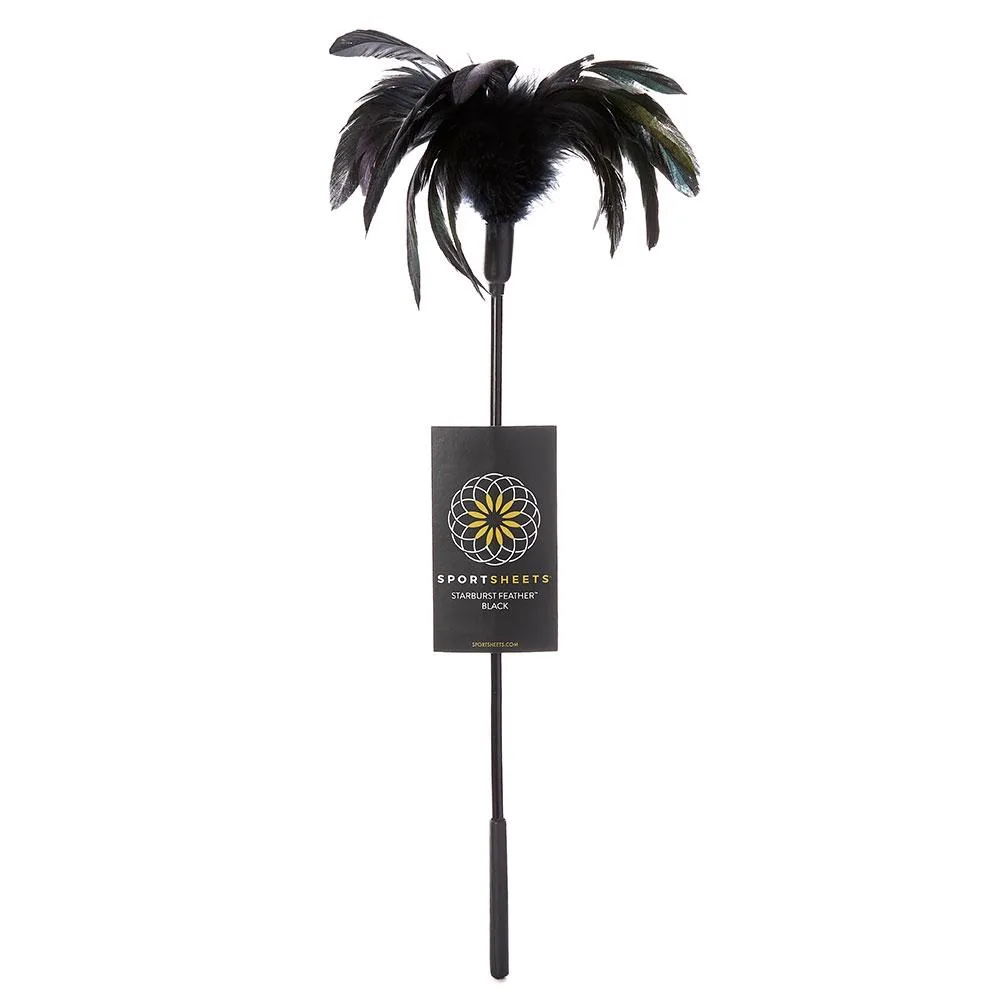
With sight removed, touch, sound, and anticipation carry the experience. Move from light to firm: fingertips, then a feather or soft fabric, then firmer pressure. Keep each round under a few minutes before checking in. The goal is to let your partner track what is happening, not to overwhelm them with changes.
Check circulation and comfort on a timer
Set a quiet timer or watch the clock. Every few minutes, ask about tingling, numbness, or color changes around the nipple area. If anything feels off, remove the ties immediately. The Lace Blindfold can stay on while you adjust, but say what you are doing before you touch the ties.
Clean up and store for next time
Remove the Heart Nipple Ties first, then the Lace Blindfold. Wipe the ties with a soft cloth and store them flat so the faux leather does not crease. Check the lace for pulls before putting it away. A two-minute cleanup keeps both pieces ready for the next session.
Beginner sensation play steps
- Agree on a stop word and a check-in signal: Choose a word that is easy to say and a physical signal, such as tapping twice, in case speaking is difficult. Checkpoint: both partners can repeat the stop word before the blindfold goes on.
- Apply the Lace Blindfold and confirm comfort: Place the double straps so they sit securely without pressing on the eyes. Ask your partner to nod when it feels stable. Common mistake: tightening the blindfold so much that it causes pressure headaches.
- Fit the Heart Nipple Ties loose, then adjust one side at a time: Start with minimal tension, ask for a snug-not-pinching report, and tighten only until the tie stays in place. Checkpoint: if the skin changes color or your partner feels tingling, loosen or remove immediately.
- Run a short first round of light-to-firm touch: Begin with fingertips, move to soft fabric, then add firmer pressure. Keep the round to a few minutes. Common mistake: changing too many sensations too fast, which makes it hard to tell what feels good.
- Pause and check circulation every few minutes: Ask about numbness, tingling, or sharp pain. Remove the ties at the first sign of any of these. Checkpoint: circulation checks are not optional, even if everything feels fine.
- Remove ties first, then the blindfold, and debrief: Take off the Heart Nipple Ties, then the Lace Blindfold. Ask what worked and what to change next time. Next step: store both pieces flat and clean so they are ready for the next session.
Product facts
- Heart Nipple Ties: Heart Nipple Ties are made of supple faux leather with a heart design and are described as adjustable for teasing, tantalizing, or adornment. The adjustable tension lets a beginner start loose and tighten gradually, which is safer than choosing a fixed-pressure accessory.
- Lace Blindfold: Lace Blindfold blocks sight to heighten touch, sound, and anticipation; it uses soft fine lace and double straps for security. The double straps keep the blindfold in place during movement, so you are not distracted by readjusting it mid-scene.