Quick answer
Start by fitting a snug but comfortable life jacket, then introduce your dog to shallow water while wearing it. Gradually increase depth and duration as your dog builds confidence, always supervising closely.
Why a life jacket matters for first-time swimmers
Even strong swimmers can tire quickly in open water. A life jacket provides buoyancy and visibility, making the first swimming experience safer and less stressful. It also gives you a handle to guide your dog if needed.
Common mistakes to avoid
Never throw your dog into the water expecting them to swim. This can cause panic and create a lasting fear. Also, avoid using a life jacket that is too loose or too tight—check that it fits snugly without restricting movement.
5 steps to train your dog to swim with a life jacket
- Fit the life jacket correctly: Put the jacket on your dog at home and adjust all straps so it is snug but not tight. You should be able to slide two fingers under the straps. Let your dog wear it for a few minutes to get used to the feel. Check that the jacket does not ride up or twist when your dog moves.
- Introduce the jacket near water: Take your dog to a calm, shallow area like a beach edge or a kiddie pool. Let them walk around with the jacket on, getting comfortable with the buoyancy. Reward calm behavior with treats. If your dog tries to remove the jacket, distract them with play or treats.
- Start in shallow water: Walk with your dog into water that is just deep enough to cover their paws. Encourage them to splash and play. Gradually move to water that reaches their chest, still keeping all four paws on the ground. Never force your dog deeper than they are willing to go.
- Support paddling practice: Once your dog is comfortable in chest-deep water, gently support their belly and let their back legs paddle. The life jacket will keep them afloat, so you only need to guide. Praise and reward every paddle attempt. Keep sessions short—5 to 10 minutes is enough for the first few times.
- Gradually increase depth and distance: Over several sessions, move to slightly deeper water where your dog must paddle to stay afloat. Use a long leash (like the EzyDog extension) to give them freedom while you stay close. Always end on a positive note with treats and play. Watch for signs of fatigue: heavy panting, droopy tail, or reluctance to paddle. Take a break immediately.
Gear that helps
-
Standard Extensions: Use our EzyDog leash extensions to lengthen one dog leash or use two as a coupler for tangle-free dog walking. A longer leash gives your dog more freedom to explore the water while you maintain control during the early training stages.
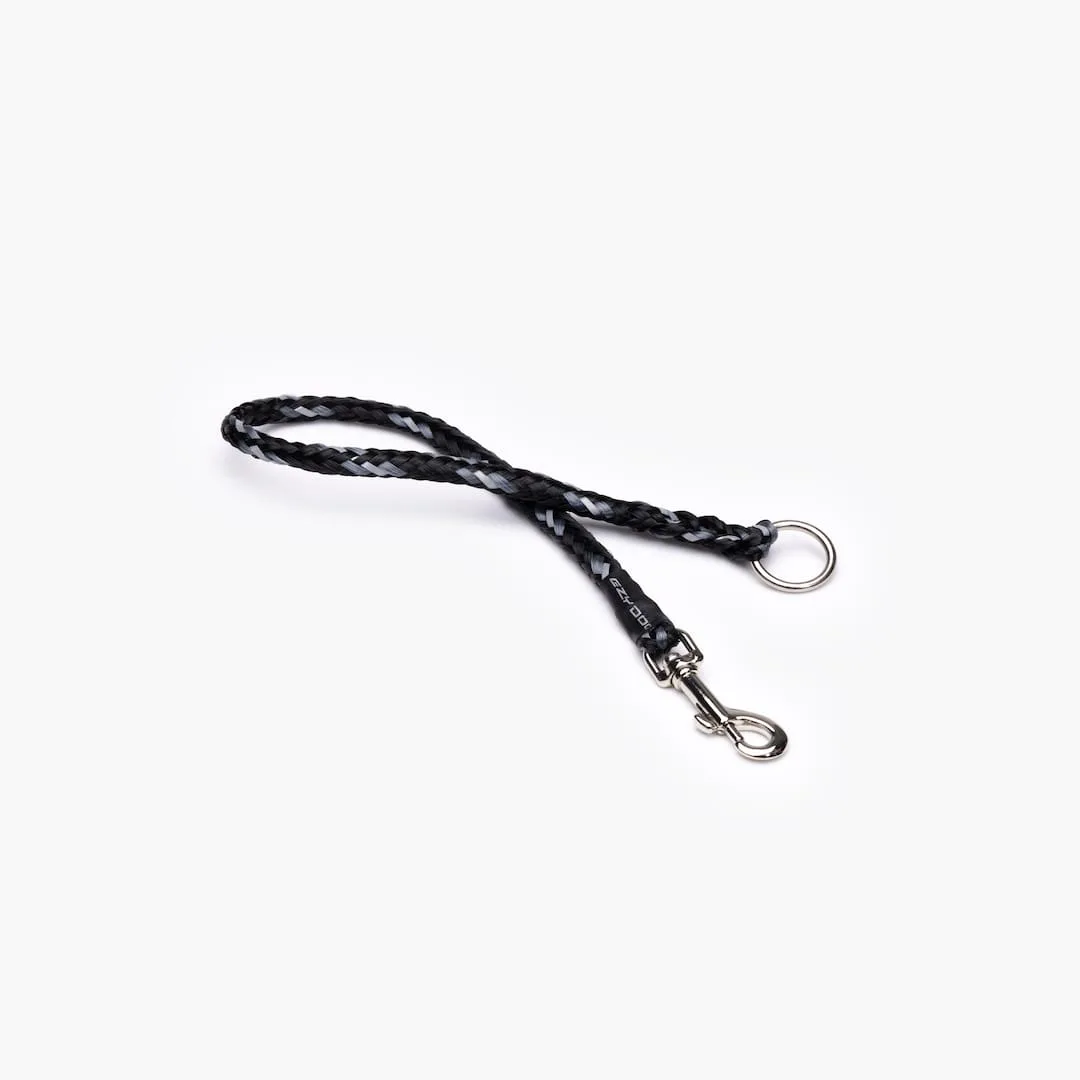
Standard Extensions