Quick answer
Start the transition the moment your baby shows the first signs of rolling, or by the time they can push up on their hands—whichever comes first. At that point, stop swaddling for sleep and move to a sleep bag with both arms free, because a swaddled baby who rolls face-down cannot push back over. Do it in one deliberate switch rather than dragging it out, and expect two to four nights of adjusted sleep while your baby gets used to the freedom.
Why the rolling milestone, not the calendar, sets your deadline
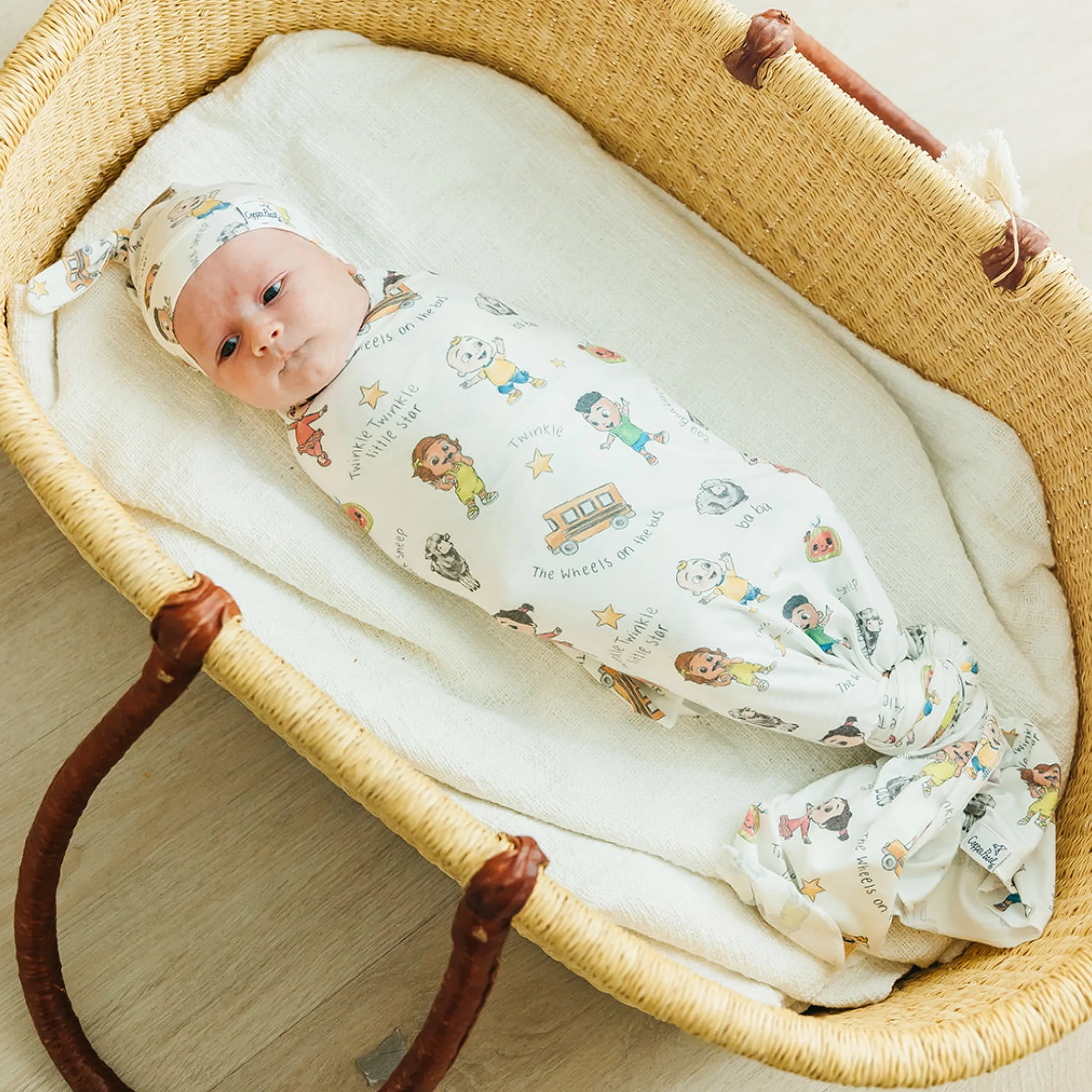
Many parents wait for a specific age to stop swaddling, but the real trigger is mobility. A baby who can roll onto their stomach while swaddled is at risk because the swaddle keeps their arms pinned, so they can't use their hands to lift or turn their head clear of the mattress. Some babies roll earlier than the typical window, and some roll later, so watch your baby rather than counting weeks. If you use a wearable blanket or sleep bag after the swaddle, choose one that lets both arms move freely so your baby can use their hands to reposition. If you're unsure whether your baby is close to rolling, ask your pediatric provider at the next visit and treat any first roll—even one—as your signal to stop swaddling for sleep.
Set up the sleep space before you change the sleepwear
The transition is easier when the only thing that changes is what your baby wears. Before the first unswaddled night, remove loose blankets, pillows, bumper pads, and any extra bedding from the crib, and use a firm mattress with a fitted sheet. A sleep bag is designed as a safer alternative to loose blankets because it stays on the body and doesn't end up over the face. Check the room temperature and dress your baby in a base layer that matches it, since the sleep bag adds warmth. If the room runs warm, a lighter base layer plus a sleep bag is easier to adjust than a heavy swaddle plus blankets.
Pick a sleep bag by size and TOG, not by pattern
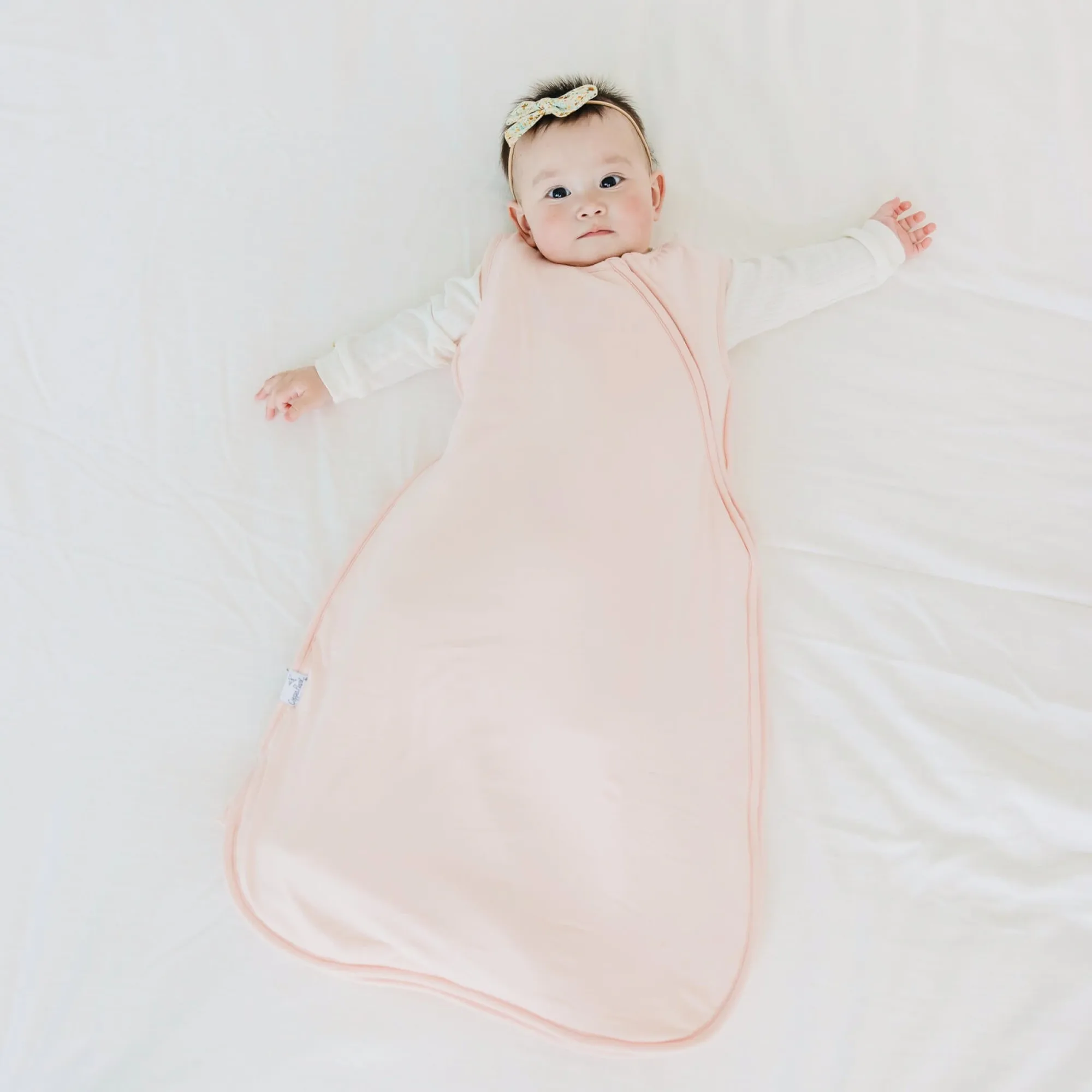
Two specs do the real work: size and TOG. Size determines whether the neck opening and armholes sit close enough to stay in place without being tight, and TOG indicates how much warmth the bag adds. A bag that's too large can ride up, and one that's too small restricts movement. Check the product's size chart and available TOG options rather than guessing, and size up only when your baby is within the next size's range. Print and theme matter for photos, but they won't keep your baby comfortable—fit and warmth will. If a product page doesn't list a spec you need, treat that as a gap to confirm with the brand before you buy rather than assuming.
Make the first nights easier with a consistent routine
Keep the rest of the bedtime routine identical: same bath, same feed timing, same dim light, same order of steps. The sleep bag becomes the new final cue—zip it on where the swaddle used to go, then put your baby down drowsy but awake if that's your usual pattern. If your baby startles awake more often in the first nights, that's expected while the moro reflex fades; give it a few nights before changing anything else. Avoid adding a second new variable, like a new bedtime or a new room, in the same week.
Keep the transition going during naps and travel
Use the sleep bag for naps too, so the association isn't only for nighttime. If you're traveling, bring the same sleep bag and check that the portable sleep space is flat and free of loose bedding. A sleep bag also packs more predictably than a swaddle, since there's no wrapping technique to relearn in a different room. If your baby is between sizes, a slightly roomier bag is usually more forgiving than a tight swaddle, but confirm the neck opening still fits snugly.
Step-by-step swaddle exit
- Step 1: Confirm the rolling milestone: Watch for any roll from back to side or back to front, or for pushing up on hands during tummy time. That is your cue to stop swaddling for sleep, even if it happens earlier than you expected. Checkpoint: if you have seen even one roll, stop swaddling tonight rather than waiting for a repeat.
- Step 2: Choose the right sleep bag size and TOG: Measure your baby's weight and height against the size chart, then pick the TOG that matches your room temperature. A bag that is too large can ride up; one that is too small restricts movement. Checkpoint: the neck opening should sit close without pressing on the skin, and both arms should move freely.
- Step 3: Switch cold turkey for one sleep: Put the sleep bag on in place of the swaddle for the first sleep of the night. Keep the rest of the routine the same—same bath, feed, and light—so the sleep bag is the only change. Checkpoint: if you are tempted to swaddle 'just for one more night,' remember that a swaddled roller cannot use their arms to roll back.
- Step 4: Hold the new routine for three to four nights: Expect more startles and brief wake-ups while the moro reflex fades. Respond with your usual soothing—patting, shushing, a pacifier if you use one—rather than reintroducing the swaddle. Checkpoint: most babies settle into the sleep bag within a few nights; if sleep is still disrupted after a week, check room temperature and TOG before changing anything else.
- Step 5: Use the sleep bag for naps and travel too: Put your baby in the sleep bag for daytime naps so the association is consistent. When you travel, bring the same bag and confirm the sleep surface is flat and free of loose blankets. Checkpoint: a sleep bag that stays on the body is easier to keep consistent than a swaddle you have to re-wrap in an unfamiliar room.
Products that fit this transition
- Sleep Bag - Enchanted Friends: Three-layer sleep bag made with premium knit fabric, ultra-soft and breathable with a hint of stretch, and a plush fill; available in Size and TOG options. The breathable knit and stretch help a newly unswaddled baby move their arms and legs without feeling restricted, while the TOG option lets you match warmth to the room instead of guessing.
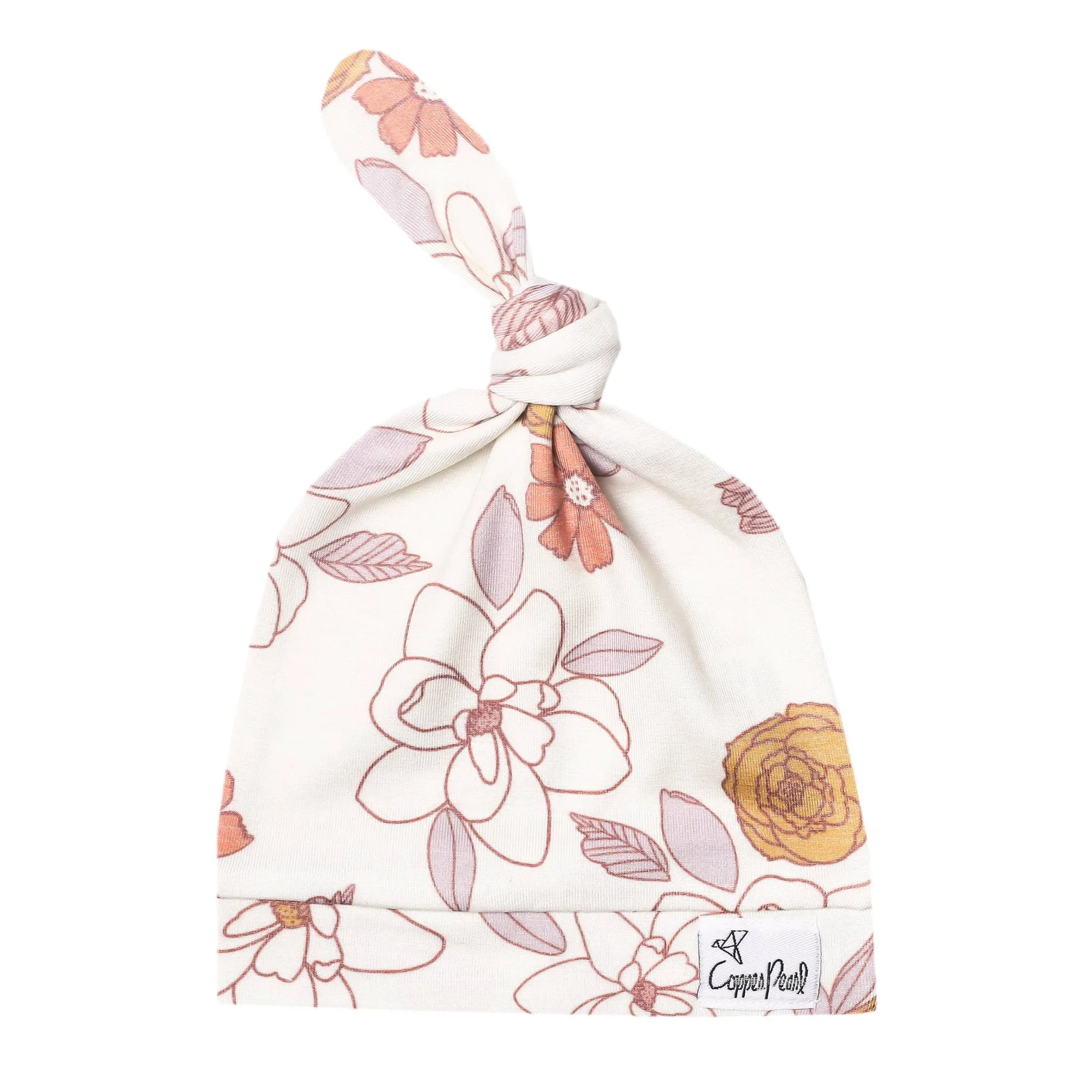
- Top Knot Hat - Super Grover: Top knot hat made with premium stretchy, ultra-soft, breathable fabric; available in 0-4 months with an adjustable knot and 5-18 months. Once arms are free, a hat with an adjustable knot can be part of the same cozy bedtime cue, and the two sizes cover the newborn-to-toddler stretch of the transition.