Swaddling is one of the most effective ways to soothe newborns, mimicking the cozy confines of the womb and reducing the startle reflex. But as your baby grows, there comes a time when the swaddle must be retired—usually around 2 to 4 months, when rolling over becomes a possibility. The transition from swaddle to sleep sack can feel daunting for parents, especially when sleep is already precious. Fortunately, with the right timing, technique, and tools, you can make this change smooth and safe.
In this guide, we’ll walk you through when to start the transition, how to do it gradually, and what products can help your little one sleep soundly in a new sleep environment. We’ll also share tips for handling common hiccups, so you and your baby can enjoy restful nights again.
When to Start the Swaddle-to-Sleep Sack Transition
The American Academy of Pediatrics recommends stopping swaddling as soon as your baby shows signs of rolling over—typically between 2 and 4 months. Rolling while swaddled increases the risk of Sudden Infant Death Syndrome (SIDS) and suffocation. Even if your baby hasn’t rolled yet, many pediatricians advise transitioning by 8 weeks or when the Moro reflex begins to fade. You’ll know it’s time when your baby consistently breaks free from the swaddle, seems frustrated by its restriction, or starts sleeping better with arms free.
Every baby is different, so watch for cues rather than a strict calendar date. Some babies adjust quickly, while others need a more gradual approach. The key is to plan the transition during a period when your baby isn’t sick, teething, or facing other major changes (like starting daycare). A calm, predictable routine will make the switch easier for both of you.
- Look for rolling attempts during tummy time or in the crib.
- Notice if your baby is waking up with arms out of the swaddle.
- Consider starting the transition before the 4-month sleep regression hits.
Step-by-Step Transition Methods That Work
There are several proven ways to move from swaddle to sleep sack. The most popular is the one-arm-out method: for a few nights, leave one arm free while swaddling the other, then switch arms, and finally move both arms out. This gradual approach helps babies adjust to the sensation of freedom without feeling overwhelmed. Another option is the cold-turkey method, which works best for babies who are already strong sleepers—simply switch directly to a sleep sack and expect a few restless nights.
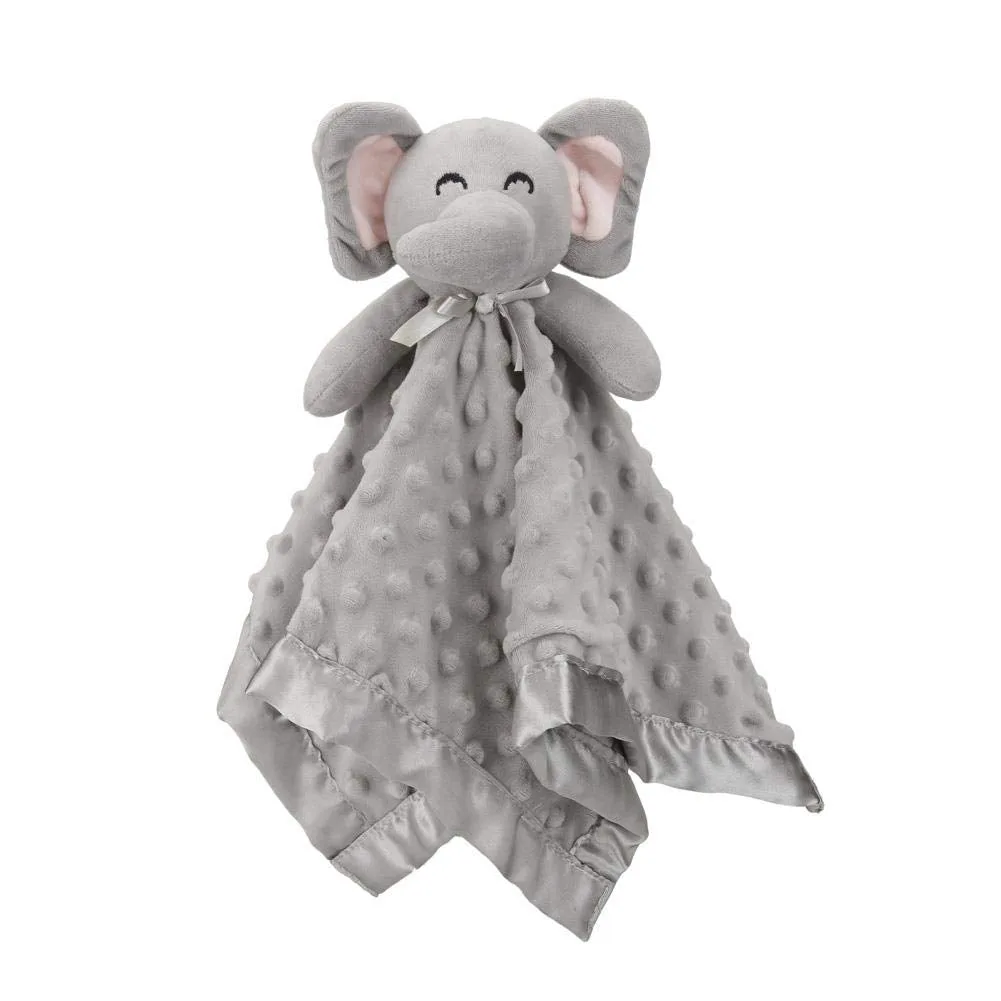
A third method involves using a transitional product like a zip-up sleep sack with adjustable arm openings or a weighted sleep sack that mimics the gentle pressure of a swaddle. For example, the Tushbaby Safety-Certified Hip Seat Baby Carrier isn’t a sleep product, but its ergonomic design reminds us that comfort and safety go hand in hand during all baby care routines. Similarly, a soft, familiar lovey like the Pro Goleem Elephant Security Blanket can provide comfort during the transition (always follow safe sleep guidelines—no loose items in the crib for infants under 12 months).
- Start with one arm out for 2-3 nights before switching to both arms free.
- Use a sleep sack that allows for hip-healthy leg movement.
- Maintain a consistent bedtime routine to signal that sleep is coming.
Choosing the Right Sleep Sack for Your Baby
Sleep sacks come in various fabrics, weights, and sizes. For newborns and young infants, look for a sleep sack made of breathable cotton or muslin to prevent overheating. The TOG rating indicates warmth: 0.5 TOG for warm rooms, 1.0 TOG for moderate temperatures, and 2.5 TOG for cooler rooms. Always check the room temperature and dress your baby in appropriate layers underneath. A well-fitted sleep sack should be snug around the chest and arms but roomy enough for the hips and legs to move freely.
You might also consider a sleep sack with removable sleeves or a convertible design that allows you to transition gradually. While you’re shopping for sleep solutions, don’t forget other comfort essentials like the Momcozy Hooded Baby Towel, 2 Pack Baby Bath Towel Set, which makes bath time cozy and helps establish a relaxing pre-sleep routine. A warm bath followed by a gentle massage can work wonders in preparing your baby for the new sleep setup.
- Choose a sleep sack with a zipper that opens from the bottom for easy diaper changes.
- Avoid sleep sacks with hoods or extra padding that could pose a suffocation risk.
- Look for machine-washable fabrics—spit-ups and leaks are inevitable.
Troubleshooting Common Sleep Sack Transition Problems
It’s normal for babies to resist the change initially. You may see more night wakings, fussiness, or difficulty settling. If your baby seems overly upset, try offering extra comfort through rocking, shushing, or a pacifier. Some parents find that placing a warm (not hot) heating pad in the crib for a few minutes before laying the baby down helps—just remove it before placing the baby in the sleep sack. Consistency is crucial; if you revert to swaddling after a few tough nights, you’ll only prolong the transition.
Another common issue is the startle reflex waking the baby. In that case, try a sleep sack with a gentle compression panel or a weighted design (always follow safety guidelines for weighted sleep products). You can also swaddle your baby’s arms loosely for the first few minutes of sleep and then unswaddle once they’re deeply asleep—though this requires you to be awake and monitoring. Over time, most babies adapt within one to two weeks.
- If your baby wakes frequently, check the room temperature—overheating can disrupt sleep.
- Use white noise to mask household sounds that might startle your baby.
- Stay patient—regression is temporary, and consistency pays off.
Transitioning from swaddle to sleep sack is a milestone that signals your baby’s growing independence and mobility. With the right timing, a gradual approach, and a safe, comfortable sleep sack, you can help your little one—and yourself—sleep better. For a soft, comforting companion during this change, consider the Pro Goleem Elephant Security Blanket, which offers gentle reassurance without compromising safety. Explore our collection of baby sleep essentials and find the perfect sleep sack for your family’s needs.