Quick answer
Plan your bridal look transition around three decisions: what you remove, what you add, and when you step away. Most brides keep the ceremony gown and add a cover-up or swap into separates for the reception. Choose pieces you can put on without help, and do a full dress rehearsal before the wedding day.
The moment your ceremony ends, your bridal look has a new job: it needs to move, greet, eat, and dance. A bridal look transition is simply the plan for changing what you wear between the ceremony and the reception so you stay comfortable and true to your style. It does not have to mean a full outfit change.
You can transition with a cover-up, a second look, or a mix of both. The right choice depends on your dress, your venue, and how much time you want to spend away from your guests. This guide walks through the steps in order, with the common mistakes to avoid at each one.
Step 1: Decide what stays and what changes
Start by naming the specific pieces you want to change. Is it the veil, the sleeves, the skirt, or the whole dress? A wedding dress change can be as small as removing a cathedral veil and adding a lace cape, or as big as swapping a ballgown for a short reception dress. Write it down so your planner and seamstress are working from the same list.
A common mistake is deciding to change everything without checking the timeline. If your cocktail hour is only 45 minutes, a full outfit swap will eat most of it. Choose one or two changes that give you the biggest visual shift for the least time.
- Checkpoint: Can you make each change in under 10 minutes with one helper?
- If your ceremony gown has a long train, plan whether it will be bustled or removed for the reception.
Step 2: Choose your reception cover-up or second look
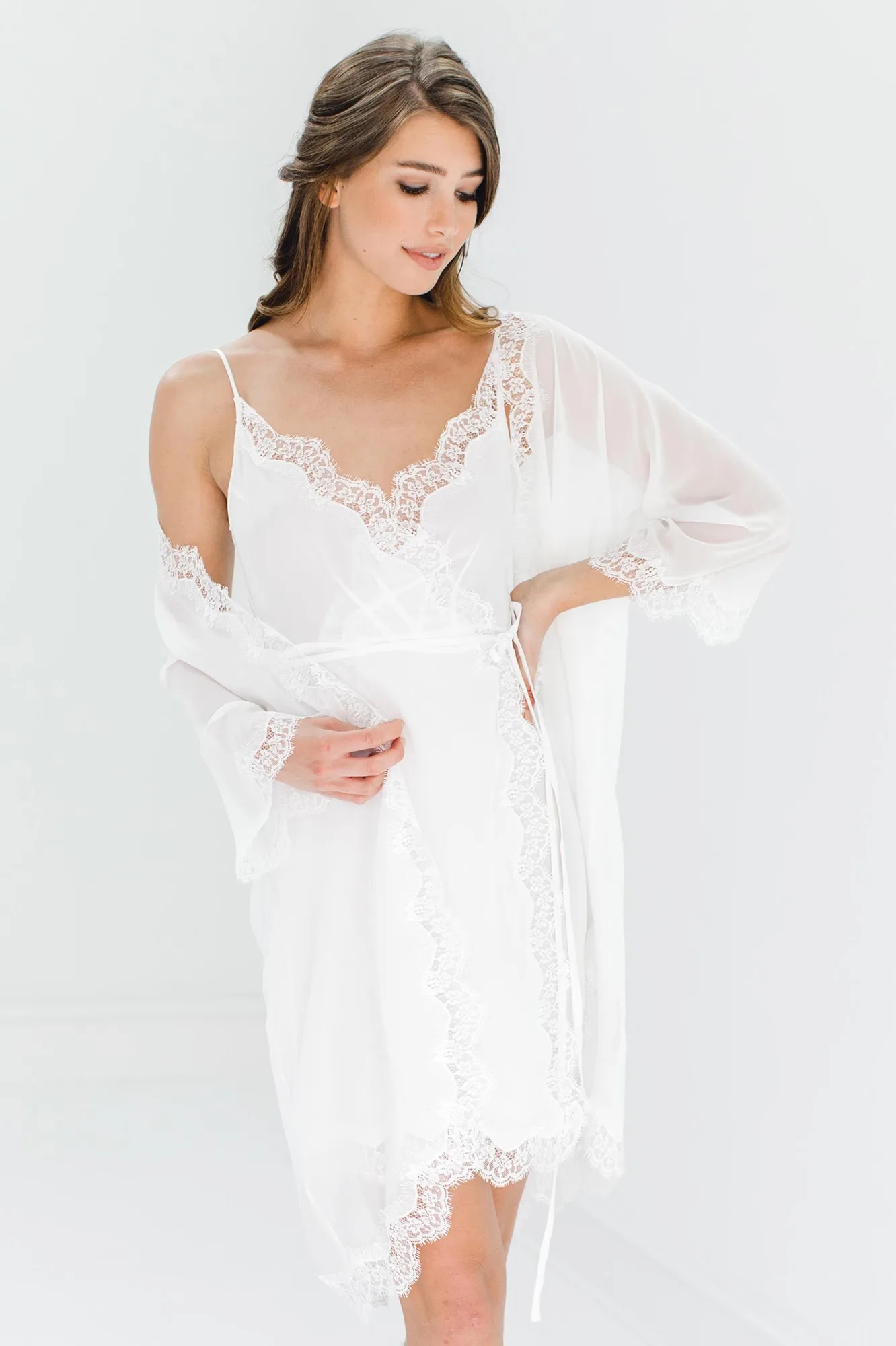
For many brides, the easiest ceremony to reception outfit shift is a cover-up. A lace cape, a bolero, or a robe-style layer adds coverage and changes the silhouette without a full change. This works especially well if your ceremony gown is strapless or has a low back and you want a softer, more covered look for dinner.
If you want a more dramatic change, bridal separates are a strong option. A lace top and a skirt let you swap one piece while keeping the other, so you get a new look without starting from scratch. The key is to pick pieces that share a color story with your ceremony gown so the transition feels intentional, not like two unrelated outfits.
- A cover-up should be easy to put on over your gown without pulling at your hair or makeup.
- If you choose separates, make sure the top and skirt overlap at the waist so no gap shows when you move.
Step 3: Plan the timing and location of the change
The best time to transition is usually right after your ceremony photos and before you enter the reception. That gives you a natural break while guests move to the cocktail area. Tell your photographer and planner exactly when and where the change will happen so no one is searching for you.
A common mistake is trying to change in a bathroom or a crowded suite. Ask your venue for a private room with a mirror, good light, and a place to hang your ceremony gown. If you are changing into a second look, have it steamed and laid out before the ceremony starts.
- Checkpoint: Build 15 minutes of buffer into the timeline for the change and a quick touch-up.
- Pack a small kit with blotting papers, lipstick, and a lint roller in the changing room.
Step 4: Style the transition so it photographs well
A bridal look transition is also a photo moment. If you are adding a cover-up, choose one with a detail that reads from a distance, such as scalloped lace edges or a soft drape. If you are changing into separates, keep the jewelry and hair similar so the two looks feel connected.
Reception look ideas often fail when the second look is too casual for the setting. A lace top and shorts can be perfect for a backyard reception but may feel underdressed in a ballroom. Match the formality of your second look to the venue and the time of day.
- Take one test photo in each look under indoor and outdoor light before the wedding day.
- If your ceremony look includes a veil, decide whether it stays for the reception or comes off with the transition.
Step 5: Rehearse the change before the wedding day
A dress rehearsal is the step most brides skip. Put on your full ceremony look, then practice changing into your reception look with the same person who will help you on the day. Time it. You will quickly see which closures are awkward, which pieces need a helper, and whether your shoes work with both looks.
Use this rehearsal to check comfort too. Sit, bend, and raise your arms in the reception look. If a cover-up slips off your shoulders or a waistband digs in, you still have time to adjust the fit or choose a different piece.
- Checkpoint: If the change takes longer than 15 minutes, simplify it.
- Note any pinning or taping you need and add those supplies to your getting-ready kit.
Your ceremony-to-reception transition checklist
- List your changes: Write down exactly what you will remove, add, or swap. Include the veil, cover-up, shoes, and jewelry. Checkpoint: Keep the list to three items or fewer so the change stays quick.
- Choose your second look: Pick a cover-up or separates that match the formality of your reception and share a color story with your gown. Common mistake: choosing a second look that is too casual for the venue.
- Set the time and place: Schedule the change right after ceremony photos in a private room with a mirror and hanging space. Checkpoint: Tell your photographer and planner the exact location.
- Pack a change kit: Include blotting papers, lipstick, a lint roller, fashion tape, and any pins you need. Keep the kit in the changing room, not in a bag that travels with guests.
- Rehearse the change: Practice with your helper, time it, and test sitting, bending, and raising your arms in the reception look. If it takes more than 15 minutes, simplify the plan.
Pieces that make the transition easier
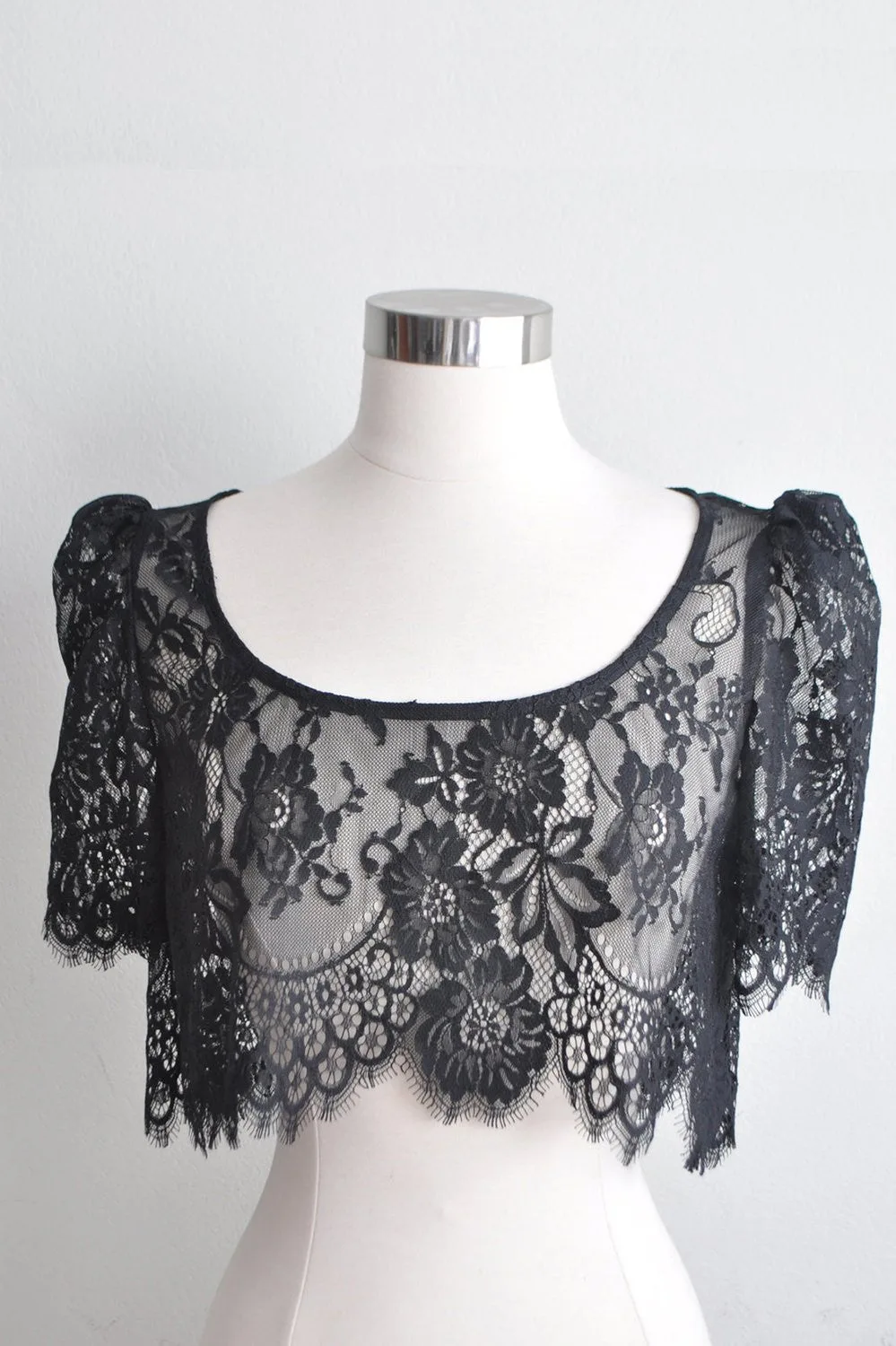
- Swan Queen lace crop top in ivory white or black.: Scoop neck lace crop top handmade in Chantilly lace with a breathtaking floral design. Features scalloped edges at hem and cuffs with subtle puffed short sleeves. Ivory is unlined and available with nude silk lined front; black is unlined. A lace crop top gives you a second look that still feels bridal. The lined ivory option offers more coverage for a ceremony-to-reception change, while the unlined version is lighter for dancing.
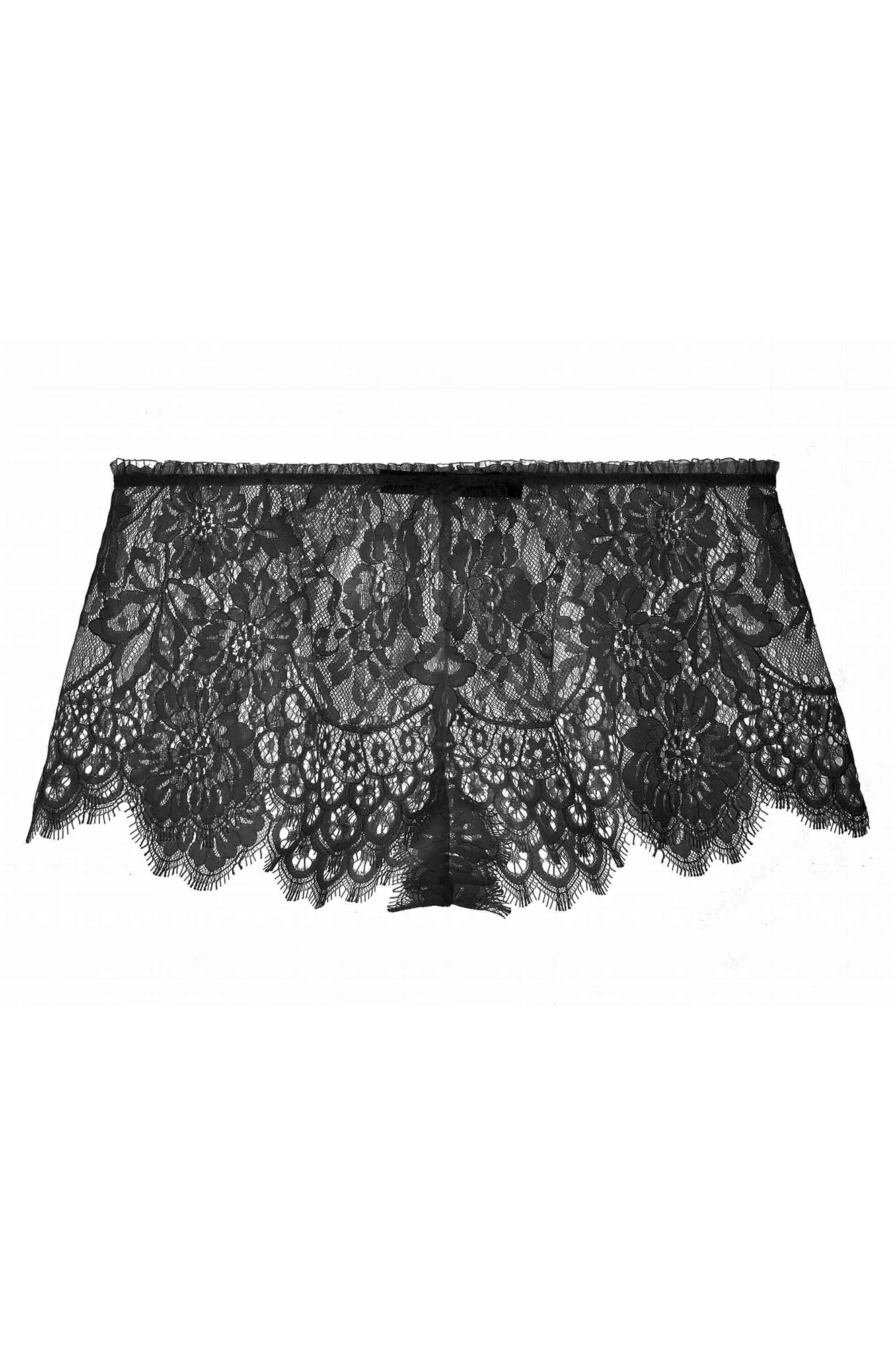
- Swan Queen Scalloped lace shorties shorts in Black: Flirty and feminine shorties featuring the exquisite floral French lace from our Swan Queen collection. Cut in a flattering silhouette with scallop edges and intricate lace flowers, finished with a soft organza ruffle stretch waist for comfort. Available in Black and Ivory. True to size. Handmade in the USA. These shorts work as a bridal separates reception piece when paired with a lace top. The stretch waist keeps you comfortable through dinner and dancing, and the scalloped edges match the lace top for a coordinated look.
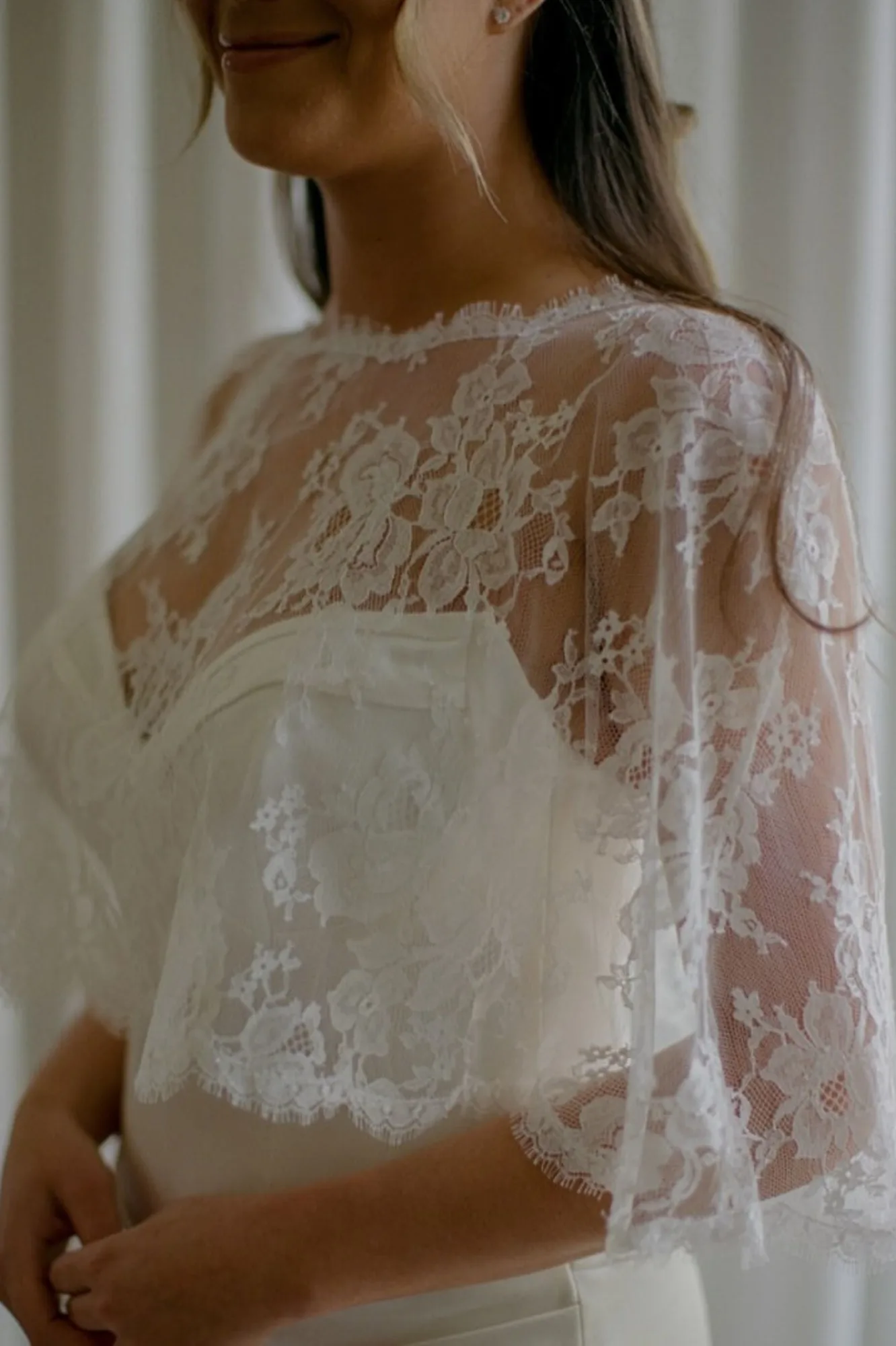
- Carly French lace Cape In Ivory: Our Carli cape is made of soft French lace cascading around your shoulder. The perfect companion for a slip wedding gown or a strapless dress. Available in Ivory and Black. One size. Part of our Couture Collection. Handmade in the USA from the finest European textiles. A lace cape is one of the fastest ways to change your look without leaving the room. It adds coverage over a strapless gown and creates a soft, romantic silhouette for reception photos.
A smooth bridal look transition comes down to planning, not luck. Decide what changes, choose pieces that work together, rehearse the swap, and give yourself a buffer. Do that, and you will walk into your reception looking like the best version of your bridal self, ready to enjoy the party.