Quick Answer
To transition from conventional to natural hair dye, start by assessing your hair's condition and choosing a plant-based, ammonia-free formula. Gradually blend your new color with your existing shade, and switch to sulfate-free, nourishing hair care products to maintain results.
Why Switch to Natural Hair Dye?
Conventional hair dyes often contain ammonia, peroxide, and synthetic fragrances that can strip hair and irritate the scalp. Natural alternatives use plant-based pigments and gentler ingredients, reducing the risk of damage and allergic reactions. For many, the shift also aligns with a broader move toward cleaner beauty routines.
Prepping Your Hair for the Transition
Before applying any new color, give your hair a break from chemical treatments for at least two weeks. Use a deep-conditioning mask or a nourishing conditioner to restore moisture. Avoid washing your hair 24 to 48 hours before dyeing to allow natural oils to protect your scalp.
Steps to Transition to Natural Hair Dye
- Assess your current hair health and color: Check if your hair is dry, damaged, or overly processed. If it is, postpone dyeing and focus on deep conditioning for a few weeks. Note your current shade so you can choose a natural dye that blends well. Common mistake: Applying natural dye over very damaged hair can lead to uneven color. Wait until your hair feels healthy.
- Choose a plant-based, ammonia-free hair dye: Look for products labeled as plant-based, ammonia-free, and low in peroxide. These are gentler on the scalp and hair. Consider semi-permanent options first—they fade gradually, making the transition less dramatic. Checkpoint: Read the ingredient list. Avoid any dye with PPD (paraphenylenediamine) if you have sensitive skin.
- Perform a patch test and strand test: Apply a small amount of dye behind your ear or on your inner elbow 48 hours before full application. Then, test the color on a hidden strand to see how it takes on your hair type and current shade. Common mistake: Skipping the strand test can result in unexpected color. Natural dyes often react differently on previously dyed hair.
- Apply the natural dye and process correctly: Follow the manufacturer's instructions carefully. Natural dyes may require longer processing times (30–60 minutes) and heat to open the cuticle. Rinse with cool water until it runs clear, then follow with a gentle conditioner. Checkpoint: Do not shampoo immediately after dyeing—this can strip the fresh color. Use a sulfate-free shampoo for future washes.
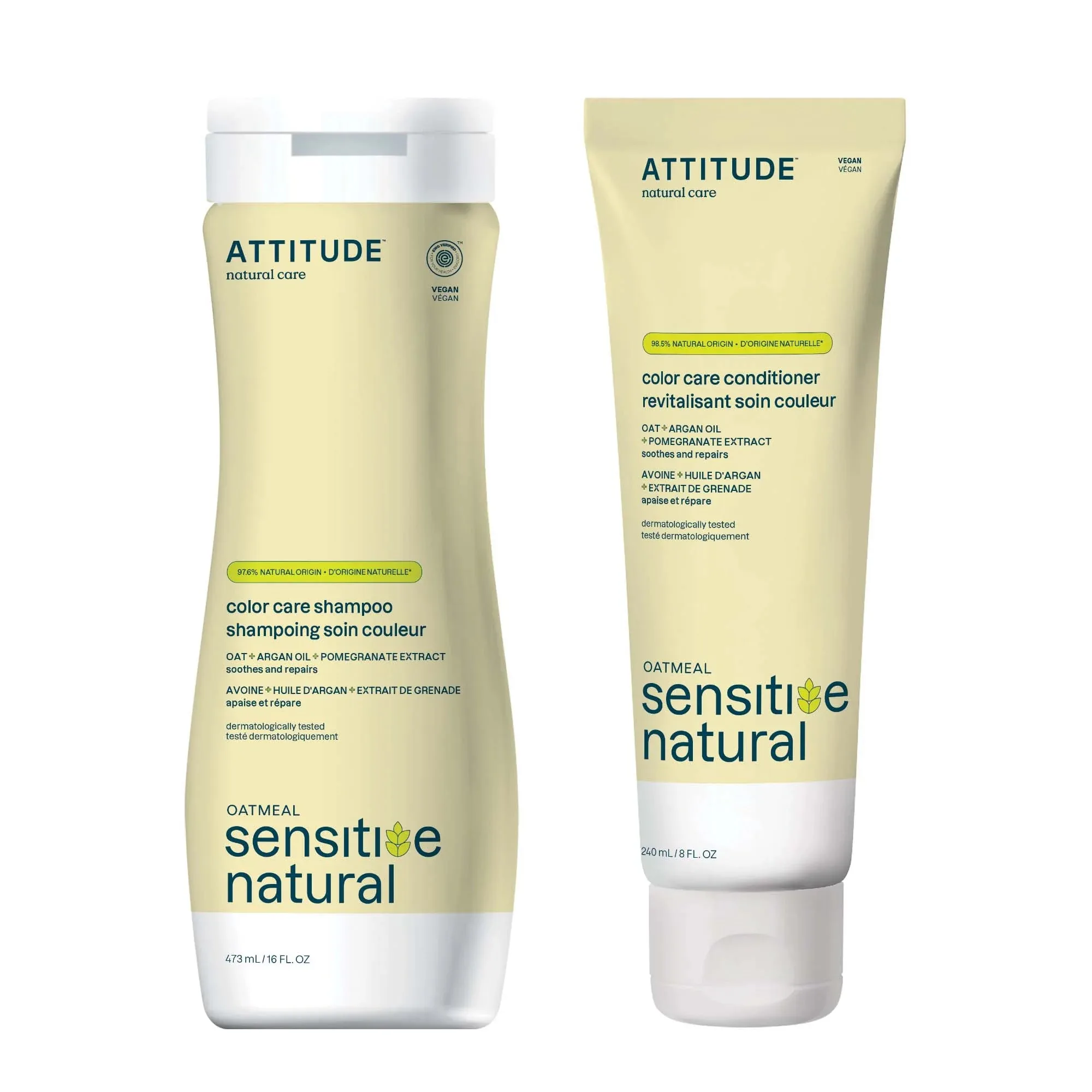
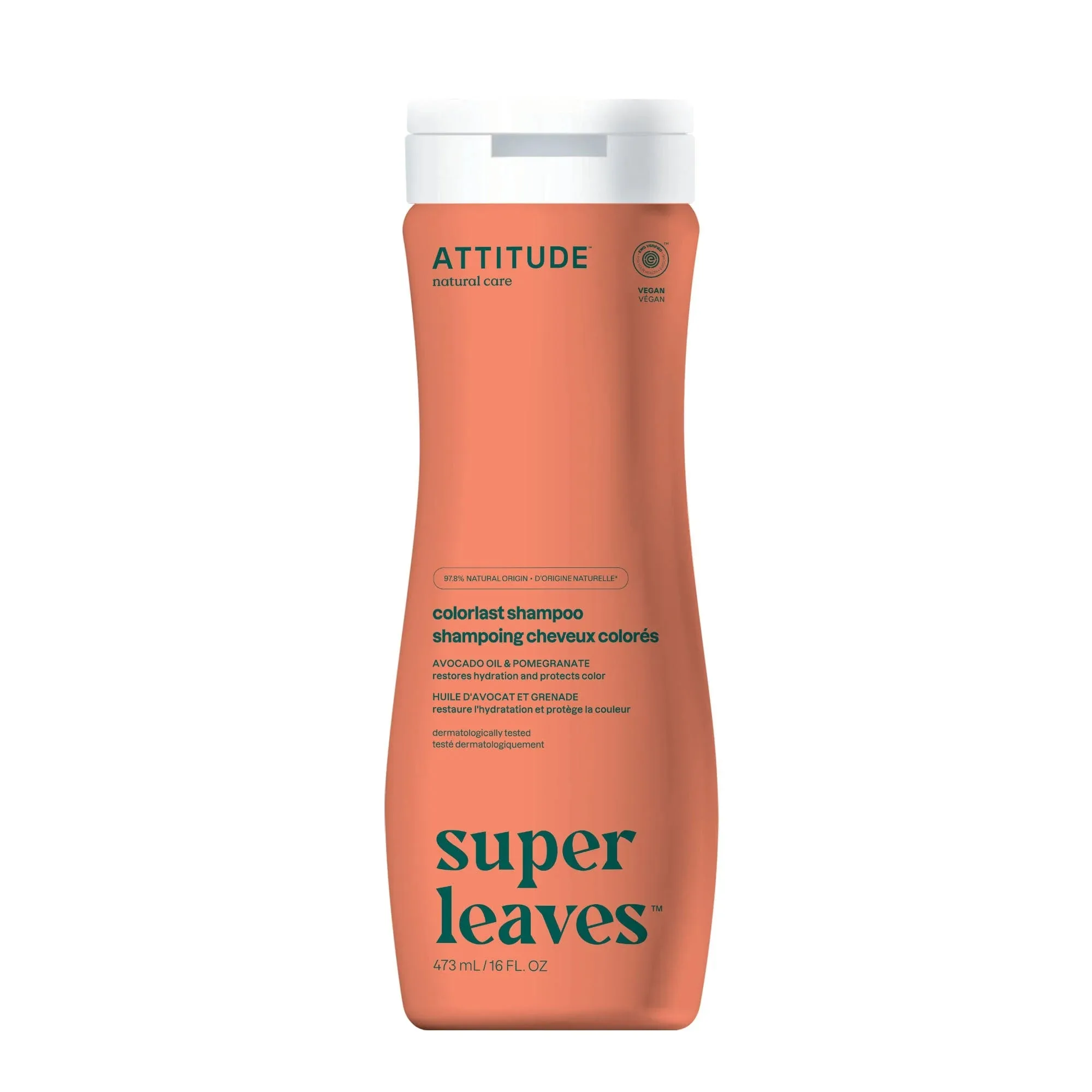
- Switch to colored hair care products: Use shampoos and conditioners formulated for color-treated hair, ideally sulfate-free and plant-based. Incorporate a weekly deep-conditioning treatment and a leave-in detangler to maintain softness and shine. Common mistake: Using regular clarifying shampoos can fade natural dye quickly. Stick to gentle, color-safe formulas.
Products That Support Natural Color Care
- Hair Detangler Spray Avocado Oil & Orange Leaves-0.42 OZ.: This vegan detangler is formulated with +99% naturally sourced ingredients and contains avocado oil to leave hair soft and shiny. It is EWG VERIFIED™ and dermatologically tested. After coloring, hair can become tangled and fragile. A gentle, plant-based detangler helps prevent breakage and keeps color-treated strands smooth without harsh chemicals.
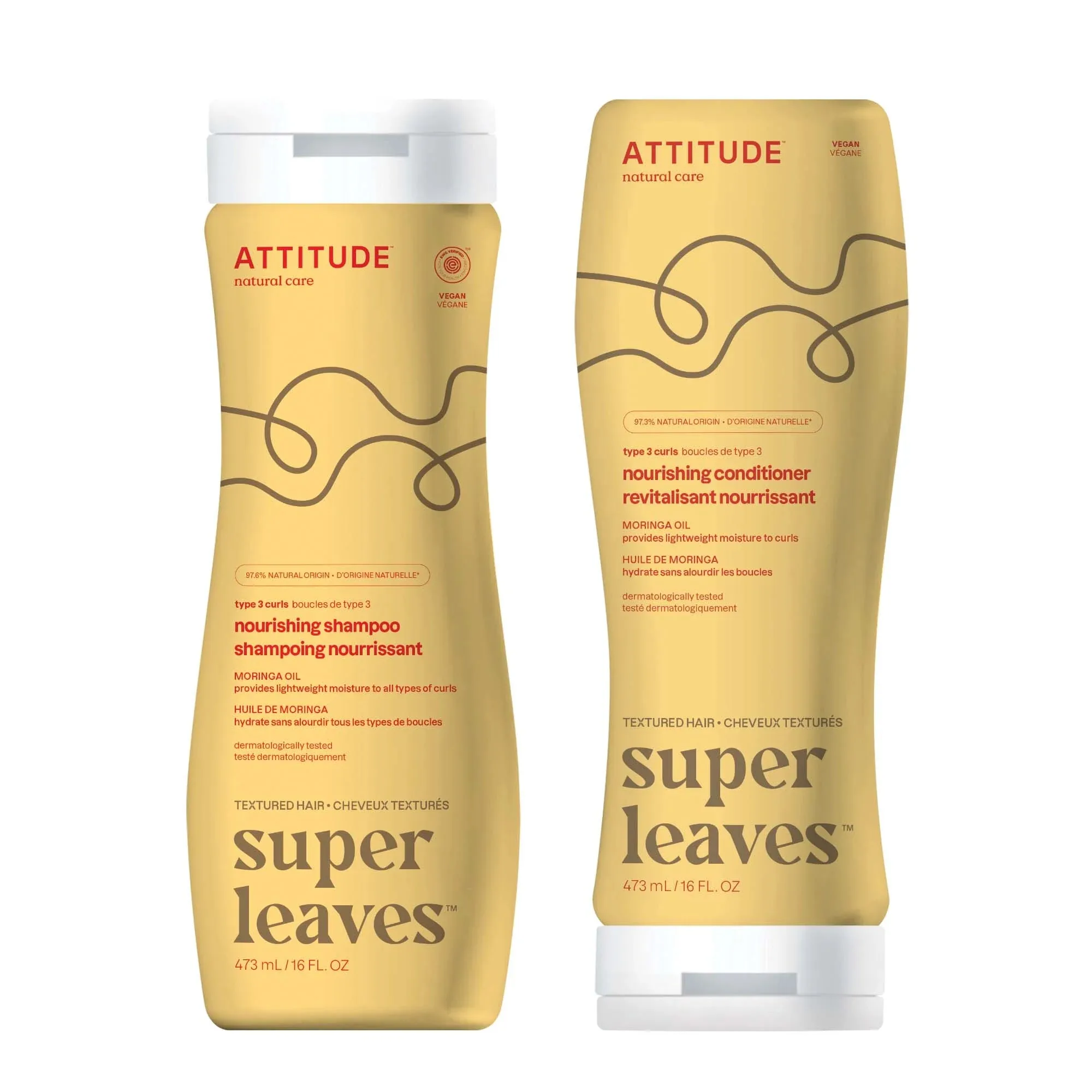
- Nourishing Conditioner - Curly Hair Moringa Oil-16 FL. OZ.: This vegan nourishing conditioner is formulated with 97.3% naturally sourced ingredients and contains moringa oil to hydrate curls without weighing them down. It is enriched with watercress and Indian cress extract to strengthen hair. Hydration is key for colored hair. A lightweight, plant-based conditioner replenishes moisture and strengthens strands, helping your natural color last longer and look vibrant.