Quick Answer
Transitioning from hiking to mountain running is about gradual progression: start with hike-run intervals on familiar trails, build your endurance and technical skills, and invest in proper footwear that supports the demands of running on uneven terrain. Begin with two to three sessions per week, and always prioritize safety and recovery.
You love the mountains, and you've logged plenty of miles hiking. But lately, you've noticed runners gliding past you on the trail, and you're curious: could that be you? Making the leap from hiking to mountain running doesn't require superhuman fitness—it just takes a smart approach.
This guide will walk you through the transition step by step, from assessing your starting point to choosing the right gear and building your first running plan. You'll learn how to adapt your hiker's mindset to the rhythm of running, and how to stay injury-free as you pick up the pace.
Why Make the Switch?
Mountain running offers a unique blend of cardiovascular challenge and connection with nature. It's more intense than hiking, which means you can cover more ground in less time, but it also demands more from your body—especially your ankles, knees, and cardiovascular system. The good news is that your hiking background already gives you a strong foundation: you're used to being on your feet for hours, navigating uneven terrain, and managing your effort.
But there are key differences. Running adds impact forces that hiking doesn't, and it requires quicker footwork and better balance. You'll also need to manage your pace more carefully to avoid burning out early. Understanding these differences will help you prepare mentally and physically.
- Start with trails you know well to reduce navigation stress.
- Expect to feel awkward at first—your body is learning a new movement pattern.
Assess Your Current Fitness
Before you start running, take an honest look at your baseline. How many miles do you hike per week? Can you hike uphill at a moderate pace for an hour without stopping? Do you have any existing injuries or weaknesses? This assessment will help you set realistic goals and avoid overdoing it.
If you're already hiking regularly, you likely have the muscular endurance for running, but your tendons and ligaments may need time to adapt to the impact. Plan to progress gradually, and don't compare yourself to runners who've been at it for years. Your journey is your own.
- Consider a simple run-walk test: run for 1 minute, walk for 2, repeat for 20 minutes. If you feel pain, dial it back.
Get the Right Footwear
One of the most important steps is choosing shoes designed for mountain running. Hiking boots are too heavy and stiff for running, while road running shoes lack the traction and stability needed on trails. Mountain running shoes are lighter than boots but offer aggressive outsoles, protective toe caps, and supportive midsoles.
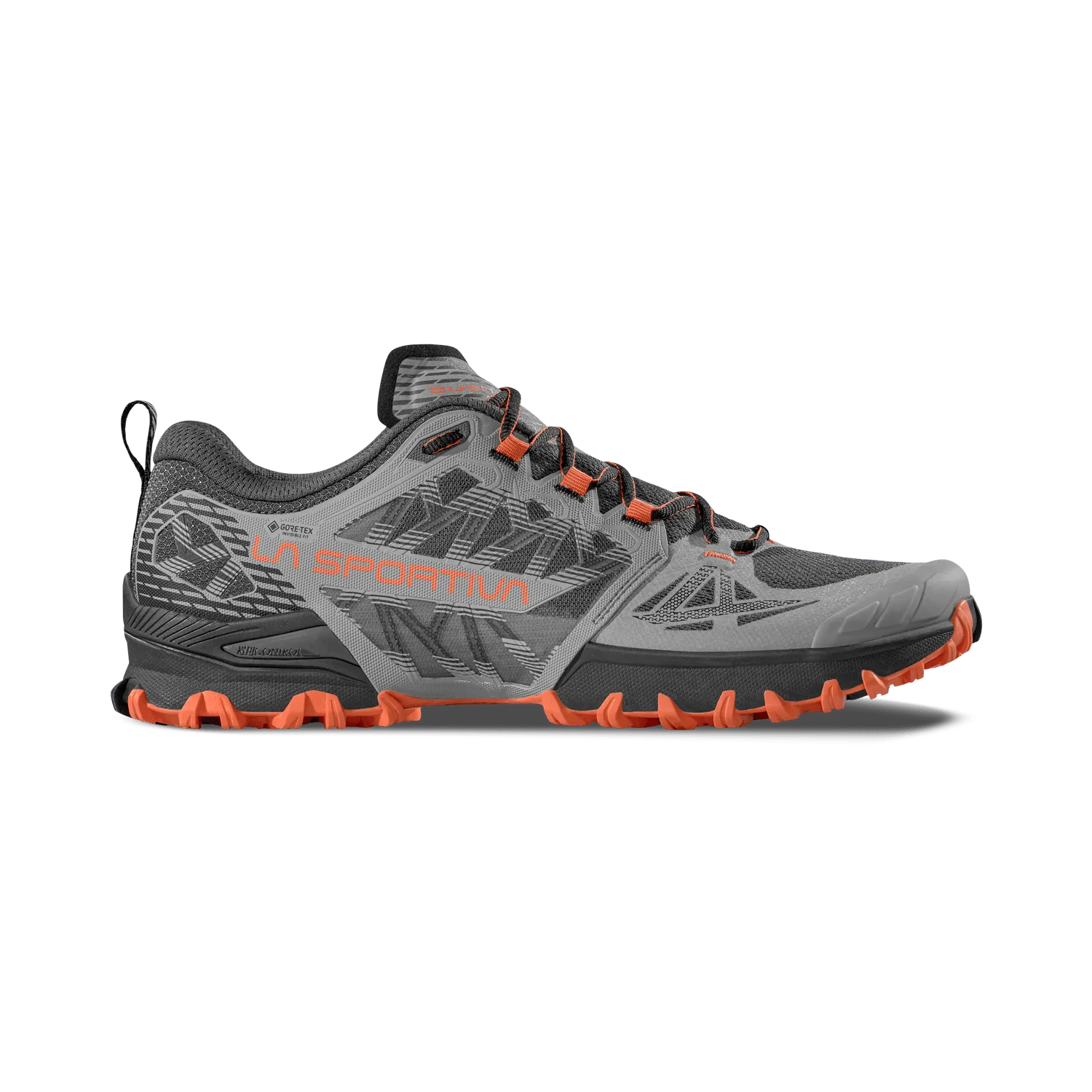
For example, the https://lasportivausas.com/products/bushido-iii-gtx-909c0a31b5c7875b3767a442-891263Bushido III GTX Women's is a great choice for wet or snowy trails, thanks to its PFC-free Gore-Tex® membrane. If you prefer a more breathable shoe for warm weather, the Ultra Raptor 3 Women's delivers outstanding breathability and versatility. Both are built for the demands of off-road running.
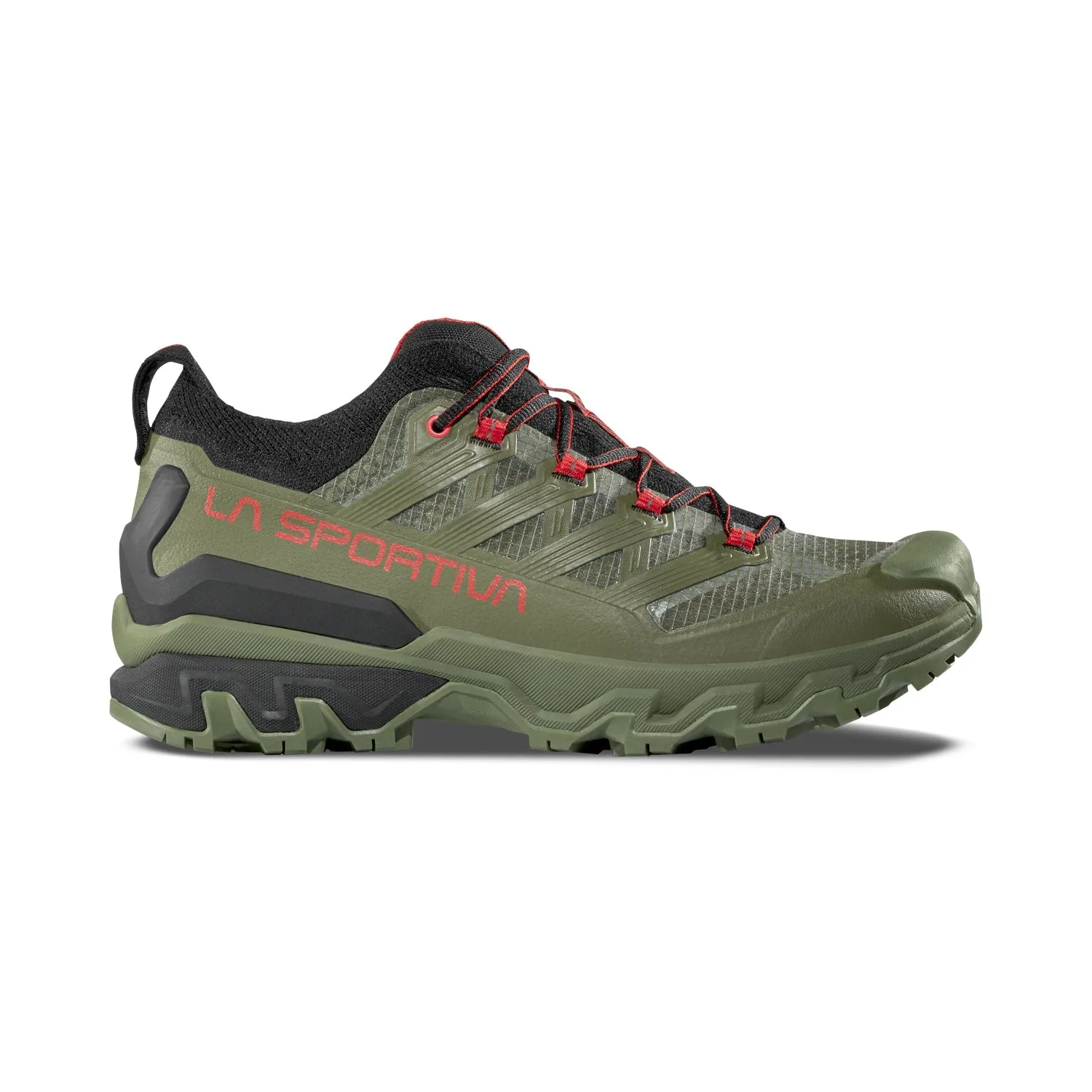
Ultra Raptor 3
When trying shoes, bring the socks you'll run in and test them on an incline if possible. Ensure a snug fit in the heel and enough room in the toe box to prevent blisters. Remember, running shoes typically last 300-500 miles, so plan to replace them regularly.
- Don't buy shoes online without trying them on first—fit is crucial.
Master the Basics of Running Technique
Running on trails requires a different technique than hiking. Shorten your stride, land mid-foot rather than heel-striking, and keep your eyes on the trail a few meters ahead to anticipate obstacles. Your arms should swing naturally, and your torso should stay upright but slightly leaning forward.
Practice on flat, smooth trails first to build your running form. Then gradually add hills and technical sections. Remember to hike the steep uphills if needed—many experienced runners do. The goal is to maintain a sustainable effort, not to run every step.
- Think about quick, light steps—like you're running on hot coals.
Build a Training Plan
A structured plan helps you progress without injury. Start with two to three sessions per week, alternating running with rest or cross-training. A simple approach is the run-walk method: run for a few minutes, then walk to recover, gradually increasing the running intervals over time.
For example, week one might be 5 x (1 minute run, 2 minutes walk). Week four could be 5 x (3 minutes run, 1 minute walk). Listen to your body—if you feel sharp pain or excessive fatigue, take an extra rest day. Consistency beats intensity in the early stages.
Don't forget to include strength training for your legs and core. Strong glutes and hips stabilize your pelvis and reduce knee strain. Simple exercises like squats, lunges, and planks go a long way.
- Keep a training log to track your progress and spot patterns in how you feel.
Fuel and Hydrate for Running
Running burns more energy per hour than hiking, so your fueling strategy needs to adjust. Carry water and easy-to-digest snacks like energy gels, chews, or dried fruit. Practice your nutrition during training runs, not on race day.
Hydration packs or vests are handy for longer runs, but for shorter outings, a handheld bottle may suffice. Learn what your stomach tolerates—everyone is different. And always start a run well-hydrated.
- Test your fuel and hydration plan on a short run before a long one.
Safety on the Trails
Mountain running carries unique risks, including slips, falls, and getting lost. Always tell someone your route and expected return time. Carry a fully charged phone, a map, and a basic first-aid kit. Check the weather forecast and turn back if conditions deteriorate.
Be aware of wildlife and other trail users. Yield to hikers and equestrians, and announce your presence when approaching from behind. If you run alone, consider a personal locator beacon for remote areas.
- Run with a buddy when possible, especially on unfamiliar trails.
Your Step-by-Step Transition Plan
- Step 1: Assess Your Baseline: Evaluate your current hiking fitness, any injuries, and your weekly mileage. Set realistic goals based on your starting point. Checkpoint: You can hike 5 miles on moderate terrain without excessive fatigue.
- Step 2: Invest in Proper Running Shoes: Visit a specialty store and try on mountain running shoes like the Bushido III GTX or Ultra Raptor 3. Ensure a snug but comfortable fit. Checkpoint: You have shoes with good traction and support for trail running.
- Step 3: Learn Basic Running Form: Practice short strides, mid-foot landing, and an upright posture on smooth trails. Focus on quick, light steps. Checkpoint: You can run 5 minutes without feeling like you're overstriding.
- Step 4: Start a Run-Walk Plan: Begin with 1-minute run intervals followed by 2-minute walks, repeating for 20-30 minutes. Gradually increase run time as you adapt. Checkpoint: You complete 3 sessions per week without joint pain.
- Step 5: Incorporate Strength Training: Add squats, lunges, and core exercises twice a week to build the muscles that protect your knees and ankles. Checkpoint: You can perform 3 sets of 15 squats with good form.
- Step 6: Practice on Varied Terrain: Once you're comfortable on flat trails, introduce hills and technical sections. Walk the steep parts if needed. Checkpoint: You can run a 3-mile loop with rolling hills without stopping.
- Step 7: Plan Your Nutrition and Hydration: Carry water and snacks on runs over 45 minutes. Experiment to find what works for your stomach. Checkpoint: You finish a long run feeling energized, not depleted.
Gear to Support Your Transition
- Bushido III GTX Women's: Building on the incredible legacy of the Bushido, this updated version features a new outsole and rubber compound design, updated aesthetics, and a PFC-free Gore-Tex® Invisible FitTM ePE membrane. Whether you're an experienced trail runner or just starting out, the Bushido III GTX is a great option when the trails are wet, snowy, or sandy. If you plan to run in wet or cold conditions, this shoe's waterproof membrane keeps your feet dry, while the aggressive outsole provides grip on slippery terrain.
- Ultra Raptor 3 Women's: The Ultra Raptor 3 Women's delivers outstanding breathability and versatility for hikers and adventurers seeking a lightweight, fast-moving trail companion in warmer conditions. Built upon the legendary heritage of La Sportiva’s iconic Ultra Raptor series, this shoe pairs exceptional breathability with rugged durability, ensuring cool comfort on hot-weather hikes and intense adventures. For warm-weather runs, this shoe's breathability prevents overheating, and its lightweight design makes it easy to pick up the pace without feeling weighed down.
Transitioning from hiking to mountain running is a rewarding journey that opens up new ways to explore the outdoors. Start slowly, invest in the right gear, and listen to your body. Before you know it, you'll be covering trails with a runner's rhythm—and the mountains will feel even more like home.