Quick Answer
Start with one piece you already love—a lace bra set or a satin babydoll—and build a simple outfit around it. Layer it under a blazer, slip dress, or high-waisted trousers, and check that the fabrics feel comfortable for the hours you'll be wearing them. The goal is to treat lingerie as a base layer, not a costume.
You don't need a special occasion to wear the pieces you love. Lingerie as everyday wear works when you choose styles that layer smoothly, feel good against your skin, and match the shape of your regular clothes.
This guide walks you through seven steps to move a bra set, teddy, or babydoll from the bedroom into real life—without looking like you got dressed in the dark. We'll cover fabric, fit, layering, and the small checkpoints that keep an outfit polished.
Step 1: Pick a Piece That Can Handle Daylight
Not every lingerie piece is built for a full day out. Start with something that has enough coverage or structure to work as a base layer. A lace bra set with an underwire bra and matching panty gives you a familiar shape under clothes, while a satin babydoll can double as a camisole-style top under a jacket.
Look for pieces with adjustable straps and a secure closure. If the piece only works when you're standing still, it's better for the bedroom. If you can raise your arms, sit, and walk without constant readjusting, it's a candidate for everyday wear.
- Checkpoint: Put the piece on and do five minutes of normal movement before you commit to wearing it out.
Step 2: Test the Fabric Against Your Skin
Sheer lace and mesh are beautiful but can feel scratchy after a few hours. If you're new to how to wear lingerie daily, start with pieces that have a soft lining or a smooth outer layer. Satin and stretch lace tend to glide under clothing better than stiff embroidered lace.
If a piece is unlined, wear it for a short trip first—coffee, errands, a quick dinner. That tells you whether the fabric irritates your skin or catches on your outer clothes. A little trial run saves you from a long day of discomfort.
- Common mistake: Assuming all lace feels the same. Embroidered lace can be rougher than flat lace, so test before a full day.
Step 3: Build Your Outfit from the Inside Out
Once you have your lingerie base, choose outer layers that complement its lines. A lace bra set disappears under a button-down shirt or a fine-knit sweater. A teddy with a G-string back works under high-waisted trousers or a slip dress because it won't create bulky lines.
For lingerie layering, think about contrast: a delicate lace edge peeking from a blazer cuff or neckline looks intentional. A sheer mesh panel under a solid top adds texture without exposing everything. The outer layer should frame the lingerie, not fight it.
- Checkpoint: Look in a full-length mirror under natural light. If you can see every seam and strap through the outer layer, add a slip or choose a smoother piece.
Step 4: Adjust for Coverage and Comfort
Bedroom lingerie often prioritizes reveal; everyday wear prioritizes coverage and ease. If a piece feels too revealing for your destination, add a camisole, a light cardigan, or high-waisted bottoms. You can also choose a bra set with a fuller cup or a teddy with a cheeky back instead of a thong.
Comfort is non-negotiable. If the straps dig in, the underwire pokes, or the g-string rides up, you'll be thinking about the lingerie instead of your day. Adjust straps, try a different size, or save that piece for an evening instead.
- Common mistake: Sizing up to get coverage. A larger band can slide around; a different style in your true size often fits better.
Step 5: Choose Shoes and Accessories That Match the Mood
The same lingerie piece can read romantic, edgy, or casual depending on what you pair with it. A satin babydoll under an oversized blazer with jeans and ankle boots feels relaxed. The same babydoll with a pencil skirt and heels leans more evening.
Keep accessories simple so the lingerie detail stays the focus. A thin necklace, small earrings, and a structured bag are enough. If the lingerie has chains or hardware, let that be the statement and skip extra metal.
- Checkpoint: If you're unsure, remove one accessory before you leave. Lingerie-as-outerwear styling looks best when it's not overdone.
Step 6: Plan for the Weather and Your Day
Sheer and satin fabrics show sweat and wrinkles more than cotton. On hot days, choose a bra set or teddy with breathable mesh and avoid heavy vinyl or thick lace. On cold days, layer a robe or a fitted turtleneck over your lingerie base.
Think about your schedule too. A piece that works for a two-hour dinner may not work for an eight-hour workday. If you'll be sitting at a desk, check that the back closure doesn't press into your spine and that the straps stay put when you lean forward.
- Common mistake: Wearing a piece with a bulky back closure under a thin top. A smooth-back bra or a teddy with a clean back line works better for long days.
Step 7: Do a Final Movement Check Before You Go
Before you walk out the door, do a quick test: sit, stand, reach overhead, and bend forward. This catches slipping straps, riding waistbands, and gaps that only appear when you move. If something shifts, fix it now rather than tugging at it all day.
Keep a small emergency kit in your bag—a safety pin, a spare strap, and a lint roller. Lingerie fabrics can snag, and a quick fix keeps your outfit looking intentional. With practice, this whole routine takes less than a minute.
- Checkpoint: If you have to adjust more than twice in five minutes, the piece isn't right for this outfit. Swap it or add a layer.
Your 7-Step Transition Checklist
- Choose a structured base: Start with a bra set or teddy that has adjustable straps and a secure closure. Avoid pieces that only stay put when you're standing still. If it shifts when you move, save it for the bedroom.
- Test fabric against skin: Wear the piece for a short errand before a full day. Satin and flat lace are usually gentler than stiff embroidery. If it itches within an hour, don't wear it for eight.
- Layer with outer clothes: Pair with a blazer, button-down, slip dress, or high-waisted trousers. Let lace edges peek intentionally. Check in natural light for visible seams and straps.
- Adjust coverage: Add a camisole, cardigan, or fuller-coverage bottom if the piece feels too revealing for your plans. Comfort matters more than showing the most skin.
- Match shoes and accessories: Keep accessories minimal. Let the lingerie detail be the focal point. Remove one accessory if the look feels busy.
- Plan for weather and schedule: Choose breathable mesh for heat and avoid bulky closures for long sitting days. A two-hour outfit may not survive an eight-hour day.
- Do a final movement check: Sit, stand, reach, and bend before you leave. Fix any shifting straps or gaps now. If you adjust more than twice in five minutes, swap the piece.
Pieces That Make the Transition Easier
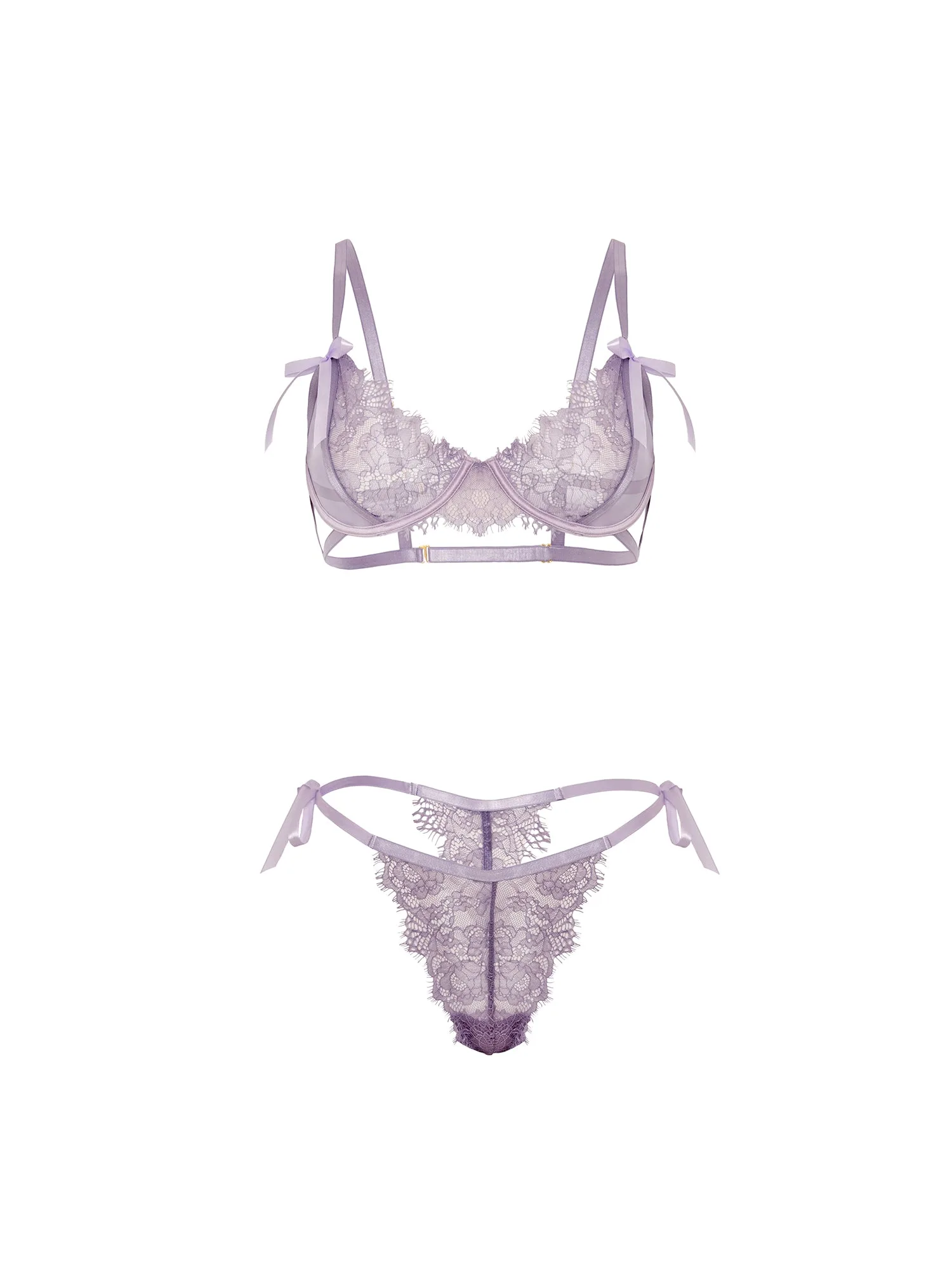
- Dahliya Lace Bra Set: Lace bra and panty set with romantic lace and playful tie details; underwire lace bra creates a lifted shape, and the lacy G-string hugs your body. The adjustable tie details let you control coverage, and the underwire bra gives enough shape to wear under a button-down or sweater without a separate bra.
- Shayla Satin & Lace Babydoll: Silky stretch satin with delicate lace, unlined underwire cups, flowing A-line silhouette, front slits, and sheer mesh back. The satin glides under outer layers, and the A-line shape works as a camisole alternative under a blazer or jacket.
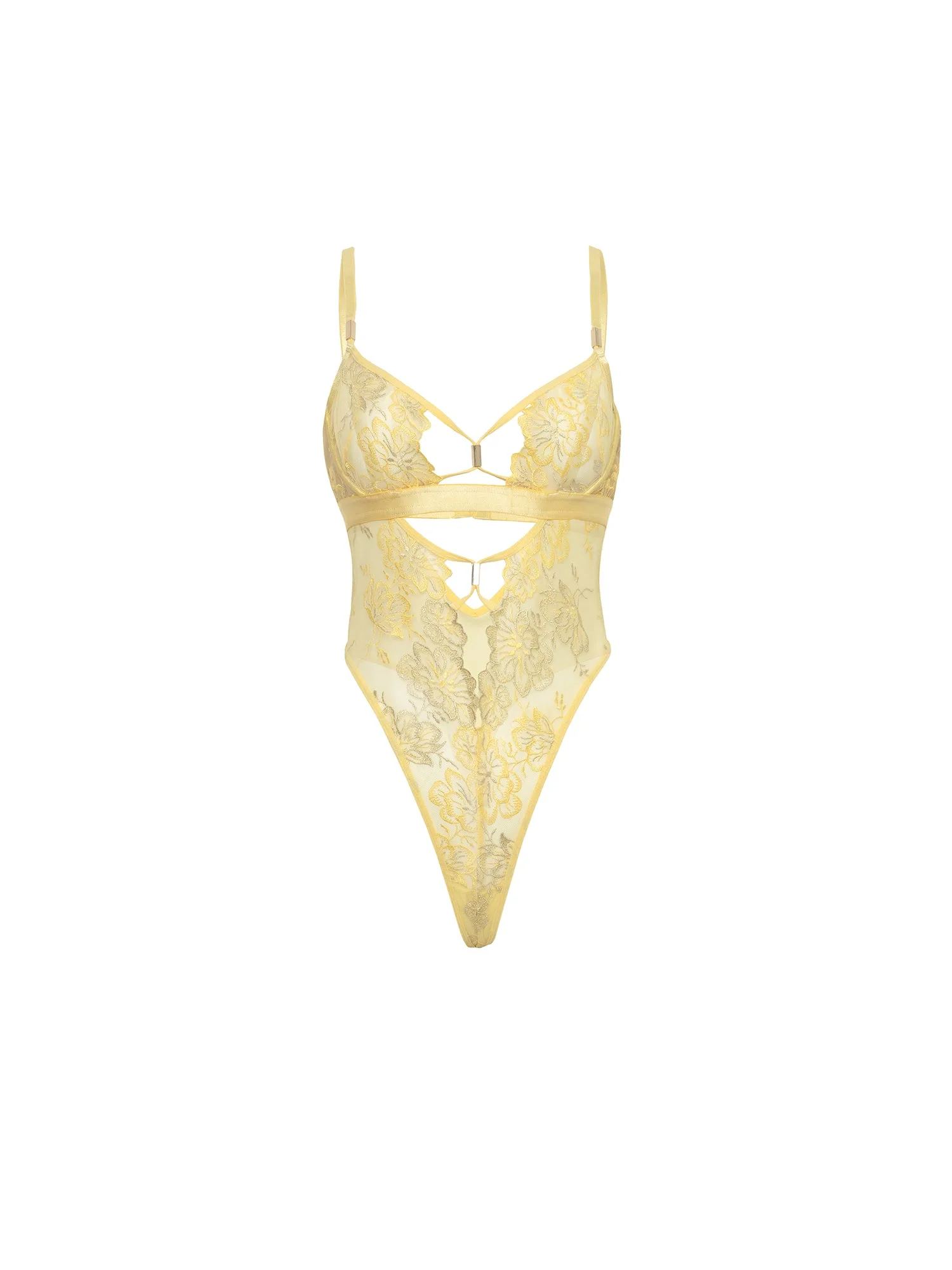
- Pilar Lace Teddy: Embroidered lace with strappy cut-outs, underwire support, fully adjustable straps, and a G-string back. Adjustable straps and underwire support make it a practical base layer for high-waisted trousers or a slip dress.
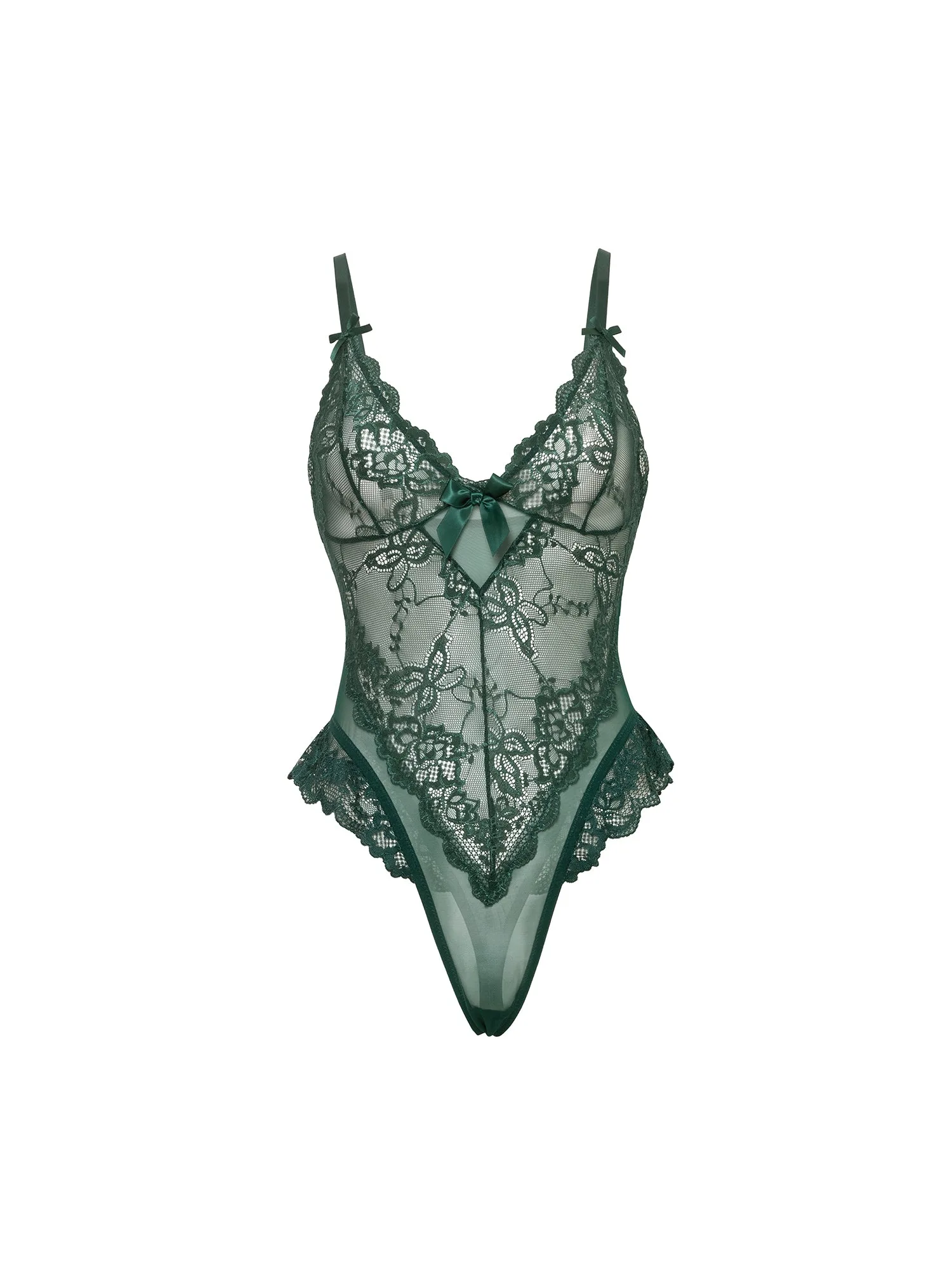
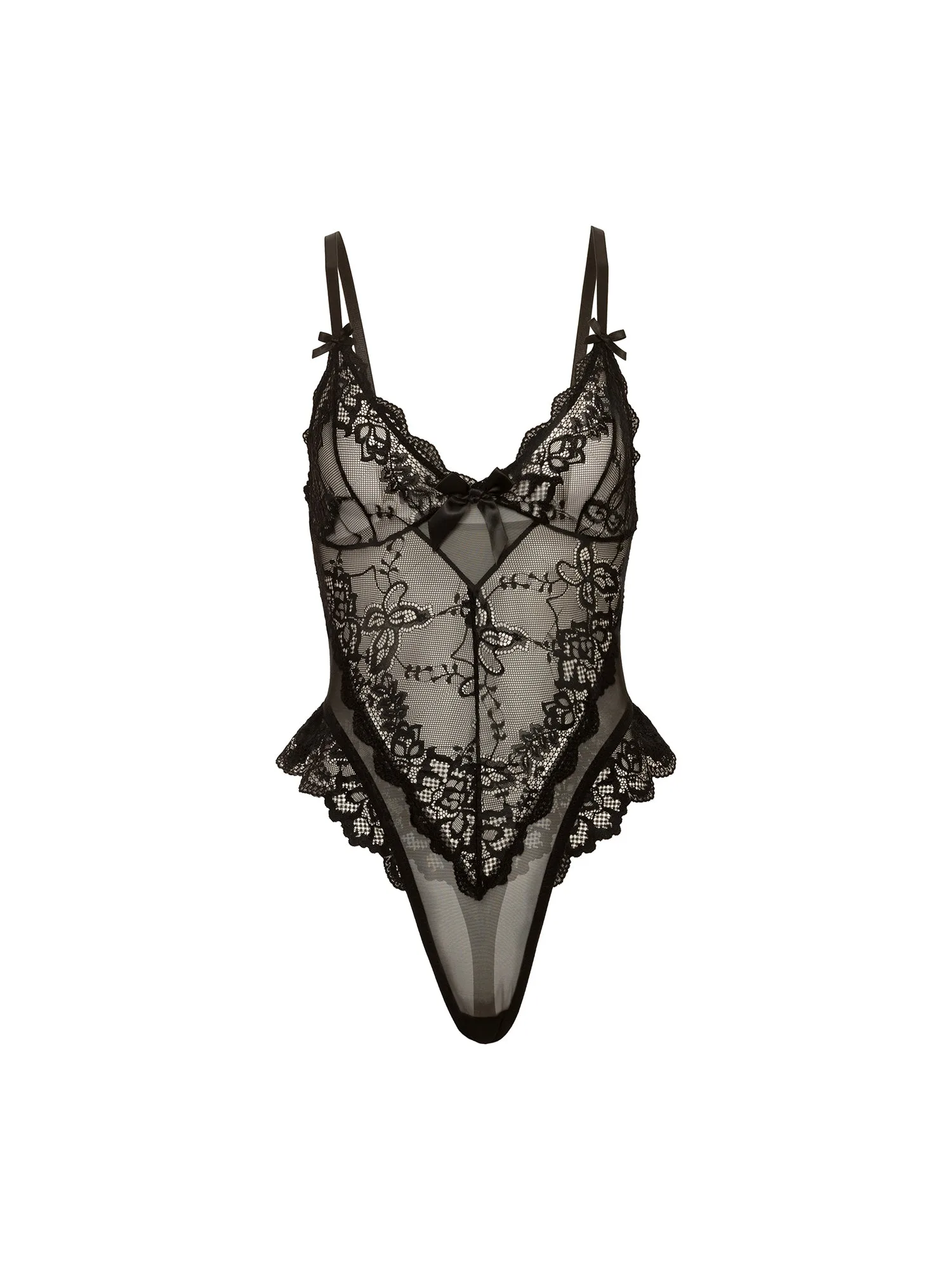
- https://ohlalacheriehg.com/products/valentine-sheer-lacey-teddy-mojito-18c769a65ab91258c4d688b5-1421837https://ohlalacheriehg.com/products/oh-la-la-cheri-valentine-sheer-lacey-teddy-rain-forest-4d6cb0106e4ddc765d1bc808-1421867Valentine Sheer Lacey Teddy: Sheer lace and mesh teddy with satin bow accents and a cheeky back. The cheeky back offers more coverage than a thong, so it layers smoothly under skirts and dresses for daytime wear.
Transitioning lingerie from bedroom to everyday wear comes down to choosing pieces that layer well, feel comfortable for the hours ahead, and match your outer clothes. Start with one bra set or teddy, follow the seven steps, and adjust as you learn what works for your day. The more you practice, the more natural it feels.