Quick answer
Don't replace your whole sleepwear drawer at once. Start by layering a light robe or long-sleeve top over your summer pieces, then swap in warmer fabrics like cotton as night temperatures drop. A long-sleeve pyjama set is the simplest single upgrade for cooler nights, and it works alongside the lighter pieces you already own.
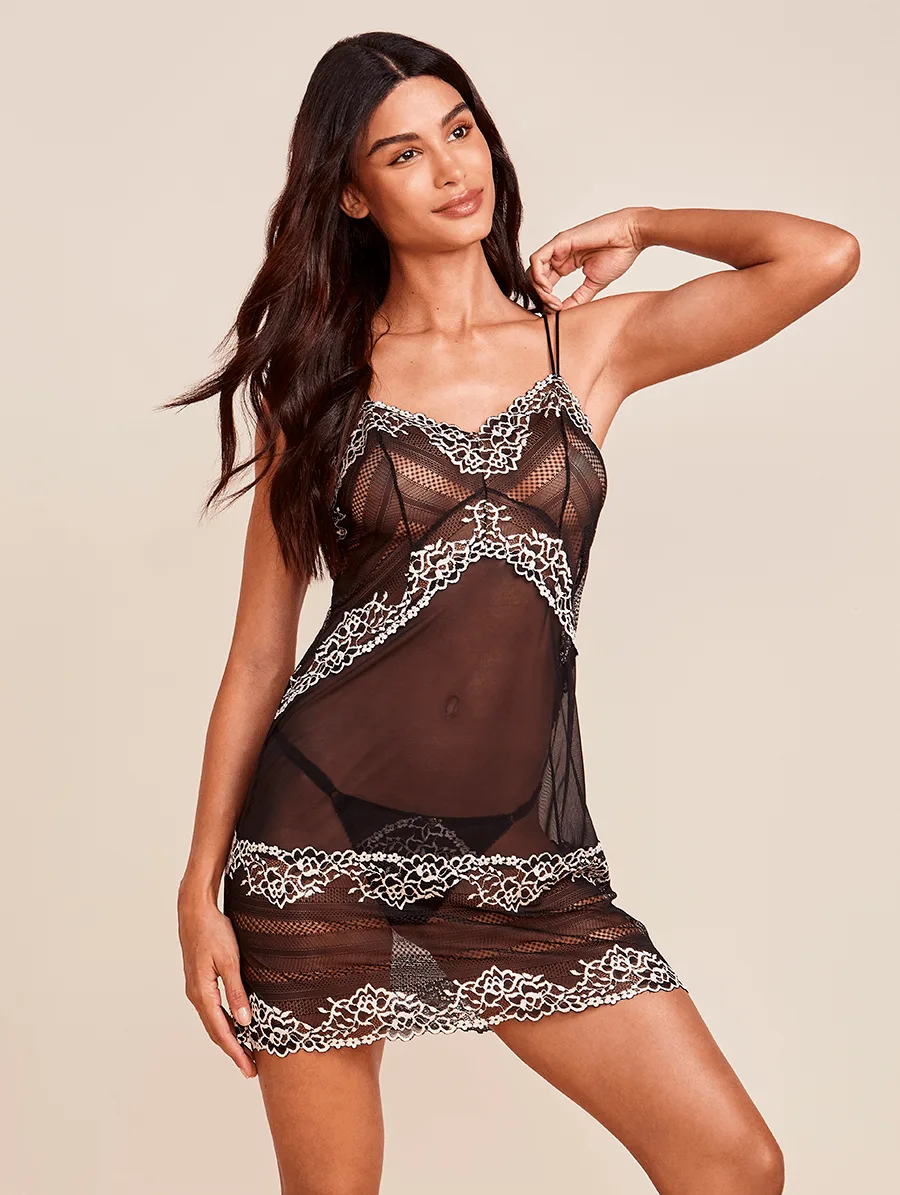
long-sleeve pyjama set
Autumn nights rarely arrive all at once. One week you're fine in a camisole, the next you're reaching for a blanket at 3am. The trick to a comfortable seasonal sleepwear switch is to build in layers rather than making one big swap.
This guide walks through seven steps to move your summer sleepwear into autumn nightwear without wasting what you already own. You'll find checkpoints for fabric, fit, and temperature along the way, plus one common mistake to avoid at each stage.
Why a gradual sleepwear transition works better than a full swap
Autumn temperatures swing. A full switch from light summer pieces to heavy winter pyjamas leaves you overheated on mild nights and underprepared when a cold snap hits. Layering lets you adjust night by night without buying a whole new drawer.
The goal is a small set of pieces that work together: a light base layer you already own, a warmer mid-layer for cooler evenings, and one or two long-sleeve options for the coldest nights. That approach also stretches your budget because you're adding, not replacing.
- Keep your light summer sleepwear accessible through early autumn — it still has a job on warm nights.
- Think in layers, not replacements: base layer, mid-layer, and a warmer set for the coldest nights.
Step 1: Check the overnight forecast, not the daytime one
Daytime autumn temperatures can be misleading. Your bedroom cools down hours after the sun sets, and that's the number that matters for sleepwear. Check the overnight low for the week ahead before you decide what to wear or buy.
A practical rule: if the overnight low is dropping below about 15°C, you'll likely want a long-sleeve layer or a warmer fabric. Above that, your summer pieces with a light layer may still be enough.
- Mistake to avoid: dressing for the daytime high and then waking up cold at 2am.
- Checkpoint: if you're reaching for an extra blanket two nights in a row, it's time to add a layer.
Step 2: Sort your summer sleepwear into keep, layer, and store
Before buying anything, go through what you already own. Separate pieces into three piles: keep wearing now (light camisoles, shorts sets, thin slips), layer under something warmer (tanks, light tees), and store until next summer (sheer slips, thin straps, anything you know will feel cold).
This step prevents the common mistake of packing away everything light and then sweating through a mild autumn night. It also shows you exactly what's missing, so you buy only what you'll actually wear.
- Store clean and dry — lingering deodorant or body oils can damage lace and elastic over the off-season.
- Checkpoint: if a piece hasn't been worn all summer, it probably won't be worn next summer either.
Step 3: Add a layering piece before you buy a whole new set
The fastest way to handle the seasonal sleepwear switch is to add one versatile layer. A long-sleeve top, a light robe, or a soft cardigan over your existing summer set can add enough warmth for early autumn without a full wardrobe change.
Layering sleepwear also gives you control. You can add or remove a layer at 3am without getting up to change completely. That flexibility is why layering beats a single heavy set for most of autumn.
- Mistake to avoid: buying a heavy winter set in September that you won't wear until November.
- Checkpoint: if your layer feels bulky or twists at night, it's too thick — go lighter.
Step 4: Choose fabrics that match the cooling nights
Fabric matters more than thickness. Cotton breathes and regulates temperature well, which makes it a solid choice for autumn's variable nights. Microfibre and modal blends feel soft and hold warmth without weight. Lace and sheer tulle are beautiful but offer little insulation on their own — better as a layer or for milder evenings.
If you're not sure where to start, look for a long-sleeve set in a breathable fabric. It's the single most useful piece for the long sleeve pyjama season, and it works for both cool autumn nights and mild winter ones.
- Mistake to avoid: assuming 'warmer' always means 'thicker' — a heavy fabric can leave you clammy.
- Checkpoint: if you wake up sweaty, step down a fabric weight rather than adding more blankets.
Step 5: Swap in a long-sleeve set for the coldest nights
Once overnight lows settle in the single digits, a long-sleeve pyjama set becomes the practical default. It covers arms and legs without the bulk of a heavy winter set, and it layers easily under a robe if you need more.
This is also the point to retire sheer summer slips to storage. They're designed to feel light and barely there, which is exactly what you don't want on a cold night. Save them for next summer or for milder evenings indoors.
- Mistake to avoid: wearing a long-sleeve set on a mild night and overheating — keep a lighter backup within reach.
- Checkpoint: if you're still cold in a long-sleeve set, add socks or a blanket before adding another layer of clothing.
Step 6: Adjust your underwear and base layers too
Sleepwear gets the attention, but your base layer matters just as much. A breathable cotton brief or boxer brief under pyjamas helps regulate temperature and prevents the clammy feeling that comes from synthetic fabrics against the skin.
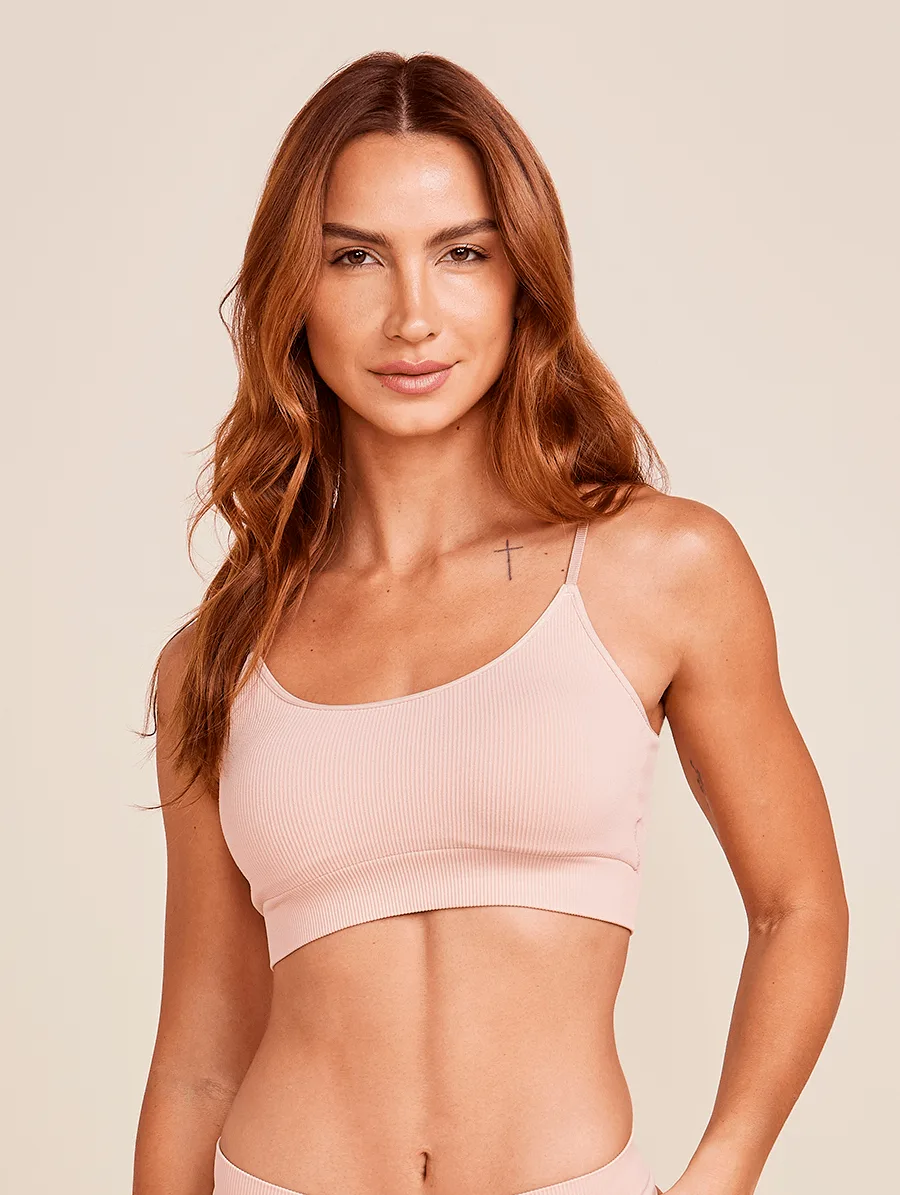
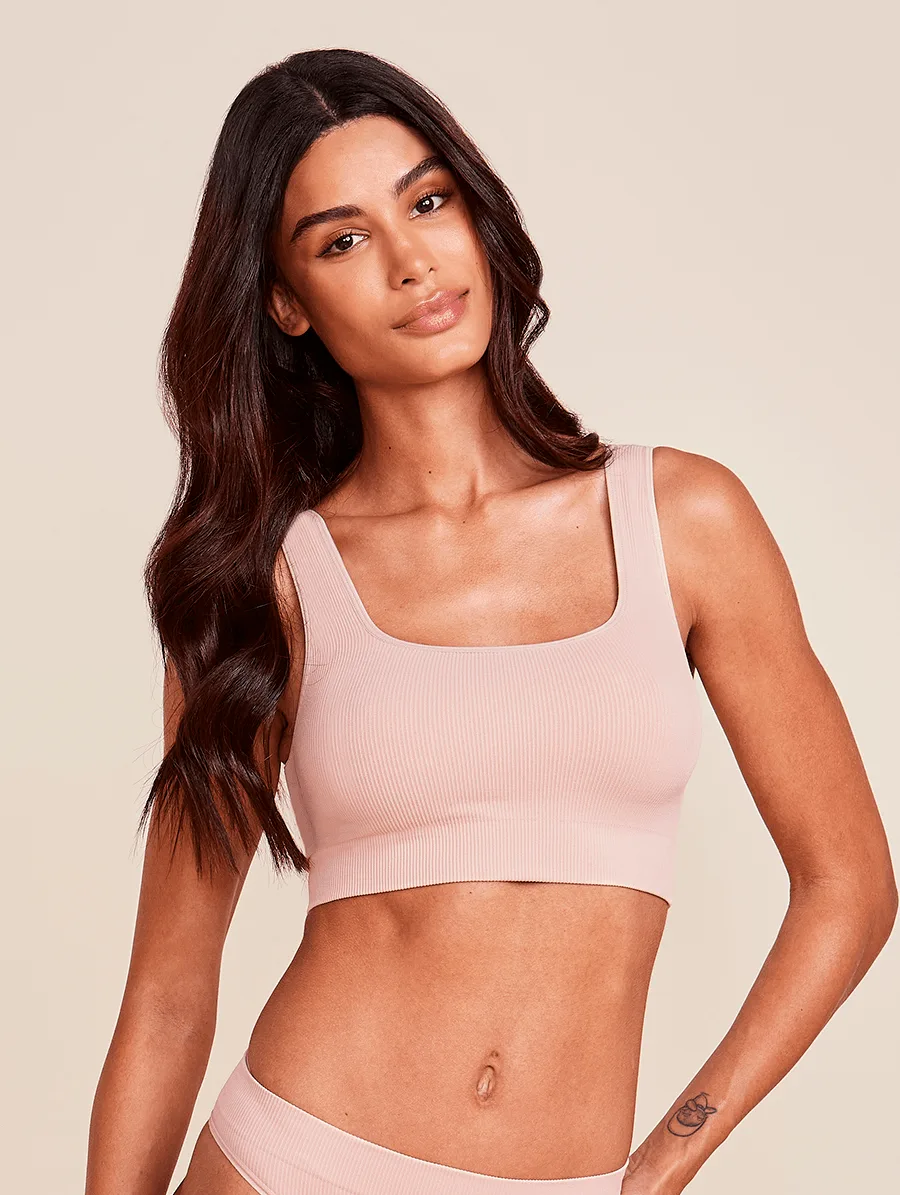
If you wear a bralette or soft bra to sleep, a ribbed microfibre style with removable cups can be more comfortable in autumn than a structured bra, especially if you're layering. It sits flat under sleepwear and moves with you.
- Mistake to avoid: ignoring your underwear — it's the layer closest to your skin and affects comfort most.
- Checkpoint: if you're adjusting your base layer at night, it's the wrong fabric or fit for the season.
Step 7: Store summer pieces properly and plan next year's switch
Before you pack away summer sleepwear, wash everything according to its care label and let it dry completely. Store it in a cool, dry place away from direct sunlight, which can degrade elastic and fade colours over time.
Label or group your stored pieces so next spring's switch is quick. A little organisation now saves you from digging through drawers when the weather turns warm again.
- Mistake to avoid: storing damp or unwashed pieces — this invites odour and fabric damage.
- Checkpoint: if you can't remember what's in a storage box, it's time to label it.
Your 7-step seasonal sleepwear switch
- Check the overnight forecast: Look at the overnight low, not the daytime high. If it's dropping below about 15°C, plan for a long-sleeve layer or warmer fabric. Checkpoint: two cold nights in a row means it's time to add a layer.
- Sort summer sleepwear into keep, layer, and store: Separate light pieces you'll still wear, pieces that work as a base layer, and sheer or thin items to store until next summer. Mistake to avoid: packing away everything light and then overheating on a mild night.
- Add one layering piece: A long-sleeve top, light robe, or soft cardigan over your summer set adds warmth for early autumn without a full wardrobe change. Checkpoint: if the layer twists or feels bulky, go lighter.
- Choose breathable fabrics: Cotton, microfibre, and modal blends regulate temperature well. Lace and sheer tulle are better as a layer than as your only insulation. Mistake to avoid: equating 'warmer' with 'thicker' — heavy fabric can leave you clammy.
- Swap in a long-sleeve set for the coldest nights: Once overnight lows hit single digits, a long-sleeve pyjama set covers arms and legs without heavy bulk. Store sheer summer slips until next year. Checkpoint: still cold? Add socks or a blanket before adding more clothing.
- Adjust your underwear and base layers: A breathable cotton brief or boxer brief under pyjamas helps regulate temperature. A ribbed microfibre bralette with removable cups sits flat under sleepwear. Mistake to avoid: ignoring your base layer — it affects comfort most.
- Store summer pieces properly: Wash according to care labels, dry completely, and store in a cool, dry place away from direct sunlight. Label boxes for next spring. Checkpoint: if you can't remember what's in a box, label it.
Products that make the seasonal switch easier
- Long-Sleeve Pyjama Set: A long-sleeve pyjama set is the practical default for cooler nights, covering arms and legs without heavy bulk. It's the single most useful upgrade for the long sleeve pyjama season, and it layers easily under a robe if you need more warmth.
- https://hopelingerierty.com/products/thin-strap-microfibre-bralette-removable-cups-cd91b4e32d14d45e036daebc-1492575https://hopelingerierty.com/products/ribbed-bralette-0b03ace602cc79f382437f98-1492585Ribbed Bralette - Thin Straps: Ribbed microfibre fabric with lightweight stretch, thin adjustable straps, and removable cups for flexible shaping. It sits flat under sleepwear and moves with you, making it a comfortable base layer for autumn nights when you want light support without a structured bra.
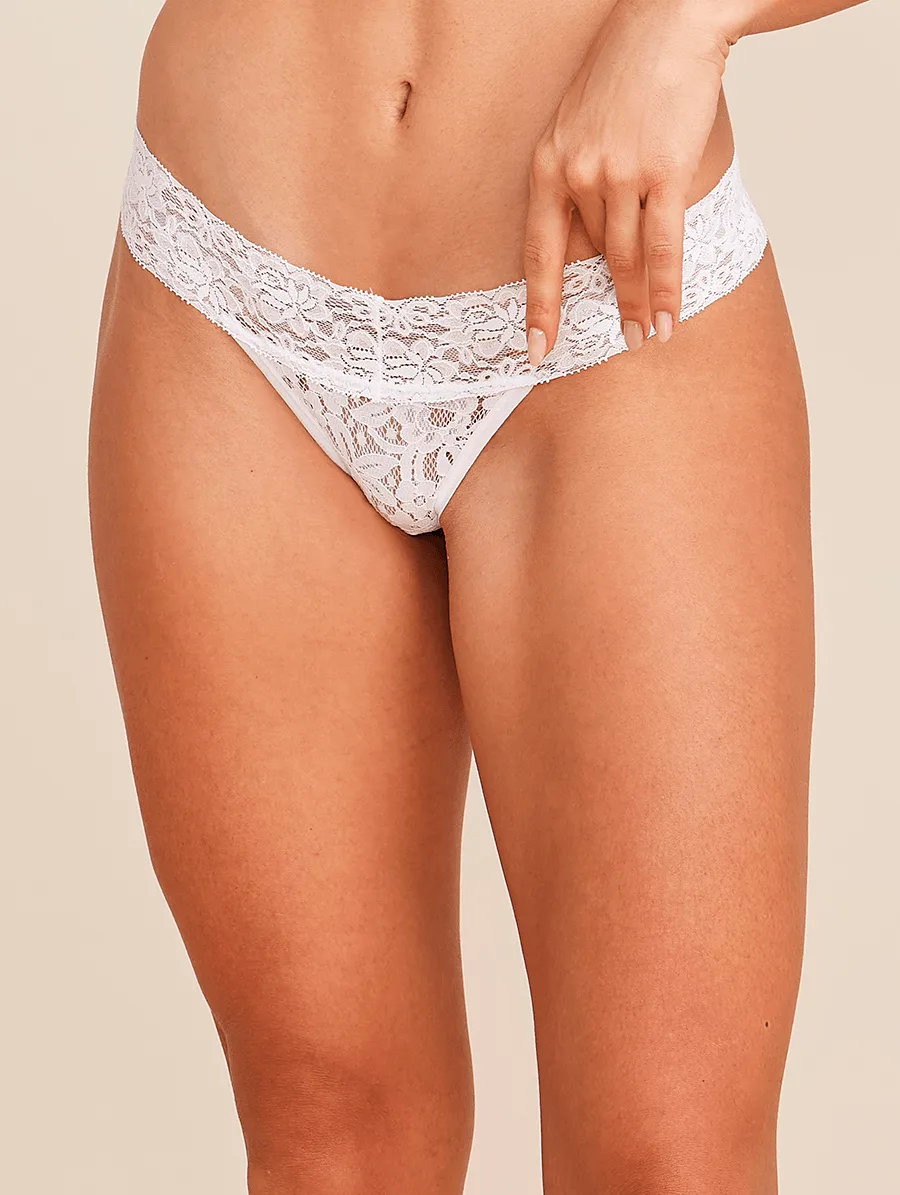
- Lace Brazilian Bikini Brief: Soft stretch lace with a smooth, flexible waistband and 100% cotton gusset lining; runs small, so size up. Breathable lace and a cotton gusset help regulate temperature under pyjamas, and the sizing tip prevents an uncomfortable fit when you're layering.
Transitioning your sleepwear from summer to autumn doesn't require a full drawer overhaul. Layer first, swap fabrics as nights cool, and add a long-sleeve set when the temperature truly drops. Done in steps, the seasonal sleepwear switch stays comfortable, budget-friendly, and easy to reverse when spring returns.