Quick answer
Transition gradually by mixing your current toothpaste with a fluoride-free option over two weeks, choose a formula with soothing ingredients like aloe or chamomile, and monitor your gums for any sensitivity changes.
Why a gradual switch matters for sensitive gums
If your gums are already sensitive, an abrupt change in toothpaste can sometimes cause temporary discomfort or a feeling of 'not clean.' Your mouth's microbiome and taste receptors are used to the foaming agents and flavor profile of conventional toothpaste. A slow transition gives your gums time to adjust without irritation.
Also, many fluoride-free toothpastes use different cleaning agents (like silica or calcium carbonate) and milder surfactants. Your gums may need a few days to adapt to the new texture and sensation. Going step by step helps you distinguish between normal adjustment and a product that simply doesn't agree with you.
What to look for in a fluoride-free toothpaste for sensitive gums
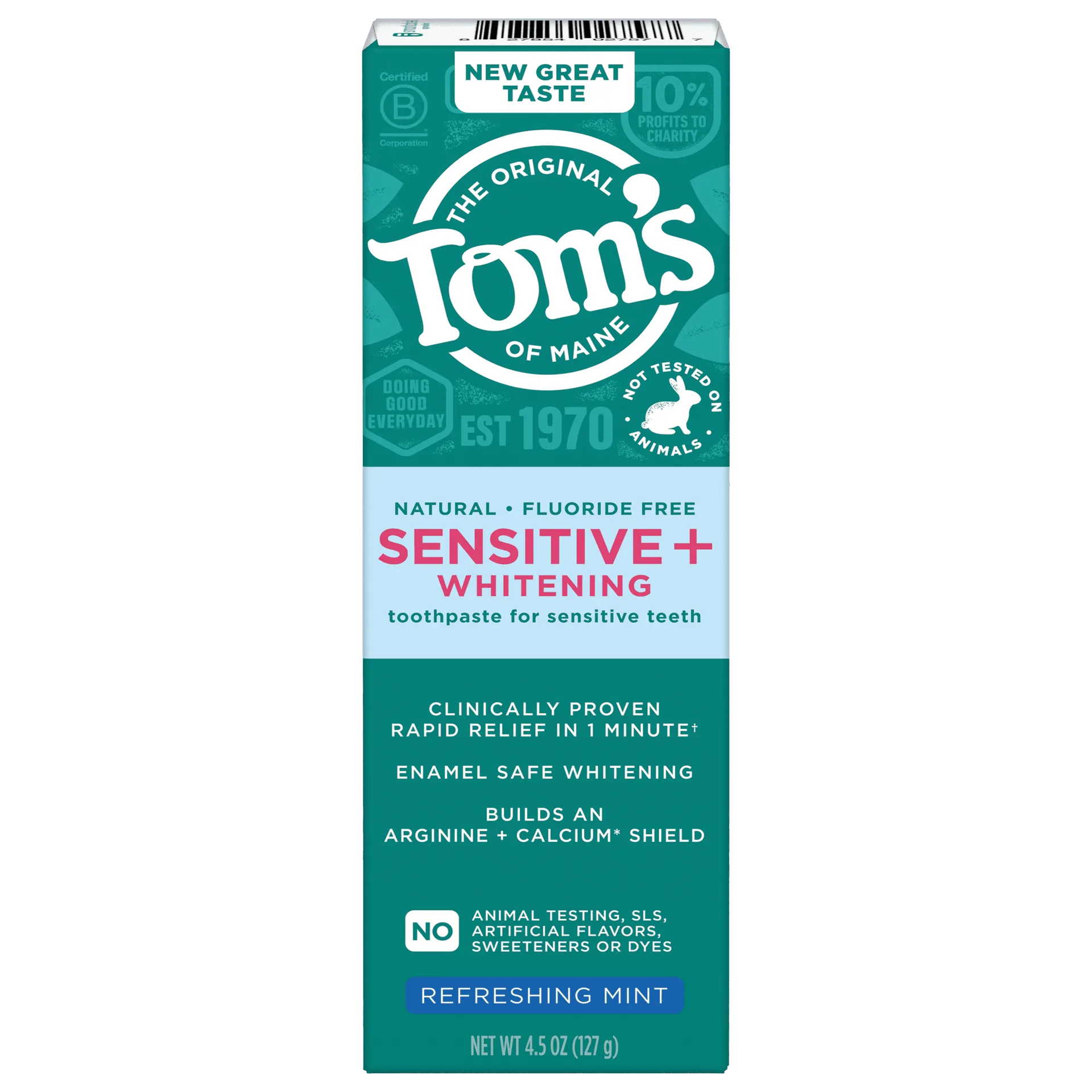
Not all fluoride-free toothpastes are created equal for sensitive gums. Look for formulas that include soothing ingredients such as aloe vera, chamomile, or myrrh. Avoid toothpastes with harsh abrasives (like charcoal or baking soda in high concentrations) if your gums are inflamed. A gentle, multi-benefit option like Tom's of Maine Sensitive + Whitening Fluoride-Free Toothpaste is designed to address both sensitivity and whitening without fluoride.
Also check that the toothpaste is free from artificial sweeteners and strong essential oils that might sting sensitive gum tissue. A mild mint or unflavored option can be a better starting point.
Step-by-step transition plan
- Start with a half-and-half mix: For the first 3-4 days, squeeze a pea-sized amount of your current toothpaste and an equal amount of your new fluoride-free toothpaste onto your brush. Brush as usual. This helps your gums and taste buds adjust gradually. Common mistake: using a full amount of the new toothpaste on day one can cause a strong taste shock or gum tingling. Mixing reduces that risk.
- Increase the fluoride-free ratio: On days 5-7, use about 75% new toothpaste and 25% old toothpaste. Continue brushing normally. If you notice any gum irritation, go back to the 50/50 mix for a few more days. Checkpoint: if your gums feel more sensitive after 3 days at this ratio, pause and consult your dentist before proceeding.
- Go fully fluoride-free: Starting day 8, use only your new fluoride-free toothpaste. Brush for a full two minutes, focusing on the gumline gently. Expect a slightly different mouthfeel—less foam is normal. Stick with it for at least two weeks to let your mouth acclimate. Common mistake: switching back too soon because the toothpaste feels 'different.' Give it a full 14 days before deciding if it's right for you.
- Monitor your gum response: After two weeks of exclusive use, assess your gums. Are they less red? Do they bleed less when flossing? Is the sensitivity improving? If yes, the transition is working. If not, consider a different fluoride-free formula with even gentler ingredients. Checkpoint: persistent irritation after 14 days may indicate an ingredient sensitivity (e.g., to peppermint oil or sodium bicarbonate). Switch to an unflavored or aloe-based option.
Product facts
-
Sensitive + Whitening Fluoride-Free Toothpaste: Tom's of Maine Sensitive + Whitening Fluoride-Free Toothpaste is a fluoride-free formula that helps address sensitive teeth while working to whiten. It offers a dual benefit for those transitioning: gentle on sensitive gums while gradually removing surface stains, so you don't have to compromise on whitening.
Sensitive + Whitening Fluoride-Free Toothpaste