Quick answer
Start by auditing what you actually wore this summer, then build a small transitional capsule around three layers: a light base, a breathable midlayer, and a weather-ready shell. Swap fabrics before you swap whole outfits, and test each layer on a real errand or short hike before committing closet space to it.
The shift from summer to fall rarely happens overnight. Temperatures swing from warm afternoons to chilly mornings, and the clothes that worked in July can feel wrong by the first week of September. The goal isn't to replace your entire closet, but to build a flexible set of layers that handles the in-between weeks.
That means focusing on transitional clothing you can add or remove as the day warms and cools. A breathable fleece, a lightweight insulated jacket, and a simple everyday bag will carry you further than a pile of new purchases. Here's a practical, ordered process to make the switch without overpacking or overspending.
1. Audit what you actually wore this summer
Before you buy or unpack anything, pull out the pieces you reached for most between June and August. Be honest: if you didn't wear it during the hottest weeks, you probably won't wear it in fall either. Set aside anything that's worn out, doesn't fit, or only worked for one specific event.
This audit gives you a realistic base. Most people find they wear about 20 percent of their warm-weather clothes on repeat. Those are the pieces worth layering into fall, not the ones that looked good in a photo but never left the drawer.
- Common mistake: keeping clothes for a hypothetical future trip instead of your actual weekly routine.
2. Swap fabrics before you swap full outfits
You don't need a new wardrobe, just different materials. Replace linen and thin cotton with breathable recycled fabrics that hold a little more warmth. A technical fleece like the Otero Fleece Full-Zip Hooded Jacket works because its raised grid back adds warmth without trapping too much heat on a brisk hike or a cool morning commute.
Keep your summer silhouettes where they still work. A favorite tee under a light layer often feels more like fall than a heavy sweater over nothing. This approach stretches what you already own and makes the seasonal wardrobe switch less expensive.
- Checkpoint: if you're sweating indoors but cold outside, your midlayer is too warm for the season.
3. Build a three-layer system for changing temperatures
Think in three layers: a base that manages moisture, a midlayer that adds warmth, and a shell that blocks wind or rain. For active fall days, the Pacaya 2.0 Insulated Jacket - Men's fits the midlayer slot with a recycled shell and recycled insulation made from pre-consumer wool scraps. It regulates heat on ski or foot and works under a waterproof shell when the weather turns.
For milder days, the Pacaya Lite Hooded Jacket - Women's is built entirely from lightweight recycled nylon. It breathes on the way up and offers protection when you need it, and the internal sternum snap keeps it secure while unzipped so you can cool off on trail. Choose the layer that matches your typical fall activity, not the coldest day you can imagine.
- Common mistake: buying a single heavy jacket instead of two lighter layers you can combine.
4. Test each layer on a real outing
Before a new layer earns closet space, wear it for a real errand, walk, or short hike. Pay attention to whether you overheat when moving and cool down too fast when you stop. A good transitional piece should feel slightly cool when you start and comfortable once you're moving.
This test also reveals fit issues. A layer that's too tight under the arms or too loose at the hem won't get worn, no matter how good it looks on the hanger. Return or exchange it while you still can.
- Checkpoint: if you have to take a layer off within five minutes of walking, it's not the right midlayer for fall.
5. Refresh your everyday carry for the season
Fall days often mean carrying a little more: a light layer, a phone, a wallet, maybe a notebook. A small, organized bag makes the transition easier. The Tasra 16L Backpack was designed with the minimalist traveler in mind, with spacious compartments, a full-wrap zippered opening, organizational pockets, and a padded laptop sleeve. The backpack straps tuck away to convert it into a briefcase-style carry when you want a cleaner look.
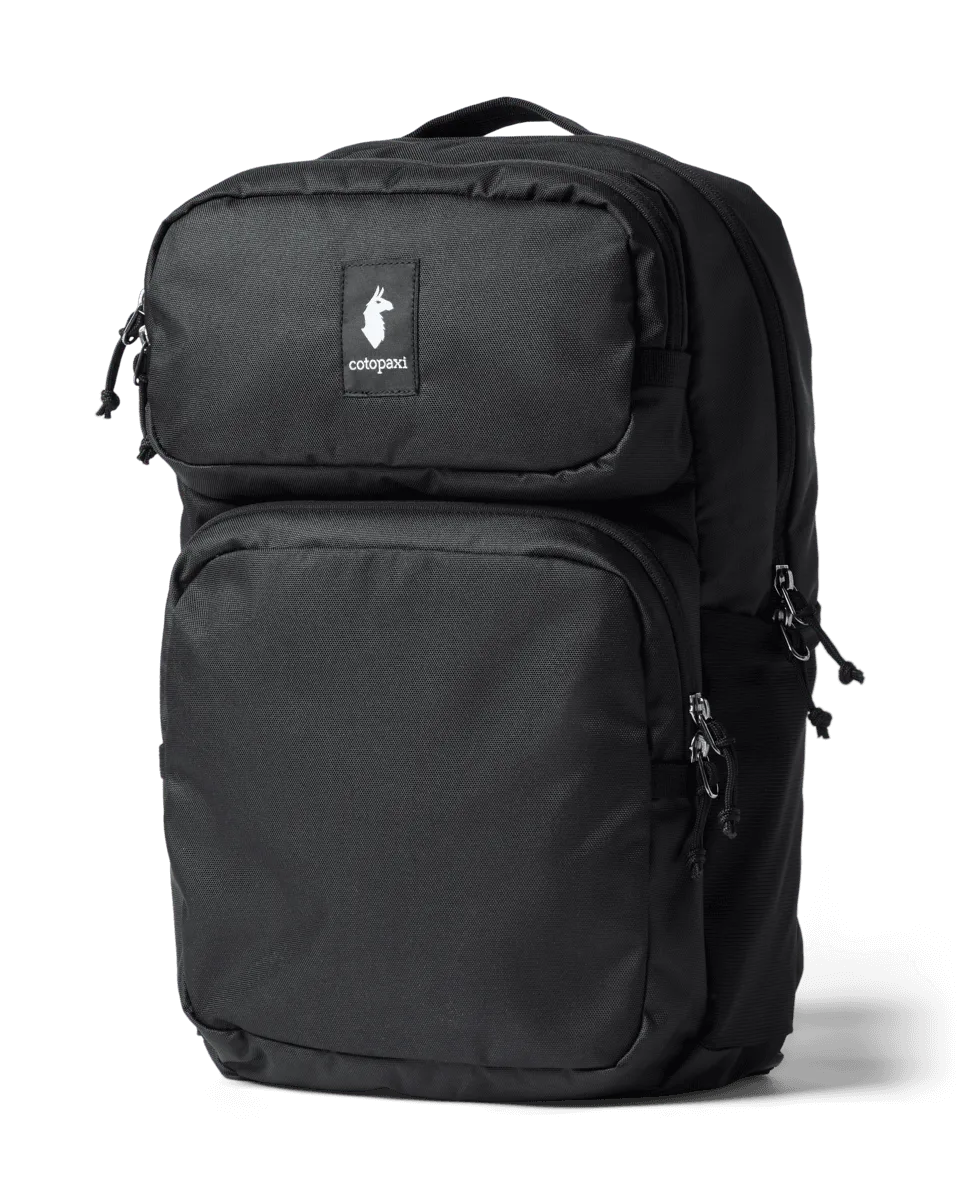
Tasra 16L Backpack
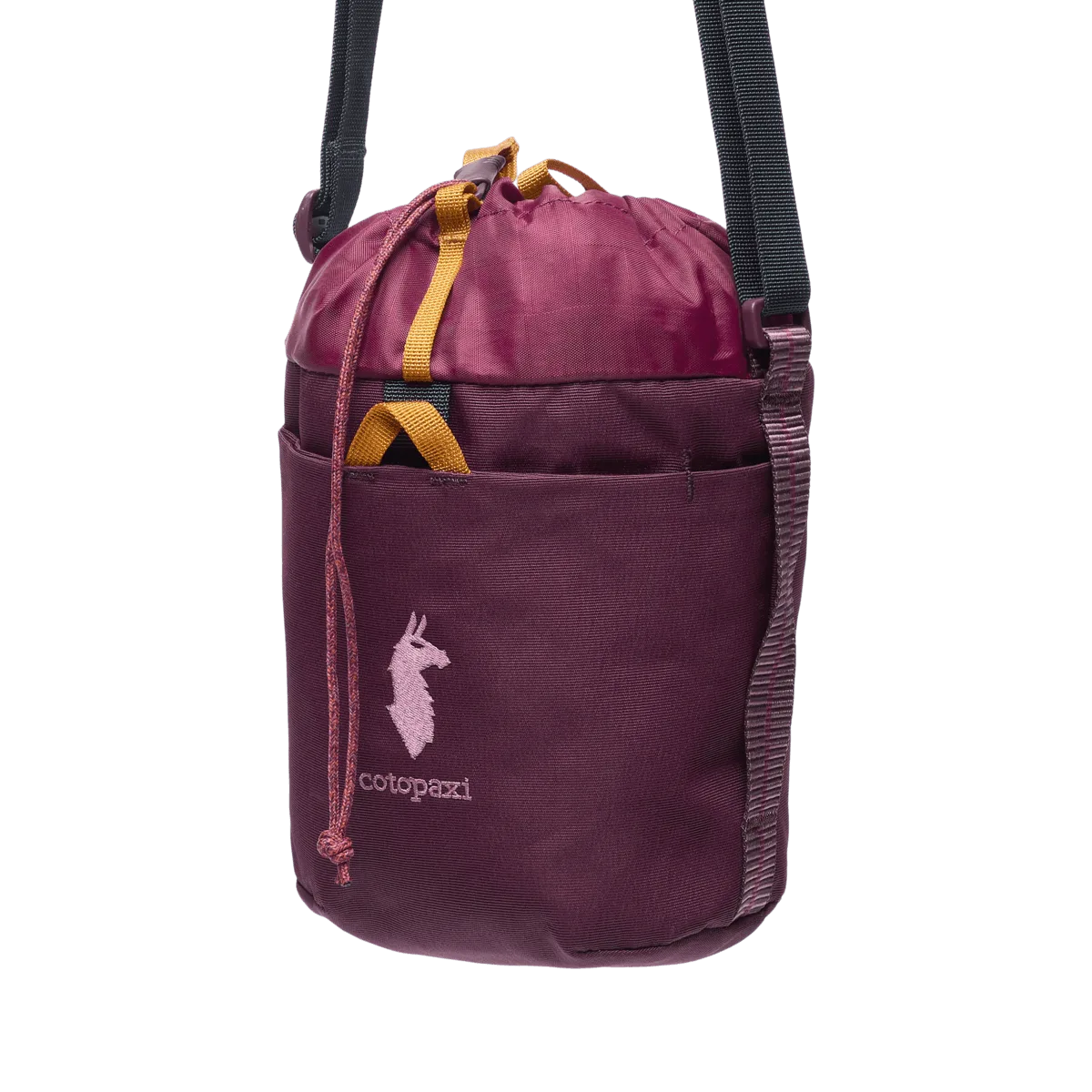
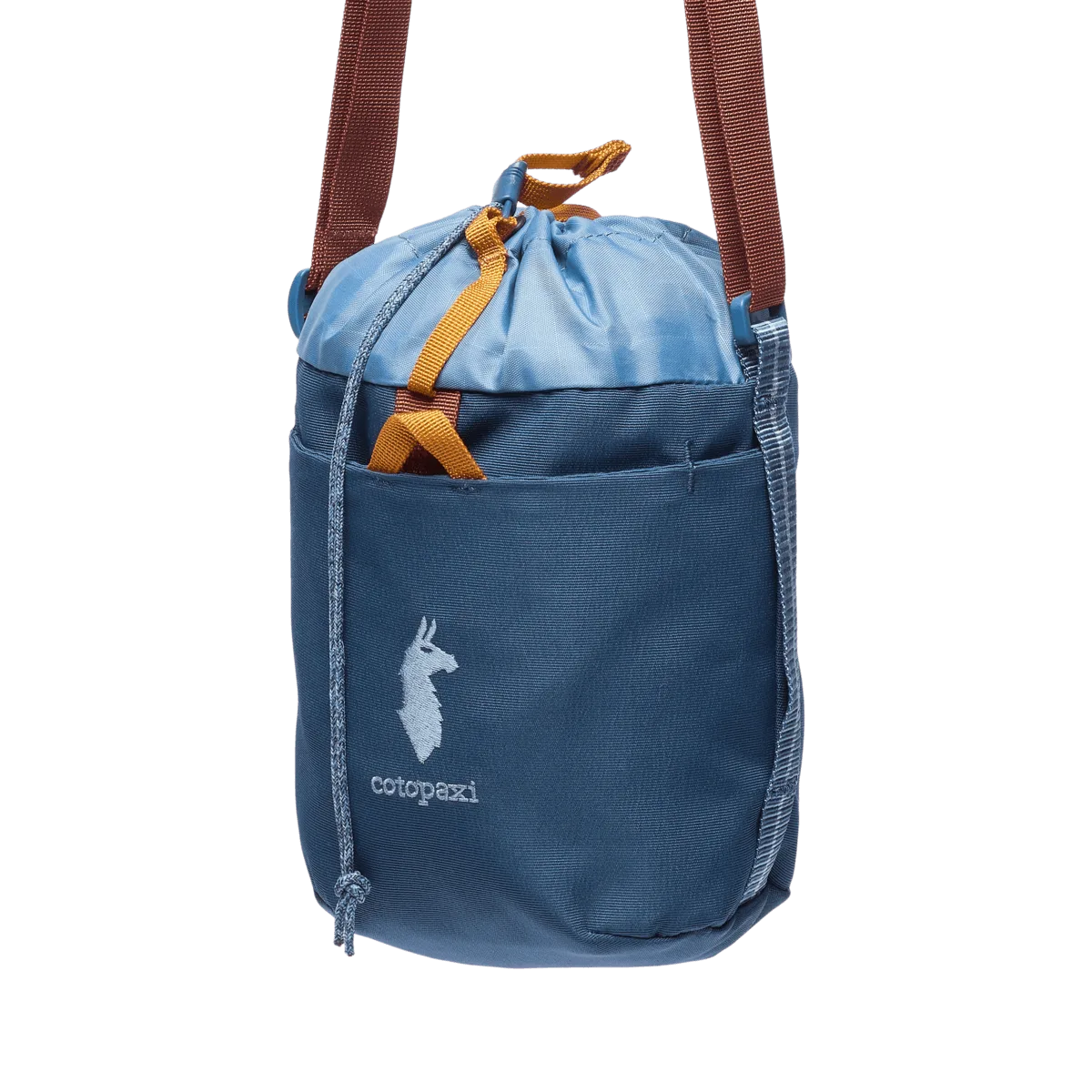
For lighter days, the https://cotopaxiety.com/products/todo-3l-bucket-bag-cada-dia-04066d037d79205a81e0607f-1804181https://cotopaxiety.com/products/todo-3l-bucket-bag-cada-dia-1-58e861861dd827b029203075-1804191Todo 3L Bucket Bag - Cada Día holds just the essentials: a phone, a wallet, and an extra light layer. Toss your items in, cinch the drawstring opening down, and go. If you only need one bag for the season, pick the size that matches your most common day, not your biggest day.
- Common mistake: carrying a summer tote that can't handle an extra layer or a light rain shower.
6. Add one or two finishing pieces, then stop
Once your layers and bag are set, add a simple finishing piece like the Cotopaxi Volcano 7-Panel Hat. It has a curved brim for comfort and coverage, and it's a straightforward way to handle breezy mornings or sunny afternoons without overthinking your outfit.
Then stop shopping. The point of a seasonal wardrobe switch is to make getting dressed easier, not to keep adding options. If you can build five or six complete fall outfit ideas from what you own plus a couple of new layers, you're done.
- Checkpoint: if a new piece doesn't work with at least three things you already own, skip it.
Your summer-to-fall transition checklist
- Audit your summer wardrobe: Pull out only the pieces you actually wore in the last three months and set aside anything worn out or unworn. Checkpoint: if you didn't wear it in summer, don't plan around it for fall.
- Swap fabrics, not outfits: Replace linen and thin cotton with breathable recycled fabrics that add warmth without bulk. Common mistake: buying a whole new wardrobe instead of layering what you own.
- Build a three-layer system: Choose a base, a midlayer like a technical fleece or light insulated jacket, and a shell for wind and rain. Checkpoint: each layer should work alone and together.
- Test layers on a real outing: Wear each new layer for an errand or short hike and note whether you overheat or cool down too fast. If it comes off within five minutes, it's the wrong midlayer.
- Refresh your everyday bag: Pick a bag that fits an extra layer and your daily essentials, like a 16L backpack or a 3L bucket bag. Match the bag to your most common day, not your biggest day.
- Add one finishing piece and stop: A simple hat or cap handles breezy mornings and sunny afternoons without complicating your outfit. If it doesn't work with three things you own, skip it.
Transitional pieces worth knowing
- Pacaya 2.0 Insulated Jacket - Men's: Features a 100% recycled shell and recycled insulation made from pre-consumer wool scraps that regulates heat when you're out exploring landscapes on ski or foot. A breathable midlayer that works under a waterproof shell on stormy days, so you can adapt to changing fall weather without switching jackets.
- Pacaya Lite Hooded Jacket - Women's: Built entirely from super lightweight recycled nylon, with an internal sternum snap that keeps the jacket on securely while unzipped to maximize airflow. A good choice for spring wind and breezy summits, and for fall days when you need light protection without overheating on the move.
- Otero Fleece Full-Zip Hooded Jacket - Men's: A fitted silhouette with a recycled polyester blend, a raised grid back for more warmth and breathability, and concealed zippers. The technical fleece layer that adds warmth on cool-weather hikes without feeling bulky under a shell.
- Tasra 16L Backpack: Designed with the minimalist traveler in mind, with spacious compartments, a full-wrap zippered opening, organizational pockets, and a padded laptop sleeve; backpack straps tuck away to convert it into a briefcase-style carry. Handles a light layer, laptop, and daily essentials, and converts to a cleaner carry for work or travel days.
A good summer-to-fall transition isn't about buying more, it's about layering smarter. Audit what you wore, swap fabrics, test each layer in real conditions, and refresh your carry for the season. Do that, and the in-between weeks become the easiest part of your year to dress for.