Quick answer
Use the 10% Vitamin C + Squalane Repair Cream once daily, in the morning after cleansing and before sunscreen, on dry skin. Start with five days a week for the first two weeks, then move to daily use if your skin stays comfortable. Apply a pea-sized amount to your face and neck, and avoid layering it with strong acids in the same step.
Why this cream suits a daily routine
A 10% vitamin C cream sits in a useful middle ground. It is strong enough to support brightening and evening out skin tone, but it is formulated as a cream rather than a watery serum, so it also provides moisture and a degree of barrier support. That combination matters for mature skin, which often tolerates vitamin C better when it arrives with emollients rather than in a bare, fast-absorbing base.
Squalane is the reason this type of formula layers so easily. It is a lightweight emollient that softens the surface of the skin without the heaviness of richer oils, so the cream can go under sunscreen in the morning without turning greasy. The tradeoff is that a cream format absorbs more slowly than a serum, so you need to give it a moment before the next step.
Morning or night: pick one main slot
Vitamin C is most often used in the morning because it supports the skin through the day, but a 10% cream is gentle enough that many people can use it at night instead. What matters more than the time of day is consistency. Choose one slot and keep it, rather than alternating randomly.
If you use it in the morning, it becomes the step right before sunscreen. If you use it at night, apply it after any water-light serums and before a heavier occlusive balm if you use one. Do not apply it twice a day when you are starting out; doubling up is the fastest way to trigger stinging on mature or sensitized skin.
How to layer it without pilling
The most common complaint with vitamin C creams is pilling, those little rolled-up balls of product. It almost always comes from applying too much or from rushing the steps. Wait 30 to 60 seconds between each layer so the previous product has set.
Order matters. Cleanse, then apply any watery treatment serums, then the repair cream, then sunscreen in the morning. If you use a hydrating mask, do it before the cream, not after. A sheet mask such as the Hydro Mask is a good pre-step on days when your skin feels tight, because it delivers hydration first and lets the cream seal over it.
What to avoid in the same routine
Do not stack this cream directly with strong exfoliating acids or a high-strength retinol in the same layer. If you use those, separate them by time of day or by alternating nights. Vitamin C and retinol can be used in the same routine, but not mixed together in one step, especially on mature skin that is already prone to dryness.
Also skip the temptation to apply it to damp skin straight out of the shower. Vitamin C formulas can sting more on damp skin, and the added water can make the cream slip and pill. Pat your skin dry first.
Your daily application steps
- 1. Cleanse and dry: Wash with a gentle cleanser, then pat your face and neck completely dry with a clean towel. Damp skin makes vitamin C sting more and encourages pilling. Checkpoint: your skin should feel dry to the touch, not tacky, before the next step.
- 2. Apply watery serums first: If you use a hydrating or brightening serum, apply it now and wait about 30 seconds. This is the step where a lighter vitamin C booster belongs, not after the cream. Checkpoint: if the serum has not absorbed, wait longer instead of adding the cream on top.
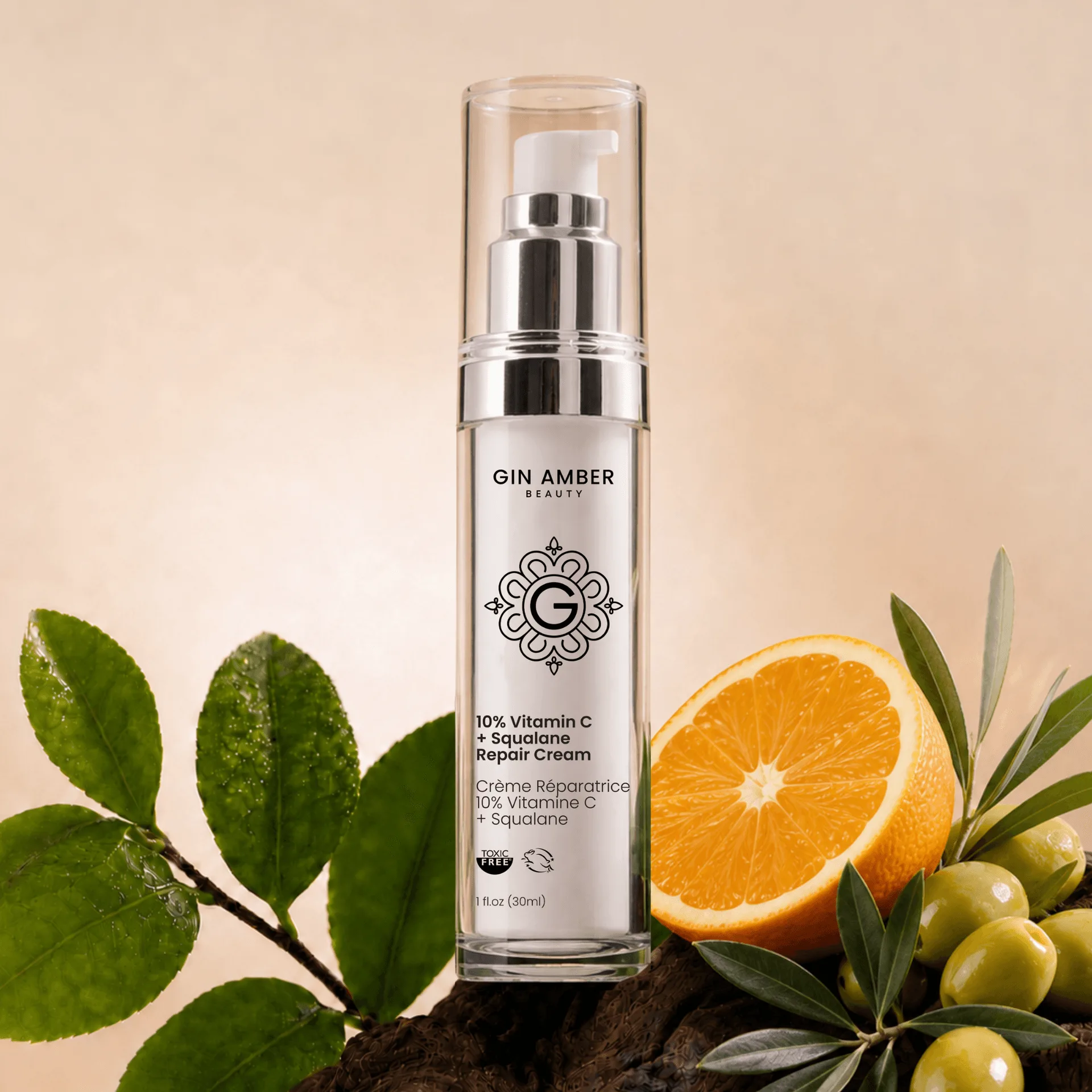
- 3. Apply the repair cream: Dispense a pea-sized amount of the 10% Vitamin C + Squalane Repair Cream and press it over your face and neck in upward strokes. Do not rub it in aggressively. Mistake to avoid: using a full pump or more. More product does not mean more benefit and it is the main cause of pilling.
- 4. Wait, then add sunscreen in the morning: Give the cream 30 to 60 seconds to set, then apply your sunscreen as the final morning step. At night, you can stop here or add a richer balm if your skin feels tight. Checkpoint: sunscreen always goes last in the morning, no exceptions.
- 5. Build frequency gradually: Use it five days a week for the first two weeks, then move to once daily if your skin stays calm. If you feel stinging or see flaking, drop back to every other day for a week. Next step: once daily use is stable, you can add a weekly Hydro Mask before the cream on dry days.
Product facts that affect how you use it
- 10% Vitamin C + Squalane Repair Cream: 10% Vitamin C + Squalane Repair Cream is described as a highly emollient formula suitable for all skin types, made to brighten and even skin tone while providing intense moisturization, repair, and protection. Because it is emollient rather than a thin serum, it works best as your moisturizing step, not as a lightweight first layer. That is why it goes after watery serums and before sunscreen.
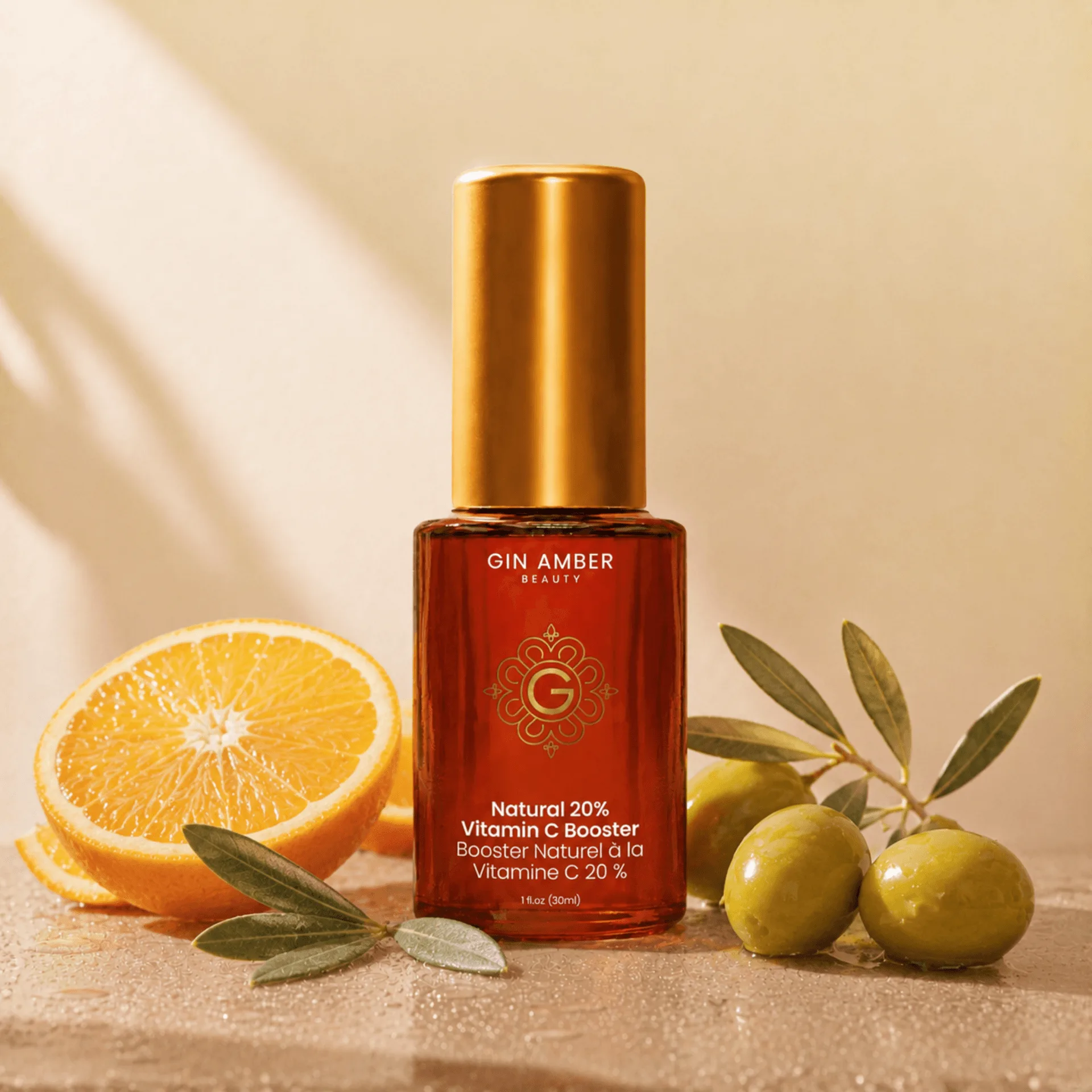
- Natural 20% Vitamin C Booster (Brightening): Natural 20% Vitamin C Booster (Brightening) uses Sodium Ascorbyl Phosphate and is described as non-irritating and gentle, suitable for sensitive skin. If you want a lighter, water-based vitamin C step before the cream, this is the option to layer underneath. Do not use both at full strength on the same day when you are first building the routine.
- Hydro Mask: Hydro Mask is a sheet mask described as a fusion of nourishing and revitalizing ingredients designed to seal in benefits and deeply nourish skin. Use it as a hydration step before the repair cream on dry days. It is not a replacement for the cream, and it does not change your sunscreen step in the morning.